
The best energy drinks in 2026 are the ones that give you a clean lift without a crash, a sugar spike or a jittery afternoon. A good energy drink is a tool: it helps you through a long shift, a hard training session, a late study night or a long drive. A bad one is a trap. It tastes like syrup, packs more sugar than a dessert, and leaves you more tired two hours later than you were before you opened the can.
Choosing the best energy drink in 2026 means looking past the bright cans and reading the label instead. The two numbers that matter most are caffeine and sugar. Caffeine is what wakes you up; sugar is what usually lets you down. A drink with 200 mg of caffeine and 50 grams of sugar feels very different from a drink with the same caffeine and zero sugar, even though the cans look almost identical on the shelf.
This guide compares the main types of energy drink side by side — classic sugary cans, sugar-free formulas, natural caffeine drinks, pre-workout style drinks and coffee-based energy drinks — by caffeine, sugar, price and best use, so you can pick the right can for the right moment.
Key Takeaways
- Caffeine is the active ingredient that matters: most cans contain 80 to 300 mg, and a cup of coffee contains about 95 mg.
- Sugar-free energy drinks give you the same lift without the sugar crash, and they are the better choice for most people.
- Do not drink energy drinks late in the day: caffeine can disturb sleep for six hours or more after you drink it.
- One can a day is enough for most healthy adults; never mix energy drinks with alcohol, and never use them as a substitute for sleep.
- Read the label every time: check caffeine per can, not per 100 ml, and check whether the sugar is listed per serving or per can.
How Caffeine Works and How Much You Need
Caffeine works by blocking adenosine, the chemical in your brain that builds up through the day and makes you feel sleepy. When caffeine blocks it, you feel more alert, your reaction time improves, and tiredness fades for a few hours. The effect usually starts within 15 to 30 minutes, peaks after about an hour, and fades over the next three to five hours, although it can linger far longer in some people.
Most healthy adults can safely have up to 400 mg of caffeine a day, roughly four cups of coffee, but that total includes coffee, tea, cola and chocolate as well as energy drinks. A single can with 200 mg is already half your daily limit, so two cans plus a morning coffee can easily take you over it. The signs you have had too much are familiar: a racing heart, shaky hands, anxiety, a headache and trouble sleeping. Children, teenagers and pregnant women should avoid energy drinks altogether, and anyone with a heart condition or high blood pressure should talk to a doctor first.
Sugar vs Sugar-Free: Why It Matters More Than the Brand
Sugar is the biggest difference between energy drinks, and it is the difference most buyers ignore. A classic 500 ml can can contain 50 to 55 grams of sugar, more than the recommended daily amount for an adult in a single drink. That sugar gives you a quick rush, then a crash as your blood sugar falls, which is why a sugary energy drink often leaves you more tired than before. Sugar-free drinks replace the sugar with sweeteners, so you get the caffeine lift without the crash and without the calories.
Sugar-free is not perfect. Some people dislike the taste of sweeteners, and a sugar-free drink can still contain a lot of caffeine, so it is not a free pass to drink more. But for most adults, sugar-free is the better default, especially if you drink energy drinks regularly. If you train hard for over ninety minutes, a sugary drink can help replace energy, but for a desk, a drive or a study session, sugar-free wins. If you train regularly, our guide to the best pre-workout of 2026 covers the formulas designed specifically for training, which are a better fit than a general energy drink.
Best Classic Energy Drinks
Classic energy drinks are the originals: sweet, fizzy, and built around a simple formula of caffeine, sugar, B vitamins and taurine. They usually contain 80 to 160 mg of caffeine per 250 ml can, or 160 to 200 mg in a 500 ml can, with 25 to 55 grams of sugar depending on size. They work quickly, they taste familiar, and they are available everywhere, which is why they still sell in huge numbers.

Best Sugar-Free Energy Drinks
Sugar-free energy drinks are the smartest choice for most people in 2026. They keep the caffeine, usually 150 to 200 mg per 500 ml can, and drop the sugar to zero, which means no sugar crash, no extra calories, and a steadier lift that lasts longer. The best sugar-free formulas taste clean and crisp, with fruit flavours that hide the sweetener well, and they cost about the same as the classic versions, typically £1.50 to £2.50 a can.
Best Natural Caffeine Energy Drinks
Natural caffeine drinks use green tea extract, green coffee bean or guarana as their caffeine source, instead of synthetic caffeine, and they usually contain less sugar and fewer artificial ingredients. They typically contain 100 to 150 mg of caffeine per can, often with added electrolytes or fruit juice, and are marketed as a cleaner, gentler lift. Many people find them easier on the stomach than classic energy drinks, and the lift feels smoother, with less of a jittery edge.
Best Pre-Workout Style Energy Drinks
Pre-workout style energy drinks sit between energy drinks and supplements. They contain 200 to 300 mg of caffeine per can, often with beta-alanine, which causes a harmless tingling feeling, and citrulline, meant to support blood flow during training. They are designed for one purpose: to be drunk 20 to 30 minutes before a hard training session, when you want maximum focus and effort.
That high caffeine dose makes them the wrong choice for the office or a casual lift: a 300 mg can is three quarters of the safe daily limit in one drink. Use them only for training, once a day at most. If you want a drink that replaces what you lose in sweat, our guide to the best electrolyte drinks of 2026 explains when salts matter more than stimulants.
Best Coffee-Based Energy Drinks
Coffee-based energy drinks are the quiet success of the category. They are usually cold brew or iced coffee with added caffeine, milk or oat milk, and a small amount of sugar, giving you a drink that tastes like coffee but hits like an energy drink. They typically contain 150 to 200 mg of caffeine per can, with far less sugar than a classic energy drink, and they feel more like a real drink than a chemical one.
Their main advantage is familiarity: if you already drink coffee, you will like the taste. The downside is price, £2 to £3.50 a can, and they are easy to confuse with ordinary iced coffee, so check the caffeine number first. If you prefer to make your own, our roundup of the best iced coffee of 2026 covers the ready-to-drink coffees that taste best cold.
Best Energy Drinks Compared
| Drink Type | Caffeine per Can | Sugar | Typical Price | Best For |
|---|---|---|---|---|
| Classic energy drink | 160–200 mg | 50–55 g | £1.50–£2.50 | Occasional quick lift |
| Sugar-free energy drink | 150–200 mg | 0 g | £1.50–£2.50 | Everyday use, office, study |
| Natural caffeine drink | 100–150 mg | 0–10 g | £2–£3.50 | Gentler lift, sensitive stomachs |
| Pre-workout style | 200–300 mg | 0–5 g | £2.50–£4 | Hard training only |
| Coffee-based energy drink | 150–200 mg | 5–15 g | £2–£3.50 | Morning lift, coffee lovers |
When to Drink Energy Drinks — and When Not To
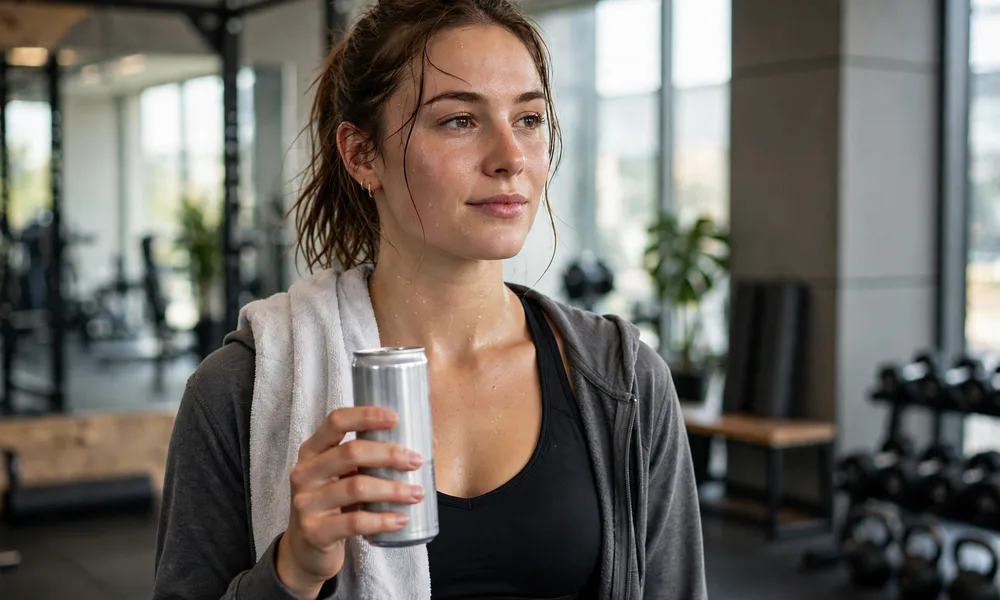
Timing matters as much as the drink itself. Drink an energy drink 20 to 30 minutes before you need the lift, not when you are already exhausted, because caffeine cannot replace sleep, it can only hide tiredness for a few hours. Never drink one after mid-afternoon if you want to sleep well: caffeine can disturb sleep for six hours or more, and a can at 5 pm can still be affecting you at midnight. Always drink water alongside energy drinks, because caffeine is a mild diuretic and dehydration makes tiredness worse.
Healthier Alternatives to Energy Drinks
If you reach for an energy drink every day, the best alternative is not a different can, it is a better routine. A short walk, a glass of water and a few minutes of daylight will wake you up more reliably than caffeine, and they do not cost anything. A cup of green tea gives you around 30 mg of caffeine with L-theanine, which many people find gives a calmer, steadier focus than an energy drink. Black coffee is cheaper, simpler and easier to dose than any can.

Energy Drink Buying Checklist
- Check caffeine per can, not per 100 ml, and count it towards your 400 mg daily limit, including coffee and tea.
- Choose sugar-free as your default, and save sugary cans for occasional use or very long physical work.
- Buy the smallest can that gives you the lift you need, because a 250 ml can is often enough.
- Never drink an energy drink after mid-afternoon if you want to sleep well that night.
- Do not mix energy drinks with alcohol, and never use them to stay awake for driving when you are drowsy.
- Try a few flavours before you commit to a brand, because taste varies widely, especially in sugar-free drinks.
Frequently Asked Questions
How much caffeine is in an energy drink?
Most energy drinks contain 80 to 300 mg of caffeine per can. A small 250 ml can usually has 80 to 160 mg, a 500 ml can usually has 150 to 200 mg, and pre-workout style cans can have 200 to 300 mg.
Are sugar-free energy drinks better than sugary ones?
Yes, for most people. Sugar-free drinks give you the same caffeine lift without the sugar crash and without the calories.
How many energy drinks can I drink a day?
Most healthy adults should have no more than one energy drink a day, and never more than 400 mg of caffeine in total from all sources, including coffee and tea.
Do energy drinks actually work?
Yes, caffeine genuinely improves alertness, reaction time and focus for a few hours. What energy drinks do not do is replace sleep, and the lift is followed by a dip as the caffeine wears off.
Can I drink energy drinks before a workout?
Yes, caffeine before a workout can improve performance, and a drink taken 20 to 30 minutes before training works well. Choose a sugar-free or pre-workout style drink, keep the dose to one can, and drink water alongside it.
What is the best energy drink for focus at work?
A sugar-free energy drink with 150 to 200 mg of caffeine is the best choice for focus at work, because it gives a steady lift without a sugar crash. A coffee-based energy drink is a good alternative if you prefer the taste of coffee.
The Bottom Line
The best energy drink in 2026 is a sugar-free can with 150 to 200 mg of caffeine, drunk at the right time, for the right reason, and not every day. It gives you a clean, steady lift without a sugar crash, it costs about the same as the sugary versions, and it leaves your sleep alone if you drink it before mid-afternoon. Classic sugary cans are fine occasionally, natural caffeine drinks suit sensitive stomachs, pre-workout cans belong in the gym only, and coffee-based cans are the best choice for coffee lovers. Pick your type, read the label, count your caffeine, and remember that no drink replaces sleep.


