
A good pair of workout gloves disappears while you train. The padding sits exactly where the bar presses, the wrist strap holds firm without cutting off circulation, and your fingers stay free enough to change a plate or tie a shoe. A bad pair does the opposite: it bunches in your palm, slips at the worst moment, and makes you wish you had trained bare-handed instead. The difference between the best workout gloves of 2026 and the worst is not the brand on the strap. It is the fit, the palm, the padding, and the stitching that holds it all together. This guide puts the two sides head to head, so you can tell them apart before you pay.
Key Takeaways
- Match the glove to your training: fingerless for lifting, full-finger for outdoor and functional work, padded for heavy pulling.
- Fit matters more than brand: snug across the palm, free at the fingers, and a wrist strap that holds without pinching.
- Leather palms grip best and last longest, while mesh backs keep hands cool and dry through long sessions.
- Padding should protect without dulling feel: thin foam for light work, thick gel for heavy pulling, nothing that bunches.
- Gloves protect against calluses and improve grip, but they should never replace building real grip strength.
How We Judged the Best and the Worst
We judged every type of workout glove on the same five tests, because a fair comparison needs one ruler. First, fit: does the glove feel snug across the palm with no loose fabric when you make a fist, and do the fingers end just short of your own fingertips in a fingerless design? Second, palm grip: does the palm hold a knurled barbell when your hands sweat? Third, padding: does it spread pressure across the palm without bunching, and can you still feel the bar through it? Fourth, wrist support: does the strap hold firm through a heavy set without pinching or loosening? Fifth, durability: do the seams, strap and palm survive months of chalk, sweat and washing?
A glove earns a place among the best only when it passes all five. A glove lands among the worst when it fails two or more, because one weakness can be tolerated but two make the glove unreliable under load.
The Best Workout Gloves of 2026
Best Fingerless Lifting Gloves
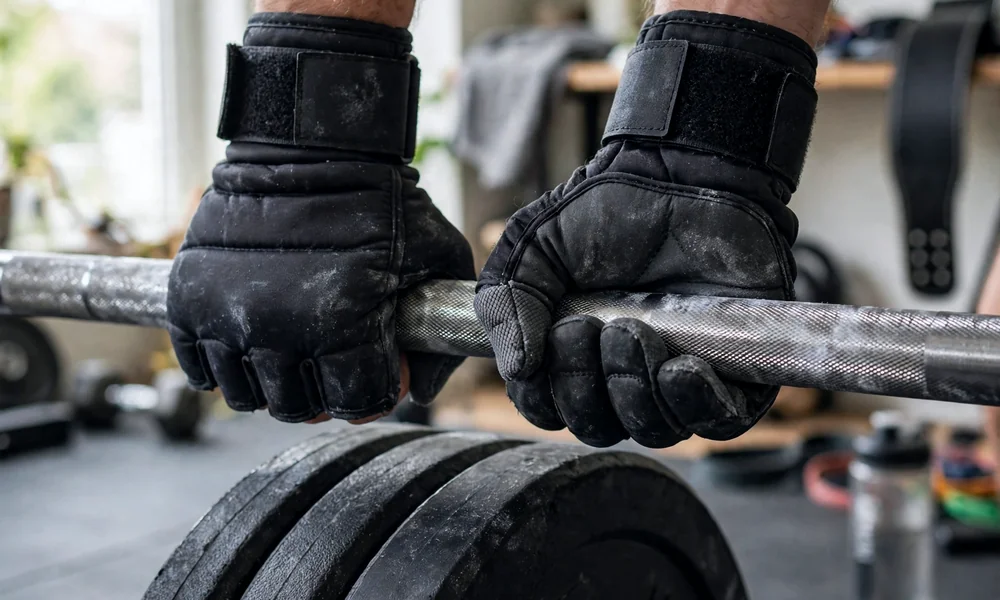
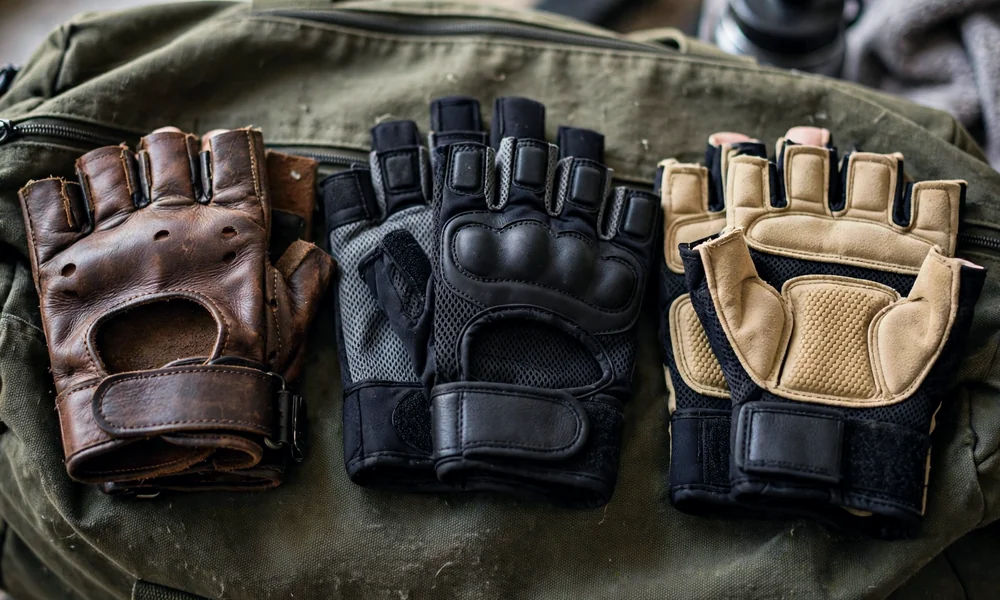
The best fingerless lifting gloves are the most popular style for a reason: they protect the palm, leave the fingers free, and keep your hands cooler than full-finger designs. The best pairs use a leather palm with padding placed exactly under the fingers and the heel of the hand, where the bar presses. The fingers end just short of your own, so you can still feel plates and adjust collars without taking the gloves off. They are the default choice for weight training, machine work, and anyone who wants protection without losing feel for the bar.
Best Full-Finger Training Gloves
The best full-finger gloves suit outdoor training, functional workouts and anyone who wants complete hand coverage. They protect the fingers as well as the palm, which matters on ropes, bars, kettlebells and rough outdoor surfaces. The good ones use breathable mesh backs and flexible knuckles so the extra coverage does not turn your hands into a sauna, and the fingertips are reinforced where they meet the bar. They run warmer and dull bar feel slightly, but for outdoor and functional sessions they are the right tool.
Best Padded Grip Gloves
The best padded grip gloves are built for heavy pulling: deadlifts, rows and pull-ups where the bar digs into the palm. They use thick gel or layered foam padding that spreads pressure across the whole palm instead of letting it concentrate in one hot spot, which is what turns into a callus and then a tear. The padding is shaped rather than flat, so it follows the curve of your hand and does not bunch when you close your fist. You lose some direct contact with the bar, but for lifters moving serious weight the trade is worth making, because torn hands end training weeks.
Best Wrist-Wrap Gloves
The best wrist-wrap gloves combine palm protection with a long, firm wrist strap that wraps twice around the joint and fastens with a strong hook-and-loop closure. They suit pressing movements and heavy lifting, where the wrist takes load at an awkward angle and a wobble can end a set or cause an injury. The good ones support without strangling: the strap is wide, the padding under it is soft, and it stays put through a whole session. They are overkill for light machine work, but for anyone pressing heavy they are the safest pick here.
The Worst Workout Gloves of 2026
Worst Bunching-Padding Gloves
The worst padding is the kind that moves. Cheap gloves use a single flat slab of foam that is not shaped to the hand, so the moment you grip a bar it folds, bunches and creates a ridge of pressure exactly where you do not want it. The result is worse than no padding: hot spots, blisters and a grip that feels uneven from rep to rep. Thickness is not protection; shaped, anchored padding is. If a glove feels lumpy when you make a fist, it will only feel worse under load.
Worst Slippery-Palm Gloves
A glove that slips is a hazard, not an accessory. The worst palms use smooth, cheap synthetic leather that looks fine dry and turns slick the moment sweat arrives, which is exactly when you need grip most. The glove slides a fraction on every rep, your forearms work overtime to compensate, and the bar feels less secure with each set. Good palms use textured leather or a silicone grip pattern that holds when wet. A slippery glove teaches you to grip harder and trust the bar less.
Worst Weak-Strap Gloves
The worst wrist straps are decoration. They use a short strip of thin elastic and a tiny patch of hook-and-loop that pops open under load, or they stretch out within a few weeks until the strap is just a loose band around your wrist. A strap that cannot hold is worse than no strap, because it promises support and delivers none. Good straps are wide, long enough to wrap twice, and fastened with a generous patch that stays shut through chalk and sweat. If the strap comes undone when you tug it firmly in the shop, it will come undone under a barbell.
Worst Fast-Fraying Gloves
The worst gloves fall apart. Single-stitched seams split at the fingers, the palm peels away from the backing, and the mesh back tears after a handful of sessions. These gloves are usually the cheapest on the shelf, and their true cost shows up when you buy a second pair a month later, then a third. A glove that survives six months of regular training is a bargain at twice the price of one that lasts six weeks.
Best vs Worst Workout Gloves Compared
| Feature | Best gloves | Worst gloves |
|---|---|---|
| Fit | Snug palm, free fingers | Loose fabric, sliding fit |
| Palm grip | Textured leather, holds when wet | Smooth synthetic, slips with sweat |
| Padding | Shaped, anchored, no bunching | Flat slab, folds under load |
| Wrist strap | Wide, wraps twice, stays shut | Short, weak, pops open |
| Durability | Double stitching, lasts months | Single stitching, frays fast |
| Breathability | Mesh backs, hands stay dry | Sealed backs, sweaty and smelly |
The table makes the split plain: the best gloves are consistent across every row, while the worst gloves fail in several places at once. That is why price alone is a poor guide. A mid-price glove with a leather palm, shaped padding and a firm strap is a better buy than a premium-looking glove with a slippery palm, and a simple glove that fits well beats a feature-packed one that does not. Judge the glove in your hand, not in the photo, and you will rarely go wrong.
How to Choose the Right Pair
Before you compare gloves, think about what your hands actually do in the gym. A lifter who deadlifts and rows needs palm protection and wrist support above all. A person who does functional training and outdoor workouts needs grip and durability across many surfaces. A beginner who is just starting out needs comfort and a glove that makes training feel better, not more complicated. Your training decides the glove, not the other way around.
Fit comes first, and it is also the thing most people get wrong. The right fit feels snug across the palm, with no loose fabric when you make a fist, and fingers that end just short of your own fingertips in a fingerless design. Measure your dominant hand around the knuckles and check the maker’s size chart, because sizing varies. If you are between sizes, go smaller for leather, which stretches, and larger for synthetic, which does not. If you train with dumbbells as well as barbells, our guide to the best vs worst dumbbells will help you match the rest of your kit to the same standard.

When Gloves Help and When They Do Not
Gloves help most where the bar meets the hand: heavy pulling, high-rep bar work, and sessions where sweat would otherwise cost you grip. They protect the skin, spread the load, and let you finish sets your hands would otherwise cut short.
Gloves do not help everywhere. They should never replace building real grip strength: if you cannot hold a bar without gloves, the answer is grip training, not thicker padding. They are also the wrong tool where feel matters most, such as learning a new lift. The best lifters use gloves for specific jobs and train bare-handed the rest of the time. Our guide to the best weight benches covers the other half of a solid lifting station.
Frequently Asked Questions
Should beginners wear workout gloves?
Yes, if the gloves fit well. Beginners benefit most from gloves, because new hands blister fastest and early calluses put people off training. Choose a light fingerless pair with thin padding, so you still learn the feel of the bar while your skin adapts.
Do workout gloves weaken your grip?
They can if you rely on them for everything. Train some sets bare-handed and add grip work such as hangs and farmer’s carries, and gloves will protect your hands without weakening them.
How do I wash workout gloves?
Hand wash them in cool water with mild soap after every few sessions, then air dry them away from direct heat. Never machine dry leather gloves, which crack and stiffen. Sweaty gloves left in a bag are the fastest route to odour and worn-out padding.
Are leather or synthetic gloves better?
Leather palms grip best and last longest, and they mould to your hand with use. Synthetic gloves dry faster and cost less, but they wear out sooner. Our guide to the best workout gloves compares the leading materials in more depth.
The Bottom Line
The best workout gloves of 2026 are the ones that disappear: a snug fit, a leather palm that grips when wet, shaped padding that never bunches, and a strap that holds through the heaviest set. The worst are the ones you notice every rep, for the wrong reasons. Buy the fingerless, full-finger or padded pair that matches your training, check the fit with a closed fist before you commit, and wash them regularly so they last. Your hands do the work in every session; give them gloves that do theirs.


