The best espresso cups 2026 do far more than hold a shot. A good cup keeps the crema intact, holds the heat, and feels right in the hand. A bad one cools the coffee in seconds and hides the aroma. The difference is rarely price. It is shape, thickness, material, and size.
Espresso is a small drink with a short window: roughly 30 millilitres of coffee, served hot, with a fragile layer of crema on top. The cup is the last thing the coffee touches before you taste it, and it shapes temperature, aroma, and mouthfeel more than most people expect.
We compared the leading porcelain, glass, ceramic, and stainless steel espresso cups available in 2026, judging them on heat retention, crema preservation, comfort, durability, and practicality. These are the nine that earned a place on the shelf, plus a guide to choosing the right one for how you drink.
Key Takeaways
- The best espresso cups hold 60 to 90 millilitres, with thick walls that keep a single shot hot for several minutes.
- Porcelain is the safest all-round choice, balancing heat retention, durability, and a neutral taste.
- Double-walled glass shows off the crema beautifully but cools faster once lifted from a warm surface.
- A tapered, tulip-shaped bowl concentrates aroma far better than a straight-sided cup.
- Always preheat your cup with hot water before pulling a shot, whatever material you choose.

What Makes a Great Espresso Cup
Size comes first. A single shot is about 30 millilitres, a double about 60, so a cup holding 60 to 90 millilitres leaves room for crema without swamping the coffee in empty air. Cups larger than 120 millilitres look generous but let the drink spread thin and cool fast.
Wall thickness is next. Thin, delicate walls feel elegant but shed heat quickly, and a shot can drop several degrees before the first sip. Thick walls act as a thermal buffer, holding warmth steady. This is why heavy porcelain and stoneware outperform fine bone china for everyday espresso.
Shape is the factor most buyers overlook. A bowl that narrows slightly toward the rim, the classic tulip shape, traps aromatic compounds and guides them toward your nose as you sip. Wide, flat cups let the aroma escape and the crema break apart.
Material sets the character of the cup. Porcelain is dense, non-porous, and neutral, so it adds nothing to the flavour. Glass is beautiful and lets you watch the crema, but it insulates poorly unless double-walled. Stoneware retains heat wonderfully. Stainless steel keeps coffee hot the longest but can add a faint metallic note and hides the crema entirely.
The 9 Best Espresso Cups of 2026
1. The Classic Porcelain Demitasse
The classic white porcelain demitasse remains the benchmark because it does everything well and nothing badly. At 70 millilitres with thick walls and a gently tapered bowl, it keeps a single or double shot at drinking temperature for a full five minutes. The glaze is non-porous, so it never absorbs old coffee flavours, and it survives daily dishwasher cycles without fading. It is the cup most specialty cafes reach for.
2. The Double-Walled Glass Cup
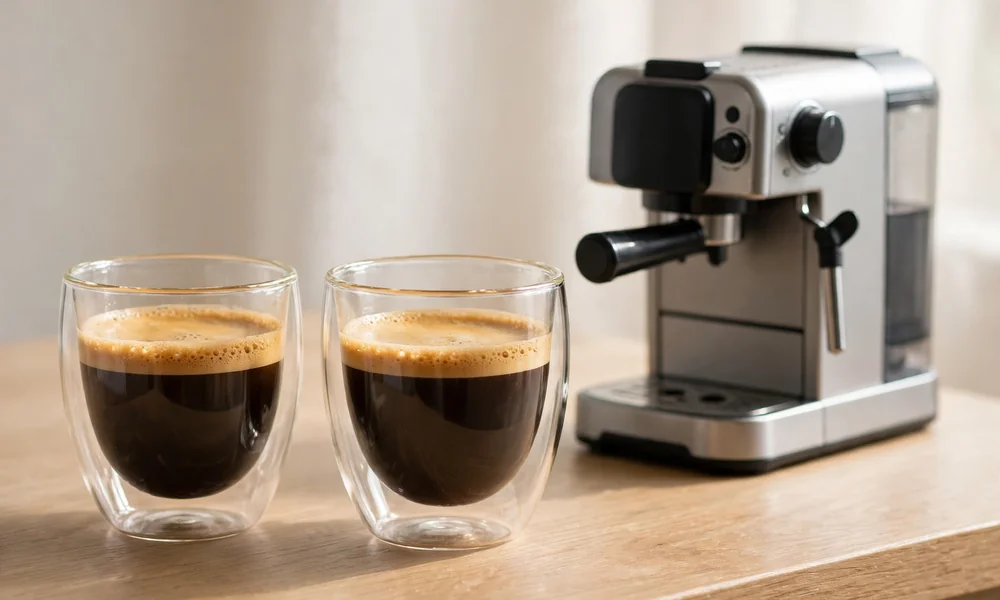
Double-walled glass turns an espresso into a small piece of theatre. You can watch the crema settle in layers, and the outer wall stays cool enough to hold while the coffee inside stays hot. At 80 millilitres, this is a generous double-shot cup, and the borosilicate glass is far tougher than it looks. Even so, for anyone who drinks espresso partly with their eyes, this is the most enjoyable cup here.
3. The Handmade Stoneware Cup
Handmade stoneware brings warmth and character that factory porcelain cannot match. Each cup has slight variations in glaze and shape, which makes the morning ritual feel personal rather than industrial. The walls are thick and the base is heavy, so heat retention is excellent, and the matte exterior stays grippy even with damp hands. The 90 millilitre capacity suits doubles and small flat whites. For slow mornings at home, they are hard to beat.
4. The Tulip-Shaped Tasting Cup
Designed with input from barista champions, the tulip-shaped tasting cup is built around aroma. The bowl curves inward at the rim, concentrating the volatile compounds that carry most of espresso’s flavour, and the thin lip delivers the coffee cleanly onto the tongue. At 60 millilitres, it is a purist’s cup, made for single shots and careful tasting. If you buy espresso beans for home and want to taste the difference between roasts, this is the cup that shows it.
5. The Stackable Everyday Set
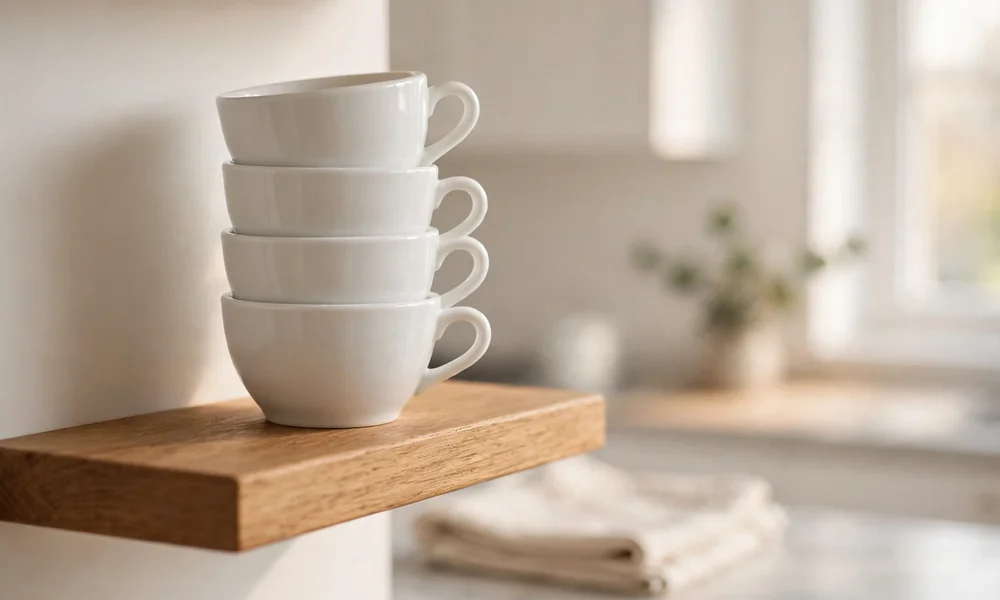
Not every great cup needs to be precious. This stackable porcelain set is the practical pick: four 75 millilitre cups that nest neatly, saving a full shelf of cupboard space. The walls are a sensible middle thickness, the handles are generous, and the glaze is rated for hundreds of dishwasher cycles. For households where two or three people drink espresso every morning, the stackable set is the smartest buy.
6. The Insulated Stainless Steel Cup
Stainless steel is the outlier on this list, and it earns its place on performance alone. A double-walled steel cup keeps an espresso hot far longer than any ceramic, which matters if you drink slowly or get distracted between sips. The brushed finish looks modern, the cup is effectively unbreakable, and it travels well. It is the best choice for commuters and anyone who drinks espresso at a desk.
7. The Coloured Ceramic Cup
Colour changes how coffee feels, even when it changes nothing about how it tastes. These glazed ceramic cups come in muted sage, terracotta, and charcoal, and the coloured interior makes the golden crema stand out beautifully against the glaze. At 85 millilitres with a rounded base and a comfortable handle, the design is genuinely good, not just pretty.
8. The Vintage-Style Espresso Cup and Saucer
Some cups are about the ritual as much as the coffee. This vintage-style set pairs a 70 millilitre porcelain cup with a matching saucer and a slightly flared rim that recalls old Italian cafes. It looks wonderful on a breakfast table, and the saucer catches drips and holds a biscuit or a spoon. For weekend breakfasts and guests, it makes the whole occasion feel considered.
9. The Minimalist Matte Cup
The minimalist matte cup strips everything back: no decoration, no gloss, just a smooth matte exterior, a clean silhouette, and a perfectly balanced handle. At 80 millilitres, it suits doubles and small cortados, and the matte finish hides fingerprints and water marks better than any glossy cup. It is the cup for people who like their kitchenware quiet and their coffee loud.
Espresso Cups Compared
Here is how the nine cups stack up at a glance.
| Cup | Capacity | Material | Best For |
|---|---|---|---|
| Classic Porcelain Demitasse | 70 ml | Porcelain | Everyday espresso |
| Double-Walled Glass Cup | 80 ml | Borosilicate glass | Watching the crema |
| Handmade Stoneware Cup | 90 ml | Stoneware | Slow mornings |
| Tulip-Shaped Tasting Cup | 60 ml | Porcelain | Tasting single origins |
| Stackable Everyday Set | 75 ml | Porcelain | Busy households |
| Insulated Stainless Steel Cup | 80 ml | Stainless steel | Drinking slowly |
| Coloured Ceramic Cup | 85 ml | Ceramic | Matching your kitchen |
| Vintage-Style Cup and Saucer | 70 ml | Porcelain | Guests and weekends |
| Minimalist Matte Cup | 80 ml | Ceramic | Modern kitchens |
How to Choose the Right Espresso Cup
Start with your drink. If you take single shots straight, a 60 to 70 millilitre cup is perfect. If you drink doubles, look for 80 to 90 millilitres. Buying a cup that is too big is the most common mistake: the coffee spreads out and cools quickly.
Match the Material to Your Routine
Porcelain suits almost everyone, which is why it dominates cafe service. Glass suits people who enjoy the visual side of coffee. Stoneware and ceramic suit home drinkers who value warmth and texture. Stainless steel suits anyone who drinks slowly, travels with coffee, or has a history of breaking ceramics.
Check the Handle and the Rim
Before buying, think about your hands. A small loop handle looks elegant but can be uncomfortable if you have larger fingers. A generous handle that fits two fingers is far more practical. The rim matters too: a thin, smooth rim feels better on the lip than a thick, rolled edge.
Think About Storage and Care
Beautiful cups that do not fit your cupboard will end up at the back of a shelf. Measure your shelf height and depth before ordering a set, and remember that saucers add bulk. Stackable designs solve this neatly. Check dishwasher safety too: most modern porcelain and glass cups are dishwasher-safe, but handmade stoneware lasts longer with hand washing.
How to Care for Your Espresso Cups
Good cups last for years with minimal effort. Rinse them soon after use so coffee oils do not stain the glaze, and avoid stacking unglazed stoneware directly on glazed porcelain, which can cause scratches.
Preheating is the single easiest upgrade to your espresso. Fill the cup with hot water while your machine warms up, then empty it just before pulling the shot. The warm walls stop the cup from stealing heat from the coffee. It also pairs well with good equipment: a well-chosen cup alongside one of the best home espresso machines makes a bigger difference to your morning coffee than either purchase alone.
Espresso Cup Buying Checklist
- Capacity of 60 to 90 millilitres for singles and doubles, with a little extra if you add milk.
- Thick walls for heat retention, or double-walled construction for glass and steel.
- A tapered or tulip-shaped bowl that concentrates aroma and protects the crema.
- A handle that comfortably fits at least two fingers and stays cool to hold.
- Dishwasher-safe glazing, unless you are happy to hand wash handmade pieces.
- A size and shape that fits your cupboard, your saucers, and your daily routine.

Frequently Asked Questions
What size cup is best for espresso?
A 60 to 90 millilitre cup is best for most people. A single shot is about 30 millilitres and a double is about 60, so a cup in this range leaves room for crema without letting the coffee spread thin and cool.
Does the cup really change how espresso tastes?
Yes, mainly through temperature and aroma. A cold or thin-walled cup drops the coffee temperature quickly, which dulls sweetness and emphasises bitterness.
Are glass espresso cups good?
Double-walled glass cups are very good: they insulate well, stay cool to hold, and let you see the crema. Single-walled glass cools quickly and can be uncomfortably hot, so choose double-walled if you go the glass route.
Should I preheat my espresso cup?
Yes. Fill the cup with hot water while your machine warms up and empty it before pulling the shot. Preheating stops the cup from absorbing heat from the coffee, which keeps the temperature stable and the flavour balanced.
How many espresso cups do I need?
Two per regular drinker is a practical minimum, so one is always clean while the other is in use. A set of four suits most households and covers guests. If you entertain often, a set of six with saucers is worth having, especially if you already own a good set of espresso cups for home.
Can espresso cups go in the dishwasher?
Most porcelain, glass, and glazed ceramic cups are dishwasher-safe, but handmade stoneware and delicate vintage pieces last longer when hand washed. Always check the maker’s guidance and avoid overcrowding the dishwasher.
The Bottom Line
The best espresso cups of 2026 prove that a small piece of tableware can make a real difference to your coffee. Start with a classic porcelain demitasse if you want one cup that does everything well, choose double-walled glass if you love watching the crema, and pick handmade stoneware if slow mornings are your favourite part of the day. Whatever you choose, match the size to your drink and preheat before every shot.