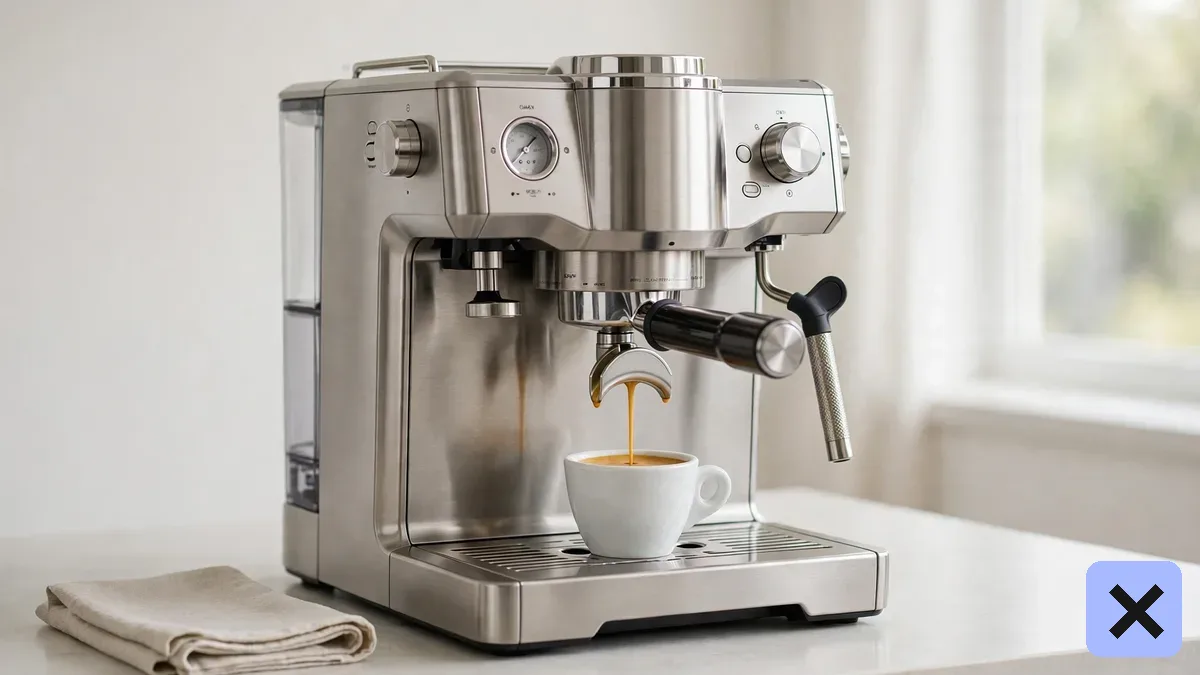
Great espresso at home used to mean spending a small fortune on a cafe-grade machine, but that is no longer true. The best espresso machines under $300 in 2026 prove that a modest budget can still buy real pump pressure, proper temperature control, and a steam wand that makes genuine microfoam. You do not need a $1,000 prosumer machine to pull a rich, balanced shot with golden crema in your own kitchen.
The trick is knowing where the money goes. At this price, the machines that win spend their budget on the pump, the heater, and the portafilter rather than on touchscreens and gimmicks.
This guide compares the strongest budget machines on the market right now, explains what actually matters when you are shopping under $300, and gives you a simple checklist so you can buy once and buy well. Every machine below was judged on shot quality, steaming power, build, ease of use, and value for money.
Key Takeaways
- Look for at least 15 bars of pump pressure and a 54 mm or 58 mm portafilter for the best extraction.
- Thermoblock heating gives fast warm-up times, while a small boiler gives more stable temperatures.
- A built-in grinder is convenient, but a separate grinder usually gives you better-tasting coffee.
- A real steam wand beats an automatic frother for lattes and cappuccinos.
- Budget about $50 extra for a tamper, a milk pitcher, and fresh beans.
Best Espresso Machines Under $300 at a Glance
| Machine | Pressure | Heating | Portafilter | Best For |
|---|---|---|---|---|
| Breville Bambino | 15 bar | ThermoJet | 54 mm | Fast, cafe-style shots |
| De’Longhi Dedica Maestro Plus | 15 bar | Thermoblock | 51 mm | Small kitchens |
| Gaggia Classic Pro | 15 bar | Boiler | 58 mm | Hands-on enthusiasts |
| Casabrews CM5418 | 20 bar | Thermoblock | 51 mm | Best value overall |
| Gevi 20 Bar | 20 bar | Thermoblock | 51 mm | Beginners on a budget |
How We Chose These Machines
We started with every espresso machine under $300 sold by a major retailer in 2026, then narrowed the list by three hard rules: it had to use a real pump, not steam pressure; it had to be widely available with a proper warranty and spare parts; and it had to earn consistently strong reviews from owners who had used it for months.
From there we compared shot quality first and features second, and we weighed steaming power too, because most buyers at this price want milk drinks, and a weak steam wand turns a latte into warm milk with bubbles.
The Best Espresso Machines Under $300 in 2026
1. Breville Bambino
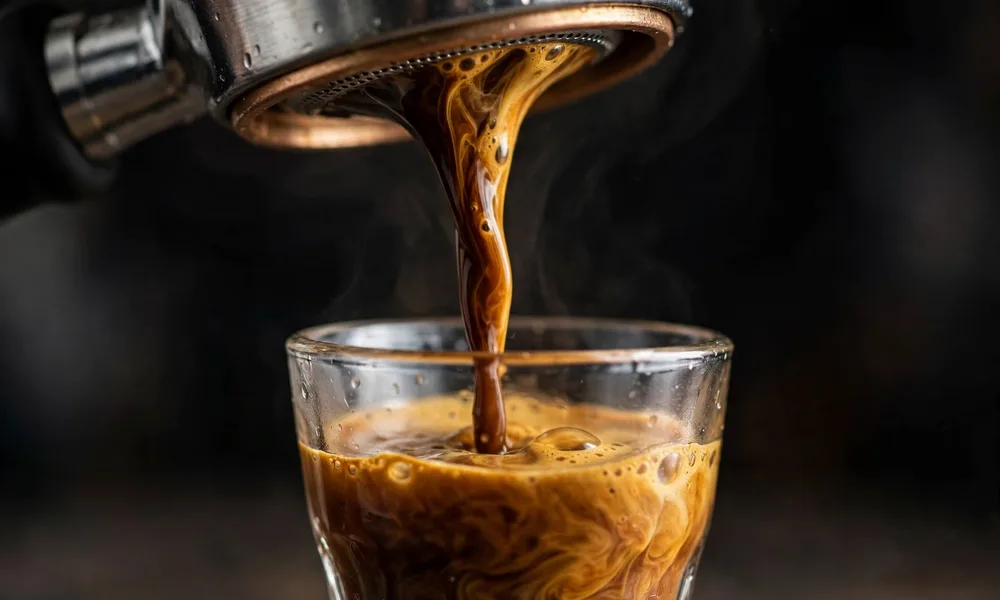
The Breville Bambino is the fastest route to cafe-quality espresso under $300. Its ThermoJet system reaches brewing temperature in about three seconds, and low-pressure pre-infusion gently soaks the puck before full pressure kicks in, reducing channelling and improving sweetness. The result is a consistently balanced shot with thick, reddish-gold crema.
The Bambino is also remarkably compact, and the automatic steam wand produces silky microfoam with very little practice. The trade-off is the price, which sits at the top of this budget, and the fact that you will still want a good grinder. If you already own one, this is the machine to beat.
2. De’Longhi Dedica Maestro Plus
The De’Longhi Dedica Maestro Plus is the slimmest machine on this list, at just 15 cm wide, and the best choice when counter space is tight. It heats up in about 40 seconds, offers three temperature settings so you can tune the brew to light or dark roasts, and comes with a manual steam wand that rewards a little practice with excellent foam.
The 51 mm pressurised portafilter is forgiving of pre-ground coffee but less capable than a standard 58 mm basket once you move to freshly ground beans. It is an ideal first machine for someone who wants real espresso without a learning curve.
3. Gaggia Classic Pro
The Gaggia Classic Pro is the enthusiast’s pick and the only machine here with a traditional boiler and a commercial-standard 58 mm portafilter. It is built like a tank, with a heavy steel body and a three-way solenoid valve that dries the puck and makes cleanup easy. Out of the box it pulls a strong, full-bodied shot, and with a few simple tweaks it can rival machines costing twice as much.
The trade-off is patience: it takes several minutes to heat up, and you brew and steam in sequence rather than at the same time. If you enjoy the craft of espresso and want a machine you can keep for a decade, this is the one to buy.
4. Casabrews CM5418
The Casabrews CM5418 is the value champion of this roundup. It offers a 20-bar pump, a powerful steam wand, a built-in pressure gauge, and a sleek stainless steel body for a price that often sits well under $200. The gauge is genuinely useful, showing at a glance whether your grind is too fine, too coarse, or just right.
Shot quality is strong for the price, with good body and crema, and the steam wand produces respectable microfoam once you learn its rhythm. The lighter build and the flimsy plastic tamper are the compromises. If your budget is tight, the Casabrews is hard to argue with.
5. Gevi 20 Bar
The Gevi 20 Bar is the simplest machine on this list, and that is its strength. It does the basics well: a 20-bar pump, a thermoblock heater, a manual steam wand, and simple one-touch buttons for single and double shots. There is very little to learn, very little to go wrong, and the price leaves room for a grinder and fresh beans.
Espresso from the Gevi is solid rather than spectacular, with good crema and a clean, sweet flavour when paired with fresh beans and a decent grind. If you are new to all of this, reading a guide to espresso machines for beginners will help you get the most from it.

Semi-Automatic vs Automatic Machines Under $300
Most machines under $300 are semi-automatic, meaning you grind, dose, tamp, and start and stop the shot yourself. That gives you control over every variable that affects taste: you can fix a sour shot by grinding finer or a bitter shot by grinding coarser.
Fully automatic machines are rare at this price, and the ones that exist usually cut corners on the grinder or the brew unit. Unless convenience is your absolute priority, a semi-automatic is the better buy. If you mostly drink milk-based drinks, a semi-automatic with an automatic steam wand, like the Bambino, gives you most of the convenience without the compromise in shot quality.
What to Look For When Shopping Under $300
Pump Pressure
Espresso needs about 9 bars of pressure at the puck to extract properly, and most home machines advertise 15 or 20 bars. The advertised number is the pump’s maximum, not what reaches the coffee, so do not chase the biggest number. What matters is that the machine has a real pump and a valve that regulates pressure down to the 9-bar range. Every machine on this list meets that standard.
Heating System
Budget machines use either a thermoblock or a small boiler. A thermoblock heats water on demand and is ready in seconds, but it can struggle to hold a perfectly steady temperature. A boiler takes minutes to heat up but holds temperature more steadily and usually steams more powerfully. The best home espresso machines at higher prices often use larger boilers, but under $300 both systems can make excellent coffee.
Portafilter Size
The portafilter is the handled basket that holds your coffee grounds. A 58 mm portafilter is the commercial standard, with the widest choice of accessories, while 54 mm and 51 mm sizes are common on compact home machines. If you plan to buy precision baskets later, starting with a 58 mm machine like the Gaggia Classic Pro saves you from rebuying accessories.
Grinder: Built-In or Separate
The grinder affects taste more than the machine does, because grind size controls extraction, and a cheap built-in grinder locks you into inconsistent grounds. A separate burr grinder lets you dial in your beans precisely. A good coffee grinder for home espresso is the single best companion purchase for any machine in this guide, and it will improve your coffee more than spending the same money on a fancier machine.
Steam Wand
If you drink lattes, flat whites, or cappuccinos, the steam wand matters as much as the pump. Look for a wand that moves freely and produces dry steam rather than wet, sputtering bursts. A pannarello sleeve is easier for beginners but makes bubbly foam rather than silky microfoam, while a bare metal wand takes a week of practice and then makes far better milk.
Size and Water Tank
Measure your counter before you buy: budget machines range from the slim 15 cm Dedica to the wider Gaggia. Check the water tank size too, since a 1.5 to 2 litre tank means refilling every few days, and check the cup clearance, because a short machine will not fit a tall travel mug.

Checklist: Before You Buy
- Measure your counter space and check the machine’s width, depth, and height, including room for the lid.
- Decide whether you will buy a separate burr grinder, and budget $80 to $150 for a good one.
- Check that the portafilter size matches the tamper and baskets you already own or plan to buy.
- Confirm the warranty length and whether spare parts, such as gaskets and baskets, are easy to order.
- Buy fresh, recently roasted beans and a small digital scale so you can dose consistently.
- Set aside $50 for accessories: a proper tamper, a milk pitcher, a knock box, and a cleaning brush.
Frequently Asked Questions
Can you make real espresso with a machine under $300?
Yes. Real espresso needs 9 bars of pressure, water at 93 to 96 degrees, and freshly ground coffee, and several machines under $300 deliver all three. What you give up at this price is mostly convenience and speed, not the ability to make a proper shot.
Do I need a separate grinder?
You do not strictly need one, since pre-ground coffee works in a pressurised basket, but a grinder is the single biggest upgrade you can make. Pre-ground coffee goes stale within days, while whole beans stay fresh for weeks, and grind size is your main tool for fixing sour or bitter shots.
Is 15 bar or 20 bar better?
Neither number tells you much on its own, because both are pump maximums rather than brewing pressure. A good 15-bar machine with a pressure-regulating valve will brew at the same 9 bars as a good 20-bar machine. Focus on the brand’s reputation, the heating system, and the portafilter size instead.
How long do budget espresso machines last?
A well-built budget machine lasts three to five years with regular use, and a sturdily built one like the Gaggia Classic Pro can last a decade or more with occasional gasket changes. The biggest factor is maintenance: descale every two to three months and wipe the steam wand after every use.
What is the difference between a thermoblock and a boiler?
A thermoblock heats water as it flows through a heated block, so it is ready in seconds but can vary slightly in temperature. A boiler holds a tank of water at a steady temperature, so it is more stable but takes minutes to heat up.
Are pod machines a better choice under $300?
Pod machines are easier and cleaner, but they cost far more per cup, produce weaker coffee with less crema, and lock you into one brand’s pods. A pump machine with fresh beans makes noticeably better coffee for a fraction of the running cost, so pods win on convenience alone.
The Bottom Line
The best espresso machine under $300 in 2026 is the Breville Bambino for most people, thanks to its fast heat-up, excellent steam wand, and consistently sweet shots. If counter space is tight, buy the De’Longhi Dedica Maestro Plus. If you love the craft and want a machine for the long term, buy the Gaggia Classic Pro. And if your budget is tight, the Casabrews CM5418 gives you the most machine for the least money. Whichever you choose, pair it with fresh beans and a good grinder.