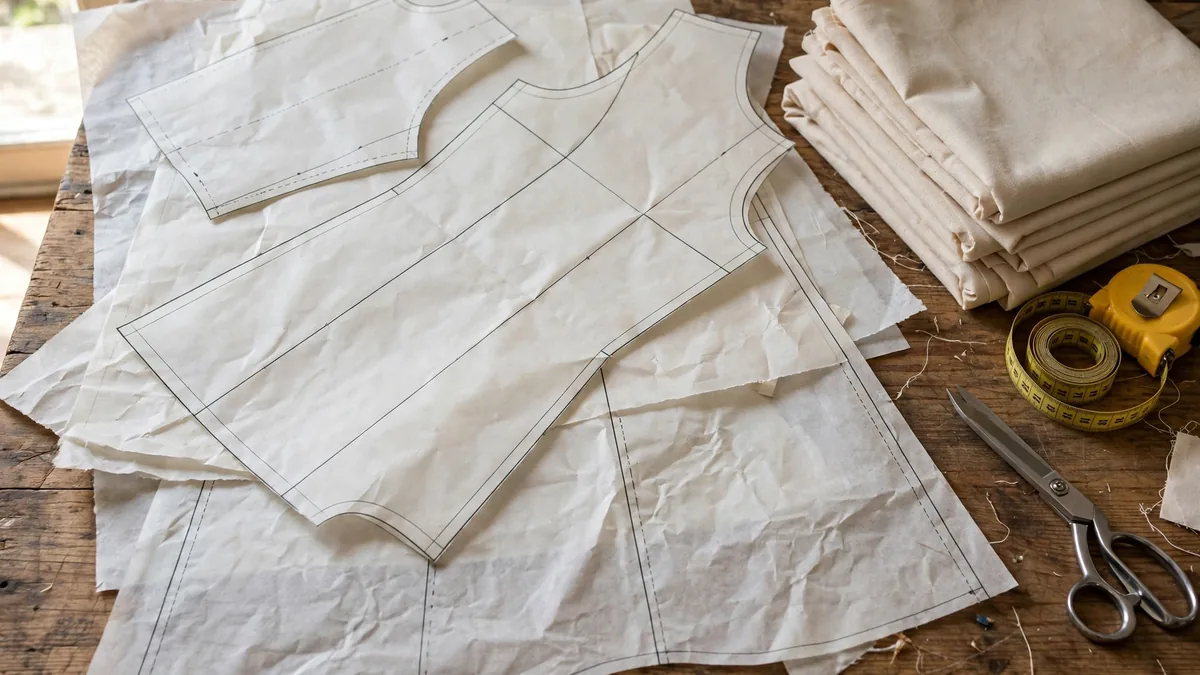
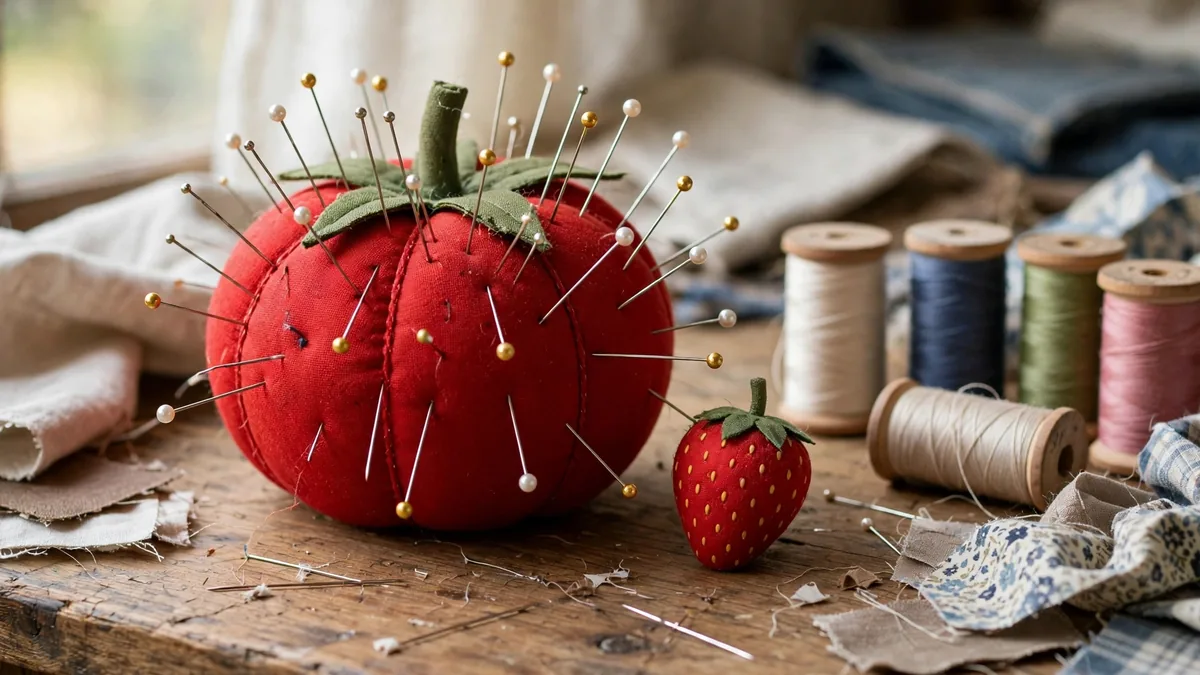
Fabric scissors that cut clean through layers in 2026 are the quiet heroes of the sewing room. A good pair glides through four layers of cotton as if they were one, leaving an edge so smooth it barely frays. A bad pair chews the fabric and leaves a ragged edge that unravels before you have pinned the seam. This guide compares the strongest fabric scissors of 2026 and helps you pick a pair that stays sharp for years.
Choosing fabric scissors is not about buying the longest blades or the dearest brand. It is about matching the scissors to the fabric you cut, because quilting cotton, heavy denim and slippery silk each ask for something different. A dressmaker cutting wool needs long, heavy blades, while a quilter needs short, nimble ones. Get the match right and cutting becomes the easiest part of sewing.
Key Takeaways
- Buy scissors made only for fabric: cloth-ground blades stay sharp far longer, and one cut through paper ruins the edge.
- An eight to nine inch blade is the all-rounder; shorter blades suit applique and ten inch blades suit long straight cuts.
- Serrated edges grip slippery silk and satin, while smooth edges cut cleanest on cotton, linen and wool.
- A bent handle keeps the lower blade flat on the table, which is the single biggest accuracy gain you can buy.
- Left-handed sewers need true left-handed scissors, because the blade order is reversed.
What Fabric Scissors Actually Are
Fabric scissors, also called dressmaker shears or tailor shears, are built for one job: cutting cloth. The blades are longer, thinner and ground to a finer edge than ordinary scissors, the pivot is stronger so the blades meet tightly, and the handles are offset so your knuckles clear the table while the lower blade stays flat on the fabric. When the blade lies flat, the fabric stays flat and the cut follows your line.
A good pair is an investment, not a consumable. The best shears are made from high-carbon or stainless steel, hold an edge through hundreds of metres of fabric, and can be sharpened again and again. A cheap pair feels fine for a week, then starts pushing fabric between the blades instead of cutting it. Buy once, buy well, and keep them for fabric only.
Fabric Scissors vs Rotary Cutters: Shears Are Not a Rolling Blade
The nearest neighbour in the sewing room is the rotary cutter, and the two are easy to confuse because both cut fabric cleanly. A rotary cutter is a handle fitted with a sharp circular blade that rolls as you push it, cutting several layers at once along a ruler. Our guide to rotary cutters that slice fabric clean in 2026 covers that tool in full. Fabric scissors are different: two blades that close in a shearing action, cutting wherever you point them, with no ruler and no mat required.
That freedom is the point: scissors follow curves, cut around pattern notches and snip into corners where a rolling blade cannot go. A rotary cutter wins on long straight strips through many layers, but it needs a flat surface, a ruler and a self-healing mat. Most sewing rooms end up with both. Pair them with one of the cutting mats that protect your table in 2026, which also gives your rotary cutter a safe surface to roll on.

Fabric Scissors vs Kitchen Scissors and Utility Knives
Fabric scissors are also easy to confuse with the other cutting tools in the house, and the confusion costs money. Kitchen scissors are built for food: thick blades, strong pivots and handles shaped for wet hands, with notches for cracking nuts. They are brilliant in the kitchen and terrible on cloth, because thick blades push fabric apart instead of slicing it. A utility knife is different again: a short, straight, replaceable blade for boxes, rope and packaging, built for tough materials.
The rule is simple: fabric scissors cut fabric and nothing else. One snip through paper dulls the edge, and a cut through card can nick it permanently. Keep a cheap pair of household scissors nearby for everything else, and keep your fabric shears in their own case, away from anyone who might borrow them for wrapping paper.
Blade Length: How Long Is Long Enough
Blade length is measured from tip to pivot, and it tells you how much fabric each snip covers. Longer blades mean fewer snips and a smoother edge, but they are heavier and harder to steer around curves. Shorter blades are nimble but slow on long seams.
Eight to Nine Inches: The All-Rounder
Most sewers should start here. An eight or nine inch pair handles dressmaking and quilting with ease, cuts long seams in a handful of smooth strokes, and still turns well enough for gentle curves. If you own one pair, make it this size, and spend what you save on quality rather than length.
Ten Inches and Over: Long Straight Cuts
Ten inch shears suit tailors and anyone cutting long lengths of heavy fabric such as wool coating. The extra length powers through thick layers without tiring the hand and keeps a straight line over a full metre of cloth. They are overkill for small work and clumsy on curves, so treat them as a second pair.
Five to Seven Inches: Small Work and Applique
Short blades suit applique, trimming seam allowances and cutting small pattern pieces. They are light, precise and easy to control, and they fit in a sewing kit or travel bag. Many sewers keep a small pair beside the machine for trimming threads, alongside the big pair on the table.
Serrated vs Smooth Blades
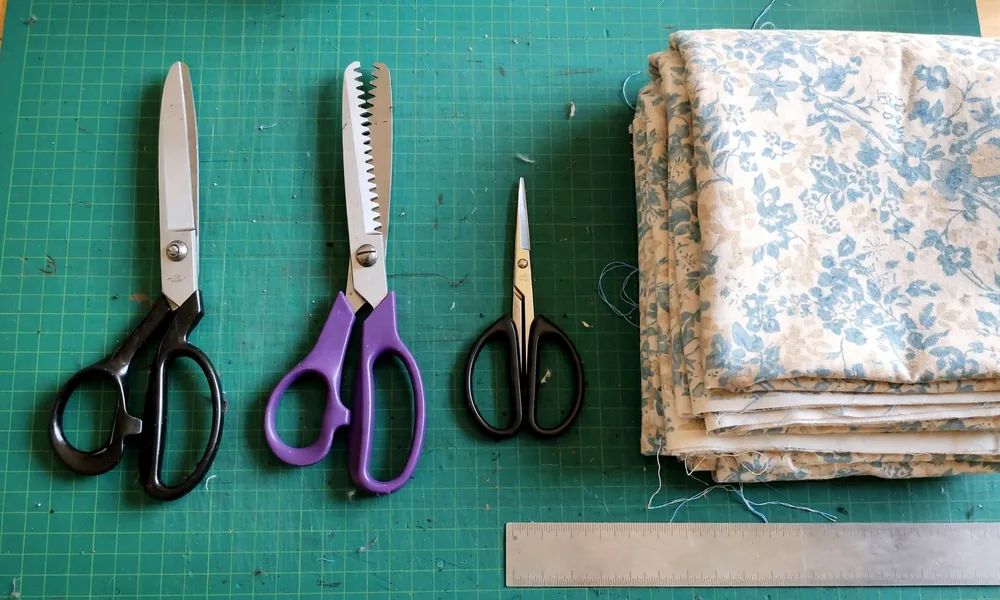
The edge matters as much as the length. Smooth blades are ground to a fine, straight edge and cut cotton, linen, wool and denim with the cleanest finish. They are the default choice for most sewing. Serrated blades, sometimes called micro-serrated, have a fine tooth along one edge that grips the fabric as it cuts.
That grip makes serrated blades worth having for slippery fabrics. Silk, satin, chiffon and rayon slide away from a smooth blade, bunching up and leaving a wavy cut. A serrated edge holds the fabric still while the blade closes, so the cut stays true. The trade-off is that serrated blades are harder to sharpen, so most sewers keep a smooth pair as their main scissors and add a serrated pair for slippery fabrics.

Handles, Comfort and Left-Handed Scissors
Handles decide whether a pair feels good after an hour. The classic dressmaker handle is bent, so the lower blade stays flat on the table while your hand sits above it, and soft-grip handles add a rubberised coating that helps in long sessions. Try before you buy: open and close them a dozen times and feel for stiffness or pinching. A good pair opens smoothly, closes with a soft click at the tip, and balances so the blades feel light.
Left-handed sewers need genuine left-handed scissors, where the blades are reversed so the top blade sits on the left. Holding right-handed scissors in the left hand forces the blades apart as you squeeze, so the fabric folds instead of cutting, and you cannot see the cutting line because the top blade hides it. True left-handed shears fix both problems, and they are worth every penny if you sew left-handed.
The Best Fabric Scissors Compared
| Type | Blade Length | Best For | Edge | Price Range |
|---|---|---|---|---|
| Dressmaker shears | 8–9 inches | General dressmaking and quilting | Smooth | Mid to high |
| Tailor shears | 10–12 inches | Long cuts in heavy wool and coating | Smooth | High |
| Serrated shears | 8 inches | Silk, satin and slippery fabrics | Micro-serrated | Mid |
| Applique scissors | 5–6 inches | Small pieces, curves and trimming | Smooth | Low to mid |
| Left-handed shears | 8 inches | Left-handed sewers, all fabrics | Smooth | Mid |
| Pinking shears | 9 inches | Finishing raw edges to resist fraying | Zigzag | Mid |
Keeping Your Scissors Sharp
Sharp scissors are safe scissors, because a sharp blade cuts where you point it while a blunt blade slips and needs force. The simplest care matters most: cut fabric only, wipe the blades clean after use, and store the scissors closed in a case or sheath. A drop of sewing machine oil on the pivot every few months keeps the action smooth.
When the edge finally dulls, take the scissors to a professional sharpener rather than reaching for a gadget. Fabric shears need their bevel reground at the right angle, and a home sharpener can change that angle or nick the edge. A professional sharpening costs little, returns the scissors to near-new condition, and a good pair can be sharpened many times over a decade. Between sharpenings, test the edge on a single layer of fine cotton: a clean line means the blades are fine, while a chewed line means it is time for the sharpener.
Choosing the Right Pair for Your Sewing
Start with what you sew most. A quilter cutting cotton needs an eight inch pair with a comfortable bent handle and a smooth edge, plus a small pair for trimming. A dressmaker working with silk and wool needs a nine inch pair for general work and a serrated pair for slippery fabrics. A tailor cutting coating needs ten inch shears with a strong pivot. In every case, buy the best steel you can afford.
Budget matters, but the cheapest pair is rarely the cheapest in the long run. A good mid-range pair from a reputable maker, kept for fabric only and sharpened when needed, will outlast three cheap pairs and cut better every day. Fabric scissors also belong in a wider setup: a complete sewing kit that covers every quick fix in 2026 keeps needles, thread, pins and small scissors together for mending, while the big shears stay on the cutting table for the serious work.
Your Fabric Scissors Checklist
- Confirm the scissors are made for fabric only, with blades ground for cloth rather than general purpose.
- Choose eight to nine inches for general sewing, ten for long heavy cuts, five to seven for small work.
- Pick smooth blades for cotton, linen and wool, serrated blades for silk or satin.
- Check the handle is bent so the lower blade stays flat on the table while you cut.
- Buy true left-handed scissors if you sew left-handed.
- Keep a cheap household pair nearby for paper and parcels.
Frequently Asked Questions
Can I use fabric scissors on paper?
No. Paper is abrasive and dulls a fabric edge quickly, and card can nick the blade. Keep fabric scissors for fabric only.
How do I know when my fabric scissors need sharpening?
Cut a single layer of fine cotton. A clean, straight edge means the blades are fine; a chewed or wavy edge means they need professional sharpening.
Are expensive fabric scissors worth it?
Yes, for regular sewers. Good steel holds an edge longer, the pivot stays tight, and the scissors can be sharpened many times.
What is the difference between dressmaker shears and tailor shears?
Dressmaker shears are eight to nine inches for general sewing, while tailor shears are ten inches or longer with heavier blades for thick wool and coating.
Do I need a rotary cutter as well as fabric scissors?
Not always. A rotary cutter is faster for long straight strips, while scissors handle curves, notches and trimming.
How should I store fabric scissors?
Closed, in a case or sheath, in a dry place away from other tools. Never drop them loose in a drawer with pins and needles, which can nick the blades.
The Bottom Line
The best fabric scissors in 2026 match your fabric and your hands: eight to nine inches of good steel, a smooth edge for most cloth or a serrated edge for slippery fabrics, a bent handle that keeps the blade flat, and true left-handed blades if you sew left-handed. Buy one good pair, keep it for fabric only, and it will cut clean through layers for a decade.