The best family SUVs for road trips in 2026 are the ones that make long days on the road feel easy rather than exhausting. A great road trip SUV gives everyone room to stretch out, swallows luggage without a struggle, and keeps the cabin quiet enough for conversation, music, or a nap.
Short journeys forgive a cramped third row, a small boot, and seats that go numb after an hour. A five-hour drive does not. The best family SUVs for road trips combine generous passenger space, flexible cargo room, strong safety equipment, and fuel economy that keeps stops short.
This guide compares the strongest family SUVs for road trips in 2026, with a quick comparison table, reviews of each top pick, packing advice, and a checklist to run through before you leave.
Key Takeaways
- Three rows and a flat-folding second row matter more than a big badge when the whole family is travelling.
- The Kia Telluride and Hyundai Palisade lead on cabin space and value, while the Honda Pilot leads on everyday practicality.
- Hybrid versions of the Toyota Highlander and Ford Explorer cut fuel stops on long highway runs.
- Rear-seat entertainment, USB ports in every row, and a quiet cabin keep long drives peaceful.
- Pack heavy items low, keep snacks and wipes within reach, and check tyres and fluids before every long trip.
What Makes a Great Family Road Trip SUV
A family road trip SUV has a different job from a commuter car. It must carry people, luggage, snacks, and entertainment all at once, without anyone feeling squeezed.
Passenger space comes first. Look for a genuinely usable third row if you regularly travel with six or seven people, and wide second-row seats when two child seats and an adult share the row. Sliding seats let you trade legroom between rows as the trip goes on.
Cargo flexibility is the next test. A road trip SUV should hold four or five suitcases behind the second row, and flat-folding seats and a powered tailgate make loading easier at every stop. Comfort and quiet seal the deal: supportive seats, a hushed cabin, and three-zone climate control end the most common in-car arguments. If you are torn between body styles, our comparison of an SUV vs minivan for family travel breaks down where each one wins.
Best Family SUVs for Road Trips 2026 at a Glance
| SUV | Seats | Cargo Behind Second Row | Best For | Starting Price (approx.) |
|---|---|---|---|---|
| Kia Telluride | 7 or 8 | About 21 cu ft | Space and value | From around $37,000 |
| Hyundai Palisade | 7 or 8 | About 19 cu ft | Quiet cabin | From around $37,000 |
| Honda Pilot | 7 or 8 | About 19 cu ft | Practicality | From around $40,000 |
| Toyota Highlander | 7 or 8 | About 16 cu ft | Hybrid efficiency | From around $40,000 |
| Chevrolet Traverse | 7 or 8 | About 23 cu ft | Maximum cargo room | From around $39,000 |
| Ford Explorer | 6 or 7 | About 19 cu ft | Towing and tech | From around $40,000 |
Prices are approximate 2026 starting figures.
The Best Family SUVs for Road Trips in 2026
Kia Telluride: The Best All-Rounder
The Kia Telluride remains the benchmark family SUV for road trips. The cabin feels a class above its price, with comfortable seats in all three rows and generous legroom, and adults fit in the third row without folding themselves in half. On the road, the Telluride is calm and composed, with a smooth V6, a quiet cabin, and standard highway driving assist.
Hyundai Palisade: The Quietest Cabin
The Hyundai Palisade shares much of its engineering with the Telluride but wraps it in a quieter, slightly more luxurious package. Acoustic glass and extra sound insulation make long motorway stretches feel shorter. Inside, it offers the same generous three-row space, with available second-row captain’s chairs that make it easy for children to reach the third row. The infotainment system is simple to use, with USB ports in every row.
Honda Pilot: The Most Practical
The Honda Pilot is the sensible choice that never feels boring once you live with it. Its boxy shape pays off in headroom and cargo space, and the cabin is full of clever touches, from a large centre console bin to storage trays for phones and snacks. The second row slides and reclines generously, and the third row is usable for adults on shorter legs. Driving the Pilot is easy and reassuring, with a refined V6 and excellent visibility.
Toyota Highlander: The Efficient Hybrid
The Toyota Highlander is the pick for families who want to spend less time and money at fuel stations. Its hybrid powertrain delivers strong real-world fuel economy and stretches each tank further than most three-row rivals, which means fewer stops. The cabin is comfortable and well built, with supportive seats and a calm, quiet ride. If fuel economy is your priority, our round-up of the best hybrid cars for families has more efficient options worth comparing.
Chevrolet Traverse: The Cargo King
The Chevrolet Traverse is the largest SUV in this group, and it uses every inch. It offers the most cargo space behind the second row here, at around 23 cubic feet, and the biggest maximum load area with the rear seats folded. If your family travels with a pushchair, a dog crate, sports equipment, and a week of luggage, the Traverse is the easiest fit. It also has one of the roomiest third rows in the class, with enough legroom for adults on longer journeys.
Ford Explorer: The Best for Towing and Tech
The Ford Explorer suits families whose road trips include a trailer, a boat, or a caravan. With a maximum towing capacity of around 5,000 pounds when properly equipped, it out-pulls most rivals in this group. The available hybrid version adds efficiency without giving up that towing ability. Inside, the Explorer offers a clean, modern cabin with a large touchscreen. Ford’s Co-Pilot360 safety suite is standard, and the available BlueCruise hands-free highway driving system takes much of the strain out of long motorway stretches.
Comfort That Keeps Everyone Happy
Comfort decides whether a road trip is remembered fondly or not at all. Look for front seats with adjustable lumbar support and second-row seats that recline, so passengers can find a comfortable position as the hours pass. Ventilated front seats are worth having in warm weather, and heated seats are a blessing on cold morning starts.
Entertainment and connectivity keep the peace in the back. Rear-seat screens, or simply tablet mounts and charging ports, let children watch films without draining a device by lunchtime. Wireless smartphone integration means the driver can run navigation and music without cables trailing across the cabin.
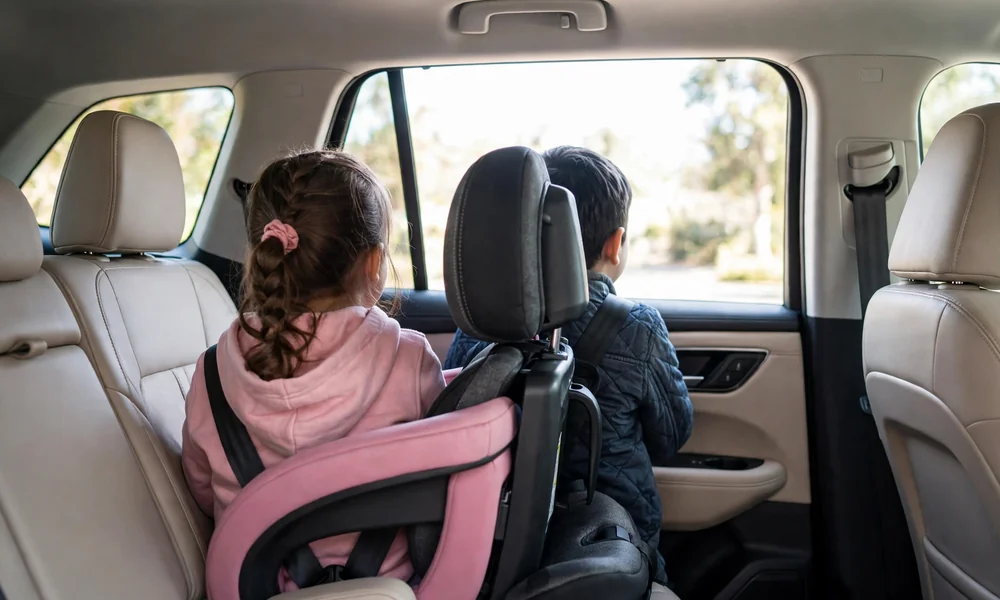
Three-zone climate control lets each row set its own temperature, ending the most common in-car argument. Before you buy, sit in every row on a test drive and check the air vents actually reach the third row.
Cargo Space and Smart Packing
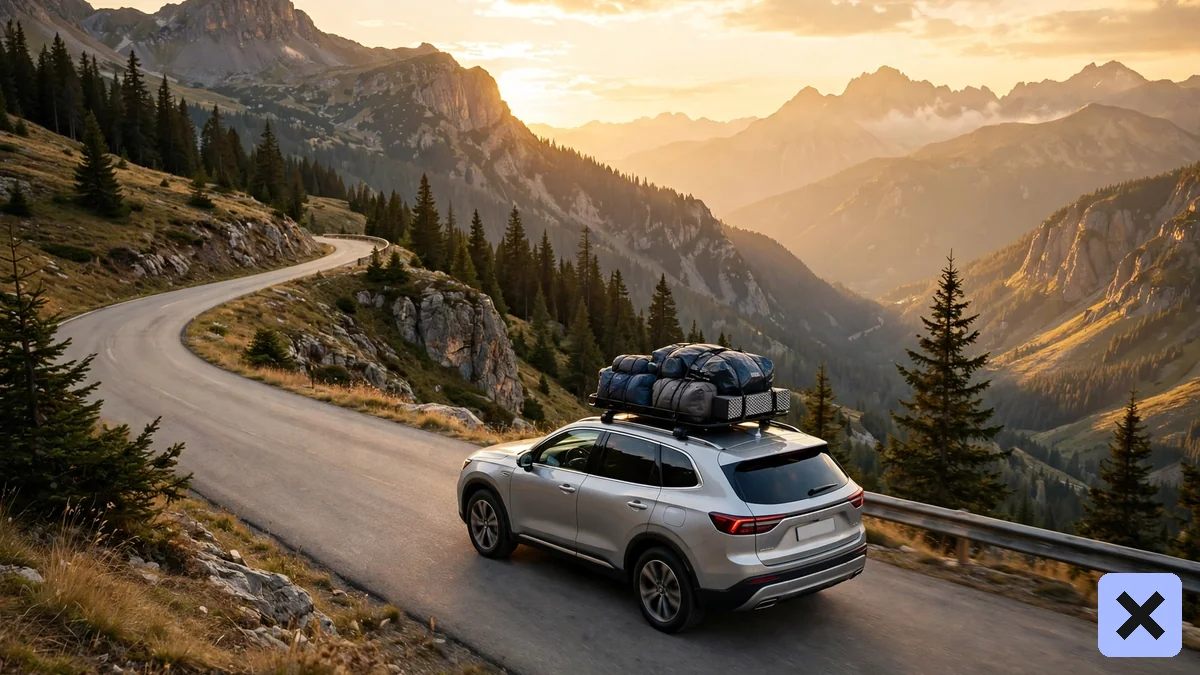
Packing a family SUV well is a skill, and the best road trip SUVs make it easy. Soft bags pack better than hard suitcases because they mould into corners. Pack the heaviest items low and towards the front of the cargo area, which keeps the vehicle stable and leaves lighter items on top.
Use the space under the cargo floor for a tyre inflator, a first aid kit, and a torch. Keep a small bag of essentials within reach of the cabin: snacks, water, wipes, a change of clothes for younger children, and chargers. A roof box is worth the investment if you travel with bulky gear, because it frees the boot for luggage and keeps the cabin clear.

Finally, pack for the return journey too. Leave space for souvenirs and laundry, and use a cargo net to stop bags sliding around on winding roads.
Fuel Economy, Range, and Refuelling Stops
Fuel economy matters more on a road trip than in daily driving because the miles add up fast. A difference of five miles per gallon across a 1,000-mile trip can mean an extra fuel stop. Hybrid SUVs such as the Highlander and the Explorer Hybrid shine here, using less fuel in traffic and on mixed routes.
Range is just as important as economy. A larger fuel tank means fewer stops and a faster, calmer journey, so check tank size as well as official fuel economy figures. If you are considering going fully electric, our guide to the best electric cars for families covers the models that handle long journeys best.

Plan your stops rather than leaving them to chance. Fill up before you leave, and refuel at a quarter tank rather than waiting for the warning light, especially where stations are sparse. A short break every two hours keeps the driver alert.
Safety Features Worth Having
Every SUV in this guide comes with strong standard safety features, but a few deserve special attention for road trips. Adaptive cruise control with lane centring is the most valuable feature on a long motorway drive, because it reduces the small corrections that cause fatigue. Blind spot monitoring is essential in a large SUV, and automatic emergency braking and a 360-degree camera help in car parks and at busy junctions.
Road Trip Checklist: 6 Things to Do Before You Leave
- Check tyres and pressures: Inspect tread and set pressures to the loaded-vehicle figure in the door jamb.
- Top up fluids: Check engine oil, coolant, windscreen washer fluid, and brake fluid, and look for leaks under the car.
- Test the lights and wipers: Make sure every light works and the wiper blades clear the screen cleanly.
- Charge every device: Charge phones, tablets, and headphones overnight, and pack a car charger and spare cables.
- Pack an emergency kit: Include a first aid kit, torch, jump leads, reflective triangles, water, and blankets.
- Plan the route: Download offline maps, note fuel stops, and share your expected arrival time with someone at home.
Frequently Asked Questions
What is the best family SUV for road trips in 2026?
The Kia Telluride is the best all-rounder for most families, thanks to its spacious cabin, quiet ride, generous cargo space, and strong value. The Hyundai Palisade is the quietest choice, the Traverse has the most cargo room, and the Highlander is the most efficient hybrid.
Is an SUV or a minivan better for a family road trip?
Minivans offer more sliding-door convenience and flexible interiors, while SUVs offer higher driving positions, all-wheel drive, and better towing. For families who value ground clearance and a commanding view, an SUV is the better pick.
How much cargo space do I need for a family road trip?
For a family of four on a week-long trip, look for at least 16 to 20 cubic feet behind the second row. A family of five or six, or one with bulky gear, should aim for 20 cubic feet or more, or use a roof box.
Are hybrid SUVs good for long road trips?
Yes. Hybrid SUVs are excellent for road trips because they use less fuel in mixed driving and need no special planning for refuelling. The Toyota Highlander Hybrid and Ford Explorer Hybrid combine efficiency with three-row space.
How often should I stop on a long family road trip?
Plan a break every two hours or 100 to 120 miles, whichever comes first. Short stops for fuel, food, and stretching keep the driver alert and prevent children from becoming restless.
What safety features matter most in a family road trip SUV?
Adaptive cruise control with lane centring, blind spot monitoring, automatic emergency braking, and a 360-degree camera are the most useful features on long journeys.
The Bottom Line
The best family SUVs for road trips in 2026 make long journeys comfortable, safe, and enjoyable. The Kia Telluride is our top pick for most families, with the Palisade close behind for quiet comfort, the Traverse for maximum cargo room, and the Highlander for fuel economy. Choose the one that fits your family, your luggage, and your budget, pack it well, and the road itself becomes part of the holiday.