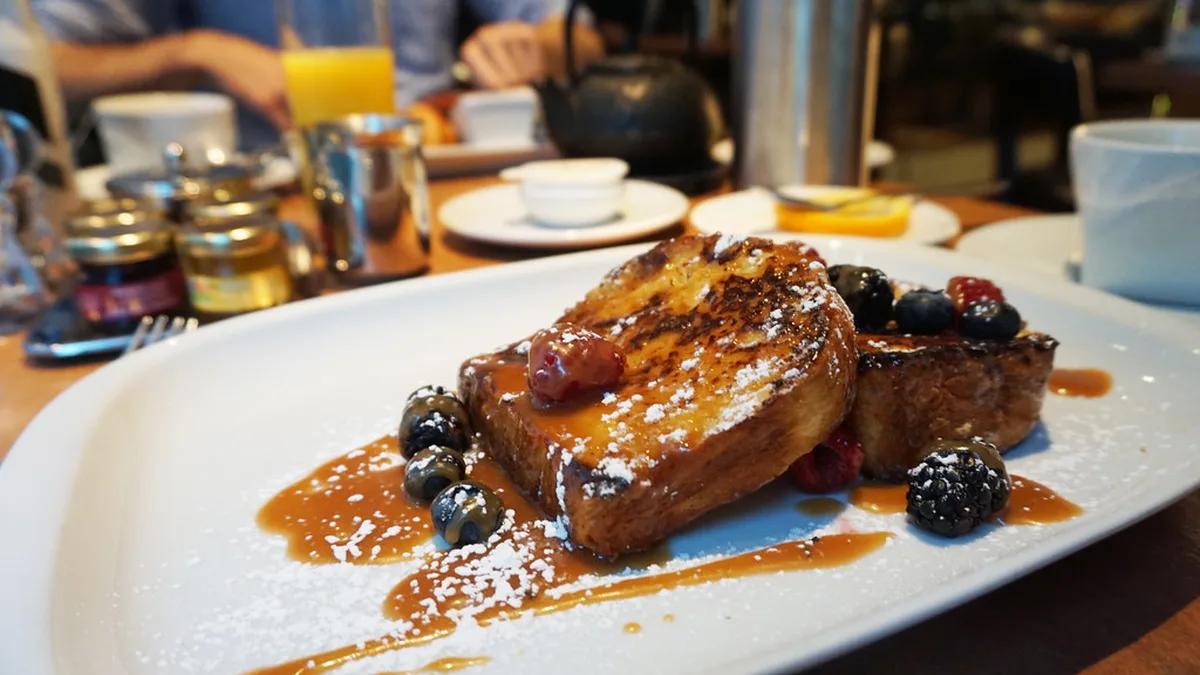
French toast is the rare breakfast dish that asks almost nothing of you and still manages to feel like a small celebration. A few slices of bread, eggs, milk, a hot pan, and a little patience are all it takes, yet the difference between a soggy, pale slice and a golden, custardy one is enormous. The best French toast in 2026 is not about fancy ingredients or cafe tricks. It is about choosing the right bread, mixing a custard that soaks in without drowning the slice, and cooking it slowly enough for the outside to crisp while the middle stays soft. Get those three things right and the dish takes care of itself, whether you are cooking for one on a quiet morning or feeding a full table on a weekend.
Key Takeaways
- Thick, day-old bread makes the best French toast because it soaks up custard without falling apart.
- Soak each slice for about twenty to thirty seconds per side; longer soaks turn the middle soggy.
- Medium heat and butter give a golden crust; high heat burns the outside before the middle cooks.
- A pinch of salt and a little vanilla matter more than extra sugar in the custard.
- Serve French toast straight from the pan, because it loses its crisp edge within minutes.
What Makes Great French Toast
Great French toast is a study in contrast. The outside should be golden and lightly crisp, with the faint crunch of caramelised egg, while the inside stays soft, warm, and custardy, almost like bread pudding. When both textures are present in the same bite, the dish works. When one is missing, it falls flat: too dry and it is just fried bread, too wet and it is a soggy mess that collapses under syrup.
The Bread Question
Bread is the single most important choice you will make, and it is the one most people rush past. The ideal slice is thick, sturdy, and slightly stale, because bread that has dried out a little absorbs custard evenly instead of disintegrating in it. Fresh, soft sandwich bread is the worst starting point: it tears, soaks through in seconds, and turns to mush in the pan.
Brioche and Challah Lead the Pack
Brioche and challah are the classic choices for a reason. Both are enriched breads, made with eggs and butter, so they bring richness of their own to the dish. They slice thick, hold their shape in custard, and develop a deep golden crust in the pan. Brioche is slightly sweeter and more tender, while challah is a little firmer and chewier, which some cooks prefer because it stands up better to a longer soak. Either one will give you a noticeably better result than ordinary sandwich bread, and both are worth seeking out for a weekend breakfast.
Day-Old Bread Works Better Than Fresh
If you only have ordinary bread, leave the slices out overnight or dry them lightly in a low oven for a few minutes. Day-old bread has lost enough moisture to drink up the custard without collapsing, and it fries to a firmer, crisper finish. This is also the most practical way to use up a loaf that is past its best: French toast was invented, in one form or another, as a way to rescue stale bread, and it still does that job better than almost any other dish.
The Custard: Simple Beats Clever
The custard is just eggs, milk, and seasoning, and it should stay that way. Two large eggs to about half a cup of milk is a reliable ratio for four thick slices, giving a custard rich enough to set properly without tasting eggy. Whole milk gives the best result; skimmed milk makes a thinner, paler custard, while cream makes it very rich and can leave the middle greasy if you overdo it. A splash of cream in place of some of the milk is fine, but all cream is too much.
Seasoning is where most home cooks underdo it. A pinch of salt is essential, because it sharpens the egg and vanilla flavours and stops the dish tasting flat. A teaspoon of vanilla extract adds warmth, and half a teaspoon of cinnamon gives the classic aroma without dominating. A teaspoon of sugar is plenty; more than that risks burning in the pan. Some cooks add a pinch of nutmeg, which is lovely in small amounts, and a little orange zest can lift the whole dish on a spring morning.
Whisk the custard in a shallow dish wide enough to lay a slice flat. Beat it until the yolks and whites are fully combined, with no streaks of white remaining, because unmixed white cooks into rubbery patches on the bread. Dip each slice and let it soak for twenty to thirty seconds per side, turning once. The slice should feel heavy and saturated but still hold its shape when you lift it. If it flops or drips excessively, it has soaked too long.
Cooking It Right
Heat is the part people get wrong most often. A pan that is too hot browns the egg coating in seconds while the middle stays raw and wet; a pan that is too cool lets the custard seep out and leaves the slice pale and greasy. Medium heat is the answer, with a generous knob of butter melted and foaming before the first slice goes in. Butter gives French toast its flavour and its golden colour, and it is worth using real butter rather than oil. A little neutral oil mixed with the butter helps stop the butter burning if you are cooking several batches, but the butter should still do most of the work.
Cook each slice for two to three minutes per side, without pressing it down or moving it around. Pressing squeezes custard out and makes the slice dense; leaving it alone lets a proper crust form. The first side is your guide: when it is evenly golden and releases easily from the pan, it is ready to flip. If it sticks, it is not ready yet. Keep the finished slices warm in a low oven on a wire rack, not piled on a plate, so the steam can escape and the crust stays crisp.
A good griddle makes batch cooking much easier, because it holds a steady temperature across a wide surface and lets you cook four or six slices at once without crowding the pan. Crowding is a real problem: too many slices at once drops the pan temperature and steams the bread instead of frying it. Whether you use a griddle or a skillet, give each slice room.

French Toast Styles Compared
There is no single correct way to make French toast, and the style you choose should match the morning you are having. A quick weekday version can be simple and fast, while a slow weekend version can afford richer bread and better toppings. The table below compares the main styles side by side, so you can pick the one that fits.
| Style | Bread | Best For | Flavour | Effort |
|---|---|---|---|---|
| Classic sweet | Brioche or challah | Weekend breakfast | Rich, vanilla, golden | Medium |
| Quick weekday | Thick sandwich bread | Busy mornings | Simple, eggy, light | Low |
| Stuffed | Thick brioche, split | Special occasions | Sweet, creamy, indulgent | High |
| Savoury | Sourdough | Brunch with eggs | Salty, herby, hearty | Medium |
| Baked tray | Day-old loaf, cubed | Feeding a crowd | Custardy, soft, even | Low |
| Overnight | Challah, soaked overnight | Slow mornings | Deep, custardy, rich | Low in morning |
Sweet or Savoury? Both Earn Their Place
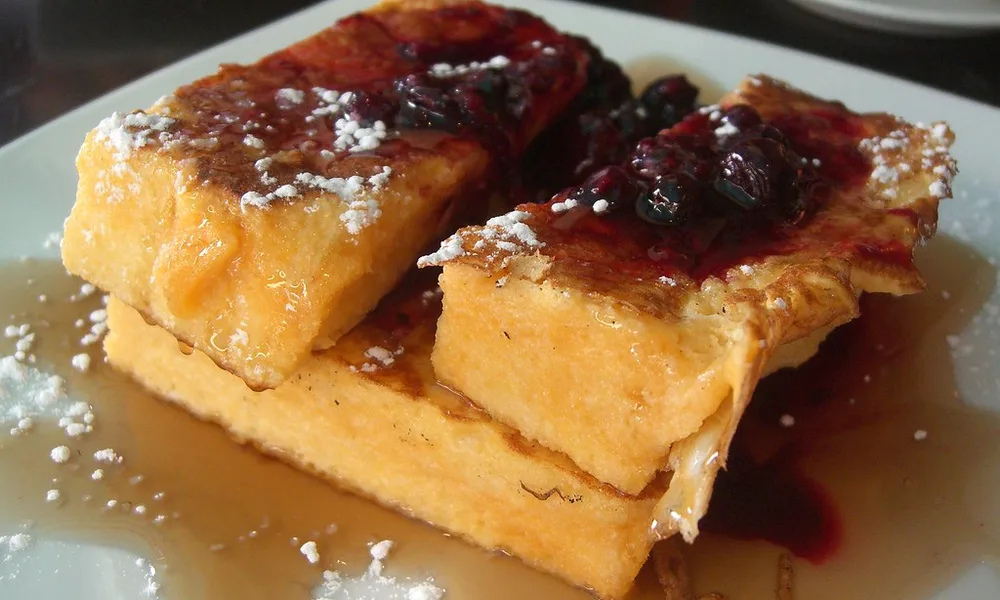
The sweet version is the one most people picture, and it is hard to beat when the toppings are good. Real maple syrup, fresh berries, and a knob of butter are the classic trio, and they work because each one does a different job: syrup adds sweetness and warmth, berries add freshness and acidity, butter adds richness. Powdered sugar is optional and mostly decorative, and whipped cream is best kept light, because a heavy topping can bury the toast itself.
Whatever direction you take, the topping should support the toast rather than hide it. A slice drowned in syrup is a syrup delivery system, not French toast. Add toppings in modest amounts, taste as you go, and remember that the toast itself is the point. The right maple syrup makes a real difference here: thin, artificial syrup soaks in and turns the slice soggy, while real maple syrup sits on top, glossy and warm, and lets the crisp crust survive the first few bites.
Toppings That Earn Their Place
Mistakes That Ruin French Toast
The most common mistake is soaking the bread too long. It feels careful and generous, but it is the fastest route to a slice that falls apart in the pan and never crisps. Twenty to thirty seconds per side is enough for thick bread; thin bread needs even less. If you are unsure, under-soak rather than over-soak: a slightly dry middle is far better than a collapsed one.
Your French Toast Checklist
- Choose thick, day-old brioche, challah, or sturdy bread, sliced about two centimetres thick.
- Whisk eggs, milk, salt, vanilla, and cinnamon until fully combined, with no streaks of white.
- Soak each slice for twenty to thirty seconds per side, no longer.
- Cook on medium heat in real butter, two to three minutes per side, without pressing down.
- Hold finished slices on a wire rack in a low oven, never stacked on a plate.
- Serve immediately with modest toppings, and let the toast itself be the star.
Frequently Asked Questions
Can I make French toast with regular sandwich bread?
You can, but it is the hardest bread to work with. Use the thickest slices you can find, keep the soak very short, and dry the bread lightly in a low oven first. Even then, expect a softer result than you would get from brioche or challah.
How do I stop French toast going soggy in the middle?
Use day-old, thick bread, soak briefly, and cook on medium heat long enough for the middle to set. A soggy middle usually means the bread soaked too long or the pan was too hot, so the outside browned before the inside cooked through.
Can I make French toast ahead of time?
It is best fresh, but you can cook it ahead and reheat it in a hot oven for a few minutes, which restores some crispness. Avoid the microwave, which makes it rubbery. The custard can be mixed the night before and kept in the fridge.
What is the best pan for French toast?
A heavy skillet or cast-iron pan holds heat evenly and gives the best crust. A non-stick pan works and needs less butter, but it browns less deeply. A griddle is ideal when cooking for several people at once.
Is French toast better with milk or cream?
Whole milk is the best all-round choice, giving a custard that sets cleanly and tastes balanced. A little cream adds richness, but all cream makes the middle heavy and greasy. Stick mostly to milk, with cream as a small addition if you like.
Can French toast be frozen?
Yes. Cool the cooked slices completely, freeze them flat in a single layer, then store them in a bag. Reheat from frozen in a hot oven or toaster, which brings back much of the crispness, and serve with fresh toppings.
The Bottom Line
The best French toast in 2026 is not a complicated dish, and that is exactly its charm. Thick, slightly stale bread, a simple seasoned custard, a short soak, medium heat, and real butter will beat almost any elaborate recipe. A home-baked loaf makes it even better, because a thick slice of your own bread, dried overnight, is the ideal starting point. Master the basics, serve it hot and crisp, and French toast will earn its place at your table every weekend.