Frozen asparagus has a reputation problem, and most of it is undeserved. The spears in a good bag were cut at their peak, blanched briefly, and frozen within hours, locking in the bright green colour and grassy, slightly sweet flavour that makes asparagus worth buying. The bad bags are the ones people remember: limp, grey-green spears that taste of the freezer. The difference is rarely the brand. It is the cut, the thickness, and the cooking.
Fresh asparagus is a short-season luxury, and outside of spring it is often flown in, woody at the base, and tired by the time it reaches the shelf. A bag of frozen asparagus costs a fraction of the fresh price, needs no trimming, and is ready in minutes. This guide covers how to pick the best frozen asparagus in 2026: the cuts, the thickness, the bag, and the cooking methods that make frozen spears taste like they were cut yesterday.
Key Takeaways
- Buy whole spears when you want asparagus to star, tips for delicate dishes, and cuts only for soups, pasta, and stir-fries.
- Medium spears, about as thick as a pencil, cook the most evenly; very thin spears turn limp fast, and very thick ones stay woody in the middle.
- Choose loose, free-flowing bags with bright green spears and no ice clumps, and check that the ingredient list says one thing: asparagus.
- Cook frozen asparagus straight from the freezer, fast and hot, with as little water as possible; roasting and grilling beat boiling every time.
- Plain bags beat sauced or buttered ones on price, salt, and flavour, because you can season the spears yourself in seconds.
Why Frozen Asparagus Can Taste Like Fresh
Asparagus is one of the better vegetables for freezing, because its flavour is delicate but its structure is firm. The spears are blanched briefly before freezing, which stops the enzymes that would turn them dull and grey, and that is why a good frozen spear is still bright green months later, while a fresh spear left in the fridge for a week goes limp. Freezing is not the enemy of asparagus; time and bad cooking are.
The other advantage is consistency. Fresh asparagus varies by season and grower, while frozen spears are trimmed before packing, so every spear in the bag is usable and the quality barely changes from month to month.
Spears, Tips, or Cuts: What to Buy
Whole spears are the best frozen asparagus for most people, because they are the most versatile cut in the bag. A whole spear roasts, grills, and pan-fries beautifully, and it can be cut down afterwards if a recipe calls for pieces. When a bag says spears, they should be mostly whole, with tight, closed tips; a bag full of broken pieces is a lower-grade pack whatever the label claims.
Tips are the tender top few inches of the spear, and the best frozen asparagus for dishes where delicacy matters: folded through risotto, scattered over pasta, or served as a starter with a soft egg. They cook in two or three minutes and have the sweetest bite of any cut. The trade-off is price, and they are easy to overcook.
Cuts, sometimes labelled pieces, are the budget option, and the best frozen asparagus for cooking where shape does not matter. Stirred into soup, folded into a frittata, or tossed through a stir-fry, cuts taste exactly like spears and cost noticeably less. They are a poor choice as a side dish on their own.
Thickness Is the Real Quality Test
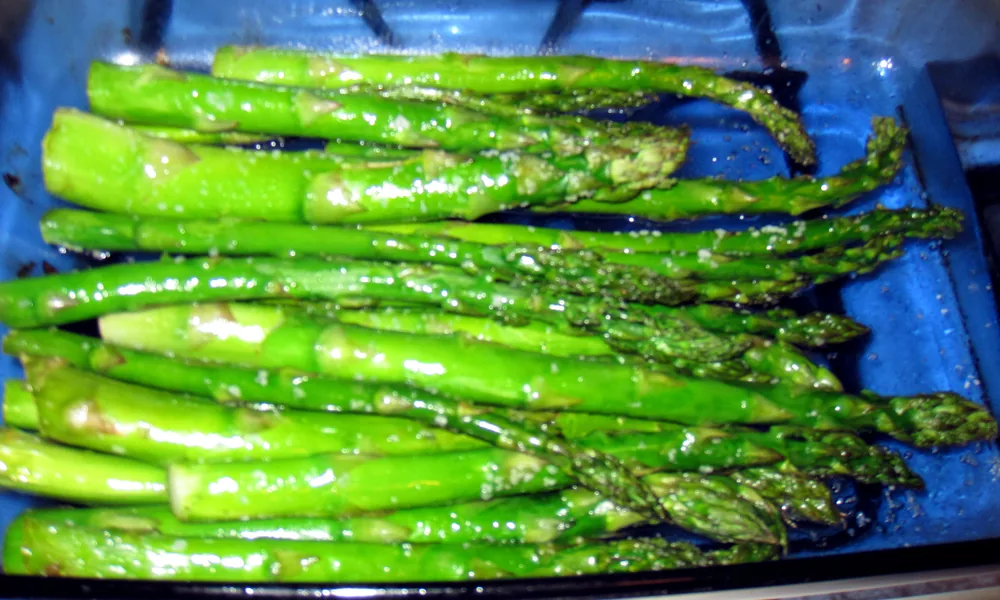
The thickness of the spear decides how frozen asparagus cooks, and it matters more than the brand. Medium spears, roughly as thick as a pencil, are the safest buy: sturdy enough to survive roasting, thin enough to cook through in minutes, and tender to the centre. Thin spears turn limp fast, and thick spears often cook unevenly from the freezer, with a soft outside and a woody core.
Whatever thickness you buy, look for uniformity. A bag where every spear is roughly the same thickness cooks evenly, and that is the whole game with frozen vegetables.
How to Read the Bag in Ten Seconds
Reading a bag of frozen asparagus takes ten seconds and saves you from the worst bags. First, squeeze the bag gently. The spears should feel loose and separate, like pencils in a pouch; if the bag feels like a solid block, it has thawed and refrozen, and the spears will cook up soft and grey. Second, look at the colour: bright, even green, with tips that are closed and a shade darker.
Third, check for ice. A little frost outside is normal, but large clumps inside mean the bag has been opened or has gone through temperature swings. Fourth, read the ingredient list, which should say one thing: asparagus. If it lists salt, sugar, butter, or a sauce, you are paying extra for flavouring you could add yourself. Our guide to the best frozen vegetables for quick, healthy meals explains the same routine for the whole freezer aisle, and the same test is the backbone of our round-up of the best frozen green beans for quick, easy sides.
The Best Frozen Asparagus of 2026
The strongest frozen asparagus of 2026 falls into four clear groups, and the right one depends on how you plan to cook it. There is no single bag that is best for everything, but there is a best bag for every job.
Best overall: whole medium spears. A bag of whole medium spears is the best frozen asparagus for most households: thick enough to roast and grill, tender enough to eat whole, and uniform enough to cook evenly. Keep this bag as your default for side dishes and roasting.
Best for delicate dishes: tips. Frozen asparagus tips are the best choice for pasta, risotto, and starters, where their sweetness and tenderness shine. They cook in two or three minutes, so watch them closely.
Best budget buy: cuts. Frozen asparagus cuts are the best value in the freezer aisle for soups, frittatas, and stir-fries. They taste like spears, they cost less, and their shape does not matter once folded into a dish. Our guide to frozen broccoli worth stocking makes the same point about buying the cheaper cut for cooking.
Best for grilling: thick spears. Thick frozen spears are the best asparagus for the grill, because their width keeps them from falling through the grates. Oil them lightly, grill for three or four minutes a side, and finish with lemon and shaved parmesan.
| Cut | Best for | Cook time | Best method | Value |
|---|---|---|---|---|
| Whole spears | Everyday sides | 5 minutes | Roast or grill | Good |
| Tips | Pasta and risotto | 3 minutes | Pan-fry or steam | Premium |
| Cuts | Soups and stir-fries | 4 minutes | Stir in | Excellent |
| Thick spears | Grilling | 7 minutes | Grill from frozen | Good |
How to Cook Frozen Asparagus So It Tastes Fresh
Cooking frozen asparagus well is mostly about not overcooking it. The spears are already blanched before freezing, so your job is to finish them, not cook them from scratch. Cook them fast, cook them hot, and use as little water as possible.
Roasting is the best method for whole spears. Spread them in a single layer on a baking tray, toss with a little oil and salt, and roast at 220 degrees for five to seven minutes, until the tips are just starting to crisp. Do not crowd the tray, or the spears will steam instead of roast.
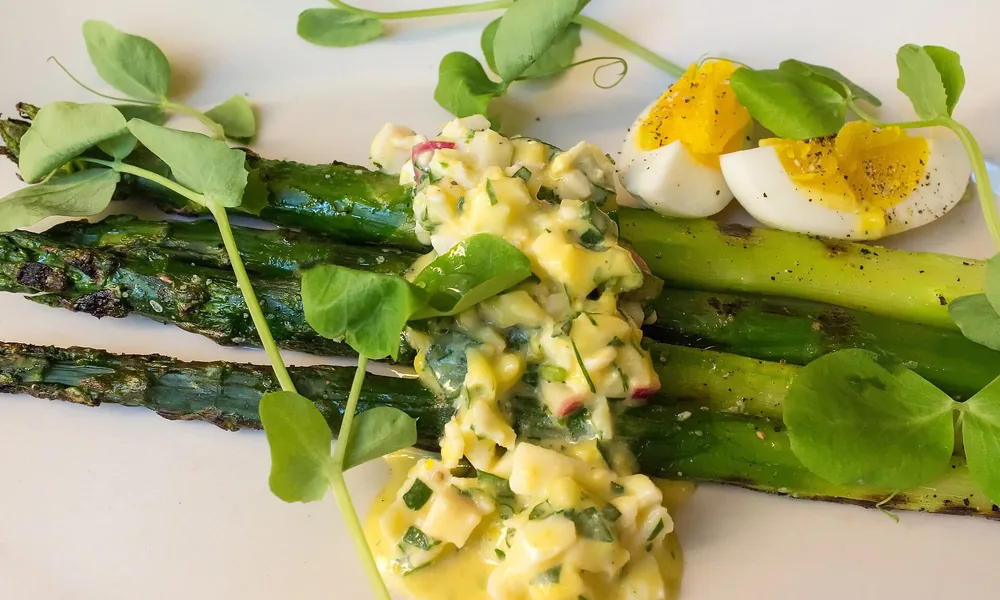
Grilling is the best method for thick spears, and the one that makes frozen asparagus taste most like fresh. Oil the spears lightly, lay them across the grates, and grill for three or four minutes a side. The char adds a smoky note frozen vegetables rarely have, and a squeeze of lemon at the end wakes up the flavour freezing dulls.
Pan-frying is the fastest method, and the best one for tips and cuts. A hot pan, a little butter or oil, and three minutes is enough, and a clove of garlic in the last minute turns a plain side into something worth serving to guests. Never boil frozen asparagus: boiling drowns the flavour and turns the spears to mush. Season after cooking, because salt draws water out and makes them soft.
Best vs Worst: What Separates Good Bags From Bad Ones
The difference between the best and the worst frozen asparagus shows up the moment you open the bag. Good spears are loose, bright green, and mostly whole, with tight tips and a fresh, grassy smell. Bad spears are a solid frozen block, coated in frost, with dull colours and broken pieces, and no amount of careful cooking will save them.
The other difference is what has been added. The best bags contain one ingredient, asparagus, while the worst contain salt, sugar, butter, or a sauce, and cost more for the privilege. A plain bag gives you control over the seasoning, and the asparagus tastes like asparagus instead of like a ready meal.

Storage, Value, and Serving
Store frozen asparagus sealed, flat, and cold. Squeeze the air out before you seal it, and lay it flat so you can break off what you need. A bag left open will develop freezer burn within weeks.
On value, frozen asparagus is one of the best buys in the freezer aisle, because fresh asparagus is expensive and seasonal while frozen spears cost the same all year. Serve roasted spears with a soft egg and good bread, grill thick spears alongside steak or fish, or fold tips through pasta with lemon and parmesan.
Checklist: Buying Frozen Asparagus
- Squeeze the bag. The spears should feel loose and free-flowing, never a solid block.
- Look for colour. Bright, even green spears with tight, closed tips are the mark of a good bag.
- Check for ice. A little frost is fine, but large clumps mean the bag has thawed and refrozen.
- Read the ingredients. One ingredient, asparagus, is the mark of a good bag.
- Match the cut to the meal. Spears for serving, tips for delicate dishes, cuts for cooking.
- Seal the bag, lay it flat, label the date, and use it within three months.
Frequently Asked Questions
Is frozen asparagus as healthy as fresh asparagus?
Usually, yes, and sometimes more so. Asparagus is frozen within hours of picking, which locks in vitamins that fresh spears lose during transport and storage.
Do I need to defrost frozen asparagus before cooking?
No. Cook spears, tips, and cuts straight from frozen, and they will stay firm and bright. Defrosting makes them soggy, and the only exception is when a recipe needs them chopped.
Why does my frozen asparagus always come out limp?
Usually because it was boiled for too long in too much water, or because the bag had thawed and refrozen before you bought it. Cook it fast and hot, and roast, grill, or pan-fry it instead of boiling.
How long does frozen asparagus last in the freezer?
Three months for the best flavour, and up to six months before the quality drops noticeably. It stays safe to eat for longer, but the taste and texture fade, so label the bag with the date you opened it.
Can I refreeze frozen asparagus that has thawed?
No. Once frozen asparagus has thawed, cook it and eat it, or throw it away. Refreezing makes the spears soft, watery, and dull.
Which frozen asparagus is best for grilling?
Thick whole spears, because their width keeps them from falling through the grates. Oil them lightly, grill for three or four minutes a side, and finish with lemon and shaved parmesan.
Bottom Line
The best frozen asparagus in 2026 is whole medium spears in a plain, loose, free-flowing bag, bought for the cut and the thickness rather than the brand, and cooked fast and hot straight from the freezer. Roast them, grill them, or pan-fry them, season them simply, and they cook like fresh.