
Frozen Peas Worth Stocking in 2026
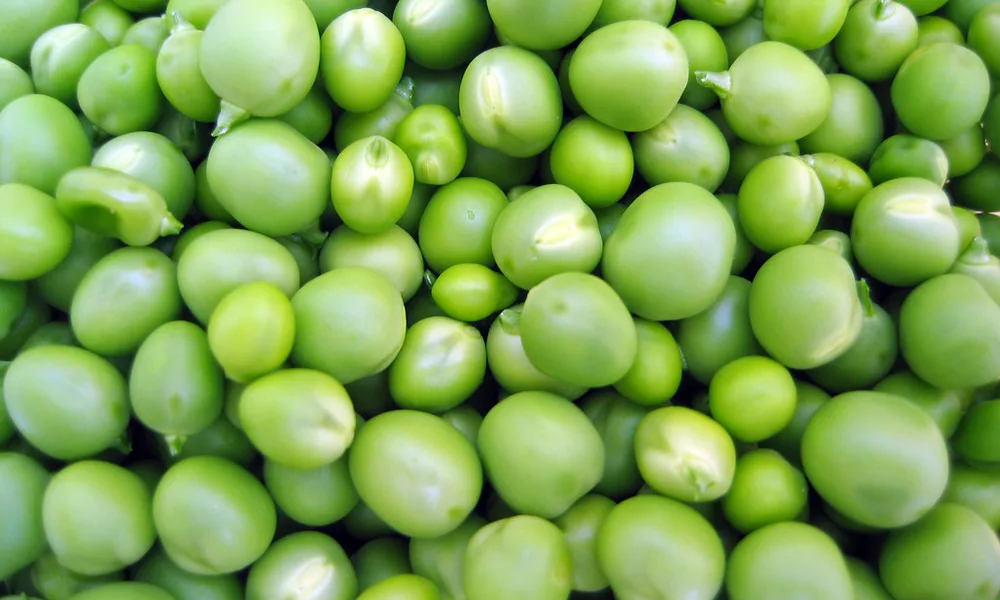
Frozen peas are the most useful bag in the freezer aisle, and the easiest to buy badly. A good bag opens onto loose, bright green pearls that cook in two minutes and taste sweet. A bad bag is a solid icy block of dull peas that turn grey and mealy however gently you cook them. The difference is rarely the brand on the front. It is the kind of pea inside, how it was frozen, and the two minutes you spend cooking it. This guide explains garden peas versus petit pois, what makes one bag sweeter than another, and how to cook them so they stay bright, firm and sweet.
Key Takeaways
- Garden peas are the best all-round frozen pea: sweet, firm and cheap enough to use every day.
- Petit pois are smaller, sweeter and more delicate, and worth the extra money when the peas star in the dish.
- Buy loose, free-flowing bags. Peas frozen in a solid clump have thawed and refrozen, and will cook up soft and grey.
- Cook frozen peas fast and briefly, straight from the freezer. Two minutes is enough.
- Keep the bag sealed and flat, use it within three months, and never refreeze thawed peas.
Why Frozen Peas Earn Their Freezer Space
Fresh peas are at their best for about a week a year; the rest of the time they are unavailable or tired, and their sugars have already started turning to starch by the time they reach the kitchen. Frozen peas skip all of that: picked at their peak, shelled and frozen within hours of harvest, they lock in the sweetness at its highest. That is why a good bag can taste sweeter than fresh peas bought out of season, and why they belong in every freezer alongside the rest of the best frozen vegetables.
They are also the fastest vegetable you can cook: a handful stirred into pasta, tipped into a soup, scattered over rice, or warmed with butter and mint, with no chopping, no washing, no planning. A bag costs little, keeps for months, and wastes nothing.
Garden Peas vs Petit Pois
Garden peas and petit pois are genuinely different peas, not different names for the same thing: they are picked at different ages and behave differently in the pan.
Garden Peas: The Everyday Workhorse
Garden peas are the standard frozen pea: round, bright green, roughly the size of a marble, picked when fully grown but still tender. They are sweet, firm enough to hold their shape, and sturdy enough for pasta, fried rice or a stew. They are also the cheapest frozen pea by a clear margin. If a recipe just says peas, garden peas are what it means.
Petit Pois: The Small, Sweet One
Petit pois are picked young, while they are still tiny, and the difference is real. They are smaller, sweeter and more delicate, with a finer flavour and a tender skin that barely needs cooking. In a dish where the peas are the point, a spring risotto, a light salad, or peas warmed with butter and mint, petit pois taste noticeably better. They cost about half as much again as garden peas, and they are too delicate for long cooking: stirred into a stew for twenty minutes, they go soft and lose the delicacy you paid for. Keep them for the dishes where delicacy matters.
What Makes One Bag Sweeter Than Another
Sweetness in a pea is sugar, and it is a race against time: from the moment a pea is picked, its sugars start converting to starch, and a pea left for a day tastes noticeably less sweet than one frozen within hours. The best producers freeze their peas within hours of picking, and the bag keeps that sweetness for months. The worst bags come from peas picked late or frozen slowly, and no amount of butter will bring the sweetness back.
Size is the simplest clue: smaller peas are usually sweeter, because they were picked younger, before the starch had time to build. Colour matters too: bright, even green means the peas were blanched and frozen quickly, while pale or yellowish peas were picked late or stored badly. The ingredient list should say one thing, peas; a bag listing salt, sugar or flavourings is dressing up peas that were not sweet enough on their own.
How to Read a Bag of Frozen Peas
Reading a bag takes ten seconds. First, squeeze it gently: the peas should feel loose and free-flowing, like marbles in a bag. If they feel like a solid block, the bag has thawed and refrozen, and the peas inside will cook up soft and grey. Second, look through the bag: the peas should be bright green and roughly the same size, with no ice crystals clinging to them. Large clumps of ice inside mean the bag has been sitting open or has gone through temperature changes.
Third, check the variety on the front. Petit pois should say so clearly; a bag that says nothing is almost certainly garden peas.
| Type | Size | Sweetness | Best for | Price |
|---|---|---|---|---|
| Garden peas | Medium, round | Sweet | Everyday cooking, pasta, soups, rice | Low |
| Petit pois | Small, delicate | Sweetest | Risotto, salads, buttered sides, fish | Medium |
| Marrowfat peas | Large, starchy | Earthy, mild | Mushy peas, thick soups | Low |
How to Cook Frozen Peas So They Stay Green
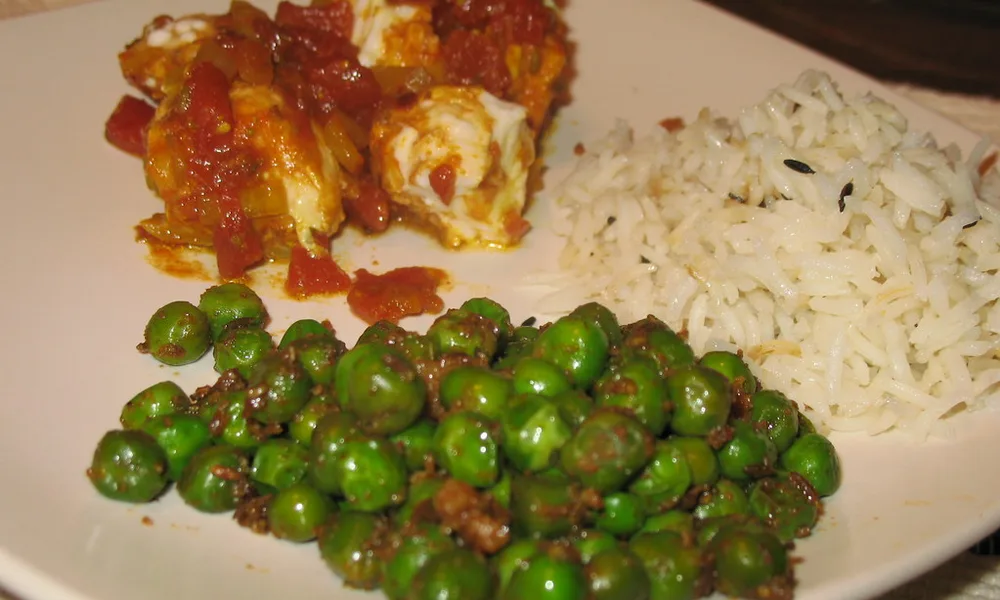
The golden rule: cook frozen peas fast, briefly, and with as little water as possible. They are already blanched, so two minutes is enough, and the moment they turn bright green and taste sweet, they are done. Longer cooking turns them grey and mealy, and leaches the sweetness into the water.
Boiling: The Fastest Method
Boiling needs nothing but a pan of salted water. Bring it to a rolling boil, tip in the frozen peas, and start timing when the water comes back to the boil. At two minutes, drain immediately and toss with butter, salt and mint. Do not leave them in the water while you finish something else: they keep cooking and will be grey by the time you serve them.
Steaming: The Gentlest Method
Steaming takes three minutes and is the gentlest way to cook peas, because they never sit in water. Put them in a steamer basket or a colander over simmering water, cover, and check at three minutes. They should be bright green and just tender, with a slight pop when you bite them. Steaming suits petit pois best, because it is the method least likely to bruise their delicate skins.
Sautéing: The Best Method for Flavour
Sautéing makes peas taste like a dish rather than a side. Heat butter or olive oil in a pan, add the peas straight from the freezer, and cook over a high heat for two to three minutes, stirring once or twice. The peas thaw and cook in the fat and take on the flavour of whatever is in the pan: garlic, shallots, mint, lemon zest or a pinch of chilli. This is the best method for peas going into pasta or fried rice, because they arrive already seasoned. Frozen broccoli, by comparison, needs longer and hotter cooking, which is why our guide to frozen broccoli leans on roasting instead.
Three Recipes That Show Off Frozen Peas
Frozen peas are at their best where their sweetness and colour can do the work. These three each use the peas differently, and are ready in under twenty minutes.
Pea Soup
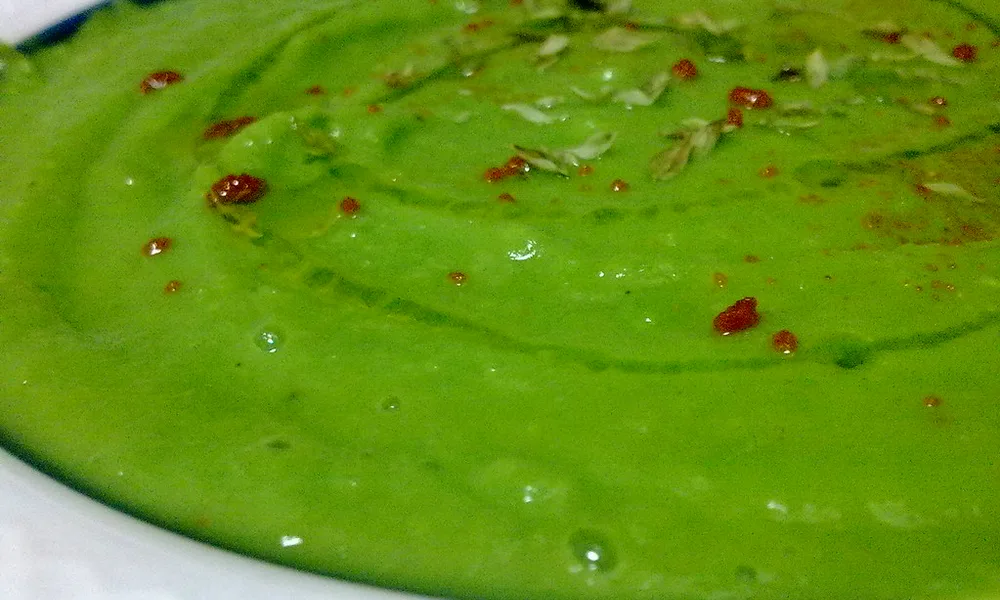
Pea soup is the purest use of frozen peas, and the fastest soup you can make. Sauté an onion and a clove of garlic in butter, add a litre of stock and 500 grams of frozen peas, simmer for five minutes, and blend until smooth. Stir in cream or mint and serve: the peas give the soup its colour, sweetness and body, and it tastes of spring even in January.
Pea and Mint Risotto
Pea risotto is the dish where petit pois earn their money. Cook the risotto in the usual way, adding the petit pois in the last three minutes, with parmesan and butter at the end. The peas stay whole, bright and sweet against the creamy rice, and mint torn over at the last moment makes the dish taste fresh.
Pasta with Peas and Lemon
Pasta with peas is a weeknight staple that takes as long as the pasta does. In the last two minutes of cooking, tip a cup of frozen peas into the same pot. Drain and toss with olive oil, lemon zest, parmesan and black pepper. The peas cook in the pasta water and need no separate pan.
Frozen vs Canned vs Fresh Peas
Frozen peas beat canned peas on almost every measure. They are sweeter, firmer and brighter, because freezing preserves the pea at its peak, while canning cooks it soft and leaves it sitting in salty water. Canned peas have their place: they keep for years, need no freezer, and are ready the moment the tin opens, which is why our guide to canned peas still recommends keeping a tin or two. But for flavour and texture, frozen wins clearly. Fresh peas beat frozen only in the short season when they are genuinely fresh; the rest of the year, frozen peas are the better pea.
Storing Frozen Peas Properly
An unopened bag keeps for eight to twelve months, but the flavour is best in the first three months. Once opened, press the air out, seal it tightly, and lay it flat so the peas freeze in a thin layer and pour easily next time. A bag left open picks up frost and freezer smells. Never refreeze peas that have thawed: they will be soft, grey and watery, and the texture will not come back.
Checklist: Buying Frozen Peas
- Choose garden peas for everyday cooking, petit pois when the peas star.
- Squeeze the bag: the peas should feel loose and free-flowing, never a solid frozen block.
- Look for bright, even green peas of a similar size, with no ice crystals inside.
- Check the ingredients: peas, and nothing else.
- Cook straight from the freezer for two minutes, and serve as soon as they turn bright green.
- Seal the bag flat, use within three months, and never refreeze thawed peas.
Frequently Asked Questions
Are frozen peas as healthy as fresh peas?
Yes, and often healthier: frozen peas are picked ripe and frozen within hours, preserving their vitamins, folate and fibre, while fresh peas lose sweetness and nutrients every day after picking.
Do I need to thaw frozen peas before cooking?
No. Cook them straight from the freezer: thawing first makes them soft and watery. The only exception is salads, where you thaw them under cold water and drain them well.
How long do frozen peas take to cook?
Two minutes boiled, three minutes steamed, or two to three minutes sautéed. Any longer and they turn grey and mealy.
Are petit pois worth the extra money?
When the peas star, yes: petit pois are smaller, sweeter and more delicate, and the difference is obvious in a risotto, a salad or a buttered side. For pasta, soups and fried rice, garden peas are just as good and much cheaper.
Can you eat frozen peas raw?
Frozen peas are blanched before freezing, so they are technically cooked, but they taste best cooked briefly. Eating them straight from the freezer is unpleasant: they are hard, cold and starchy until they thaw.
How long do frozen peas last in the freezer?
Eight to twelve months unopened, but the flavour is best within three months. Once opened, seal it flat and use it within a few weeks.
The Bottom Line
The best frozen peas in 2026 are the simplest ones: garden peas for everyday cooking, petit pois when the dish deserves them, a loose free-flowing bag with one ingredient on the label, and two minutes of cooking, no more. Buy them that way, and the cheapest bag in the freezer becomes one of the best things in your kitchen.


