Why garden sprayers are worth buying in 2026 comes down to one simple fact: a hose waters everything, but a sprayer treats exactly what needs treating. Garden sprayers put water, feed or pest control precisely where you aim them, in a fine mist or a focused jet, without soaking the paths or the plants that never asked for it.
A good garden sprayer is not a luxury. It is how you feed roses without feeding the weeds beside them, how you treat aphids on the underside of a leaf, and how you mist seedlings without flattening them. This guide compares the main types and shows how to choose, use and look after one.
Key Takeaways
- Pump pressure sprayers suit most gardens: they are cheap, simple and strong enough for feeding and pest control.
- Knapsack sprayers are the choice for large gardens, because a 12 to 16 litre tank covers a big area without refilling.
- Match the nozzle to the job: a fine mist for seedlings, a cone spray for leaves, and a jet for reaching high branches.
- Never use the same sprayer for weedkiller and for feeding without a full clean in between.
- Rinse the sprayer after every use and release the pressure before storing.
How We Judged Garden Sprayers in 2026
We judged every garden sprayer on five things that decide whether it is worth buying. Spray quality came first: a nozzle that gives an even mist without dripping, and a pattern you can adjust from a fine fog to a solid jet. Next came pressure and how long it holds, because a sprayer that needs pumping every ten seconds is a chore. Build quality mattered too: a tank that does not split and a pump that does not leak.
Ease of use was weighed just as carefully. A sprayer should be comfortable to carry when full, easy to pump with one hand, and simple to fill without spilling half the mix down your leg. Finally we looked at cleaning: parts that come apart for a rinse and seals that are easy to replace.
Garden Sprayer Types Compared
There are five main types of garden sprayer, and the right one depends on the size of your garden and what you plan to spray. Pump pressure sprayers are the classic hand-pumped tank with a lance, holding 5 to 8 litres. Knapsack sprayers strap to your back and hold 12 to 20 litres. Handheld trigger sprayers hold under 2 litres for pots, hose-end sprayers attach to the garden hose, and battery sprayers use a small pump so your arm never has to.
| Sprayer Type | Best For | Typical Capacity | Effort | Watch Out For |
|---|---|---|---|---|
| Pump pressure | Most gardens | 5 to 8 litres | Moderate pumping | Pressure drops as it empties |
| Knapsack | Large gardens and allotments | 12 to 20 litres | Heavy when full | Check strap comfort and leaks |
| Handheld trigger | Pots and houseplants | Under 2 litres | Light, but tiring in volume | Too small for any real garden job |
| Hose-end | Large areas, fast cover | Feeds from the hose | Almost none | Least precise; dilution is approximate |
| Battery | Long jobs, no pumping | 5 to 16 litres | Very low | Costs more; battery needs charging |
Pump Pressure Sprayers: The Best Choice for Most Gardens
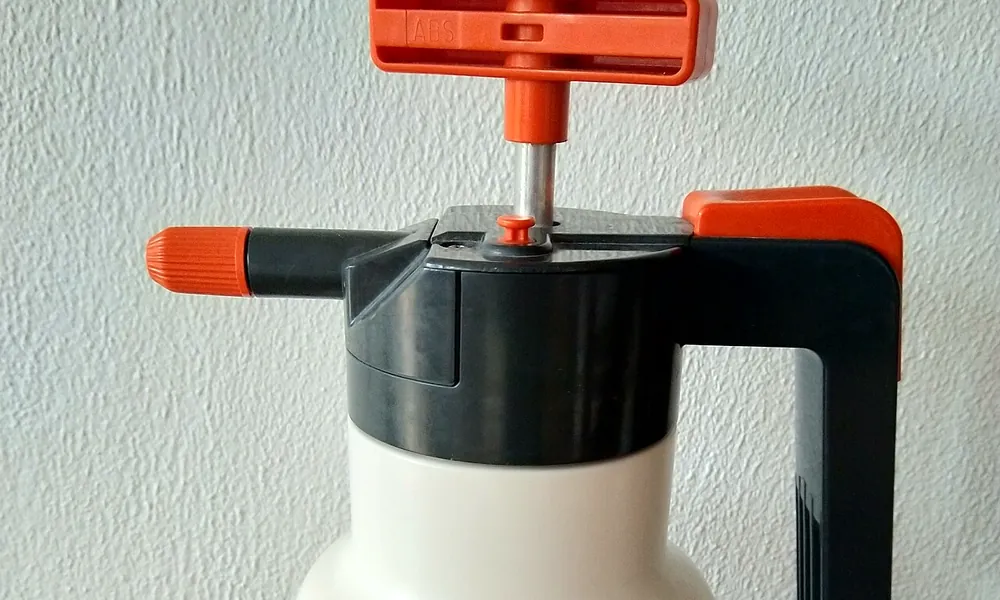
The pump pressure sprayer is the best garden sprayer for most people in 2026, because it does the most jobs for the least money. You fill the tank, pump the handle a dozen times to build pressure, and then spray with a trigger on the lance until the pressure fades. A 5-litre model covers a typical garden bed or a row of roses in one fill.
The trick with a pump sprayer is to keep the pressure up. Spray in short bursts, pump little and often, and the pattern stays even. Let the pressure fall away and the spray turns to drips, which is how leaves end up soaked in one spot and dry in the next. Fill the tank only to the marked line, never to the brim: the air space above the liquid is what holds the pressure.
What to Look For in a Pump Pressure Sprayer
Look for a tank with a wide opening, because a narrow neck makes filling a fiddly, splashy job, and a filter under the cap that catches grit before it reaches the nozzle. A pressure relief valve is not optional: it lets you release pressure safely before you open the tank. The lance should be long enough to reach under leaves without you having to crouch.
Seals are the weak point of every pump sprayer, so check that spares are available before you buy. A sprayer with a replaceable seal kit will last for years, while one with no spares is disposable the first time a seal perishes.
Knapsack Sprayers: For Large Gardens and Allotments
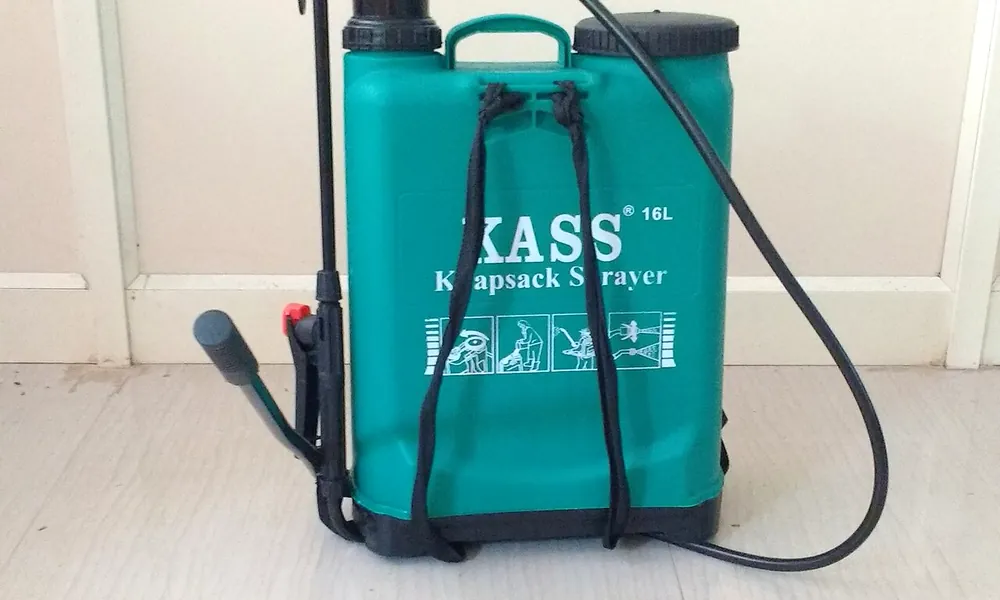
Knapsack sprayers are the workhorses of the range. They strap to your back like a rucksack, hold 12 to 20 litres, and have a pump lever you work with one hand while the other aims the lance. For a large garden or an allotment, a knapsack covers in an hour what a small pump sprayer would take all afternoon to do.
The weight is the thing to respect. Sixteen litres of liquid weighs sixteen kilograms, and that is a lot to carry on a hot day. Buy a model with padded, adjustable straps and a waist belt if you can, and fill it only as full as you can comfortably carry. A half-full knapsack that you actually use beats a full one that stays in the shed.
Handheld and Hose-End Sprayers: The Specialists
Handheld trigger sprayers are the smallest garden sprayers, and they suit a very specific job: a few pots on a balcony, a houseplant with aphids, or a single rose that needs attention. They are cheap, light and always to hand, but their capacity makes them useless for anything bigger.
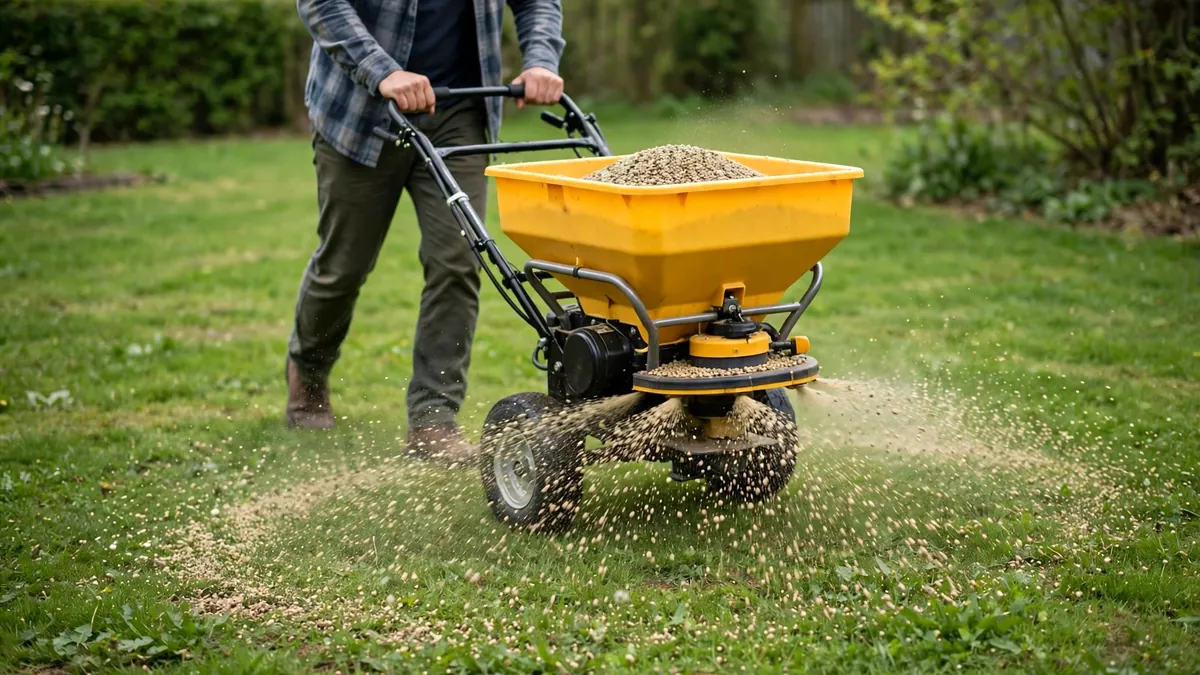
Hose-end sprayers sit at the other end of the scale. They attach to the garden hose, draw feed or treatment from a small bottle as the water flows, and cover a large area fast. They are the quickest way to feed a lawn or spray a long hedge, but they are also the least precise: the dilution depends on water pressure, and you cannot aim one the way you can aim a lance.
Battery sprayers are the newest option, and they are worth considering if pumping hurts your hands or you spray often. A small battery powers a pump that keeps the pressure constant, so the spray never fades and your arm never tires. They cost more than a manual sprayer, but for a large garden the difference is real.
Nozzles and Spray Patterns: The Part That Does the Work
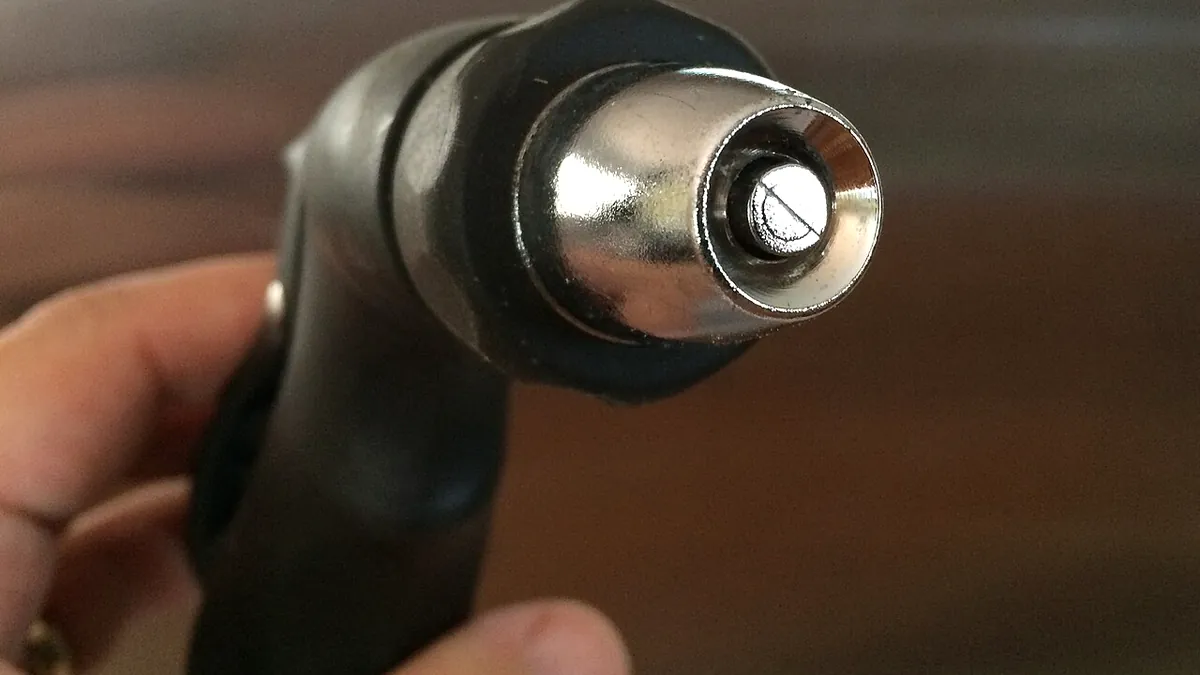
The nozzle is the part of a garden sprayer that does the actual work, and it is the part most people ignore. A fine mist nozzle is right for seedlings and for spraying the undersides of leaves, where a heavy spray would run off. A cone nozzle gives a wider, softer pattern for general leaf coverage, and a jet nozzle throws a narrow stream for reaching high branches.
Keep the nozzle clean, because a blocked nozzle is the most common reason a sprayer seems to have failed. Rinse it after every use, poke it clear with a soft brush rather than a pin, which can widen the hole and ruin the pattern, and keep a spare nozzle in the shed.

Distance matters too. Hold the lance about 30 centimetres from the leaves for a mist, and further back for a jet, and move it in a slow, steady sweep rather than waving it about. The aim is an even, light coating on both sides of the leaf, not a drenching.
Using a Garden Sprayer Safely
Safety is not an optional extra with a garden sprayer, because the whole point of the tool is to put chemicals exactly where you want them, and that includes keeping them off you. Always read the label and follow its mixing and waiting times exactly. Wear gloves, eye protection and long sleeves when spraying anything other than plain water, and never spray into the wind.
Mixing deserves care. Measure the product properly, mix it in a bucket rather than in the tank, and never mix two products unless the labels say you can. Keep children and pets away until the spray has dried, and follow the waiting time on the label before picking fruit or vegetables from a sprayed plant.
Looking After Your Sprayer
A garden sprayer that is cleaned after every use will last for years, while one that is left dirty will fail within a season. The routine is short: empty the tank, rinse it with clean water, pump clean water through the lance and nozzle for a minute, and leave the sprayer to dry with the cap off. Release the pressure before you store it.
Once a year, take the sprayer apart as far as it is designed to come apart, check the seals for cracks, and replace any that have gone hard or swollen. A smear of silicone grease on the seals keeps them supple, and a new seal kit costs very little compared with a new sprayer.
Buying Checklist
- Measure the area you will spray, then buy a tank that covers it with at most one refill.
- Choose a pump pressure sprayer for most gardens, and a knapsack only for large plots.
- Check the nozzle adjusts from mist to jet, and that a spare nozzle is available.
- Make sure the tank has a wide opening, a filter, and a pressure relief valve.
- Look for replaceable seals and a seal kit for the model you choose.
- Keep a second sprayer, clearly labelled, if you ever spray weedkiller in your garden.
Frequently Asked Questions
What size garden sprayer do I need?
For a small garden, a 5-litre pump sprayer is enough. Medium gardens suit a 5 to 8 litre model, while large gardens and allotments need a 12 to 16 litre knapsack sprayer.
Can I use a garden sprayer for weedkiller?
Yes, but keep a separate sprayer for weedkiller, clearly labelled, and never use it for feeding. Weedkiller residue survives rinsing and will damage the plants you spray next.
Why does my sprayer lose pressure?
The usual causes are a worn pump seal, a loose cap, or a blocked filter. Check the seal first, make sure the cap is tight, and clean the filter. A replacement seal kit usually fixes it.
How do I clean a garden sprayer?
Empty the tank, rinse it with clean water, and pump clean water through the lance and nozzle for a minute. Leave it to dry with the cap off, release the pressure before storing, and store it indoors away from frost.
What is the best spray pattern for roses?
A fine cone spray works best for roses, coating both sides of the leaves without drenching them. Hold the lance about 30 centimetres away and spray the undersides of the leaves, where aphids and blackspot start.
Are battery garden sprayers worth it?
Yes, if you spray often or find pumping hard on your hands. Battery sprayers keep the pressure constant, so the pattern stays even for the whole tank. For occasional use on a small garden, a manual sprayer does the same job for less.
The Bottom Line
Why garden sprayers are worth buying in 2026 is simple: they put exactly the right amount, exactly where it is needed, and no tool does that job better. A pump pressure sprayer covers most gardens, a knapsack covers the big ones, and a handheld covers the pots. Choose the size that fits your garden, learn the nozzle patterns, keep a separate sprayer for weedkiller, and rinse it after every use. For the wider toolkit, our guides to the best garden hoses and the best garden tools cover what works alongside a sprayer, and our guide to spray bottles covers the small jobs a garden sprayer is too big for.