
A good set of garden tools should feel like an investment, not a yearly subscription. Most gardeners know the disappointment of a trowel that bends on its first meeting with clay soil, pruners that jam halfway through spring, or a fork handle that snaps as the digging gets serious. The best garden tools in 2026 survive more than a single season, and telling them apart from the lookalikes is mostly a matter of knowing what to look for before you buy.
Cheap tools are not always bad, and expensive ones are not always good. What matters is how a tool is made: forged from one piece of steel or stamped from thin sheet, handle properly fitted or simply glued, and whether the maker expects you to sharpen it or throw it away.
Key Takeaways
- Forged steel heads outlast stamped metal by years and hold an edge far better.
- Five tools cover most garden work: a hand trowel, bypass pruners, a hand fork, a spade and a rake.
- A comfortable, well-fitted handle matters as much as the blade, because a tool that hurts your hands will not get used.
- Stainless steel resists rust but is harder to sharpen; carbon steel cuts better and needs a wipe of oil after use.
- Cleaning, drying and sharpening after use add more years than any brand name will.
How We Judged Garden Tools That Last
We judged every garden tool on five things that decide whether it survives more than a season. Build quality came first: forged heads, solid sockets and handles fitted with rivets or a proper tang rather than glue. Next came edge retention, because a blade that dulls in a week is a chore rather than a help. Comfort mattered too, and finally value, the price measured against the years of use you can reasonably expect.
We also weighed repairability. A wooden handle can be replaced, a carbon steel blade can be resharpened, and pruners with spare parts can be kept going almost indefinitely. Tools sealed shut with no spares are designed to be replaced, and their price should reflect that.
Types of Garden Tools Compared
| Tool | Best For | What Lasts | Watch Out For |
|---|---|---|---|
| Hand trowel | Planting, weeding, potting | Forged one-piece head | Thin stamped blades that bend |
| Bypass pruners | Live stems, roses, shrubs | Replaceable blades and springs | Anvil pruners on green growth |
| Hand fork | Loosening soil, weeding | Three thick forged tines | Thin tines that splay |
| Digging spade | Digging, edging, turning soil | Stainless or forged carbon steel | Loose socket joints |
| Garden rake | Levelling, clearing, spreading | Solid head-to-handle joint | Plastic heads that crack |
| Loppers | Thick branches up to 5 cm | Geared or ratchet action | Heavy heads that tire arms |
The Hand Trowel: Small Tool, Big Difference
The hand trowel is the tool most gardeners reach for first and replace most often, which says a lot about how badly most are made. A good one starts as a single piece of forged steel, shaped into a deep, slightly cupped blade with a sharp edge. A one-piece design, where blade and shank are the same metal, has no joint to fail, and that is the best sign of a trowel built to last.
Stamped trowels, by contrast, are cut from flat sheet metal and bent into shape. They look fine on the shelf, but the first patch of stony soil will bend the blade or crack it at the fold. If you can flex the blade with your thumb, put it back. Depth markings are a useful extra for planting bulbs at the right depth.

Bypass Pruners: The Tool You Will Use Most
If you buy only one quality garden tool this year, make it a pair of bypass pruners. They cut live stems cleanly, with two curved blades sliding past each other like scissors, which helps the plant heal. A good pair will handle everything from deadheading roses to shaping shrubs, and still be cutting cleanly in ten years with an occasional sharpen and a drop of oil.
Look for pruners with a replaceable blade and spring, and a wire-cutting notch if you do a lot of tying in. The pivot bolt should be adjustable so you can take up slack as the blades wear. Left-handed gardeners should buy a true left-handed model, and small hands will find compact models far less tiring.
The Hand Fork and the Digging Spade
A hand fork is the trowel’s quiet partner, loosening soil around roots without disturbing them much. Three thick, forged tines are the mark of a good one; thin tines splay and snap in heavy soil. Like the trowel, a one-piece forged fork outlasts a welded or riveted one.
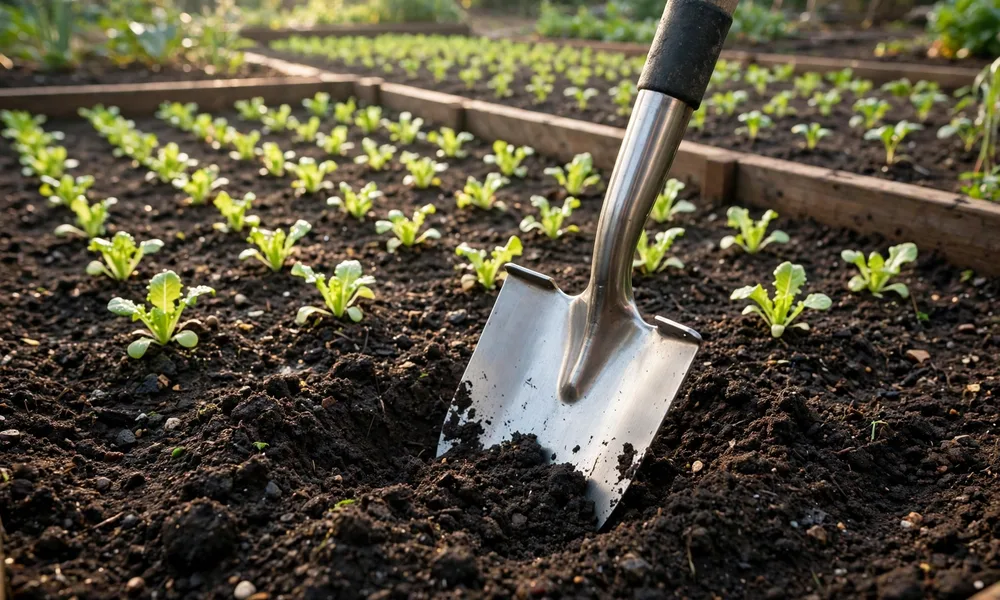
The digging spade is where cheap tools fail most dramatically. A spade takes the full force of your boot and body weight, so its socket, the joint between blade and handle, is under constant stress. A forged spade with a long, solid socket and a handle that fits your height is worth every penny. Stainless steel blades slide through soil easily and shrug off rust, while forged carbon steel is tougher and takes a sharper edge but needs drying and oiling.
Choose the handle length for your height and soil. A longer handle suits taller gardeners and heavy digging, while a shorter border spade is easier to control in tight beds. On clay, a narrower blade penetrates better than a wide one, and a treaded top edge saves the soles of your boots.
Rakes, Hoes and Loppers
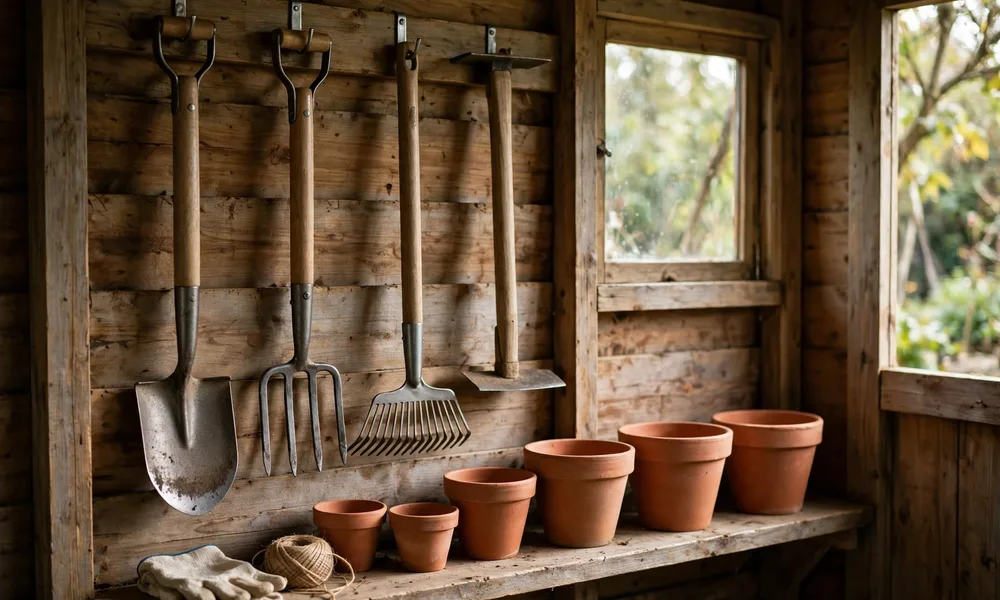
A rake is a simple tool, which makes its failures all the more annoying. The head should be firmly fixed to the handle with a solid socket and a pin or rivet, not simply pushed on. Metal tines outlast plastic ones. A leaf rake with flexible tines and a garden rake with rigid steel teeth do different jobs, and buying the right one saves effort and breakages.
Hoes repay the same attention to the joint. A Dutch hoe, pushed and pulled just under the surface, is the fastest way to keep weeds down, but only if the blade stays tight on the handle. Loppers are worth buying with geared or ratchet action if you cut a lot of thick branches, because the mechanism multiplies your hand strength and spares your wrists.
Materials: Steel, Handles and Finishes
Steel is the heart of every lasting garden tool. Forged steel is shaped while hot, which makes it dense and strong. Stamped steel is cut from sheet and is thinner and weaker. Stainless steel resists rust and needs little care, but is harder to sharpen. Carbon steel takes a keener edge and is tougher, yet it rusts if left wet, so it asks for a quick wipe and a drop of oil after use.
Handles matter as much as heads. Ash wood is the traditional choice: strong, light, slightly springy, and easy to replace when it wears. Hickory is tougher still. Soft-grip plastic and rubber handles are comfortable and weatherproof, but they can peel or crack after years in sun and frost and cannot be repaired the way wood can. Whatever the material, the handle should be smooth, free of splinters and firmly fixed, because a loose handle is both useless and dangerous.
Finishes help too. A powder-coated head resists rust, but the coating wears where the tool meets soil, which is normal. A little oil on bare metal after cleaning does more than any coating to keep rust away.
Caring for Tools So They Last for Years
The best garden tools will still fail if left wet and dirty in a corner of the shed. The care routine is short, and it is the real secret to tools that last more than a season. Knock soil off after use, wash if needed, and dry the tool before putting it away. A wipe with an oiled rag protects the metal, and linseed oil keeps wooden handles from drying and cracking.
Sharpening is not difficult and it transforms a tool. A few passes with a stone or file, following the original bevel, restore a pruner or spade edge in minutes. Blunt tools need more force, which strains handles and hands alike. Store tools hung up or in a bucket of oiled sand, out of the damp.
Good storage is part of care, and it is where many tools quietly die. Tools left on damp ground rust from the bottom up, and tools piled in a heap knock edges off each other. A simple rack or a row of hooks keeps them dry, sharp and easy to find. Our guide to why good garden gloves are worth more than you think pairs well with this one, since gloves and tools wear out together when looked after together.
Mistakes That Kill Garden Tools Early
The most common mistake is using a tool for a job it was never meant to do: prying with a trowel, levering rocks with a spade, or cutting wire with pruners. Each misuse bends, chips or snaps something good use would never damage. The second mistake is buying a twenty-piece set instead of five good tools. The pieces are thin, the handles are short, and most of them will never be used.
Leaving tools out in the rain is the third killer, and the easiest to avoid. A tool left wet overnight starts rusting at once, and a season of that will ruin even forged steel. Finally, never force a blunt tool. Sharpen it, or the extra force will break the handle, strain your wrist, and tear the plants you are trying to help. A sharp tool is a safe tool, and a cared-for tool is a lasting one.
Choosing the Right Tools for Your Garden
The right set depends on the garden you actually have. A small balcony garden needs a trowel, a hand fork and pruners, and little else. A large vegetable plot adds a spade, a fork, a rake and a hoe. A garden full of roses and shrubs makes pruners and loppers the priority, while a lawn-heavy garden puts the mower first. Our guide to how to choose a lawn mower that fits your garden covers the biggest of those decisions in detail.
Buy the tools for the jobs you do every week before the ones you do once a year. A trowel you use daily deserves a better budget than a lopper you use twice a spring. Consider your hands too: arthritis, grip strength and hand size all change which handle shapes work for you. Watering tools wear out on the same schedule; our look at why a good garden hose saves you more than time explains how to choose one that survives the seasons alongside your hand tools.
Your Garden Tool Checklist
- Choose forged steel heads over stamped metal for every digging and cutting tool.
- Check the handle joint for wobble before you buy, and prefer rivets or a solid tang over glue.
- Pick bypass pruners with replaceable blades and springs, and keep anvil pruners for dead wood only.
- Match the tool to your garden size, soil type and hand size before worrying about brand names.
- Clean, dry and oil tools after every use, and sharpen edges a few times a season.
- Store tools hung up and under cover, never lying on damp ground or piled in a heap.
Frequently Asked Questions
How much should I spend on garden tools?
Forged tools cost more than stamped ones, but think in cost per year, not cost at the till. A good trowel that lasts ten years costs less per year than a cheap one replaced every spring.
Are stainless steel garden tools better than carbon steel?
Stainless steel resists rust and needs less care, which suits a damp shed. Carbon steel takes a sharper edge and is tougher, but needs drying and oiling after use.
How often should I sharpen pruners and spades?
A few times a season is enough. Sharpen when cutting feels harder than it should, or when stems tear rather than cut cleanly.
Can I repair a broken wooden handle?
Yes, in most cases. Replacement handles are sold for spades, forks and rakes, and fitting one is straightforward. It is far cheaper than replacing the whole tool.
What is the best way to store garden tools over winter?
Clean and dry them thoroughly, oil the metal, rub linseed oil into wooden handles, and hang them in a dry shed.
Do I really need both a spade and a fork?
For most gardens, yes. A spade cuts and turns soil, while a fork loosens and lifts it. Using one for the other’s work is how both get damaged.
The Bottom Line
The best garden tools in 2026 are not the most expensive or the most heavily advertised. They are the forged, well-jointed, comfortable tools that you clean, sharpen and store properly, and they repay that care by lasting season after season. Buy fewer tools, buy them well, and look after them.


