
Garden Trowels That Make Planting Easy in 2026
The best garden trowels make planting feel easy because they do the hard part for you: they cut into soil cleanly, scoop a neat hole, and let you set a seedling at exactly the right depth without wrestling the ground. A good trowel is the hand tool most gardeners reach for first. This guide compares the garden trowels that earn their place in a planting season, and explains which blade, handle and size suits your soil and your hands.
One distinction matters before you buy. A garden trowel is a single hand tool for planting, digging small holes and moving soil, while a general garden tool set covers many jobs at once, from pruning to raking. Our guide to garden tools that last more than a season compares the whole set; this guide goes deep on the trowel alone.
Key Takeaways
- A one-piece forged steel trowel outlasts a stamped blade by years and will not bend in stony or clay soil.
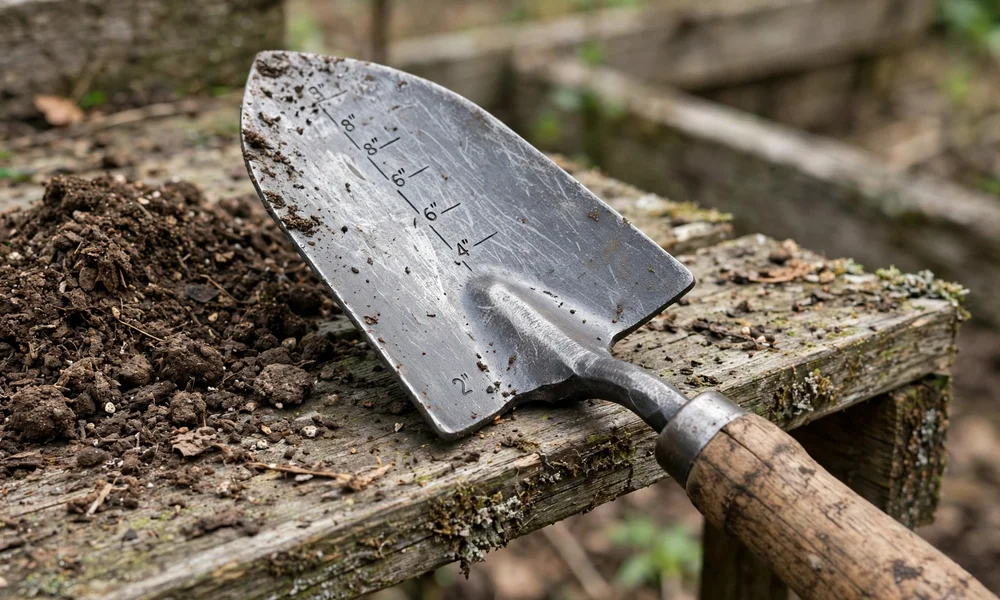
- Depth markings on the blade take the guesswork out of planting bulbs and seedlings at the right depth.
- A wide, deep blade moves soil fast in beds, while a narrow blade is better for containers and tight spaces.
- A cushioned or wooden handle that fits your hand matters as much as the blade, because a trowel that hurts will not get used.
- Stainless steel resists rust with little care, while carbon steel cuts better and needs a wipe of oil after use.
How We Judged the Best Garden Trowels
We judged every trowel on five things that decide whether planting feels easy. Build quality came first: a forged head, a solid socket and a handle fitted with rivets or a proper tang rather than glue. Next came cutting ability, because a blade that skates across dry soil instead of slicing in is a chore rather than a help. Comfort mattered too, since a trowel is used in a squeezing grip for long stretches, and finally value, the price measured against the years of use you can reasonably expect.
Garden Trowels Compared
| Type | Best For | Blade | Handle | Watch Out For |
|---|---|---|---|---|
| Forged steel trowel | Everyday planting in beds | One-piece forged steel | Wood or cushioned grip | Heavier than stamped models |
| Stainless steel trowel | Damp soil, low maintenance | Rust-proof stainless | Wood or soft grip | Harder to sharpen |
| Narrow transplanting trowel | Containers and tight gaps | Long, slim blade | Short cushioned grip | Slow at moving big soil |
| Wide scoop trowel | Potting mix and compost | Broad, deep cup | Wooden handle | Clumsy in stony ground |
| Ergonomic trowel | Arthritis and weak wrists | Forged or stainless | Angled soft grip | Costs more than basic models |
| Long-handled trowel | Raised beds, less bending | Standard forged blade | Extended shaft | Less control in tight spots |
The 6 Trowel Types Worth Buying
1. The Forged Steel Trowel
The forged steel trowel is the classic choice and the best starting point for most gardeners. It starts as a single piece of hot steel, shaped into a deep, slightly cupped blade with a sharp edge, and the blade and shank are the same metal, so there is no joint to fail. In a bed it cuts into soil that would fold a cheap stamped blade in half, and it keeps its edge through a whole season of planting. Look for a blade you cannot flex with your thumb and a handle fixed with a rivet or a full tang.
2. The Stainless Steel Trowel
A stainless steel trowel is the low-maintenance pick, and the right one if your trowels tend to live outside or in a damp shed. Stainless steel shrugs off rust, slides through soil easily, and wipes clean with a quick rinse, which makes it the easiest trowel to look after. The trade-off is that stainless is harder to sharpen than carbon steel, so buy one with a properly ground edge from the start rather than planning to fix a dull one later.
3. The Narrow Transplanting Trowel
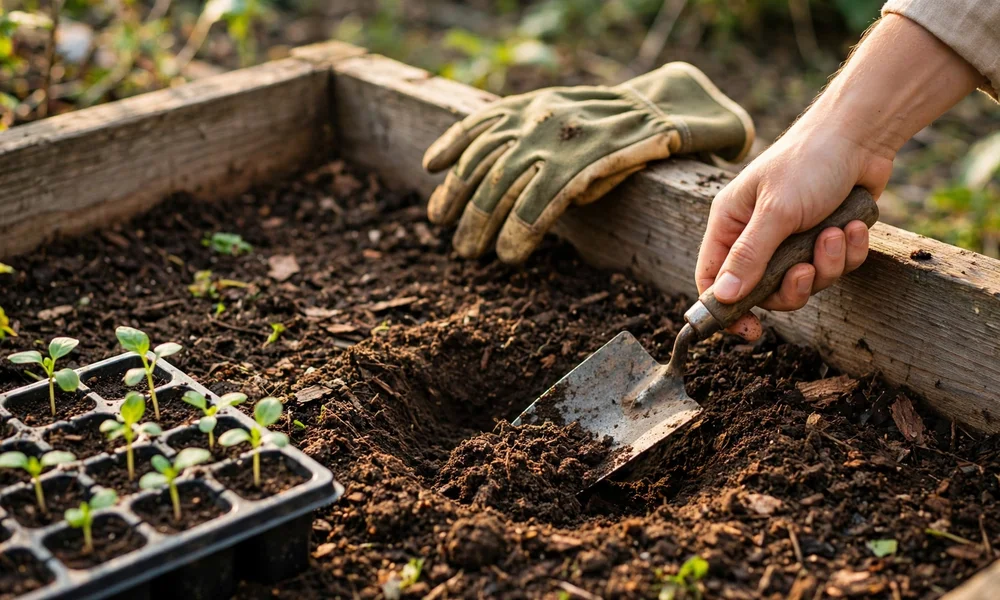
The narrow transplanting trowel has a long, slim blade made for precise work: lifting seedlings out of trays, tucking them into pots, and planting between established plants without disturbing their roots. The slim shape slips into soil where a wide blade would crush a neighbour, and the pointed tip opens a neat hole at exactly the depth a seedling needs. Pair it with good seed trays that start seedlings strong and transplanting becomes a calm job instead of a fiddly one.
4. The Wide Scoop Trowel
The wide scoop trowel is built for moving loose material rather than cutting into ground: potting mix, compost, mulch and fertiliser. Its broad, deep cup holds a generous scoop, so filling pots and topping up beds takes half the trips of a standard blade. It is clumsy in stony or compacted ground, where a narrow blade cuts better, but at the potting bench it is the fastest tool you will own. If you do a lot of container planting, this is the trowel that saves your back and your patience.
5. The Ergonomic Trowel
An ergonomic trowel is shaped around the hand rather than the blade, and it is the pick for gardeners with arthritis, weak wrists or hands that tire quickly. The grip is angled so the wrist stays straight while digging, the handle is fat and soft enough to hold without squeezing hard, and the blade is balanced so the tool does more of the work. They cost more than basic models, but a trowel you can use for an hour without pain is worth far more than a cheap one that sits in the shed.
6. The Long-Handled Trowel
A long-handled trowel puts a standard forged blade on an extended shaft, so you can plant in a raised bed without bending double or kneeling on wet ground. It is the best trowel for gardeners with bad knees or backs, and for deep raised beds where a short handle leaves you stretching. In a deep bed, our guide to raised garden beds that grow better vegetables explains the bed heights where a long handle pays off most.

Blade Materials: Forged, Stainless or Carbon Steel?
Steel is the heart of every lasting trowel. Forged steel is shaped while hot, which makes it dense and strong, and a forged blade holds its edge and its shape through years of stony soil. Stamped steel is cut from flat sheet and bent into shape; it looks fine on the shelf, but the first patch of clay will bend the blade or crack it at the fold. For most gardeners, a forged stainless blade is the sweet spot: strong, rust-proof and sharp enough for everyday planting.
Handles: Wood, Cushioned Grip or One-Piece Metal?
The handle decides whether a trowel feels good after twenty minutes of planting. Wood is the classic choice: warm in the hand, easy to grip when damp, and replaceable if it ever breaks. A cushioned grip is softer and kinder on joints, and it suits gardeners who plant for long stretches, but cheap foam grips can tear and go slippery when wet, so look for a dense, textured rubber. One-piece metal handles are the toughest of all and never come loose, yet they can feel cold and hard in winter, and they transmit every knock from a stone straight to your hand.
Garden Trowel vs a General Garden Tool Set
A garden trowel and a general garden tool set answer different questions. The set gives you five tools that cover most garden work: a trowel, pruners, a hand fork, a spade and a rake, and it is the right buy when you are starting from nothing. The trowel on its own is the right buy when planting is the job you actually do most, and you want the best version of that one tool rather than an average version of five. Many gardeners end up with both: a set for general work and one excellent trowel that does the planting.
How to Use a Garden Trowel Well
Good technique makes even an average trowel feel better. Push the blade straight down rather than at an angle, so the edge slices instead of skimming, and lever the soil out in one motion rather than scraping at it. For planting, dig the hole a little deeper than the root ball, set the plant in, and firm the soil with the flat of the blade rather than your boot. After planting, knock the soil off, dry the blade and hang the trowel up rather than leaving it in the soil, where moisture will rust even a good blade overnight.
Checklist: Before You Buy a Garden Trowel
- Flex the blade with your thumb: if it bends, put it back and choose a forged one.
- Check the handle joint: a rivet or full tang beats glue, and the handle should not wobble.
- Look for depth markings on the blade if you plant bulbs or seedlings often.
- Hold the trowel as if digging: the grip should fill your hand without straining it.
- Match the blade to your soil: wide and deep for loose beds, narrow for containers and clay.
- Weigh rust care against sharpness: stainless for low maintenance, carbon steel for the keenest edge.
Frequently Asked Questions
What is the best garden trowel for beginners?
A mid-sized forged steel trowel with a wooden handle and depth markings is the best beginner trowel. It is strong enough for most soils, comfortable for long sessions, and the markings teach you the right planting depth from the first day.
Are expensive garden trowels worth it?
Yes, up to a point. A forged trowel that costs a little more will outlast several cheap stamped ones, hold its edge longer, and feel better in the hand. Beyond that, you are paying for design and brand rather than planting performance.
How do I keep a garden trowel from rusting?
Knock the soil off after use, dry the blade, and hang it indoors. Stainless steel needs little more than that, while carbon steel benefits from a thin wipe of oil on the blade before you put it away.
What size garden trowel should I buy?
A blade around 15 to 18 centimetres long suits most planting. Shorter blades are better for pots and tight spaces, while a wider blade moves soil faster in open beds. If you only buy one, choose the mid-size.
Can a garden trowel replace a spade?
No. A trowel is for small holes, planting and potting, while a spade takes your full body weight for digging and edging. The two tools do different jobs, and a trowel used as a spade will bend or snap.
How do I sharpen a garden trowel?
Run a flat file along the cutting edge at the same angle as the bevel, working from the handle towards the tip, then remove the burr with a few light strokes on the flat side. Stainless steel needs a coarser file and more patience than carbon steel.
The Bottom Line
The best garden trowels make planting easy because they are built for the job: a forged blade that cuts instead of bending, depth markings that remove the guesswork, and a handle that fits your hand for a full afternoon. Choose the blade for your soil, the handle for your hands, and the size for the beds and pots you plant most, and planting will feel easy from the first hole to the last. Buy the trowel for the planting you actually do, keep it clean and dry, and it will be the tool you reach for first for years.


