The best hiking boots for kids 2026 are the ones your child actually wants to keep on. A good pair protects small feet from rocks, roots and puddles, grips slippery ground, and still feels light enough that a long walk feels like an adventure. The wrong pair does the opposite: blisters by lunch, cold wet socks by the first stream, and a child who never wants to hike again.
Choosing kids hiking boots is not the same as choosing adult boots in a smaller size. Children grow fast, their feet are softer and wider in proportion, and they run, jump and splash in ways no adult hiker does. That means fit, weight, waterproofing and grip matter more than brand names or looks.
This guide compares the best hiking boots for kids in 2026 on comfort, waterproofing, ankle support, grip, durability and value. Whether you need boots for a first family hike, wet woodland walks, or a child who hates heavy shoes, you will find a clear winner below.
Key takeaways
- Leave a thumb’s width of growing room at the toe, and try boots on with hiking socks.
- Waterproof boots are worth it for wet trails, streams and muddy spring walks.
- Lightweight, flexible boots suit younger children better than stiff, heavy leather.
- Deep, widely spaced lugs grip mud and gravel far better than flat fashion soles.
- Mid-height boots protect ankles on uneven ground; low-cut shoes suit flat, dry paths.
How We Picked the Best Hiking Boots for Kids 2026
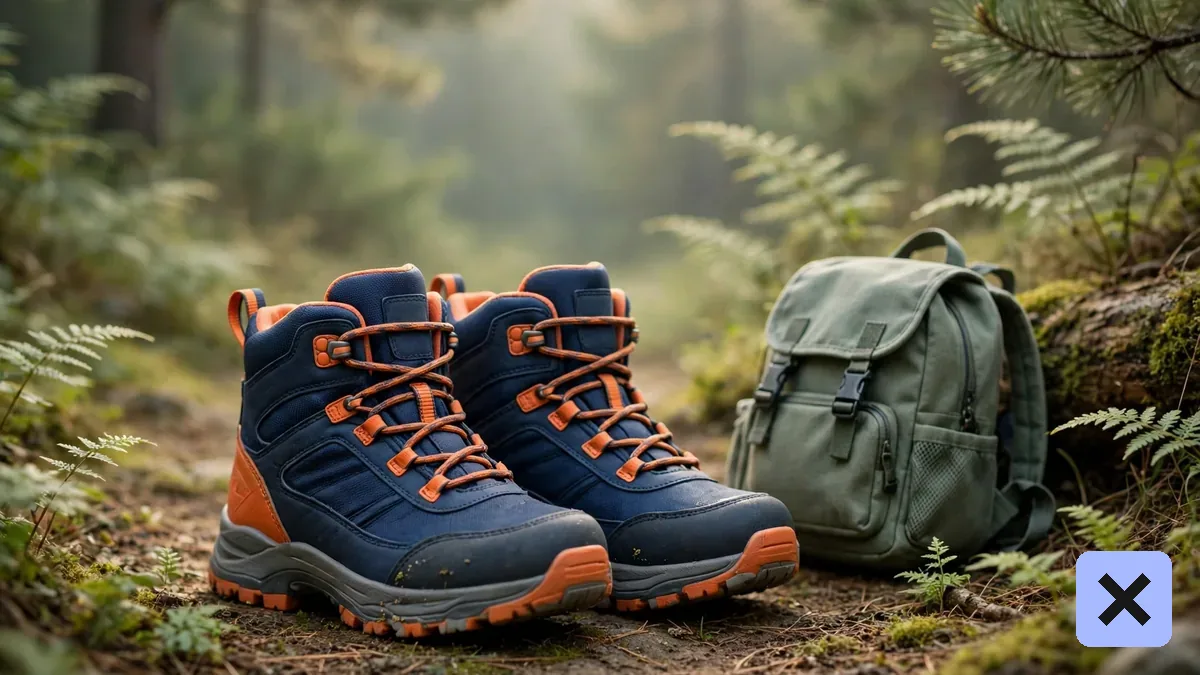
We judged every boot on five tests. First, comfort: a child’s boot should feel good on the first walk, not after weeks of breaking in. Second, weather protection: waterproof membranes and sealed seams that keep rain and puddle water out. Third, grip: a rubber outsole with deep lugs that holds on wet rock, mud and loose gravel.
Fourth, support: a stable heel cup, a cushioned midsole and enough ankle height for rough ground. Fifth, durability and value: tough toe caps and strong stitching that survive scuffs and growth spurts. Boots that scored well on all five made this list, and boots that failed on comfort or grip did not, however good they looked.
The Best Hiking Boots for Kids 2026 at a Glance
| Boot | Best for | Waterproof | Weight |
|---|---|---|---|
| Merrell Moab 3 Mid Waterproof (Kids) | Best overall | Yes | Light |
| Keen Targhee IV Mid Waterproof (Kids) | Best for wide feet | Yes | Medium |
| Salomon XA Pro 3D (Kids) | Best lightweight | No | Very light |
| Columbia Newton Ridge Plus II (Kids) | Best value | Yes | Medium |
| Timberland Mt. Maddsen Mid (Kids) | Best for rough trails | Yes | Medium |
| Quechua MH500 Mid (Kids) | Best for beginners | Yes | Light |
Best Overall: Merrell Moab 3 Mid Waterproof (Kids)
The Merrell Moab 3 Mid is the safest all-round choice for most children. It is waterproof, well cushioned and light enough for long family walks, with a mid-height collar that supports the ankle on uneven ground and a grippy outsole that holds well on mud, wet roots and loose stone.
What sets it apart is comfort: the cushioned footbed and flexible midsole mean most children can wear it straight out of the box without blisters. Sizing runs true, and the wide toe box gives growing feet room to spread. If you buy one pair this year, buy this one.
Best for Wide Feet: Keen Targhee IV Mid Waterproof (Kids)
Children with wide feet often find standard boots pinch at the toes, and the Keen Targhee IV is built to solve that problem. Its roomy toe box lets toes splay naturally, while the waterproof membrane and sturdy upper handle wet trails and muddy fields with ease.
It is a little heavier than the lightest boots here, but that weight buys real protection: a rubber toe bumper that shrugs off rocks and roots, and a supportive heel that steadies ankles on slopes. For broad-footed children, it is the best option in this guide.
Best Lightweight: Salomon XA Pro 3D (Kids)
Some children simply refuse to wear heavy boots, and the Salomon XA Pro 3D is made for them. It is one of the lightest shoes in this roundup, with a flexible sole that lets feet move naturally and a quick-lace system small hands can manage alone. On dry, warm trails it feels more like a trainer than a boot.
The trade-off is weather protection: it is not fully waterproof, so it suits summer hiking, dry woodland paths and fair-weather holidays rather than boggy moors. Pair it with the best hiking socks for extra comfort, and it is an excellent choice for confident young walkers who value speed and lightness.
Best Value: Columbia Newton Ridge Plus II (Kids)
The Columbia Newton Ridge Plus II proves that good kids hiking boots do not have to cost a fortune. It offers waterproof protection, a cushioned midsole and a tough rubber outsole at a price well below the premium brands, which matters when feet grow a size every few months. It is the best value pick for growing feet.
It is not the lightest boot here, and the styling is plain, but on the trail none of that matters. Grip is reliable on mud and gravel, the ankle collar is padded, and the build survives a full season of hard use. For families buying boots for two or three children at once, it is the best value pick.
Best for Rough Trails: Timberland Mt. Maddsen Mid (Kids)
For rocky mountain paths, steep descents and scrambly terrain, the Timberland Mt. Maddsen Mid earns its place. Its rugged upper resists scuffs, the deep-lugged outsole bites into loose ground, and the padded collar locks the heel in place on uneven slopes.
It feels sturdier and slightly heavier than the lightweight options. Older children tackling serious hills will appreciate the support, while younger children may prefer something lighter. For a family holiday in the mountains, it is hard to beat.
Best for Beginners: Quechua MH500 Mid (Kids)
The Quechua MH500 Mid is the ideal first hiking boot. It is affordable, waterproof, comfortable from day one and easy to put on, with a simple lace system and a roomy fit. The grip is strong on forest paths and park trails, and the reinforced toe cap handles the inevitable kicking of stones.
It will not match premium boots for long-distance mountain walking, but for a child just discovering hiking it is perfect: comfortable, dry, and cheap enough that outgrowing it in six months does not hurt.
How to Choose the Right Hiking Boots for Your Child
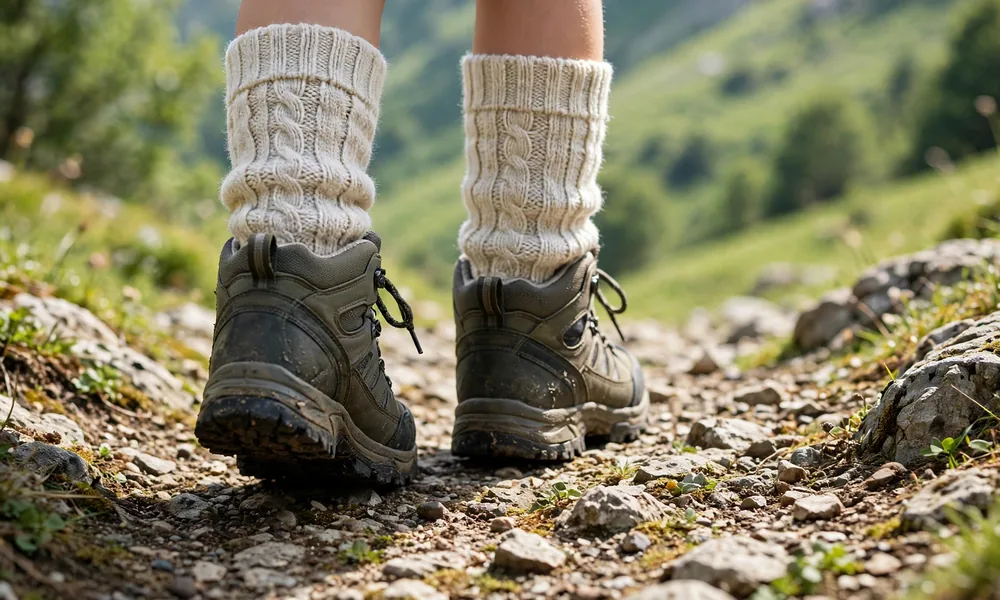
Start with fit, because nothing else matters if the boot does not fit. Measure both feet in the afternoon, when feet are slightly larger, and always try boots on with hiking socks. There should be a thumb’s width between the longest toe and the end of the boot, and the heel should stay put when walking uphill.
Waterproof or Not?
Waterproof boots use a membrane that keeps water out while letting sweat escape, and they are the right choice for wet climates, stream crossings and muddy trails. Non-waterproof boots breathe better and dry faster, so they suit hot, dry conditions. If you hike mostly in summer heat, breathability may matter more.
Ankle Support: Mid or Low?
Mid-height boots wrap the ankle and protect it from twists, knocks and brambles, which makes them the better choice for rough, uneven or steep ground. Low-cut hiking shoes are lighter and cooler, and they suit flat, well-made paths and confident older children. For a first pair, mid-height is the safer bet.
Grip and Soles
Turn the boot over before you buy it. Look for deep, widely spaced lugs in a soft, sticky rubber compound, with a defined heel brake for descents. Flat soles with shallow tread slip on wet grass and mud, however good the rest of the boot is.
Sizing and Fit Checklist
Use this checklist every time you buy, because children’s feet change fast and a size that fitted in spring may pinch by autumn.
- Measure both feet, buy for the larger one, and leave a thumb’s width at the toe.
- Try boots on with hiking socks, not thin school socks.
- Check the heel does not lift uphill and the toes do not hit the front downhill.
- Look for a wide toe box so toes can spread naturally.
- Choose laces your child can tighten and loosen without help.
- Walk around for ten minutes and check for pressure points or rubbing.
Breaking In New Hiking Boots
Good kids hiking boots need very little breaking in, but a little preparation still helps. Let your child wear the boots around the house for an hour or two, then on short walks to the park, before tackling a long hike. This softens the materials and reveals any pressure points early.
What Else to Pack for a Kids Hike
Boots are only part of the kit. A comfortable day pack makes the walk far more enjoyable, and the best travel backpacks for kids are sized for small shoulders, with chest straps and padded backs that stop the load bouncing around. Let your child carry their own water bottle, snacks and waterproof jacket.

Common Mistakes to Avoid
The most common mistake is buying boots a size too big to grow into. A little growing room is sensible, but boots that are far too large cause blisters, tripping and sore ankles. Buy the right size now, and accept that you will replace them sooner.
The second mistake is choosing fashion over function. Trainers soak through and offer no ankle support, wellies have no grip or cushioning, and fashion boots are stiff and heavy. The third mistake is skipping socks: cotton socks hold sweat and cause blisters, while proper hiking socks wick moisture and cushion the foot. For adult options, see our guide to the best hiking boots.

Frequently Asked Questions
What size hiking boots should I buy for my child?
Buy the size that fits now, with a thumb’s width of growing room at the toe. Measure both feet, try boots on with hiking socks, and check the heel stays put and the toes do not touch the front downhill. Never buy two sizes up to grow into.
Do kids really need waterproof hiking boots?
For wet climates, muddy trails and stream crossings, yes: waterproof boots keep feet warm and dry, which keeps children happy and walking. For hot, dry summer hiking, a breathable non-waterproof boot can be more comfortable.
How long should kids hiking boots last?
Most children outgrow their boots before they wear them out, usually within six to twelve months. A well-made boot should survive a full season of regular weekend walks with no sole separation or leaking.
Are mid-height boots better than low hiking shoes for kids?
Mid-height boots give better ankle support and protection on rough, steep or uneven ground, so they are the safer choice for most family hikes. Low hiking shoes suit flat, dry paths and older children who want a lighter feel.
Can kids hike in trainers instead of boots?
Trainers are fine for short, flat, dry walks, but they offer no ankle support, little grip on mud, and no waterproofing. For proper trails with rocks, roots and wet ground, hiking boots are much safer.
How do I clean kids hiking boots after a muddy walk?
Let the mud dry, brush it off, then wash with lukewarm water and a soft brush. Never use a washing machine or direct heat, and stuff the boots with newspaper to help them dry and hold their shape.
The Bottom Line
The best hiking boots for kids 2026 are comfortable, waterproof, grippy and light enough that children forget they are wearing them. For most families, the Merrell Moab 3 Mid Waterproof is the best all-round choice, with the Keen Targhee IV best for wide feet, the Salomon XA Pro 3D best for lightweight summer walking, and the Columbia Newton Ridge Plus II best for value. Buy the right size, pair them with proper hiking socks, and break them in on short walks first.