The Best Hummus for Every Snack in 2026
Hummus is the snack that never really goes away: the tub that turns carrot sticks into lunch, the bowl that keeps a party fed, and the spread that makes a plain sandwich worth eating. Yet not all hummus is equal — some tubs are silky, nutty and bright, others gritty, bland or oddly sour, and the difference is rarely obvious from the packaging.
The best hummus for every snack in 2026 is not one tub but the right tub for the job — smooth and classic for dipping, thick and sturdy for spreading, spicy or herby when the snack needs a lift. This guide sorts the shelf by texture, flavour, ingredients and freshness, and matches each style to the snack it suits best.
Key takeaways
- Good hummus is smooth, creamy and nutty, with lemon and garlic in balance — grittiness, sourness or a flat, starchy taste mark a poor tub.
- Classic hummus suits almost every snack; spicy, roasted garlic and herby versions earn their place when the dip is the main flavour.
- The ingredient list should start with chickpeas and tahini, with no long list of starches, gums or artificial flavourings.
- Thick hummus spreads better and holds toppings; thinner hummus is better for dipping and drizzling.
- Keep it refrigerated, eat it within a few days of opening, and never dip straight into the tub you plan to keep.
What makes hummus good
Real hummus has four ingredients at its heart: chickpeas, tahini, lemon and garlic, plus salt and olive oil. Everything else is optional — flavour comes from the quality of those four and the care in blending them. Chickpeas should be cooked until completely soft, the tahini generous, the lemon fresh, and the garlic present but not aggressive. When any one is wrong, the tub suffers: undercooked chickpeas make it gritty, too little tahini makes it starchy, too much lemon makes it sour, raw garlic overwhelms everything else.
Texture is the first thing you notice: the best hummus spreads with the back of a spoon, with a slight sheen of oil on top, holding its shape but yielding easily to bread. Flavour should be nutty first, from the tahini, then bright from the lemon, then savoury from the salt. A good tub tastes made in a kitchen, not a factory — and tahini decides which side of that line it falls on. Our guide to choosing tahini that actually tastes good explains why the sesame paste matters so much.
Hummus styles compared
| Style | Texture and flavour | Best snack for it |
|---|---|---|
| Classic | Smooth, nutty, gently lemony | Warm pita, raw vegetables, crackers |
| Spicy harissa | Warm heat, smoky, bold | Flatbread, grilled vegetables, wraps |
| Roasted garlic | Mellow, sweet, deeply savoury | Crusty bread, sandwiches, roasted potatoes |
| Herb and lemon | Fresh, green, bright | Crudités, salads, grain bowls |
| Beetroot | Earthy, sweet, vivid pink | Party platters, cheese boards, toast |
| Chunky or rustic | Thicker, visible chickpea texture | Hearty dipping, toast, baked potatoes |
A well-made classic beats a mediocre flavoured tub every time. Flavoured hummus suits snacks where the dip is the star; classic suits snacks where the dip supports something else, like good bread or fresh vegetables.
Reading the tub before you buy
Start with the ingredient list, which should begin with chickpeas and tahini, not water or starch. A short list is a good sign; a long one full of modified starch, gums and flavourings means the producer is stretching cheap chickpeas and masking thin flavour. Salt should appear far down the list, and the oil should be olive or sunflower — palm oil is a shortcut worth avoiding.
Look at the tub: good hummus is pale cream to light beige, smooth on the surface, with a thin layer of oil or a dusting of paprika on top. Grey edges, a watery layer that will not mix back in, or a sour smell on opening all mean the tub is past its best, whatever the date says. Choose the longest life left, and prefer smaller tubs if you eat hummus slowly — a large tub open for two weeks tastes worse by the end than a small tub finished in three days.
The texture test
Look before you taste: the surface should be smooth, with soft swirls, not cracked, dry or weeping liquid. Press a spoon in — good hummus yields easily and holds a soft peak, like thick yoghurt. If it crumbles, it is too dry; if it slumps into a puddle, it is too thin. Neither will dip or spread well.
Taste it plain first, on a fingertip or a plain cracker: nutty and creamy first, then a gentle lift of lemon, then salt. Grittiness that does not disappear means under-blended chickpeas; a sour taste means too much citric acid or a tub that is turning; a flat, starchy taste means too little tahini. Good hummus tastes complete on its own — toppings should add to it, not rescue it.
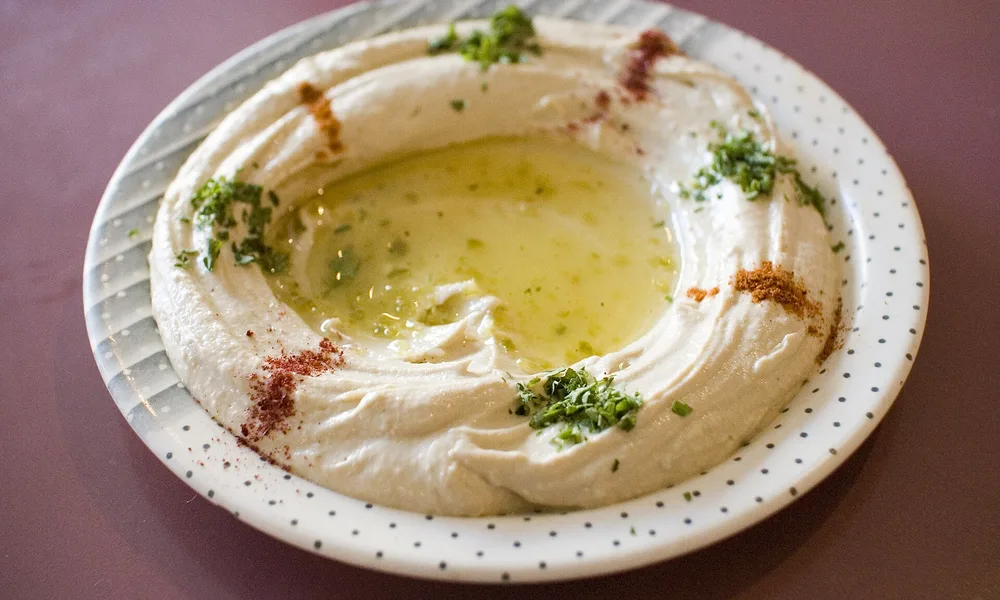
Thickness decides what the hummus can do. A thick, sturdy hummus spreads cleanly on toast and sandwiches without soaking through, and holds toppings without collapsing. A looser hummus is better for dipping and for drizzling thinned over bowls and salads. If a tub is too thick for dipping, a spoonful of water or olive oil stirred in will loosen it.
What to snack with it
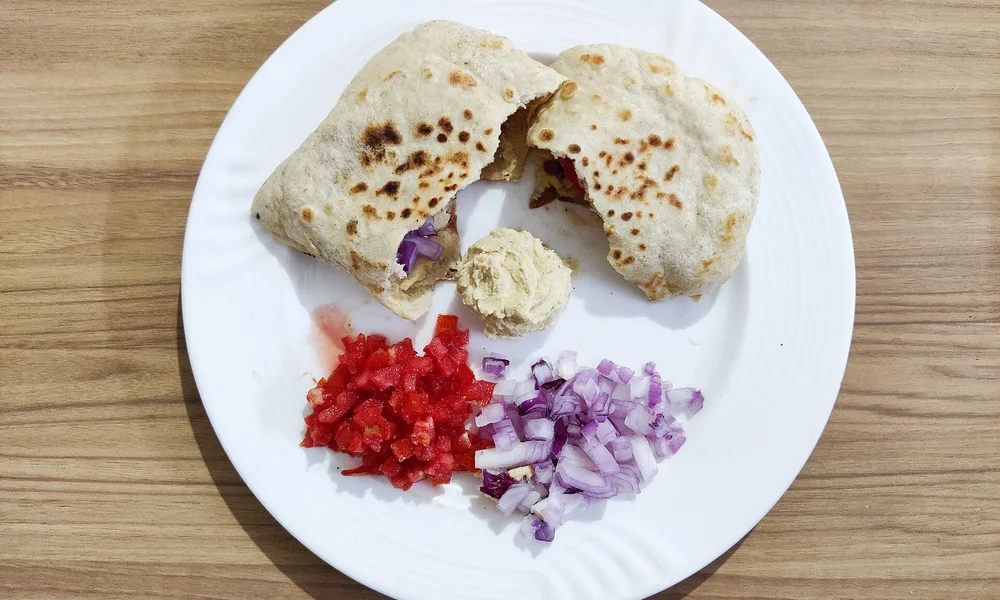
Warm pita is the classic partner: soft, slightly chewy bread torn into pieces is the easiest way to scoop hummus, and a minute of warming makes the whole snack better. Cut vegetables are the everyday option — carrot and cucumber sticks, pepper strips, celery and radishes — and their crunch is the perfect contrast to the creamy dip. Crackers suit a firmer hummus, and a platter of mixed dippers turns one tub into a snack for a group.
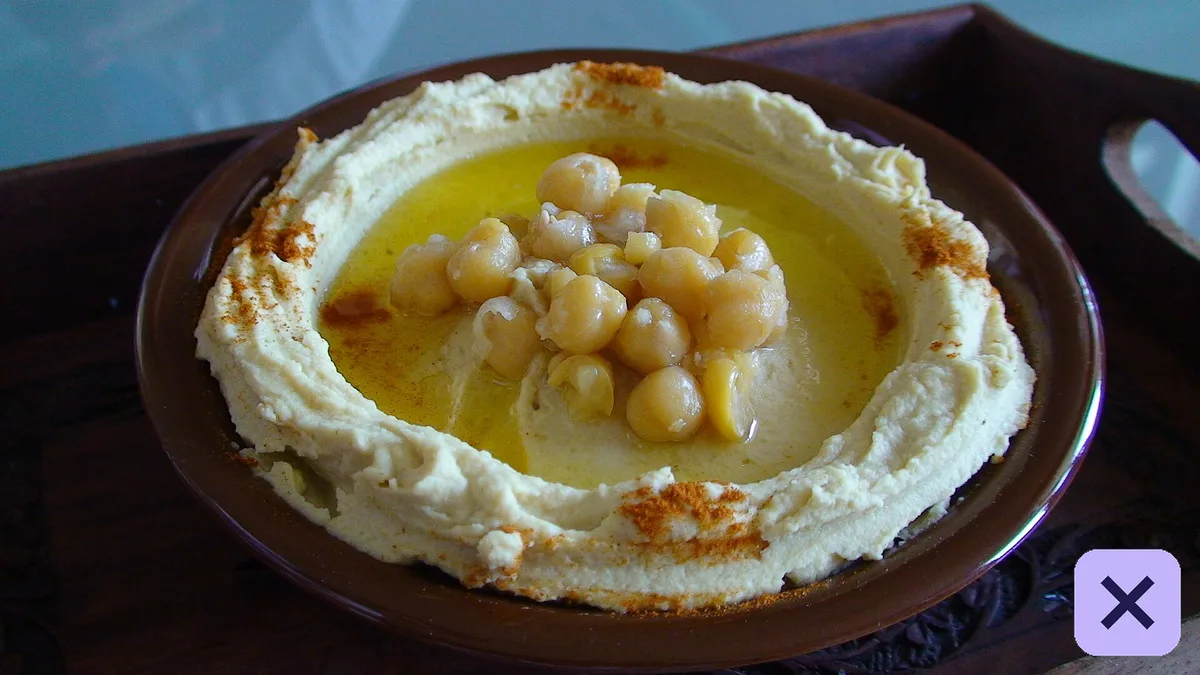
Beyond dipping, hummus works as a spread on sandwiches and wraps, replacing mayonnaise with something far more interesting, and as a base for grain bowls, spooned under roasted vegetables, falafel or grilled chicken. A dollop on a baked potato, a smear on toast with tomato and salt, or a spoonful thinned with water as a salad dressing all stretch one tub a long way. For the finish, a drizzle of olive oil, a pinch of paprika or sumac, and a few whole chickpeas turn a plain tub into something deliberate.
Buying versus making it yourself
Shop-bought hummus is convenient, and the best tubs are genuinely good, but homemade has two advantages no tub can match: you control the tahini, and you control the texture. The trick is soft chickpeas — cooked until falling apart, or tinned chickpeas simmered for twenty minutes with bicarbonate of soda — and a powerful blender or food processor that can run for several minutes without overheating. If you make it often, the right machine matters: our guide to the best food processors covers the models that handle chickpeas smoothly without stalling.
Homemade hummus also lets you adjust the balance: more tahini for richness, more lemon for brightness, roasted garlic instead of raw for sweetness. It keeps for four or five days in the fridge and freezes well in small portions, so a big batch on a Sunday covers snacks all week. Shop-bought wins on busy days and for fiddly flavoured varieties; homemade wins whenever you want the smoothest, richest result and have twenty minutes to spare.
Storing hummus so it stays fresh
Hummus is a fresh food and should be treated like one. Keep it refrigerated, eat it within three to five days of opening, and never leave it out for hours — two hours at room temperature is the limit, less on a hot day. Serve with a clean spoon, and never dip straight into the tub you plan to keep, since crumbs and bacteria from a shared dip shorten its life.
If the surface darkens or liquid gathers on top, stir it back in — both are normal. If it smells sour, tastes sharp or has any mould, throw it away, whatever the date says. Plain hummus freezes well: portion it into small containers, freeze for up to three months, thaw overnight in the fridge, and stir in a little olive oil to restore the texture. Flavoured hummus freezes less well.
Mistakes that spoil good hummus
The most common mistake is serving it cold from the fridge, which mutes the flavour and stiffens the texture — let the tub sit out for fifteen minutes and stir it well. The second is buying a tub far too big, so the last third is eaten a week later, tired and sour. The third is pairing it with dippers that fight it — very salty crackers or heavily spiced crisps bury the hummus instead of showing it off. The fourth is skimping on toppings: a plain tub served flat, with no oil or paprika, looks like an afterthought, while thirty seconds of dressing transforms it. The fifth is storing it badly, lid loose or tub left open, which dries the surface and invites off flavours.

Checklist: choosing your hummus
- Ingredients start with chickpeas and tahini, short list, no palm oil.
- Colour is pale cream to light beige, smooth on the surface, with no grey edges.
- A plain taste is nutty and creamy first, then lemony, with no grittiness or sourness.
- Texture holds a soft peak but yields easily to a spoon or a piece of bread.
- The tub is small enough to finish within three to five days of opening.
- It smells fresh and nutty when opened.
Frequently asked questions
Why is shop-bought hummus sometimes gritty?
Grittiness usually means undercooked or under-blended chickpeas, or too little tahini. A good tub feels creamy within a few seconds. A spoonful of olive oil can help slightly, but it cannot fix a badly made tub.
How long does hummus last once opened?
Three to five days in the fridge is the safe guide, and sooner is better for flavour. Use a clean spoon, keep the lid tight, and throw it away if it smells sour, tastes sharp or shows mould, whatever the date says.
Can you freeze hummus?
Yes, plain hummus freezes well for up to three months in small portions. Thaw it overnight in the fridge and stir in a little olive oil to restore the texture. Flavoured hummus freezes less well, as the toppings lose their freshness.
Is hummus healthy?
Generally, yes: chickpeas bring fibre and plant protein, tahini brings healthy fats and minerals, and olive oil adds more good fats. Check the salt and the oil — and remember that what you dip in it matters as much as the hummus itself.
What is the best thing to dip in hummus?
Warm pita is the classic, and raw vegetables are the everyday favourite: carrot, cucumber, pepper and celery all work. Crackers and flatbreads suit firmer tubs, and a mix of dippers turns one tub into a snack for a group.
Why does my homemade hummus never taste like the shop’s?
Usually it is the tahini, the chickpea softness or the blending time. Use plenty of good tahini, cook the chickpeas until falling apart, and blend for several minutes — longer than feels necessary — until pale and smooth.
The bottom line
The best hummus for every snack in 2026 is a fresh tub with chickpeas and tahini at the top of the ingredient list, a smooth texture that holds a soft peak, and a flavour nutty first and lemony second. Buy classic for everyday dipping, flavoured when the dip is the star, and small tubs you will finish in a few days. Serve it at room temperature, dressed with oil and paprika, with warm bread or crisp vegetables.