An iced mocha should taste like a cafe cup: cold, chocolatey, and unmistakably coffee, with chocolate and espresso in balance and ice that chills without watering the drink down. Most homemade versions miss on one point: too sweet, because syrup does all the work; too weak, because the ice melts before the first sip; or too milky, because the milk went in before the chocolate dissolved. Getting it right is about build order, ratios, and cold ingredients.
The drink is simple: espresso, cold milk, chocolate, and ice. The skill is in how they meet. The chocolate must dissolve before the cold milk goes in, the espresso must be strong enough to survive dilution, and the ice must chill the drink fast without turning it into brown water. This guide covers the iced preparation only: the cold build, the ratios, and the chocolate that works cold.
Key Takeaways
- An iced mocha is espresso, chocolate, cold milk, and ice, built in that order.
- Dissolve the chocolate in the hot espresso before adding anything cold, or it will never mix properly.
- Use a double shot over plenty of ice and cold milk from the fridge, so the drink chills fast without diluting.
- Unsweetened cocoa or melted dark chocolate beats syrup for flavour; syrup adds sweetness you cannot take back.
- Stir before the first sip and drink it within twenty minutes, before the ice melts.
What an Iced Mocha Actually Is
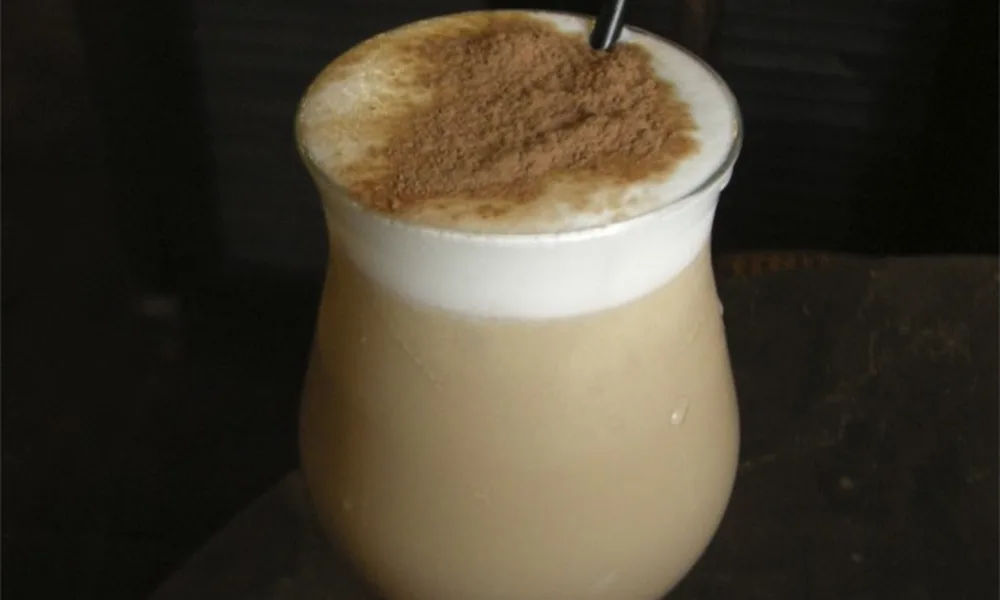
An iced mocha is a cold chocolate-coffee drink built on espresso: a double shot mixed with chocolate, poured over ice, and finished with cold milk, usually in a tall glass. It should taste like coffee first and chocolate second, with the milk rounding the edges. It is not a milkshake, not a chocolate milk with coffee in it, and not a hot mocha poured over ice as an afterthought.
The iced version is harder than the hot one, and the reason is temperature. Cold dulls bitterness and sweetness alike, so a recipe that tastes balanced hot will taste flat and too sweet cold. Chocolate also behaves differently cold: syrup sinks, cocoa clumps, and melted chocolate sets into flecks if it hits ice too soon. Everything that needs heat, the espresso and the chocolate, must meet while both are still hot, and everything cold must arrive afterwards, in the right order.
The Build Order That Matters
Start with the chocolate in the bottom of the glass. For unsweetened cocoa powder, add one to two teaspoons with a tiny splash of hot water, just enough to make a smooth paste with no dry lumps. For chocolate sauce, one tablespoon is enough. For melted dark chocolate, pour it in while still liquid and warm. Keep the glass at room temperature, not chilled: cold glass sets melted chocolate before it can mix.
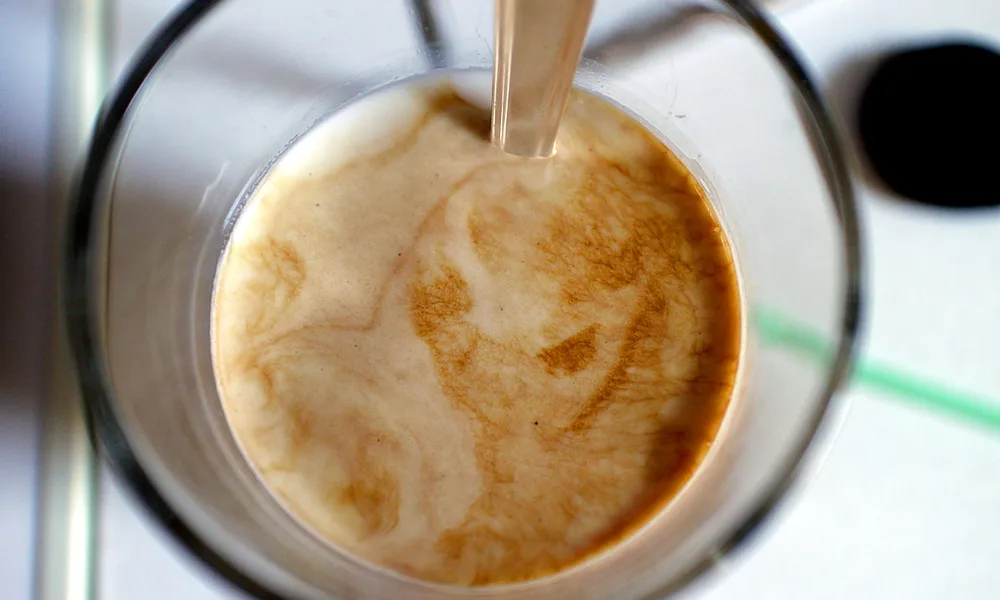
Pull a fresh double shot, about 36 to 40 millilitres, directly onto the chocolate, and stir at once until the mixture is smooth and dark. This is the only moment the drink is hot, and it decides whether the chocolate disappears into the coffee or survives as gritty lumps. Stir for a good ten seconds and check the bottom of the glass: any dry cocoa hiding there will never dissolve once the milk goes in.
Now add the cold milk, about 120 to 150 millilitres, poured slowly so it mixes rather than sitting on top. Whole milk is richest; oat milk is the best dairy-free choice, staying creamy cold. Stir briefly, then fill the glass with ice. The ice goes in last, so it chills the drink without melting into it while you build.
Chocolate: Cocoa, Sauce, or Melted?
The chocolate decides the flavour more than anything else in the glass. Unsweetened cocoa powder gives the cleanest taste: dark, slightly bitter, and fully under your control, because you decide how much sweetness to add, if any. It needs the hot espresso to dissolve, which is why it goes in first, and a good stir gives a smooth, deep flavour that lets the coffee through. For most people making iced mochas at home, cocoa is the best choice.
Chocolate sauce is the fastest option and the one most cafes use, because it is consistent and quick. The problem is that sauce is mostly sugar with chocolate flavouring, so it sets the sweetness before you have tasted the drink, and you cannot take it back. One tablespoon is the most a standard glass needs. If your iced mochas always taste too sweet, the sauce is the first thing to cut.
Melted dark chocolate gives the richest result, with a silky body neither cocoa nor sauce can match, but it is hardest to handle cold. It must be mixed into the hot espresso and stirred well before any cold milk or ice arrives, or it sets into flecks. Use about 15 grams of dark chocolate, at least 70 percent cocoa, stirred until glossy. White chocolate is a different drink: much sweeter, it hides the coffee, and it belongs in a white chocolate mocha.
Ratios for a Cafe-Tasting Cup
The ratio for a standard tall glass, about 350 millilitres, is one part espresso to three parts cold milk, with chocolate to taste and ice to the top.
| Version | Espresso | Cold milk | Chocolate | Ice |
|---|---|---|---|---|
| Classic iced mocha | Double shot, 36 to 40 ml | 120 to 150 ml | 1 to 2 tsp cocoa | Full glass |
| Strong iced mocha | Double shot, ristretto | 100 ml | 1 tsp cocoa | Full glass |
| Mild iced mocha | Single shot, 18 to 20 ml | 150 ml | 1 tsp cocoa | Full glass |
| Sauce version | Double shot, 36 to 40 ml | 120 to 150 ml | 1 tbsp sauce | Full glass |
| Small glass | Double shot, 36 to 40 ml | 90 ml | 1 tsp cocoa | Full glass |
The strong version is the one to try first if your iced mochas taste weak: less milk, same coffee. The mild version is the only one that cuts the coffee, keeping the milk high so the drink stays a mocha. The small glass is the cafe trick: the same double shot in a smaller glass tastes far stronger, because the ratio decides the flavour.
Ice, Milk, and Temperature
Ice is an ingredient, not an afterthought. Fill the glass to the top: a full glass chills the drink fast and the cubes melt slowly, while a half-full glass leaves it lukewarm and the few cubes melt quickly into it. Large cubes are better than small ones. Coffee ice cubes, made by freezing leftover brewed coffee, are better still, because they chill without watering the drink down.
The milk must be cold, straight from the fridge, and the espresso must be hot when it meets the chocolate, then chilled fast by the milk and ice. Every step in between is a chance for the drink to go lukewarm: too warm to be refreshing, too cold to taste like coffee. Keep the milk in the fridge until the pour, and build quickly once the espresso is pulled. A drink assembled in two minutes tastes brighter than one assembled in ten.
Temperature also explains why iced mochas taste sweeter than hot ones from the same recipe. Cold dulls the bitterness of both coffee and chocolate, so the sweetness stands out more. The iced version needs less chocolate and less sugar than the hot one, and a recipe copied from a hot mocha will always taste too sweet cold. If you adapt a hot recipe, cut the chocolate by a third.
Iced Mocha vs Its Neighbours
The nearest neighbour is the hot mocha, and the difference is not just temperature. A hot mocha is espresso, steamed milk, and chocolate, built hot and drunk warm. Our guide to how to pick a mocha that is not too sweet covers the hot drink and its syrup problem. The iced mocha is a separate build: cold milk instead of steamed, ice instead of heat, and chocolate that must dissolve before anything cold arrives.
Iced coffee is the other neighbour: brewed coffee poured over ice, usually without chocolate or milk. Our guide to the best iced coffee in 2026 explains how to keep a cold coffee balanced, and the same ice and dilution rules apply here. The difference is that an iced mocha adds chocolate and milk, so the coffee underneath has to be stronger to be tasted. Cold brew is a third neighbour, and a cold brew mocha is a real variation. Our guide to how to choose cold brew coffee that tastes smooth covers the base, and the same build order applies, with cold brew replacing the espresso.
Mistakes That Ruin an Iced Mocha
The most common mistake is adding the chocolate after the milk. Cocoa clumps in cold milk, sauce sinks, and melted chocolate sets into flecks, and no stirring afterwards will fix it. Chocolate always goes in first, while the espresso is still hot. The second mistake is weak coffee: a single shot in a tall glass, or espresso that has sat and gone flat, disappears under the milk and chocolate. Use a fresh double shot, pulled to order.
The third mistake is too little ice: a few cubes melt fast, dilute the drink, and leave it lukewarm. Fill the glass to the top. The fourth is warm milk, which melts the ice before the drink is built. Keep the milk in the fridge until the pour. The fifth is too much sauce: three pumps of syrup is the cafe default, and it is why most cafe iced mochas taste like dessert. One tablespoon is enough.
Checklist: Your Iced Mocha, Done Right
- Put the chocolate in the glass first: cocoa, sauce, or melted dark chocolate.
- Pull a fresh double shot, about 36 to 40 millilitres, straight onto the chocolate.
- Stir for ten seconds until smooth, with no dry cocoa at the bottom.
- Add 120 to 150 millilitres of cold milk, and stir briefly.
- Fill the glass to the top with ice, large cubes if you have them.
- Stir once more, taste, and drink it within twenty minutes.
Frequently Asked Questions
What is an iced mocha?
An iced mocha is espresso, chocolate, cold milk, and ice. The chocolate is dissolved in the hot espresso first, then cold milk is added and the glass is filled with ice. It should taste like coffee first and chocolate second.
How is an iced mocha different from a hot mocha?
A hot mocha uses steamed milk and is drunk warm, while an iced mocha uses cold milk and ice. The iced version needs less chocolate and sugar, because cold dulls bitterness and makes sweetness stand out.
Can I make an iced mocha without an espresso machine?
Yes. Strong moka pot coffee or a double-strength AeroPress brew works well, hot and strong, about 40 millilitres, mixed with the chocolate at once. Weak drip coffee disappears under the milk and chocolate.
What is the best chocolate for an iced mocha?
Unsweetened cocoa powder is best for most people: dark, slightly bitter, and fully under your control. Chocolate sauce is faster but much sweeter, and melted dark chocolate is richest but hardest to handle cold.
Why does my iced mocha taste too sweet?
Usually the chocolate sauce: most cafes use three or four pumps, and sauce is mostly sugar. Cut back to one tablespoon, or switch to unsweetened cocoa, and taste before adding any sugar.
Why does my iced mocha taste weak?
Usually the coffee is too weak or the ice has melted into it. Use a fresh double shot, fill the glass with large ice cubes, and use a smaller glass if the drink still tastes thin.
The Bottom Line
An iced mocha that tastes like a cafe cup comes from build order, not equipment: chocolate first, hot espresso onto it, a good stir, cold milk, and a glass full of ice. Use a fresh double shot, unsweetened cocoa, and less sweetness than you think, and drink it within twenty minutes.