
Every small business reaches the same moment: the moment it stops knowing what it has. A shelf is empty when a customer asks for something, a box of stock sits forgotten in a back room, and the spreadsheet that was supposed to track it all is three months out of date. Inventory software fixes that in the simplest way possible: it keeps a live count of everything a business owns, where it is, and what it is worth. The best inventory software of 2026 is not the most complicated system. It is the software that a small team actually uses every day, that updates itself when stock moves, and that answers the only question that matters: what do we have, and what do we need?

What Makes Inventory Software Good
The first thing to judge is how easy it is to keep accurate. Software that needs hours of data entry every day will be abandoned within a month, no matter how powerful it is. The best systems update stock automatically when a sale is made, when a delivery arrives, or when a barcode is scanned, so the count stays right without anyone thinking about it. Accuracy that happens by itself is the first test.
The second thing is the alerts. A business does not need a report to know it is out of stock; it needs a warning before it happens. The best software watches stock levels and warns the owner when an item is running low, when a product has not sold in months, and when a supplier’s delivery is late. A low-stock alert that arrives in time to reorder is worth more than any dashboard, because it turns a stockout into a routine order.
The Main Types of Inventory Software
Simple stock trackers are the starting point. They keep a list of products, a count of each one, and a record of what came in and what went out, and they do it from a phone or a laptop. They suit a small shop, a market stall or an online seller with a few dozen products, and they cost very little. The trade-off is depth: a simple tracker will not handle multiple warehouses, it will not forecast demand, and it will not talk to an accounting system.
Retail inventory systems are the next step up. They connect the stockroom to the till, so every sale updates the count, and they handle barcodes, suppliers, purchase orders and multiple shops. They suit a shop with a till, a cafe with ingredients, or a small chain with two or three branches, and they usually include a point-of-sale system as well. For a shop that sells all day, though, it is the system that keeps the shelves full.
Warehouse management systems are the heavy option. They track stock across multiple warehouses, manage picking and packing, handle barcodes and locations down to the shelf, and integrate with couriers and marketplaces. They suit a business that ships hundreds of orders a day, and they are the only option when stock lives in more than one place. For a growing e-commerce business, they are the system that makes the next stage possible.
Cloud inventory software is the flexible option. It lives online, so the owner can check stock from home, from a supplier’s office or from a phone on the shop floor, and the whole team sees the same numbers at the same time. It usually works on a monthly subscription, it updates itself, and it connects to accounting, e-commerce and shipping tools. For a business with more than one person touching stock, cloud is the natural choice.
Manufacturing inventory systems are the specialist option. They track raw materials as well as finished goods, they manage bills of materials, and they know how much of each ingredient goes into each product. They suit a business that makes things, from a bakery to a furniture workshop, and they are the only systems that can answer how many finished products can be made from the materials on hand.
How to Choose the Right Software
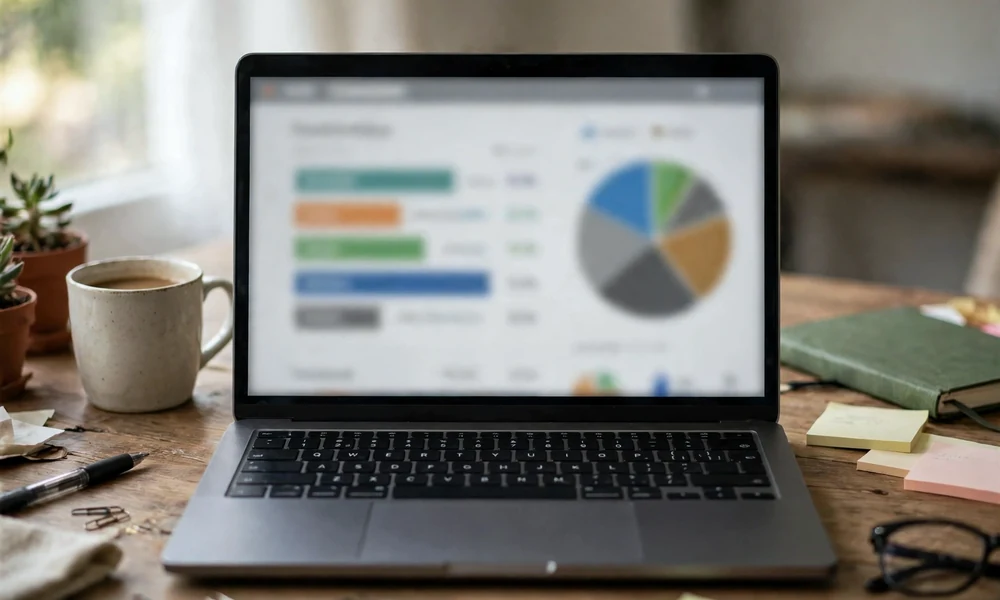
Start with the business, not the software. A market stall needs a simple tracker on a phone, while a shop with a till needs a retail system, and a business shipping hundreds of parcels needs a warehouse system. Count the products, count the places stock lives, count the people who will use it, and buy the software that matches those numbers. The right system is the smallest one that does the job properly.
Then check what it connects to. Inventory software that does not talk to the accounting system will create double entry, and inventory that does not talk to the online shop will sell things that are not in stock. The best systems connect to the tools the business already uses, whether that is an accounting package, an e-commerce platform or a courier. Check the integrations before buying, and test them with a real order, because a connection that works in a demo and fails in practice is worse than no connection at all.
The Best Inventory Software of 2026
The best simple tracker for most small businesses this year is a cloud-based app that keeps a live count of every product, updates itself when a sale is made, and sends a low-stock alert before a shelf goes empty. It works from a phone, it scans barcodes with the camera, and it takes an afternoon to set up. It suits a small shop, a market stall or an online seller with a few dozen products, and it costs less than a daily coffee. For a business that just needs to know what it has, this is the software to buy.
The best retail system of 2026 is a combined point-of-sale and inventory platform that connects the till to the stockroom, so every sale updates the count and every delivery updates the shelves. It handles suppliers, purchase orders and multiple branches, and it shows the owner at a glance what is selling and what is gathering dust. It needs a proper setup, but once it is running, it keeps a shop honest about its stock. For a shop that sells all day, this is the system that keeps the shelves full.
The best warehouse system is a cloud platform that tracks stock across multiple locations, manages picking and packing, and connects to couriers and marketplaces so an order flows from sale to shipment without retyping. It handles barcodes down to the shelf, it forecasts when stock will run out, and it scales from a single room to a network of warehouses. It is the most expensive option in this guide, but for a business shipping hundreds of orders a day, it is the system that makes growth possible.
The best software for makers is a manufacturing inventory system that tracks raw materials and finished goods together, knows how many products can be made from what is on hand, and warns the owner when an ingredient is running low. It suits a bakery, a workshop or any business that makes what it sells, and it turns guesswork into a shopping list. It is niche, but for a maker, it is the only system that answers the question that matters: what can we make today?
The best free option is a simple spreadsheet-based tracker with barcode scanning and low-stock alerts that costs nothing to start. It will not handle multiple warehouses, and it will not forecast demand, but it keeps an accurate count, it works from a phone, and it is the best way to find out whether a business needs inventory software at all. For a first try, for a side business, or for a shop with a handful of products, this is the place to start.
What Else You Need
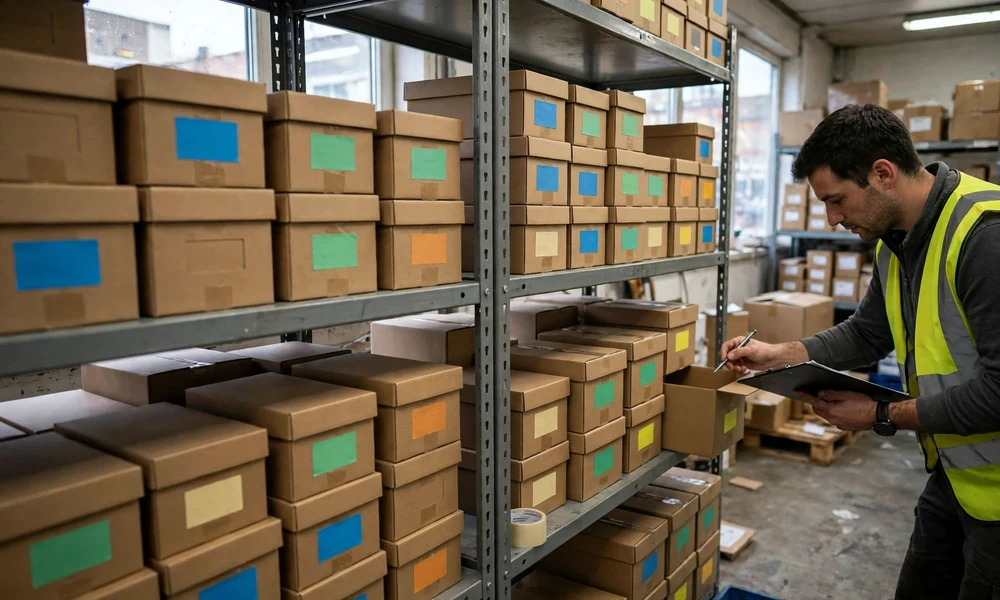
Software works best with a little hardware. A barcode scanner, even a phone camera used as one, makes counting stock fast and accurate, and a label printer means every box and shelf can be marked clearly. A regular stocktake, once a month for a small shop and once a week for a busy one, catches the errors that software cannot see, like damaged goods and misplaced boxes. A clear naming system for products, so the same item is never listed twice under two names, is worth more than any feature. None of this is expensive, and all of it makes the software honest.
Common Mistakes to Avoid
The biggest mistake is buying software before fixing the stockroom. If the shelves are a mess, if products have no labels, and if nobody knows what is where, then no software will help, because the software will only record the mess accurately. Sort the stockroom first, label everything, and then buy the software. The second mistake is choosing a system that is too complicated: a team that does not use the software will keep using the spreadsheet, and the business will end up paying for both. Buy the simplest system that does the job.
Another common mistake is forgetting the suppliers. Inventory software is only as good as its supplier records, and a system that does not know who supplies what, at what price, and how long delivery takes, cannot reorder properly. Keep the supplier details up to date, and set reorder points that leave time for delivery. And do not forget the dead stock: a product that has not sold in six months is money sitting on a shelf, and the software should be used to clear it, not to keep counting it.
How Inventory Software Fits a Small Business
Good inventory software changes a business in a quiet way. The owner stops guessing, the shelves stop running empty, and the money stops sitting in stock that does not sell. That clarity is the real benefit, more than any report, and it is why businesses that adopt inventory software rarely go back to a spreadsheet. The same care that goes into stock goes into the money it represents, and readers sorting out their business finances will find the best accounting software guide useful for the other half of the picture: what the business owns and what it is worth.
Customers matter as much as stock, and a business that knows what it has should also know who buys it. A customer list is as valuable as a stock list, and the best CRM software guide covers the systems that keep track of customers, orders and follow-ups. And because stock is only useful when it turns into sales, the best tax software guide helps make sure the money it brings in is counted properly. Stock, customers and tax: the three things a small business actually runs on.
The Verdict
The best inventory software of 2026 is the one the team actually uses. For most small businesses that means a simple cloud tracker: cheap, easy and accurate enough to keep the shelves full. For a shop with a till, a retail system is the better tool. For a business shipping hundreds of orders, a warehouse system is the only real answer. Whatever the choice, sort the stockroom first, buy the simplest system that does the job, and set the alerts before the shelves run empty. Software chosen this way will not just count stock; it will keep a business honest about what it has, and that is worth more than any feature list.


