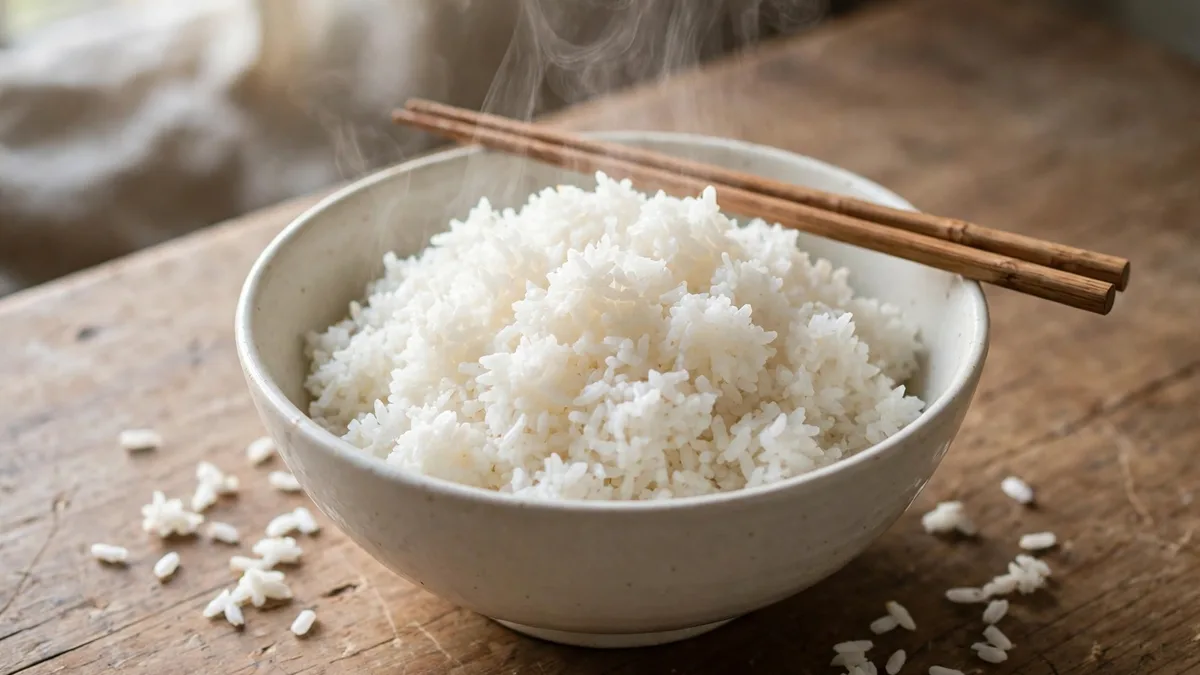
Jasmine rice is the smell that tells you a Thai restaurant is doing things properly before the food even reaches the table. That soft, floral perfume rising from a bowl of freshly steamed jasmine rice is not a garnish or a trick of the kitchen. It is the grain itself, and it is the reason so many home cooks buy a bag, cook it like any other white rice, and then wonder why their version smells faintly of nothing. Jasmine rice rewards a little attention: the right grain, a proper rinse, the right amount of water, and a rest after cooking. Get those four things right and the rice on your table smells like the restaurant, even on a Tuesday night.
Key Takeaways
- Buy Thai Hom Mali jasmine rice when you can: it is the most fragrant and the most consistent, and its aroma is the benchmark the rest is judged against.
- Smell the dry grain before you buy in bulk: good jasmine rice smells faintly sweet and floral from the bag, while stale rice smells dusty or flat.
- Rinse jasmine rice three or four times until the water runs almost clear, then use about one part rice to one and a quarter parts water.
- Never lift the lid while it cooks, and let the rice rest for ten minutes after the heat goes off before you fluff it with a fork.
- Jasmine rice suits stir-fries, curries and coconut rice best, because its soft, lightly sticky grains hold sauce without turning to mush.
What Makes Jasmine Rice Different
Jasmine rice is a long-grain white rice from Thailand, and its defining feature is aroma. The scent comes from a natural compound that also gives pandan leaves and popcorn their smell, and it is strongest in rice grown in the north-east of Thailand, where the soil and the climate suit the variety. Cooked jasmine rice is softer and slightly stickier than basmati, with grains that cling together just enough to pick up easily with chopsticks, but still separate when you fluff them. It is not a sticky rice in the glutinous sense. It is a soft rice, and that softness is what makes it so good with saucy food.
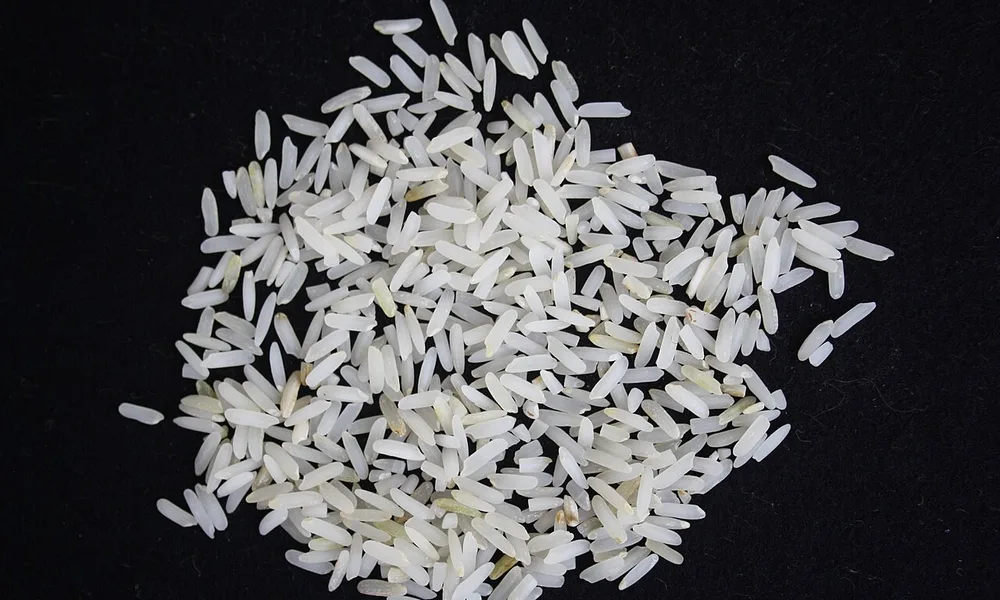
The grain itself tells you a lot before you cook it. Good jasmine rice has long, slender, slightly translucent grains that are mostly unbroken. A bag full of short, broken fragments will cook unevenly and turn mushy, because the small pieces overcook while the whole grains are still firm. Hold a handful up to the light and look for a pearly, almost glassy quality in the grain. Chalky, opaque grains are usually immature or badly milled, and they cook to a dull, starchy texture. The colour should be a clean, even white with no yellowing, which is a sign of age or damp storage.
Age matters more with jasmine rice than with most other white rices. Freshly harvested jasmine rice is at its most fragrant, and the aroma fades slowly over months in storage. That is why smaller bags bought more often beat one giant sack that sits in the cupboard for a year. If you cook jasmine rice more than once a week, a five-kilo bag is a sensible size. If you cook it once a month, buy the smallest bag you can find and use it up while the perfume is still there. Store it in a sealed jar in a cool, dry cupboard, away from strong smells, because dry rice absorbs the odours around it.
Thai Jasmine Rice vs Jasmine Rice From Elsewhere
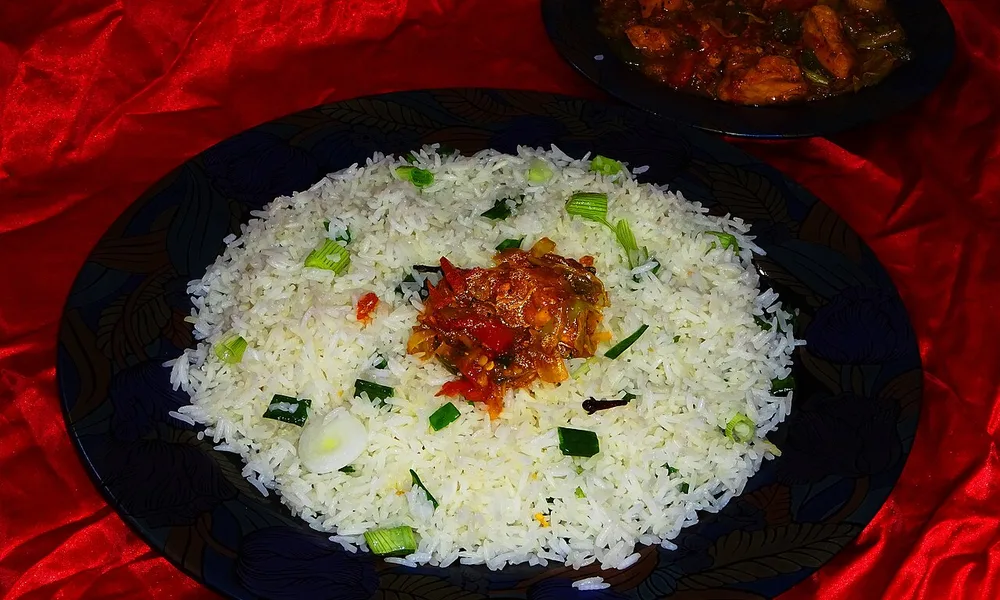
Thailand grows the jasmine rice the rest of the world measures itself against, and the best of it carries the Hom Mali name, which means fragrant jasmine. Hom Mali is a protected designation: rice sold under that name must be grown in Thailand from the approved variety, and it must pass checks on aroma and grain quality. It costs more than unbranded jasmine rice, and for everyday cooking the difference is worth it. The fragrance is stronger, the grains cook more evenly, and the quality from bag to bag is far more consistent.
How to Tell Good Jasmine Rice Before You Cook It
The checks take about a minute and they save you from a disappointing pot. First, smell the dry rice. Open the bag and take a proper sniff: good jasmine rice smells faintly sweet, floral and a little like fresh popcorn. If it smells of nothing at all, it is probably old. If it smells dusty, musty or faintly chemical, do not buy it, and do not cook a bag you already own that smells that way. Second, look at the grains. They should be long, slender and mostly whole, with a pearly translucency. A bag with a lot of broken grains will cook to a starchy paste at the bottom of the pot.
Rinsing, Water and the Steam That Makes It Smell Like the Restaurant
Rinsing is the step that separates restaurant jasmine rice from the gummy pot most home cooks produce. Dry jasmine rice carries loose surface starch from milling, and if you do not rinse it away, that starch turns to glue in the pot and the grains stick together in a solid mass. Put the rice in a bowl, cover it with cold water, and swirl it with your hand. Pour the cloudy water away and repeat three or four times, until the water runs almost clear. It takes two minutes, and it is the single biggest improvement you can make to your rice. Do not rinse it under a running tap in a sieve, which wastes water and rinses unevenly; the bowl method lets you see when the water clears.
Water is the second decision, and jasmine rice needs less than most people use. The reliable ratio is one part rice to one and a quarter parts water by volume, measured with the same cup for both. If your rice turns out wet, reduce the water a fraction next time rather than changing everything at once. If it turns out dry and hard at the centre, add a splash more. The ratio shifts a little with the age of the rice: older, drier grain absorbs more water, while a fresh harvest needs a touch less. A rice cooker handles the timing well, but the ratio still matters, and the resting rule still applies even to a machine.
Heat is the third decision, and it is simpler than it looks. Bring the pot to a boil, then turn the heat to the lowest setting that keeps a gentle steam, put the lid on, and leave it alone for twelve to fifteen minutes. Do not lift the lid to check. Every time the lid comes off, steam escapes, the temperature drops, and the cooking time stretches. When the time is up, turn the heat off and leave the pot alone for another ten minutes. This rest is when the steam finishes cooking the grains evenly and the moisture settles, so the rice at the bottom is not wet while the top is dry. Only then should you fluff it gently with a fork, lifting from the bottom so the grains separate without breaking.
Jasmine Rice Compared With Other Everyday Rices
Jasmine rice sits in the middle of the everyday rice family: softer and more fragrant than basmati, less sticky than sushi rice, and far quicker to cook than brown rice. The table below puts it next to the rices it is most often confused with, so you can see at a glance which one belongs in which dish.
| Rice | Grain | Aroma | Texture when cooked | Best for |
|---|---|---|---|---|
| Jasmine | Long | Floral, sweet | Soft, lightly sticky | Stir-fries, curries, coconut rice |
| Basmati | Extra long | Nutty, floral | Fluffy, separate grains | Curries, biryani, pilaf |
| Sushi rice | Short | Mild | Sticky, clumps gently | Sushi, rice bowls, onigiri |
| Brown rice | Long or short | Earthy | Chewy, firm | Grain bowls, salads |
| Long-grain white | Long | Neutral | Fluffy, separate | Everyday sides, fried rice |
Stir-Fry Pairing and the Dishes That Suit Jasmine Rice Best
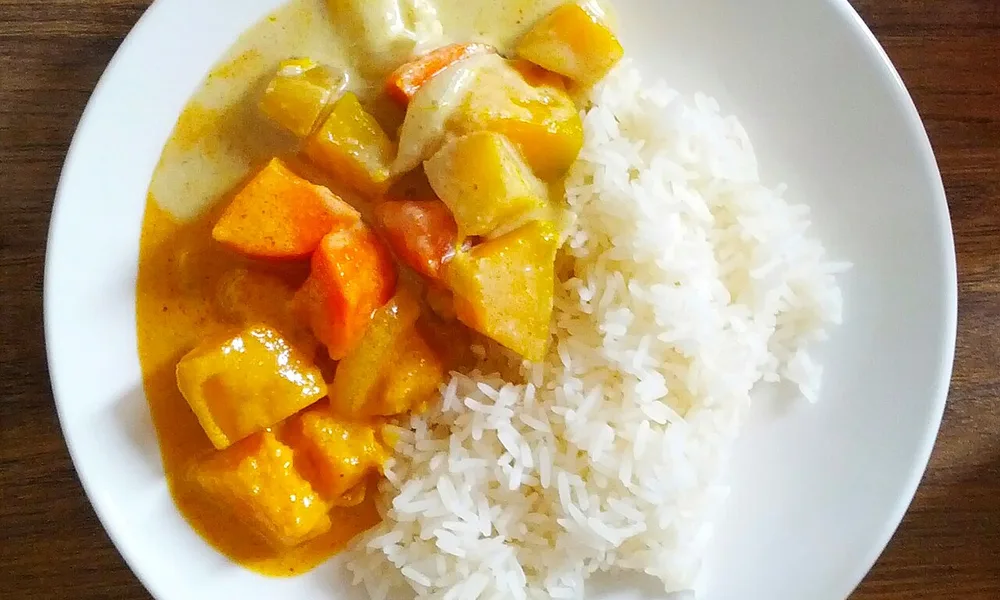
Jasmine rice earns its place at the table with saucy, boldly flavoured food. A Thai green curry ladled over jasmine rice is the classic pairing, and it works because the soft grains soak up the coconut sauce without falling apart. The same is true of a Malaysian rendang, a Vietnamese lemongrass stir-fry, or a simple chilli and garlic chicken: the rice is a soft, fragrant bed that carries the sauce to the mouth. For fried rice, cook the jasmine rice the day before and refrigerate it overnight. Cold jasmine rice fries beautifully, because the grains firm up in the fridge and stay separate in the wok, while freshly cooked rice turns to mush.
Jasmine Rice Buying Checklist
- Choose Thai Hom Mali jasmine rice when you can, and check the packing date for the freshest bag.
- Smell the dry grain before buying in bulk: it should smell faintly sweet and floral, never dusty or flat.
- Look for long, slender, mostly whole grains with a pearly translucency and no yellowing.
- Buy smaller bags more often rather than one giant sack that sits in the cupboard for a year.
- Store the rice in a sealed jar in a cool, dry cupboard, away from strong cooking smells.
- Cook a single cup first when trying a new brand, and only buy in bulk when it passes the cup test.
Frequently Asked Questions
Is jasmine rice the same as basmati rice?
No. Jasmine rice is a Thai long-grain rice that cooks soft and lightly sticky with a floral aroma, while basmati is a longer, slimmer grain from northern India and Pakistan that cooks fluffy with separate grains and a nutty aroma. Jasmine suits stir-fries and Thai food; basmati suits curries and biryani.
Do I really need to rinse jasmine rice?
Yes. Rinsing removes loose surface starch that would otherwise make the rice gummy and sticky. Rinse three or four times in a bowl of cold water until the water runs almost clear.
How much water does jasmine rice need?
About one part rice to one and a quarter parts water by volume, measured with the same cup. Older, drier rice may need a fraction more, and a very fresh harvest may need a fraction less.
Why does my jasmine rice smell of nothing?
Either the rice is old, or it was overcooked. The floral aroma fades with months in storage, so buy smaller bags more often and check the packing date. Overcooking also drives the aroma off, so keep the lid on, cook for twelve to fifteen minutes, and rest the pot for ten minutes before serving.
Can I use jasmine rice for fried rice?
Yes, and it is one of the best rices for it, provided you cook it the day before and refrigerate it overnight. Cold jasmine rice firms up and stays separate in the wok, while freshly cooked rice turns mushy.
Is jasmine rice healthy?
White jasmine rice is a clean source of energy with very little fat, but it is low in fibre, so it is best eaten as part of a meal with vegetables and protein rather than on its own.
The Bottom Line
Jasmine rice that smells like the restaurant is not a mystery and it is not a brand secret. It is fresh Thai Hom Mali rice, rinsed until the water runs clear, cooked with just enough water, left alone under the lid, and rested for ten minutes before serving. Buy it in smaller bags, smell it before you commit, and cook it the way the grain asks to be cooked. Do that, and the soft, floral perfume that fills the kitchen will be the rice itself, every time. For a wider view of the pantry, see the rice varieties worth stocking, compare it with how to pick basmati rice, and cook it in the best rice cookers for 2026.