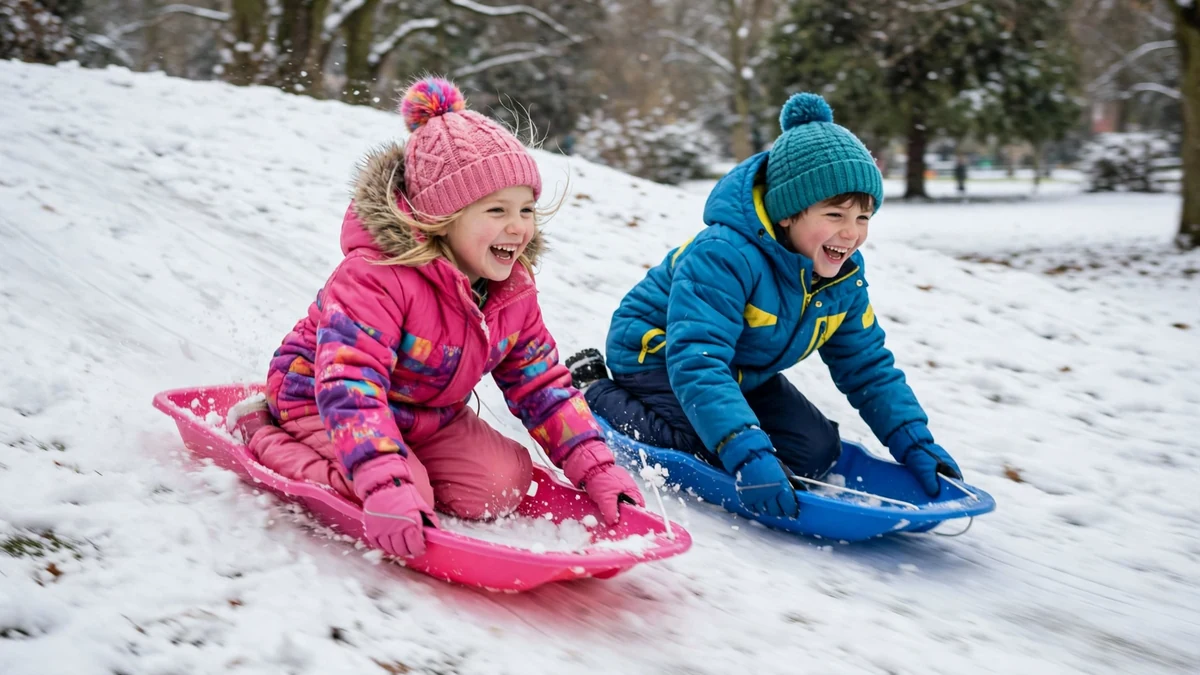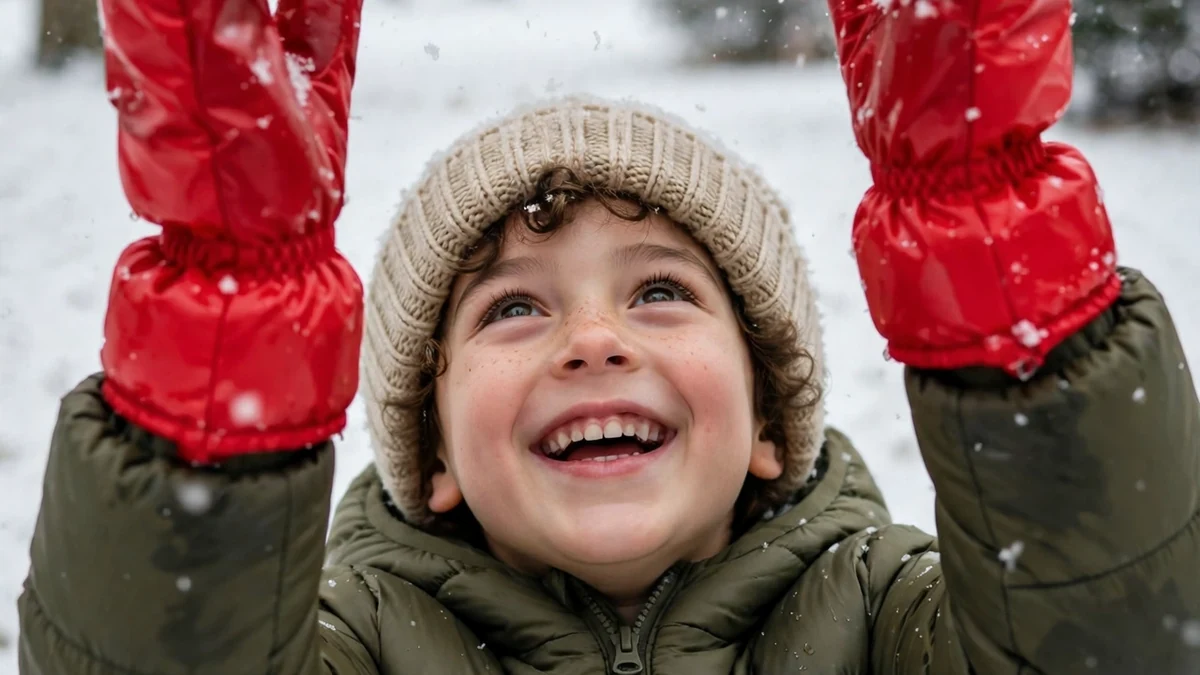
A kids glove is not a small adult glove. It is a different piece of winter kit with a different job: it has to keep small hands warm through a snowball fight, stay on when a child pulls at a sleeve, survive being stuffed into a wet pocket, and still let a child grip a sledge rope, zip a coat and build a snowman without taking it off every two minutes. The best kids gloves of 2026 do all of that without feeling stiff or clumsy, and the worst ones fail on the basics long before the cold ever tests them.

What Makes a Kids Glove Different
An adult glove is designed for someone who will look after it. A kids glove assumes the opposite. It assumes the glove will be dragged through snow, left on a radiator, pulled off by the cuff, lost under a car seat and handed over with wet, muddy hands. The cuff is therefore not a detail. It is part of the glove. The best kids gloves come with a long, elasticated cuff that tucks under a coat sleeve and stays put, so snow cannot creep in at the wrist and a child cannot shake the glove off by accident.
Warmth works differently for children, too. Small hands cool faster than adult hands because they have less bulk and a larger surface for their size, and children rarely notice the cold until their fingers are already numb. That is why the warmest kids gloves are not the thickest ones. They are the ones with a windproof shell, a soft fleece or synthetic lining that traps warm air, and a fit that is snug enough to keep that air in. A glove that is too big leaves cold pockets around the fingertips, and a glove that is too tight squeezes the lining flat, so there is no trapped air left to do the warming.
How We Judged Warmth, Waterproofing and Fit
A glove earns a recommendation only when it passes warmth and waterproofing together. A warm glove that soaks through in ten minutes is a cold glove by lunchtime, and a waterproof glove with no lining is a cold glove from the start. For the wider adult market, our guide to the best gloves of 2026 covers warmth and grip in general, but for a child the cuff, the ease of putting on and the grip on a sledge rope matter just as much as the insulation.
The Best Kids Gloves at a Glance
| Glove | Best for | Warmth | Waterproofing |
|---|---|---|---|
| Insulated waterproof mittens | Deep snow and long play | Highest | High |
| Waterproof ski gloves | Sledging and skiing | Very high | High |
| Everyday knit gloves | School runs and mild cold | Medium | Low |
| Fleece-lined waterproof gloves | Wet snow and school play | High | High |
| Touchscreen knit gloves | Older children, everyday use | Medium | Low |
| Long-cuff snow mittens | Toddlers and deep snow | Very high | High |
| Budget fleece gloves | Mild cold and spares | Low to medium | Low |
The 7 Best Kids Gloves in 2026
1. Best overall: insulated waterproof mittens
The insulated waterproof mitten is the best all-round kids glove because it takes warmth seriously without giving up on play. Fingers share one warm pocket instead of sitting in four cold ones, a waterproof outer shell keeps wet snow out, and a thick synthetic lining traps warm air around the whole hand. A long elasticated cuff seals the gap between glove and sleeve, and a grippy palm means sledge ropes, snowballs and handrails stay firmly in hand. For most children, on most winter days, this is the pair to buy first.
2. Best for sledging and skiing: waterproof ski gloves
The waterproof ski glove is the pair for children who spend hours on a slope or a sledge run. A tough waterproof shell stands up to dragging through snow, reinforced palms grip a rope or a ski pole without slipping, and a gauntlet cuff fits over a jacket sleeve so snow cannot get in at the wrist. The fingers stay separate, so a child can still adjust a strap or pick up a dropped mitten, and the lining dries faster than a thick knit. Pair them with proper winter footwear, and our guide to the best snow boots of 2026 covers the boots that keep feet as warm as these gloves keep hands.
3. Best for everyday use: knit gloves
The knit glove is the pair most children actually need for the school run. Knitted wool or a wool blend holds warm air close to the skin, the slim fit means a child can still find coins, hold a pencil case and fasten a coat, and the soft lining does not itch or bunch. They are not waterproof, so they are for dry cold rather than snowball fights, but for walking to school, waiting for a bus and playing in a dry playground, they are the most practical glove a child can own.
4. Best for wet snow: fleece-lined waterproof gloves
Wet snow is a different problem from dry cold, and the fleece-lined waterproof glove is built for it. A breathable waterproof membrane stops slush and wet snow from soaking the lining, while the fleece inside stays dry and keeps working. The palm is usually textured or rubberised, so wet handles and railings stay grippy instead of slippery. These gloves are the right call for slushy pavements, wet snowmen and any child who spends break time rolling in snow rather than watching it.
5. Best for older children: touchscreen knit gloves
Older children want a glove they can keep on, and the touchscreen knit glove is the one that lets them. Conductive fingertips on the thumb and index finger work on a phone or tablet without taking the glove off, and the slim knit fit means a child can still write, type and handle small things. They are warm enough for ordinary winter weather, though not for deep snow, and they suit children who walk to school alone and need their hands free for a phone, a bus pass and a bag.
6. Best for toddlers: long-cuff snow mittens
Toddlers need a mitten that stays on, and the long-cuff snow mitten is designed around exactly that. The cuff reaches halfway up the forearm and fastens over the coat sleeve, so a small child cannot pull it off with one tug, and snow cannot get in when they fall over. The mitten itself is soft, warm and easy to push a small hand into, with a wide opening and a pull loop that a parent can grab with one hand. For nursery, first snow days and any child under four, this is the pair that actually stays on.
7. Best budget pick: fleece gloves
Fleece gloves are the cheapest way to take the edge off a cold morning, and they make the best spare pair. They are light, they dry fast, they pack into a coat pocket, and they are warm enough for mild frost and for layering inside a larger mitten on the coldest days. What they cannot do is block wind or keep out wet snow, so they are a fair-weather winter glove rather than a storm glove. Buy two pairs: one to wear and one drying at home, so a child is never forced to put on damp gloves in the morning.

Mittens or Gloves: Which Is Warmer for Kids?
Mittens are warmer than gloves for a simple reason: fingers share one pocket of warm air instead of sitting in separate cold compartments. For younger children, and for any child who will be standing still in the cold or playing in deep snow, mittens are the warmer choice by a clear margin. The price is dexterity. A child in mittens cannot easily pick up small things, fasten a button or hold a pencil, so they will take the mittens off for fiddly jobs and their hands will cool down fast.
Sizing: How Kids Gloves Should Fit
Fit decides whether a kids glove is warm or not. A glove that is too tight squeezes the lining flat, so there is no trapped air left to insulate the hand, and it cuts off comfort at the fingers. A glove that is too loose leaves air gaps that fill with cold, and the loose fingertips ruin grip and make every job harder. The right fit is snug across the palm with no loose fabric when a child makes a fist, and fingertips that end just at the child’s own fingertips, not beyond them.
Keeping Kids Gloves Dry So They Last
Kids gloves last years if they are dried properly and die fast if they are not. Never dry gloves on a radiator or with a hairdryer: the heat hardens leather, melts synthetic fibres and shrinks wool. Instead, stuff them loosely with newspaper or a dry cloth, stand them upright, and let them dry at room temperature. Turn knit gloves inside out to dry the lining, and air them out after every wear so they do not start to smell.
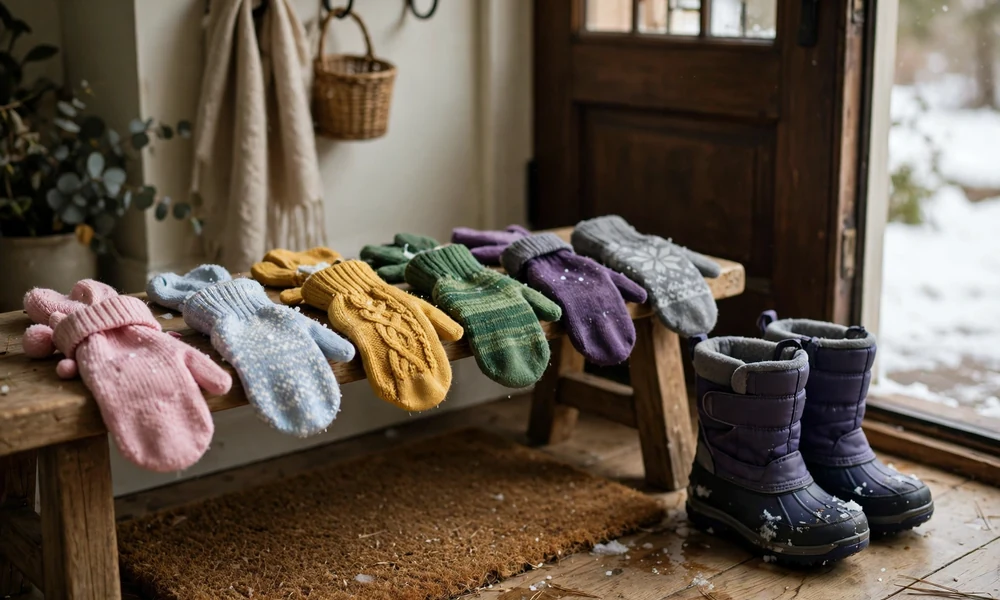
Wash knit and fleece gloves gently, inside out, and let them air dry. Waterproof gloves need less washing: brush off dried mud, wipe the shell clean, and wash only when they are properly dirty, following the label. A second cheap pair is the simplest trick in winter parenting. While one pair dries, the other is ready, so a child is never sent out in damp gloves. Keep the spare pair by the door with the hats and scarves, and a full winter kit comes together: a warm hat matters as much as warm hands, and our guide to the best beanies of 2026 covers the ones that stay on and keep ears warm.
Before You Buy Checklist
- Decide the coldest use first: school run, snow play, sledging or skiing, and buy for that, not for the average day.
- Check the cuff: long, elasticated and able to tuck under a coat sleeve without snow getting in.
- Test the grip: hold something smooth and wet and see if the palm slips.
- Let the child put the glove on alone and time it: under ten seconds is a good sign.
- Make a fist and check the fit: snug across the palm, no loose fabric at the fingertips.
- Look for a waterproof shell if your winters are wet or snowy, not just cold.
- Buy a second cheap pair for drying days, so a child is never forced to wear damp gloves.
The Bottom Line
The best kids gloves in 2026 are the ones a child will actually keep on: warm enough for snow, waterproof enough for wet days, grippy enough for a sledge rope, and easy enough for a child to put on alone. For most children that is an insulated waterproof mitten with a long cuff, with a lighter knit glove for the school run and a cheap fleece spare for drying days. Buy for the coldest day, check the fit with a fist, and keep a dry pair by the door. Warm hands make every winter day easier, from the walk to school to the first snowman of the year.