
Kids pajamas are not small adult pajamas. They are a different garment with a different job: they have to keep a child warm enough to sleep through the night without overheating, survive being washed three times a week, stay comfortable when a child twists and turns in their sleep, and still feel special enough that bedtime feels like a treat rather than a chore. The best kids pajamas of 2026 do all of that without scratchy seams, tight waistbands, or prints that fade after a month, and the worst ones fail on comfort long before the pattern ever matters.
What Makes Kids Pajamas Different
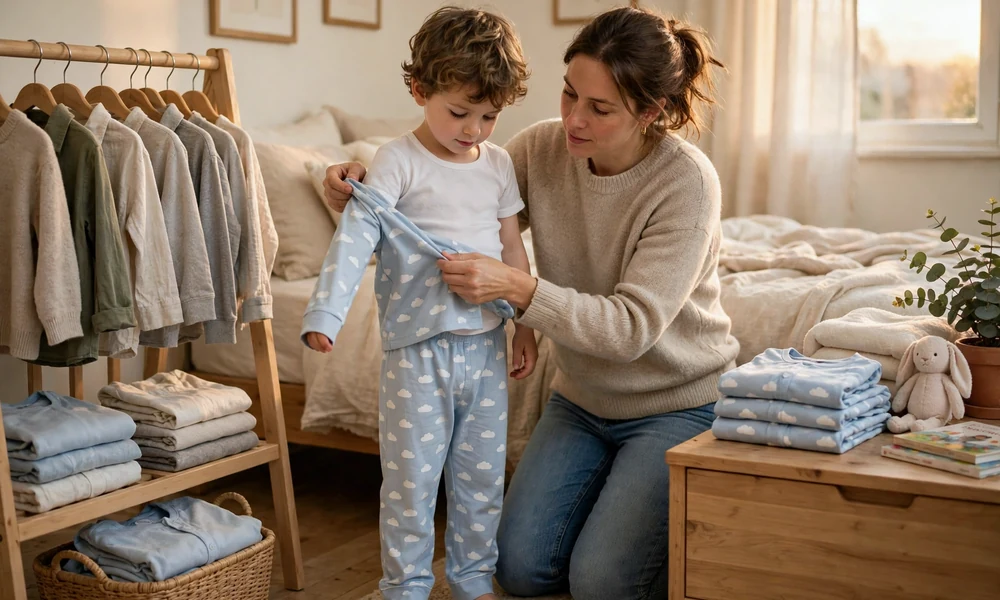
The second difference is the fit. Kids pajamas should be loose enough to forget, but not so loose that the trouser legs trip a sleepy child on the way to the bathroom. Look for a waistband that sits flat without digging in, cuffs that stay put without squeezing the ankles, and a top that does not ride up every time the child rolls over. A good test is simple: ask your child to stretch their arms up, sit cross-legged, and lie down. If the pajamas pull, bunch, or expose their tummy at any point, the fit is wrong, no matter how sweet the pattern looks on the hanger.
The third difference is safety, and it is the one parents should never compromise on. In many countries, children’s sleepwear must either fit snugly or be made from flame-resistant fabric, and the label should say which standard it meets. Snug-fitting pajamas are the common choice for cotton sets, and they work because close-fitting fabric is less likely to catch on anything. Check the label before you buy, and be wary of loose, flowing nightwear for young children that carries no safety information at all. A pretty set that ignores the rules is not a bargain.
How to Choose: The Five Things That Matter Most
Start with the fabric, because it decides whether your child sleeps well or wakes up sweaty and cross. For warm sleepers, choose light cotton, cotton jersey, or a bamboo blend, and avoid heavy fleece unless the bedroom is genuinely cold. For cold sleepers, choose brushed cotton or light fleece, and add socks rather than a thicker set if the room is only slightly chilly. If your child has eczema or sensitive skin, look for soft, smooth fabric with flat seams, and wash the pajamas once before the first wear to soften them and remove any finish from the factory.
Finally, let your child choose the pattern. This sounds like a small thing, but it changes bedtime completely. A child who picked their own pajamas, whether they are covered in stars, dinosaurs, rockets, or plain stripes, is a child who wants to put them on. A child who was given a pattern they hate will argue about it every single evening. You choose the fabric, the fit, and the safety label. Let them choose the print, and bedtime becomes a little easier for everyone.
The Best Kids Pajamas by Age
For toddlers, simplicity and safety win. One-piece sleepers with a zip are often the easiest choice, because there is no top to ride up and no waistband to twist. Look for feet that can be covered or uncovered, a zip guard at the neck, and snug-fitting fabric that stays close to the body. Avoid loose ribbons, dangling ties, and anything with small parts that can come off. At this age, the pajamas should be easy to change in the dark, because you will be doing it more often than you expect.
For children aged six to eight, comfort and independence matter more than anything else. The child will want to choose their own pajamas, get changed alone, and stay comfortable through a full night of wriggling. Look for soft cotton or bamboo blends, flat seams, and a fit that allows for growth without swamping them. This is also the age when a child starts to care about what their friends wear, so a classic stripe or a simple, well-made set can be a better choice than a loud character print they will outgrow in a season.
Fabric Guide: Cotton, Bamboo, Fleece and Flannel
Cotton is the workhorse of kids pajamas, and for good reason. It is soft, breathable, easy to wash, and widely available at every price. Pure cotton can shrink slightly in a hot wash, so wash new sets in cool water and avoid a very hot dryer if you want them to keep their size. Cotton jersey, the stretchy knit used in many t-shirts, is softer and more forgiving than woven cotton, and it is usually the best choice for children who dislike stiff fabric.
Fleece is the winter favourite, but it needs care. Light fleece keeps a child warm in a cold bedroom without the weight of a blanket, and it feels cosy the moment it is put on. Heavy fleece, on the other hand, can make a child overheat, especially if the bedroom warms up during the night. Choose fleece only for genuinely cold rooms, and look for a set that is not too thick, with a breathable cotton layer underneath if your child tends to sweat.

Warm Sleepers, Cold Sleepers and the Right Weight
Every child sleeps at a different temperature, and the right pajamas depend on the child, not the season. A warm sleeper needs light, breathable fabric, even in winter, while a cold sleeper needs a warmer set, even in a heated house. Watch how your child sleeps for a few nights. If they kick the covers off, wake up damp, or push the sleeves up, they are too warm. If they curl into a ball, pull the covers tight, or wake up cold, they need a warmer set or an extra layer.
The bedroom matters as much as the pajamas. A room that is cool and well aired suits a slightly warmer set, while a warm room suits light cotton and a thin blanket. As a rough guide, a bedroom between sixteen and twenty degrees suits light cotton pajamas with a normal duvet for most children. Below that, add fleece or flannel. Above that, switch to short sleeves and light cotton, and keep the duvet light. Our guide to the best bed sheets of 2026 is useful here, because sheets that breathe make the same difference as pajamas that breathe, and the two work together through the night.
Fit, Sizing and Growing Room
Getting the size right is the difference between pajamas a child loves and pajamas a child refuses to wear. Measure your child before you order, especially online, and compare those measurements with the brand’s size chart. Height matters more than age, because two children of the same age can be very different heights, and a size based on age alone will fit one of them badly. If your child is between sizes, choose the larger size for trousers and the smaller size for tops only if the brand sells them separately, which many do not.
Prints, Characters and Letting Kids Choose
Prints are where kids pajamas become fun, and they are also where parents can go wrong by choosing for the child instead of with them. A character print that a child loved at four may embarrass them at seven, so think about how long the set needs to last. Classic patterns like stars, stripes, spots, and simple animals tend to last longer than a print tied to one film or show, and they are easier to pass down to a younger sibling. That said, if a character print is what gets your child into bed without a fuss, it is worth every penny.
Bedtime Routine: Making Pajamas Part of Sleep
Pajamas work best when they are part of a routine, not just something a child puts on at the last minute. Changing into pajamas signals to the body that the day is ending, and a child who changes at the same time every evening settles more easily than a child who stays in day clothes until bedtime. Let the child choose their pajamas from two or three options you have already approved, so they feel in control without turning the choice into a twenty-minute debate.
Keep the routine calm and simple. Pajamas on, teeth brushed, story read, lights low. A warm bath before changing can help a child relax, and a cool, dark bedroom helps them stay asleep. A small night light can comfort a child who is afraid of the dark, and our guide to the best night lights of 2026 covers the gentle, warm lights that suit a child’s bedroom without keeping them awake. The pajamas, the light, and the routine work together, and none of them works as well alone.
Washing and Looking After Kids Pajamas
Kids pajamas are washed more than almost any other garment, so how you wash them decides how long they last. Wash new pajamas before the first wear, in cool or warm water, with a gentle detergent. Avoid fabric softener, because it can coat the fibres, reduce breathability, and in some cases affect the flame-resistant finish. Turn printed sets inside out before washing to protect the print, and wash them with similar colours so a bright red set does not tint a pale blue one.
What to Avoid When Buying Kids Pajamas
Avoid pajamas with no safety label and no information about fit or fabric. A set that does not say whether it is snug-fitting or flame-resistant, and does not name its fabric, is a set the maker did not want you to think about. That is not a risk worth taking for a garment a child wears for eight hours a night. Buy from a seller who gives you the fabric, the fit, and the safety standard in plain language.
Frequently Asked Questions
Should kids pajamas be snug or loose? Snug-fitting pajamas are the standard for children’s sleepwear in many countries, because close-fitting fabric is safer and less likely to catch. That does not mean tight. Snug means the fabric sits close to the body without squeezing, pulling, or leaving marks. If the waistband leaves a red line or the cuffs dig in, the set is too tight, not snug.
How do I know when to buy the next size up? When the trouser legs no longer reach the ankle, the sleeves no longer reach the wrist, or the top rides up when your child stretches, it is time to size up. Check the fit every couple of months, because children grow in bursts, and a set that fitted perfectly in September can be too short by Christmas.
The best kids pajamas are the ones your child wants to put on, that keep them comfortable all night, and that survive the wash without going scratchy or baggy. Choose soft, breathable fabric, a snug but comfortable fit, and a safety label you can trust, and let your child choose the pattern. For the wider world of sleepwear, our guide to the best pajamas of 2026 covers adult sets in the same detail, but for children the rules are simpler: comfort first, safety always, and a print they love.


