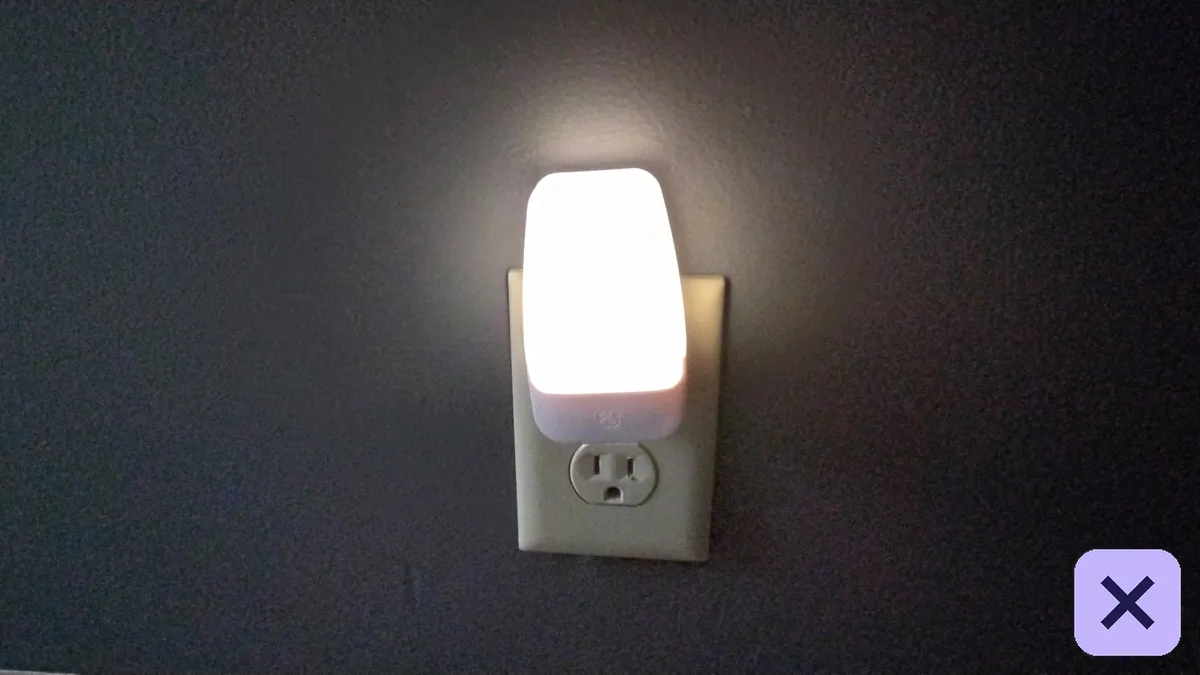
Top Night Lights for Kids, Hallways and Late-Night Trips in 2026
The best night lights in 2026 are the ones you barely notice until you need them. A good night light gives you just enough glow to find the hallway, check on a sleeping child, or make a late-night trip to the bathroom without switching on a bright ceiling light and waking yourself up properly. It stays out of the way during the day, costs almost nothing to run, and quietly makes the whole house feel safer after dark.
Night lights have come a long way from the single hot bulb in the hallway. Modern versions use warm LEDs, motion sensors, dusk-to-dawn switches, and rechargeable batteries, and many are designed to stay cool to the touch all night. The best night lights for kids, hallways, and late-night trips share the same qualities: a warm colour, a low brightness, a sensor that turns them on only when needed, and a shape that fits the room without becoming a trip hazard or a distraction.
Key takeaways
- Warm light between 2200K and 2700K is the sweet spot: it lights the way without waking you up or disturbing sleep.
- Motion sensors save power and keep the light off until someone actually walks past, which matters most in hallways and bathrooms.
- For kids, choose a dimmable, cool-to-touch light with a soft glow and no small parts; amber and red tones are the gentlest at night.
- Plug-in lights suit hallways and bathrooms, while rechargeable and battery lights suit bedrooms, nurseries, and travel.
- One dim light in the right place beats three bright ones: place night lights low, near the floor, and along the route you actually walk.
What a night light is actually for
A night light has one job: to give you enough light to move safely in the dark without fully waking your brain. That sounds simple, but it explains most of the mistakes people make when they buy one. A light that is too bright defeats the purpose, because bright light tells your brain it is daytime. A light that is too blue does the same, even at low brightness. And a light in the wrong place, however good it is, will not help you find the stairs. The best table lamps of 2026 handle the evening hours while you are still awake; once the house goes dark, the night light takes over.
How much light is enough
Very little. A night light of one to five lumens is enough to see the floor, the door frame, and the next step. For comparison, a standard 60-watt bulb gives around 800 lumens, and even a dim bedside lamp is usually 100 lumens or more. Night lights work precisely because they stay far below that level. If you can read by your night light, it is too bright for its job.
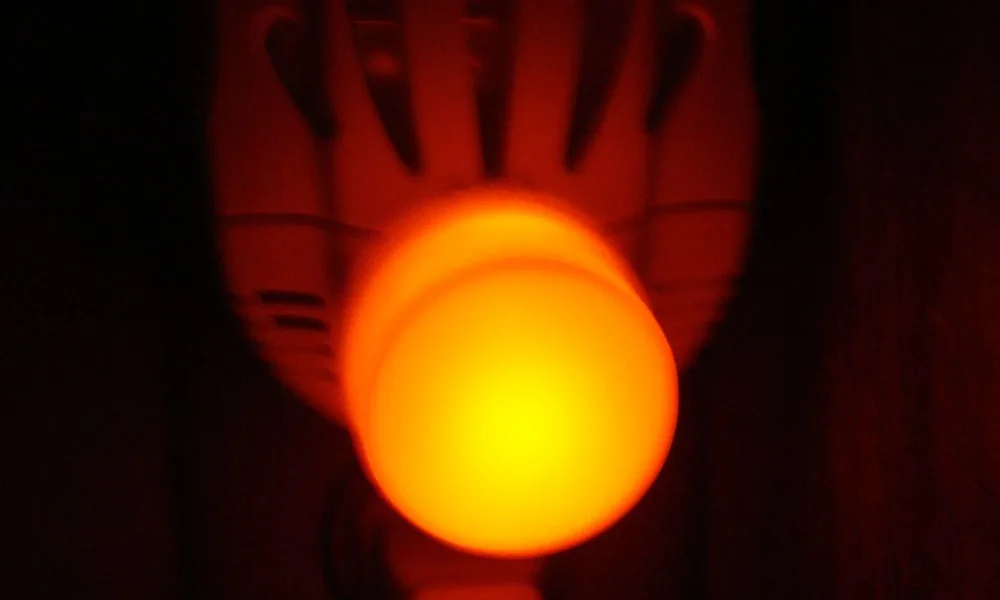
Colour matters as much as brightness. Warm white light, rated between 2200K and 2700K, feels like candlelight and has the least effect on sleep. Amber and red light are gentler still, which is why they are popular in nurseries and bedrooms. Cool white and daylight bulbs, rated above 4000K, look clean and modern in a kitchen during the day, but at 3 a.m. they feel harsh and make it harder to fall back asleep. If a night light only comes in cool white, skip it, however cheap it is.
Night lights for kids: what matters most
Children need a night light for a different reason than adults do. An adult wants to see the floor. A child wants to know the room is safe, and that the dark is not hiding anything frightening. That means the light itself matters: a soft, friendly glow that a child can see from bed, at a brightness that does not keep them awake. Animal shapes, moons, and stars are popular for a reason, but the shape is less important than the glow it gives off.

Safety comes first with any light in a child’s room. Choose a light that stays cool to the touch, even after hours of use; LED lights do this naturally, while older bulb types can get hot. Avoid anything with small parts that can be pulled off, and keep cords out of reach: a rechargeable light with no cord at all is the safest choice for a cot or a toddler bed. If the light plugs into the wall, fit it in a socket that is not at cot height, and check that it sits firmly and cannot be pulled out by a small hand.
For babies, the gentlest option is a dimmable nursery light in amber or warm white, placed across the room from the cot rather than right beside it. That gives a parent enough light to see by during night feeds while keeping the cot itself dim. For older children, a light they can control themselves is a confidence boost: a tap-to-dim lamp they can switch on when they wake, and off again when they settle. The best nightstands of 2026 make a natural home for a bedside night light, with a drawer for spare batteries and a surface that keeps the lamp out of the way of books and water glasses.
Bathrooms and the late-night trip
Bathrooms need a light that copes with steam and the occasional splash. A plug-in light outside the bathroom door, in the hallway, is often the simplest answer: it lights the route without ever getting wet. If you do want a light inside the bathroom, choose one rated for damp rooms and keep it away from the shower and the sink. A dim amber glow is ideal here, because it lets you use the bathroom at night without the shock of the main light.
Night light types compared
| Type | Best for | Brightness | Running cost | Weakness |
|---|---|---|---|---|
| Plug-in LED | Hallways, bathrooms, landings | 1 to 5 lumens | Almost nothing | Needs a free socket |
| Motion sensor plug-in | Stairs, hallways, kitchens | 1 to 10 lumens | Almost nothing | Sensor can miss slow movement |
| Rechargeable nursery light | Kids rooms, nurseries, travel | 1 to 30 lumens | Charging every week or two | Needs remembering to charge |
| Battery motion light | Stairs, cupboards, wardrobes | 5 to 20 lumens | Batteries every few months | Brighter than ideal for sleep |
| Smart night light | Bedrooms, whole-home routines | 1 to 50 lumens | Low, plus hub or Wi-Fi | Costs more; needs setup |

Plug-in, battery, or rechargeable: which power source wins
For a hallway or a landing that needs light every night, plug-in is the clear winner. There is nothing to charge, nothing to replace, and a good plug-in light with a dusk sensor will last for years while costing pennies a year to run. The only real drawback is that it needs a socket in the right place, and some hallways have none at all. In that case, a battery motion light is the practical answer, and the batteries last longer than most people expect because the light is only on for a minute at a time.
Smart night lights are worth considering if you already use smart bulbs or a voice assistant in the house. A smart bulb in a hallway fitting can act as a night light, dimming to a warm one percent after bedtime and brightening in the morning. The best smart bulbs of 2026 cover this use well, and they avoid adding yet another device to the wall. But a smart light is only as reliable as your Wi-Fi, so keep one simple plug-in light on the stairs as a backup that works even when the router does not.
Sleep: what to check before you buy
For sleep, the rule is simple: dimmer and warmer is better. Research on light and sleep consistently finds that bright light and blue-rich light in the hours before bed make it harder to fall asleep, and light during the night can wake you more fully. A night light cannot fix a bad sleep routine on its own, but a warm, dim light is the least disruptive option, and it is a genuine improvement over leaving a landing light on or switching on the bathroom light at full brightness.
What to avoid when you buy a night light
Avoid the brightest option on the shelf. Night lights are sometimes sold by brightness as if more were better, and a 50-lumen plug-in light is a small lamp, not a night light. Avoid cool white and daylight models for bedrooms and nurseries, however modern they look. Avoid lights with a flicker you can see when you move your eyes across them: cheap drivers can flicker at a rate that causes headaches, and a light that flickers is a light to return.
Shopping checklist
- Warm white, amber, or red light only: 2200K to 2700K, never cool white in a bedroom.
- Brightness of 1 to 5 lumens for bedrooms and nurseries, up to 10 lumens for hallways with stairs.
- A dimmer or at least two brightness levels, tested at the lowest setting in a dark room.
- Motion sensor and dusk sensor for hallways, stairs, and bathrooms, so the light is only on when needed.
- Cool to the touch after an hour, with no cord near a cot and no small parts a child can pull off.
- Right power source for the spot: plug-in for hallways, rechargeable for nurseries and travel, battery for stairs.
Frequently asked questions
Are night lights bad for sleep?
A bright or blue-white night light can disturb sleep, but a dim, warm light of one to five lumens has a very small effect, and for most people it is far better than switching on a bright ceiling light in the middle of the night. Keep it dim, warm, and low to the floor.
What colour night light is best for a child?
Amber or warm white is best. Red is the gentlest colour of all, and amber is a close second. Avoid blue, green, and cool white lights in a child’s room, because those colours are the most likely to keep a child awake.
Should a night light stay on all night?
Yes, if it is dim and warm. A plug-in LED night light costs almost nothing to run, and a light that stays on all night is more reassuring for a child than one that switches off. Motion sensor lights are the exception: they are designed to switch off when nobody is moving.
Where should I put a night light in a hallway?
Low on the wall, near the floor, about halfway along the hallway, or one at each end of a long hallway. The glow should fall on the floor and the skirting board, not into your eyes, so avoid putting it at eye level.
Are motion sensor night lights worth it?
Yes, for hallways, stairs, and bathrooms. They save power, they never get left on all day by mistake, and they mean the light is there exactly when you need it and gone when you do not. Choose one with a dusk sensor too, so it does not switch on in daylight.
Can I take a night light on holiday?
Yes, and a rechargeable one is the best travel companion. It works in a hotel room, a holiday cottage, or a grandparent’s house, and it helps a child settle in an unfamiliar room. Charge it before you travel and pack it in hand luggage.
The bottom line
The top night lights for kids, hallways, and late-night trips in 2026 are warm, dim, and in the right place. Choose a plug-in motion light for the hallway and stairs, a rechargeable amber light for the nursery or a child’s room, and a warm glow of one to five lumens everywhere else. Keep the light low, keep it warm, and buy two or three small lights instead of one bright one. Done well, it is the cheapest comfort in the house.