Top Table Lamps for Warm, Layered Light in 2026
The best table lamps for warm, layered light in 2026 make a room feel finished after dark. A good table lamp gives you enough light to read by, softens the edges of the room, and makes the furniture around it look like it belongs together. The best lamps share the same qualities: a warm bulb, a shade that spreads light, a heavy base, and a height that suits the table.
Layered light is the idea behind this guide. No single lamp should have to light a whole room. The ceiling light gives general brightness, a floor lamp fills the middle distance, and the table lamp gives the warm pool where you sit and read. The table lamp is the layer you control most easily, and the one that changes the mood fastest.
Key takeaways
- Warm white light between 2700K and 3000K is the sweet spot: it flatters skin, wood and fabric and helps a room wind down.
- A table lamp should stand 24 to 30 inches tall, with the bottom of the shade at eye level when you are sitting beside it.
- Layered light beats one bright light: pair a table lamp with a ceiling light and a floor lamp.
- Linen shades give the softest, warmest light, while glass and metal shades throw a more focused pool for reading corners.
- A dimmer matters more than the price of the lamp: turning the light down is what makes a lamp usable every evening.
What layered light actually means
A room lit only by a ceiling fixture feels flat: light from one point overhead, dark corners, a waiting-room feel. The same room with the ceiling light dimmed, a floor lamp glowing in one corner and a table lamp burning warm beside the sofa feels deeper and calmer, and you can still read. That is layering, and the table lamp is the most flexible layer, because you can move it, dim it and switch it off.
There are three layers to plan. Ambient light is the general brightness, usually from the ceiling. Task light is the focused light for reading or working. Accent light is the glow that picks out a picture or a shelf. A good table lamp can be task light and accent light at once. If you already have a floor lamp giving ambient glow, the best floor lamps of 2026 show how the two layers work together. Decide what the lamp is for before you shop: a reading lamp needs a shade that throws light down onto the page, and a bedside lamp needs to dim.
The warmth question: colour temperature and dimming
Colour temperature is the biggest difference between a lamp that feels warm and one that feels cold. Warm white light sits between 2700K and 3000K, the light of candlelight and old incandescent bulbs. It makes wood look richer and a room feel cosier in the evening. Cool white light, at 4000K and above, is office light: fine for a workshop, but it makes a living room feel like a showroom.
Most table lamps sold in 2026 take a standard LED bulb, so the warmth is a choice you make at the bulb. Buy a 2700K bulb for any lamp used in the evening, and 3000K for lamps used mainly for daytime reading. If the lamp serves both jobs, a smart bulb is the easiest answer, because it changes warmth and brightness without a bulb swap. The smart bulbs that make your home feel like the future in 2026 pair well with a simple fabric-shade lamp and give you a dimmer without any wiring. Dimming matters because a lamp is used at different brightnesses through the day.
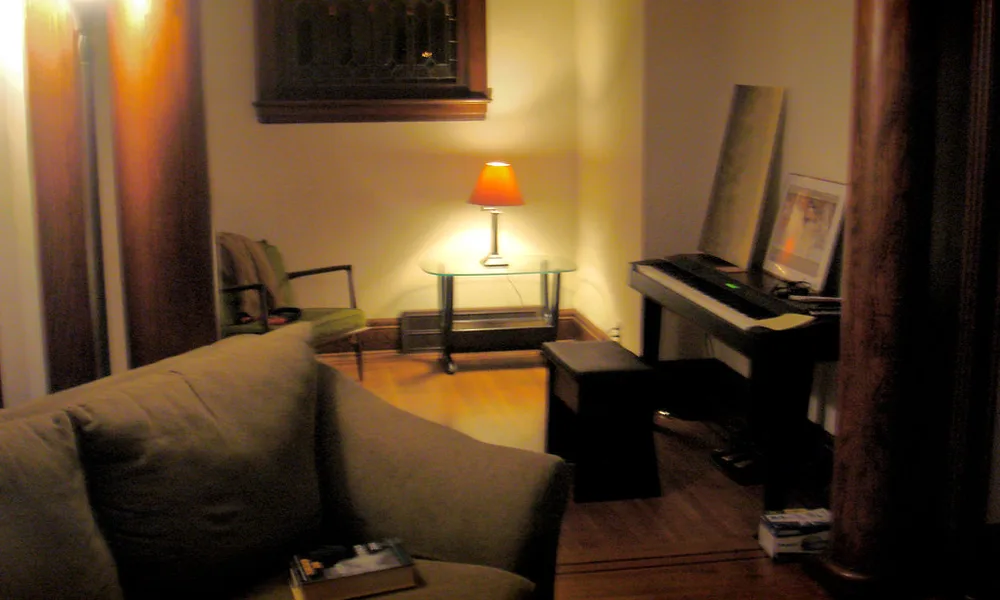
Table lamps by room: where each kind earns its place
The living room is where a table lamp does its most visible work. Matching lamps on either end of a sofa give symmetry and a balanced glow, while a single statement lamp anchors a reading corner. The shade should spread light across the seating area, and the base should be heavy enough not to wobble when brushed past. Ceramic, glass and stone bases suit living rooms, and a linen drum shade gives the softest light.
The bedroom asks for something quieter. Here the lamp is a wind-down tool as much as a light, so warmth and dimming matter more than brightness. A slim lamp suits a narrow nightstand, and a touch control beats a fiddly switch when half asleep. The shade bottom should sit level with your shoulder when sitting up, so light falls on the book, not your eyes.
The reading corner is the most demanding spot in the house, because the lamp must light a page without lighting the whole room. A pharmacy lamp with an adjustable arm, or a metal shade directing light downward, works best, with a bulb of around 800 lumens. Hallways and dining rooms ask the least: a small lamp on a console turns a passage into a room, and low lamps on a sideboard give a dining room its evening glow. There the lamp is mostly accent light, so a sculptural base suits.
Table lamp types compared
Each kind of table lamp suits a different job. The comparison below covers the types you will actually find in shops in 2026.
| Lamp type | Best for | Light it gives | Watch out for |
|---|---|---|---|
| Ceramic gourd, linen shade | Living room, bedroom | Soft, warm, wide spread | Heavy; check the base fits |
| Slim column lamp | Small bedrooms | Even glow, little space used | Lost on a wide table |
| Brass pharmacy lamp | Reading corners | Focused, adjustable pool | Shade can glare |
| Frosted glass globe | Hallways, sideboards | Even, diffused glow | Shows dust |
| Sculptural lamp | Living room, entryway | Accent glow | Test light quality first |
| Smart dimmable lamp | Bedroom, living room | Adjustable warmth | Needs Wi-Fi or an app |
The ceramic gourd lamp is the safest all-rounder: it suits almost any room, its linen shade gives the warmest light, and its weight keeps it steady. The pharmacy lamp is the best reader, because its arm puts the light exactly on the page. The globe lamp is the best accent, because it glows evenly in every direction.
Shade shape and material: how the shade changes the light
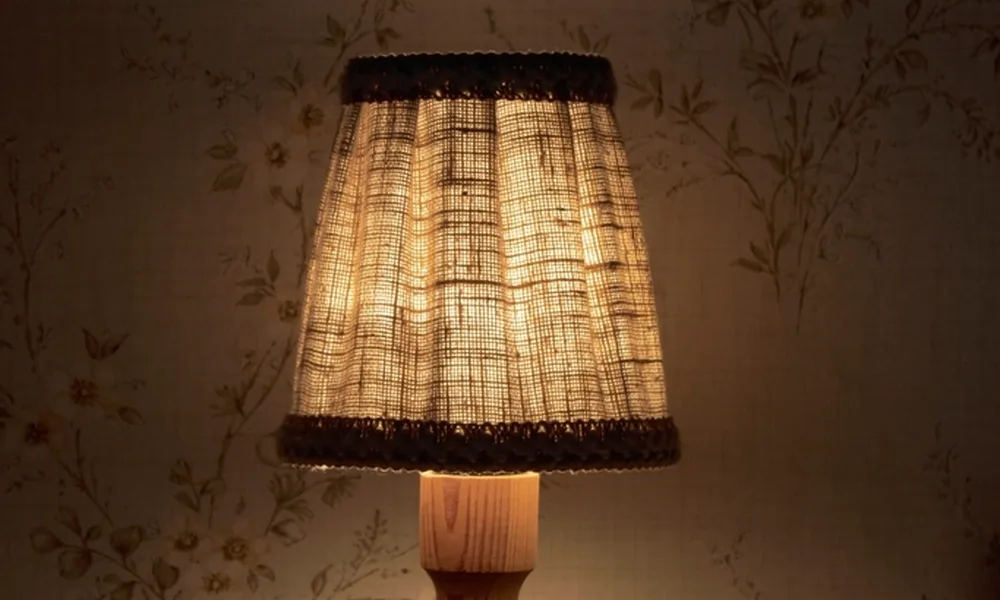
The shade decides where the light goes, how warm it looks and whether you can see the bare bulb. A drum shade, the straight-sided cylinder most common in 2026, spreads light evenly and suits almost every room. An empire shade, wider at the bottom, throws more light downward, which suits reading. A globe shade diffuses light everywhere and hides the bulb, suiting hallways and bedrooms where you want glow, not a pool.
Material matters as much as shape. Linen and cotton shades give the warmest, softest light, because fabric filters the bulb and spreads the glow. Paper shades give similar warmth for less, but yellow and tear. Glass gives a cooler light for modern rooms but shows dust. Metal gives the most focused light for reading lamps but can glare. Size the shade to the base: about two-thirds as wide as the base is tall. When unsure, go one size up: a larger shade gives softer light, while a shade too small is the most common mistake.
Size and scale: getting the proportions right
A lamp that is too tall crowds the room, and one that is too short disappears behind the sofa. The rule that works in most rooms is simple: the lamp, base and shade together, should stand 24 to 30 inches tall on a side table beside a sofa, with the bottom of the shade at eye level when you are sitting down. That keeps the bulb out of your line of sight, so you see the glow, not the bulb.
Match the lamp to the table, not just the room. A wide console can carry a tall lamp, while a narrow nightstand needs a slim one. A lamp should never be wider than its table, and should leave room for a book or a glass. Pairs need the same rule twice: two lamps on either side of a sofa should match in height and shade, or the room looks lopsided. Two lamps close but not identical are worse than two deliberately different.

What to avoid when you buy a table lamp
The most common mistake is buying for the lamp alone and forgetting the bulb. A beautiful lamp with a cool, harsh bulb makes the room look worse, and a cheap lamp with a warm, dimmable bulb often looks better. Always budget for the bulb, and test the lamp with the bulb you plan to use.
The second mistake is a base that is too light. A lamp that tips when you nudge the table is a risk if the hot bulb lands on fabric. Pick the lamp up before you buy it: if it feels light for its size, it will tip. Ceramic, glass, stone and solid metal bases stay put; thin plastic and hollow resin do not.
The third mistake is glare. If you can see the bare bulb from where you sit, the lamp is wrong for that spot, whatever it cost. The shade should hide the bulb from every seat in the room. Check the cord length, that the shade comes off for cleaning, and that you can change the bulb without a tool. The best lamps are boring on these tests: they switch on easily and clean easily.
Shopping checklist
- Decide the lamp’s job first: reading, ambient glow or accent, and buy for that job.
- Choose a warm bulb at 2700K to 3000K, with a dimmer or a smart bulb for the evening.
- Measure the table; aim for 24 to 30 inches tall, shade bottom at eye level.
- Pick a linen shade for the softest light, sized to about two-thirds of the base height.
- Lift the lamp before buying: a heavy ceramic, glass or metal base stays put.
- Sit beside the lamp and check you cannot see the bare bulb from any seat.
Frequently asked questions
What colour temperature is best for a table lamp?
Warm white between 2700K and 3000K is best for living rooms and bedrooms: 3000K for reading, 2700K for evening glow. Avoid cool white above 4000K.
How tall should a table lamp be?
Most table lamps should stand 24 to 30 inches tall, shade bottom at eye level when sitting beside the table. Slim lamps for narrow nightstands can be shorter.
Should table lamps match on both sides of the sofa?
Yes, matching lamps give balance and a calm glow. If you cannot match them exactly, choose two clearly different lamps: a near-match looks like a mistake.
Can one table lamp light a whole room?
No. A table lamp is one layer of light. Pair it with a ceiling light and a floor lamp for brightness, a middle glow and a warm pool where you sit.
Are dimmable table lamps worth it?
Yes, dimming is the most useful feature a table lamp can have: afternoon reading needs far more light than late at night.
What is the best table lamp for a small room?
A slim column lamp with a linen drum shade: little table space, a soft wide glow, and room left for a book and a glass. Keep the shade light in colour.
The bottom line
The top table lamps for warm, layered light in 2026 are not the brightest or most expensive you can buy. They have a warm bulb, a fabric shade that spreads the light, a heavy base, and a height that suits the table. Decide what the lamp is for, choose warmth and dimming over brightness, and layer it with the ceiling light and a floor lamp. If you are setting up a desk too, the best desk lamps of 2026 cover the focused task light a table lamp should not provide. Get the warmth, shade and height right, and the lamp will make the room feel better every evening.