How to Choose Pajamas That Actually Help You Sleep in 2026
The best pajamas in 2026 do more than look good on a slow Sunday morning. The right pair helps you fall asleep faster, stay asleep through the night, and wake up without the damp, twisted, too-hot feeling that ruins a good night’s rest. The wrong pair does the opposite: it traps heat, rides up, scratches at the waist, and leaves you staring at the ceiling at three in the morning.
Choosing pajamas that help you sleep is less about the brand on the label and more about four things: the fabric against your skin, the fit around your waist and shoulders, the weight for your bedroom temperature, and the cut that stays put while you turn over. Get those four right and almost any style works.
Key takeaways
- Fabric decides how you sleep: cotton breathes, bamboo wicks moisture, silk stays cool, and flannel is only for genuinely cold rooms.
- Match the weight of your pajamas to your bedroom temperature, not to the season on the calendar.
- A loose, relaxed fit sleeps better than a snug one, because tight waistbands and binding seams wake you up every time you turn over.
- Flat seams, a soft waistband and no scratchy labels are the small details that separate pajamas you love from pajamas you tolerate.
- Buy two sets you actually sleep in rather than five you never reach for, and replace a set when the fabric goes thin or the elastic gives up.
How we judged the best pajamas
Every style in this guide was judged on the same five points: how the fabric feels and breathes through a full night, whether the fit stays comfortable when you change position, how well the weight suits different bedroom temperatures, how the set holds up after dozens of washes, and whether the price is fair for how often you will wear it.
The best pajamas at a glance
| Pajamas | Best for | Fabric | Warmth | Approx. price |
|---|---|---|---|---|
| Classic cotton set | Everyday sleep, all seasons | Cotton | Medium | $40–$90 |
| Bamboo sleep set | Hot sleepers, night sweats | Bamboo viscose | Light | $50–$110 |
| Silk pajamas | Cool, smooth sleep | Silk | Light | $120–$300 |
| Flannel pajamas | Cold rooms, winter nights | Brushed cotton | Warm | $45–$100 |
| Modal lounge set | Lounging and light sleep | Modal | Light–medium | $45–$95 |
| Short-sleeve set | Warm rooms, summer nights | Cotton or bamboo | Light | $35–$80 |
Start with the fabric, not the pattern
Fabric is the single biggest difference between pajamas that help you sleep and pajamas that fight you all night. Your skin spends seven or eight hours pressed against it, and a fabric that traps heat or holds sweat will wake you up long before your alarm does. Cotton is the safest all-round choice: it breathes well, feels soft, washes easily, and suits most bedroom temperatures. Look for a smooth, tightly woven cotton rather than a rough, stiff one, and check that it feels soft in your hand before you buy, because cheap cotton can feel like sandpaper after a few washes.
Bamboo viscose is the best choice if you sleep hot or wake up sweaty. It wicks moisture away from the skin, feels cool and silky to the touch, and drapes without clinging. It is softer than cotton when new, though it needs a gentle wash and a low dryer setting to stay that way. If you regularly kick the covers off in the middle of the night, bamboo is the fabric to try first. Modal sits between cotton and bamboo: softer than cotton, more durable than bamboo, and good at staying smooth after washing, which makes it a strong choice for a lounge set you wear all evening before bed.
Silk is the luxury option, and it earns the price if you like a cool, smooth feel. It regulates temperature well, glides against sheets instead of catching on them, and is kind to sensitive skin. The trade-off is care: silk needs a gentle wash, hates high heat, and costs far more than cotton. Flannel has one job and does it well, keeping you warm in a cold room, because brushed cotton traps air and holds heat. That is wonderful at 16 degrees and miserable at 22, so save flannel for winter and for people who genuinely feel the cold.
Fit: loose enough to forget you are wearing them
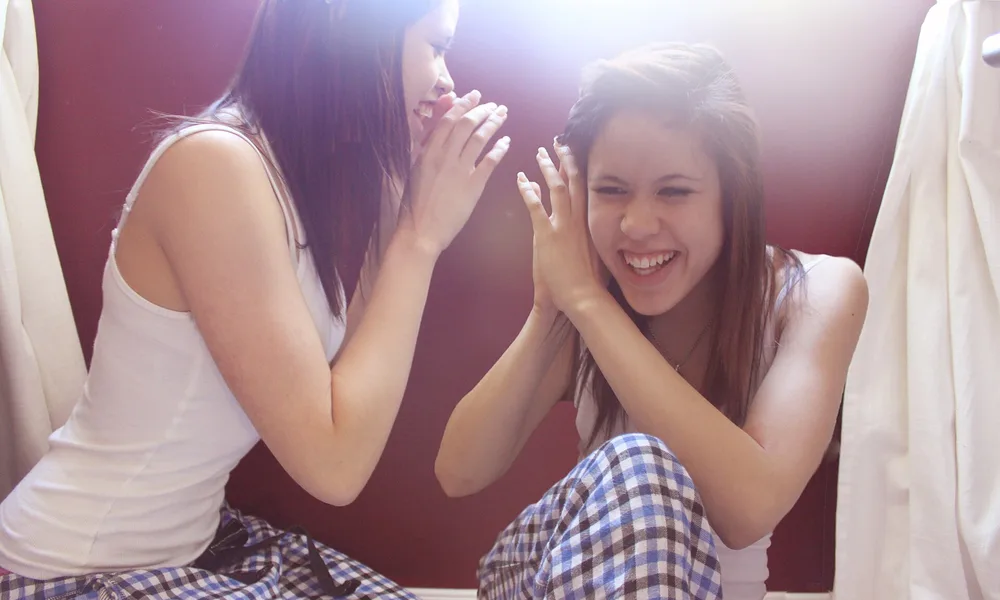
The best pajamas are the ones you forget you are wearing, which means a fit that is relaxed through the body, with room to move your arms and legs without the fabric pulling or twisting. Start at the waistband: it should sit flat and soft against your waist without digging in when you sit or lie down. A wide, soft elastic waistband is the most comfortable option for sleep, because it spreads the pressure instead of concentrating it in one thin line, and a drawstring waist works too, as long as the cord lies flat and the knot does not sit where you lie on your side.
Check the shoulders, sleeves and trouser length next. A top with a little room in the shoulders lets you sleep on your side without the seam pulling across your arm, and sleeves that end at the wrist keep you warm without bunching. Trousers that are too long pool around your ankles and tangle when you turn over, while trousers that are too short ride up and leave your legs cold, so the right length ends just at the ankle bone when you are standing. Your pillow matters just as much as your pajamas for side sleepers, because the wrong height twists your neck all night no matter how comfortable your sleepwear is.
Match the weight to your bedroom, not the season
Most people buy pajamas for the season and then wonder why they sleep badly, but the season outside matters far less than the temperature inside your bedroom, which depends on your heating, your duvet, and whether you sleep with the window open. A good rule is to dress for the room you sleep in: if your bedroom sits around 18 to 20 degrees, a light or medium-weight set in cotton or bamboo is usually right, below 17 you will want flannel or a long-sleeve cotton set, and above 21 you should switch to a short-sleeve set or a sleeveless top with shorts.
Your duvet is part of the equation too. A heavy winter duvet with a heavy flannel set is too much warmth for most people, and you will wake up sweating, while a light summer duvet with a light cotton set is the comfortable pairing. Layering works for sleep just as it does for daytime: a light top with a bathrobe over it lets you adjust when you get into bed and again when you wake up cold at four in the morning. Light and temperature work together, so if street light wakes you, a sleep mask is a cheap fix that pairs well with the right pajamas.
Styles that actually work for sleep
The classic two-piece set, a button-front or pullover top with matching trousers, is the classic for a reason: it covers you, stays in place, and suits almost everyone. It is the best starting point if you are replacing an old set and do not know what you want, because it rarely goes wrong, and it works in every fabric from cotton to silk.
Looking after your pajamas so they keep working
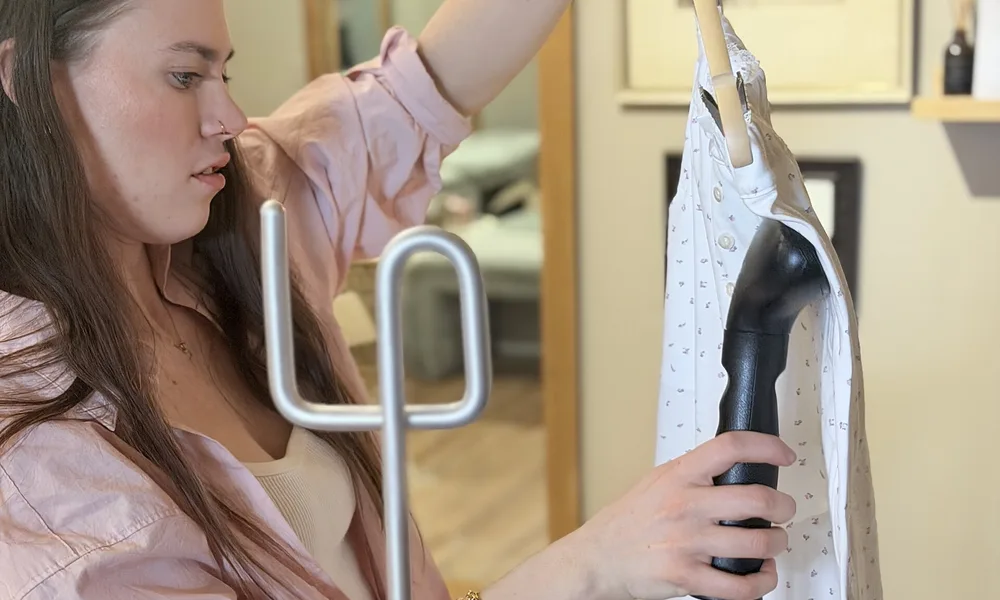
Good pajamas last for years if you wash them kindly, and the way you wash them decides how long the fabric stays soft. Wash in cool or warm water, never hot, because hot water breaks down elastic, fades colour, and makes cotton go stiff. Turn the set inside out before washing to protect the outside surface, fasten any buttons so they do not snag, and skip the fabric softener, because it coats the fibres and stops cotton and bamboo from breathing properly, which is the opposite of what you want from sleepwear.
What to avoid when you buy pajamas
Avoid novelty prints and heavy embellishments on the part you sleep in. A big sequinned motif or a thick printed panel across the chest looks fun in the shop and feels awful in bed, because it does not breathe and it presses into your skin, so save the novelty for loungewear and keep your sleep set plain and soft. Avoid synthetic fabrics that do not breathe as well: cheap polyester pajamas are often the softest thing on the rail, which is why they sell, but they trap heat and hold sweat, and you will wake up damp. If the label says 100 percent polyester and the price seems too good to be true, it is.
Pajamas buying checklist
- Choose the fabric for how you sleep: cotton for most people, bamboo if you run hot, silk for a cool luxury feel, flannel only for cold rooms.
- Match the weight to your bedroom temperature, not the season outside.
- Pick a loose, relaxed fit and test it lying down, sitting, and rolling onto your side before you keep it.
- Check for flat seams, a soft wide waistband, and printed labels rather than scratchy woven ones.
- Skip pockets, heavy buttons and thick prints on the parts you sleep on.
- Buy two good sets and wash them gently, in cool water, without fabric softener.
Frequently asked questions
What is the best fabric for pajamas if I sleep hot?
Bamboo viscose is the best choice for hot sleepers, because it wicks moisture away from the skin and feels cool to the touch. Lightweight cotton is the next best option. Avoid flannel and heavy polyester, which trap heat and make a warm room feel warmer.
Should pajamas be loose or fitted?
Loose, but not baggy. A relaxed fit lets air move and stops the fabric twisting when you turn over, while a very baggy set tangles around your legs. Aim for a fit that skims your body with room to move, and size up if you are between sizes.
How many pairs of pajamas do I need?
Two good sets are enough for most people: one to wear and one in the wash. Three is comfortable if you wash less often or like a heavier set for cold nights and a lighter one for warm nights. More than that usually means sets sitting unworn in a drawer.
Are silk pajamas worth the money?
Yes, if you like a cool, smooth feel and you are willing to wash them gently. Silk regulates temperature well and is kind to sensitive skin. If you want a set you can wash with everything else, spend the money on good cotton or bamboo instead.
Why do my pajamas ride up at night?
Usually the fit is too tight or the fabric is too slippery for the cut. A top that is too short rides up when you raise your arms, and trousers with a weak waistband slide down and bunch. Try a longer top, a wider waistband, and a fabric with a little grip, such as cotton, rather than a very smooth silk or satin.
Can pajamas really help you sleep better?
Yes, in a practical way. Pajamas that keep you at a comfortable temperature, do not twist or dig in, and feel soft against your skin remove the small discomforts that wake you up. They will not cure serious sleep problems, but they take away one common reason for restless nights.
The bottom line
The pajamas that actually help you sleep are the ones built around your body and your bedroom, not the ones with the prettiest pattern. Choose a fabric that breathes, a fit that stays comfortable when you move, and a weight that suits the temperature of your room, and you will notice the difference on the first night. Sleep is too important to spend it fighting your clothes.