Top Underwear for All-Day Comfort in 2026
The best underwear in 2026 is the pair you forget you are wearing. It stays put through a long day at a desk, a workout, a walk across town and an evening on the sofa, without riding up, digging in, chafing, or reminding you it exists. The worst underwear does the opposite, and it can ruin a day that was otherwise going fine.
Underwear is the one item of clothing you wear every single day, closer to your skin than anything else you own, yet most people spend less time choosing it than they spend choosing socks. This guide fixes that. It covers the cuts, the fabrics, the waistbands and the fit details that decide whether a pair feels invisible or irritating, so you can buy once and stop thinking about it.
Key takeaways
- The cut decides the comfort: boxer briefs suit most people, briefs suit slim fits and workouts, and loose boxers suit people who want airflow above all else.
- Fabric matters more than brand: cotton breathes, modal stays soft, bamboo wicks sweat, and synthetics work best when they are built for sport.
- A waistband should sit flat and stay put without squeezing, because a band that rolls or digs in will bother you all day.
- Buy your true size and check the leg length, because underwear that is too small rides up and underwear that is too big bunches under your clothes.
- Replace underwear when the elastic gives up, the fabric goes thin, or the fit changes, which for daily wear is usually every one to two years.
How we judged the best underwear
Every style in this guide was judged on the same five points: comfort over a full day of sitting, walking and moving; whether the fit stays put without riding up or rolling down; how the fabric breathes and handles sweat; how the waistband and seams feel against the skin; and value measured against how often the pair is worn.
The best underwear at a glance
| Underwear | Best for | Fabric | Support | Approx. price |
|---|---|---|---|---|
| Boxer briefs | Everyday wear, most body types | Cotton or modal | Medium–high | $10–$30 a pair |
| Trunks | Shorter leg, slim trousers | Cotton or modal | Medium | $10–$28 a pair |
| Briefs | Workouts, slim fits, hot weather | Cotton or synthetic | High | $8–$25 a pair |
| Loose boxers | Airflow, sleeping, relaxed days | Cotton | Low | $8–$20 a pair |
| Performance briefs | Sport, running, gym work | Synthetic blend | High | $15–$35 a pair |
| Seamless underwear | Tight clothes, no lines | Nylon or modal blend | Medium | $12–$30 a pair |
Start with the cut, because it decides everything else
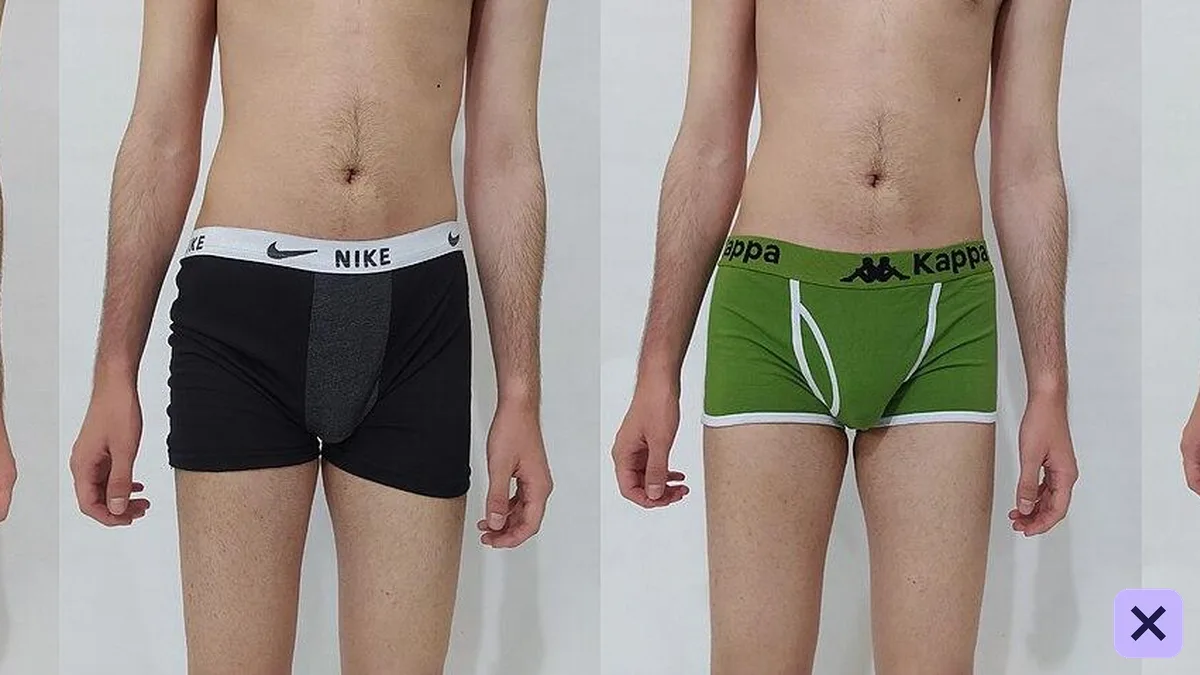
Boxer briefs are the best starting point for most people, and the reason they dominate the underwear aisle. They combine the coverage of boxers with the support of briefs: a longer leg that stops chafing between the thighs, a snug fit that holds everything in place, and a shape that works under jeans, trousers and shorts alike. If you only buy one style, make it boxer briefs in a breathable cotton or modal.
Trunks are boxer briefs with a shorter leg, usually ending higher on the thigh. They suit slimmer builds and tighter trousers, because there is less fabric to bunch under a slim leg, though the shorter leg can ride up on larger thighs, so try them on with the trousers you actually wear before committing to a multipack. Briefs are the oldest style and still the best for some jobs: they give the most support, stay put during a workout, and disappear under slim trousers because there is no leg to bunch. They also keep you cooler in hot weather, and if you run, cycle, or wear slim-fit clothes, briefs deserve a place in your drawer.
Fabric: what feels good at 9am should still feel good at 9pm
Cotton is the default for a reason. It breathes, it feels soft and familiar, it washes easily, and it suits most days. The best everyday cotton underwear is made from combed or ring-spun cotton, which is smoother and less likely to go rough after washing, and a little stretch, usually five percent elastane, helps the fit stay put without changing the feel of the fabric. A good cotton T-shirt follows the same rule, which is why the two layers work so well together.
Modal is the upgrade if you find cotton a little rough or a little heavy. Made from beech tree fibre, it is softer than cotton, holds its shape well, and stays smooth after dozens of washes. It costs more per pair, but it is the fabric to choose if your skin is sensitive or if you want underwear that still feels new after a year of wear. Bamboo viscose is the best choice for people who sweat: it wicks moisture, feels cool and silky, and resists odour better than cotton, though it needs gentler washing and a low dryer setting.
Synthetic fabrics, usually nylon or polyester blends, have one clear strength: they move sweat away from the skin and dry quickly, which makes them ideal for sport and for very hot, humid days. For everyday wear they can feel clammy and hold odour, so keep them for the gym bag and choose a natural fibre for the office. Whatever the fabric, a breathable cotton gusset is the detail to look for in women’s styles, because it keeps the most sensitive area dry and comfortable.
The waistband is where comfort is won or lost
A good waistband sits flat against your waist, stays where you put it, and spreads its pressure so you never feel one thin line digging in. A bad waistband rolls down, twists, or squeezes, and it will bother you from the first hour of the day to the last. Width matters: a waistband around three to four centimetres wide is the most comfortable for most people, because it distributes pressure evenly, while very narrow bands dig in and very wide bands can fold over when you sit.
Fit: buy your true size and check the leg
Underwear that is too small is the most common mistake, and it causes most of the complaints: riding up, digging in, chafing, and seams that press into the skin. Underwear that is too big is nearly as bad, because loose fabric bunches under your clothes and the waistband slides down. Your true size, measured at the waist where the band sits, is the size to buy, and the same logic applies under leggings, where the wrong base layer shows through and bunches at the worst moments.
Try one pair before you buy seven. Underwear is the one item you cannot return once you have worn it, so a single test pair is the cheapest way to check a new brand. Wear it for a full day, including sitting, walking, and stairs, and only buy the multipack if you forgot you were wearing it by lunchtime.
Underwear for different days
For a desk day, boxer briefs or trunks in cotton or modal are the right call. They stay put while you sit, they do not bunch under trousers, and they breathe well enough for a heated office. For the gym, switch to a performance pair in a synthetic blend: the moisture-wicking fabric keeps you dry, the snug fit stays put through squats and sprints, and the flat seams stop chafing when you sweat. Change out of them soon after your workout, because damp synthetic fabric is not something you want against your skin for hours, and pair them with athletic shorts that breathe rather than heavy cotton ones that hold sweat.

Looking after your underwear so it lasts
Wash underwear in cool or warm water, never hot, because hot water breaks down elastic faster than anything else. A gentle cycle is enough for daily wear, and turning pairs inside out before washing protects the outside surface and lets the detergent reach the part that needs cleaning most. Skip the fabric softener here too: it coats the fibres, stops cotton and bamboo from breathing, and can irritate sensitive skin. A small amount of white vinegar in the rinse now and then keeps fabric soft and helps remove detergent build-up without coating anything.
What to avoid when you buy underwear
Avoid buying a multipack before you have tried the style, because a seven-pack of the wrong cut is seven pairs you will hate, and underwear is rarely returnable once worn. Buy one pair, wear it for a full day, and only then buy the pack. Avoid underwear made entirely from cheap polyester for everyday wear: it may feel soft on the rail, but it traps heat, holds odour, and feels clammy by the afternoon. Save synthetics for sport, where their moisture-wicking is a genuine advantage, and choose a natural fibre for the rest of your life.
Underwear buying checklist
- Choose the cut for your day: boxer briefs for most days, briefs for sport and slim fits, loose boxers for airflow and sleep.
- Pick the fabric for how you live: cotton for everyday, modal for softness, bamboo if you sweat, synthetics only for sport.
- Check the waistband is wide, soft and flat, and that it stays put when you sit, stand and bend.
- Buy your true waist size, check the leg length, and try one pair before buying a multipack.
- Look for flat seams, a contoured pouch or a cotton gusset, and no scratchy labels.
- Replace pairs when the elastic gives up or the fabric goes thin, usually every one to two years.
Frequently asked questions
How many pairs of underwear should I own?
Ten to fourteen pairs is enough for most people: a week of daily wear plus spares, so you are never caught out by laundry day. Own more if you work out daily or travel often, and fewer if you wash every two or three days. Quality matters more than quantity, because seven good pairs beat fourteen bad ones.
What is the most comfortable underwear for men?
Boxer briefs in cotton or modal suit most men, because they give support without squeezing and the longer leg stops chafing. Men with larger thighs should look for a longer leg and a flat seam, while men who run hot should try briefs or a bamboo blend.
What is the most comfortable underwear for women?
It depends on the outfit, but a cotton or modal brief with a breathable cotton gusset is the most comfortable everyday choice for most women. Seamless styles work best under tight clothes, and a soft, wide waistband that does not roll is worth more than any brand name.
Should underwear be tight or loose?
Snug, not tight. Underwear should sit close to your body and move with you, without squeezing, digging in, or leaving marks. If you can see the waistband outline through your clothes or feel it when you sit, it is too tight. If it slides down or bunches, it is too loose.
How often should I replace my underwear?
Every one to two years for pairs you wear weekly, and sooner if the elastic has gone slack, the fabric has thinned, or the fit has changed. A pair that has lost its shape is no longer doing its job, however much you paid for it.
Is it better to sleep in underwear or without?
Both are fine, and it comes down to comfort. Sleeping without underwear lets the skin breathe and stay dry overnight, which some people find more comfortable. If you prefer to sleep in underwear, choose a loose, breathable cotton pair and nothing tight or synthetic.
The bottom line
The best underwear is the pair you never have to think about: the right cut for your body, a fabric that breathes all day, a waistband that stays put, and a fit that is snug without squeezing. Spend a little time getting those four things right, buy one pair before you buy seven, and your drawer will quietly make every day a little more comfortable.