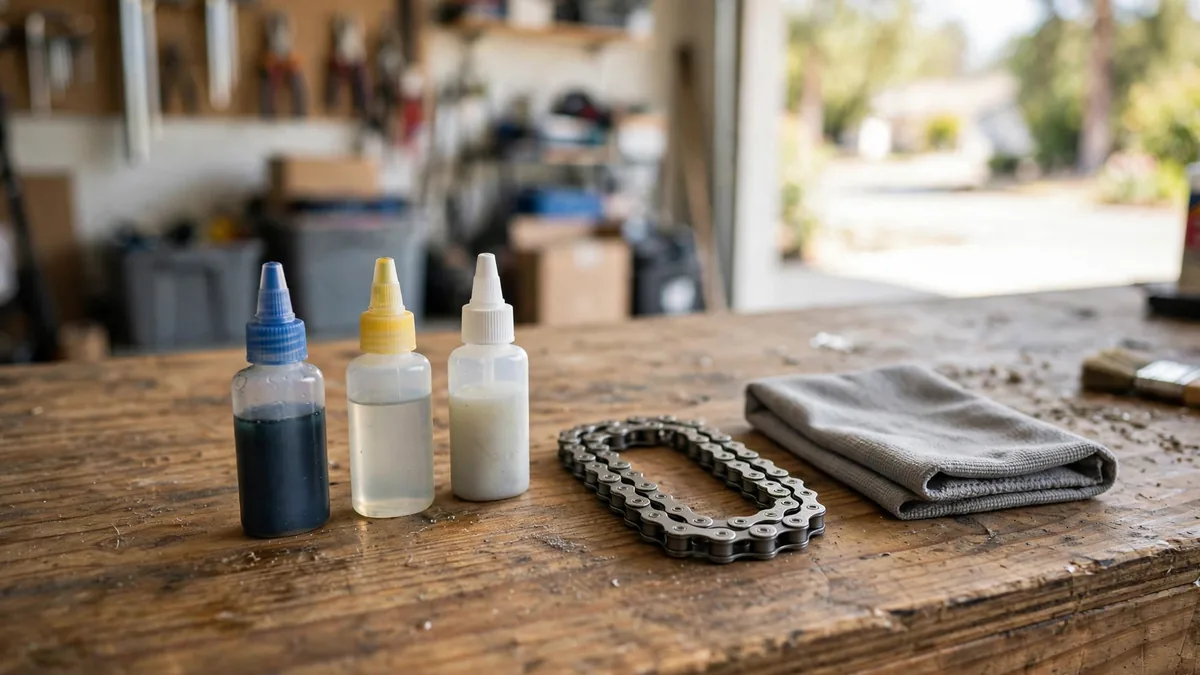
Top Lens Cleaners for Cameras and Glasses in 2026
The top lens cleaners in 2026 are the ones that leave a camera lens or a pair of glasses perfectly clear without harming the coatings that make them work. A lens is not a window: its glass carries thin coatings that cut glare, repel water or block reflections, and the wrong liquid strips them a little more with every wipe. The right lens cleaner respects the coating, lifts grease and dust, and evaporates without leaving streaks or residue.
Most fail in small ways: a harsh spray clouds a coating, a rough wipe leaves fine scratches, and a dirty cloth causes more damage than any cleaner. This guide covers the cleaners worth buying, the formats that suit each job, and the mistakes that cause scratches and streaks.
Key Takeaways
- An alcohol-free, ammonia-free lens cleaner with a clean microfibre cloth is the safest all-round choice.
- Blow dust off before you touch a lens: one grain of grit dragged across the glass causes more damage than any liquid.
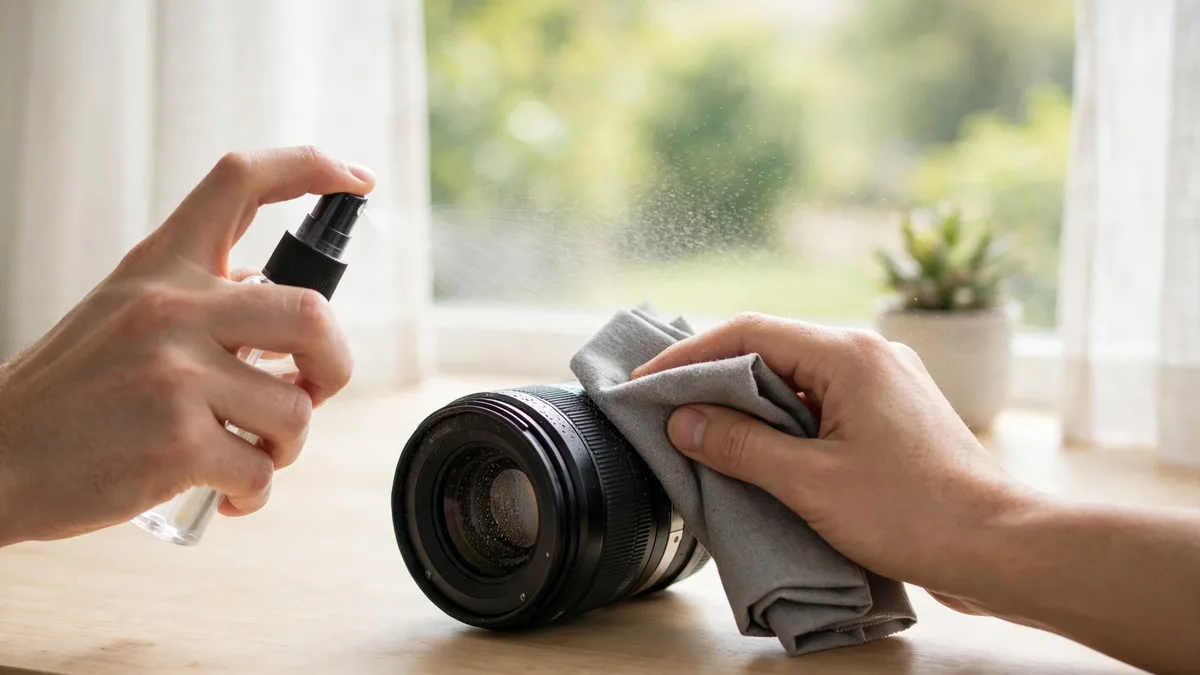
- Never spray liquid directly onto a lens: spray the cloth, so nothing seeps into the edges or barrel.
- Pre-moistened wipes are best for travel, but check the label: wipes made for screens or household use can damage lens coatings.
- A clean, dry microfibre cloth does half the work on its own, and a dirty cloth causes more scratches than any cleaner ever will.
What a Lens Cleaner Actually Is
A lens cleaner is a fluid, wipe or kit designed to clean optical glass: camera lens elements, glasses lenses, and the glass of binoculars, telescopes and viewfinders. It dissolves the thin film of skin oil, dust and moisture that builds up on a lens, without attacking its coatings. That narrower job is what separates a lens cleaner from the cleaners around it.
The nearest neighbour is the screen cleaner, which is made for displays rather than optical glass. Our guide to screen cleaners covers that product in full: it is designed for the coatings on phones, laptops and televisions, not for a camera lens. A lens cleaner is also different from a microfibre cloth on its own. Our guide to microfiber cloths explains how the cloth works: a good cloth traps dust and grease in its split fibres, and it is the essential partner for any lens fluid, but not a cleaner by itself. Used together, they are the safest way to clean a lens.
Three formats are worth buying. A spray bottle gives the most control and value, and suits regular cleaning at home. Pre-moistened wipes are individually wrapped, so they suit travel, where a bottle would leak. A cleaning pen has a brush on one end and a carbon tip on the other, and suits quick spot cleans in the field. Most people need a spray and cloth at home, and wipes for the road.
How We Judged the Best Lens Cleaners
Every lens cleaner here was judged on five points: coating safety, with no alcohol, ammonia or acetone; cleaning power, lifting grease in one or two wipes; residue, evaporating cleanly; ease of use, with a fine spray and wipes that do not drip; and value, in cleans per bottle or pack.

Lens Cleaners 2026 at a Glance
| Best for | Format | Safe for | Standout strength |
|---|---|---|---|
| Best overall | Spray and cloth | Cameras and glasses | Cleans in one wipe, leaves no residue |
| Best for travel | Pre-moistened wipes | Cameras and glasses | Individually wrapped, never leaks |
| Best for cameras | Spray, brush and blower | Camera lenses | Removes dust before you wipe |
| Best for glasses | Gentle spray | Glasses and sunglasses | Kind to anti-reflective coatings |
| Best for the field | Cleaning pen | Camera lenses | Brush and carbon tip in one tool |
| Best on a budget | Large spray bottle | Cameras and glasses | Hundreds of cleans for very little money |
The Formats Worth Buying
Lens Cleaning Sprays
A lens cleaning spray is purified water with a tiny amount of gentle surfactant, the ingredient that lifts grease, and sometimes a fast-evaporating solvent that is safe for coatings. It is the best format for regular use, because one bottle lasts for hundreds of cleans and you control exactly how much you use. Spray it onto a folded cloth, never the lens, and wipe in slow circles from the centre outwards. Look for a label that says alcohol-free and ammonia-free and names coated lenses specifically. Avoid sprays that smell strongly of chemicals: that usually means a solvent coatings dislike.
Pre-Moistened Lens Wipes
Pre-moistened wipes are the best choice for travel, because each one is sealed in its own foil packet and cannot leak. They are also the easiest to use well: open one, wipe the lens in circles, and throw it away. The catch is the label. Wipes made for glasses or household use can contain alcohol or fragrances that damage camera lens coatings, and wipes made for screens are designed for a different surface. Buy wipes that say lens cleaner on the packet and are alcohol-free and ammonia-free, and never reuse one: a used wipe carries the grit it picked up.
Lens Cleaning Pens and Kits
A lens cleaning pen is a two-ended tool: a soft brush for dust and a carbon tip for fingerprints. It is the fastest way to clean a lens in the field, and it fits in a pocket. A full kit adds a blower, which puffs dust off without touching the glass, and a microfibre cloth. If you shoot outdoors, a kit is worth buying: dust is the main enemy of a camera lens. Our guide to camera lenses explains which lenses are worth protecting this carefully: all of them, since even an inexpensive lens deserves a clean that does not scratch it.
How to Clean a Camera Lens Properly
Cleaning a camera lens properly takes a minute, and the order matters more than the product. First, hold the lens facing down and squeeze the blower to puff loose dust off the glass. Second, brush lightly to sweep away what the blower missed. Third, spray the cleaner onto a folded microfibre cloth, never onto the lens. Fourth, wipe in slow circles from the centre outwards, turning the cloth to a clean section as you go. Fifth, hold the lens up to the light; if you see streaks, wipe once more with a dry section.
That order exists for one reason: dust scratches. A single grain of sand dragged across a lens leaves a mark you cannot remove. Blowing and brushing first takes the grit away before anything touches the glass, and that habit prevents more damage than any choice of spray. The rear element is smaller, more curved and easier to scratch, so be even gentler there.
How to Clean Glasses Properly
Glasses are cleaned the same way, with one difference: rinse them first. Hold your glasses under lukewarm running water to wash away dust and grit, then shake off the excess. Spray a little lens cleaner onto a microfibre cloth, wipe each lens in circles, and finish with a dry section. Never wipe glasses dry when dusty, and never use your shirt, a tissue or a paper towel: all three leave scratches over time.
Glasses with anti-reflective coatings need extra care. Those coatings cut glare but are thin, and they dislike alcohol, acetone and household glass cleaner. Use only a cleaner that says it is safe for coated lenses, and replace the microfibre cloth when it feels stiff or looks dirty: a cloth carried loose in a pocket has picked up grit, and grit is what scratches.

What to Avoid
Some products should never touch a lens. Household glass cleaner contains ammonia, which attacks coatings and can cloud them permanently. Vinegar does the same damage more slowly. Tap water leaves mineral spots when it dries. Alcohol strips coatings and can damage the seals around a camera lens. Acetone dissolves coatings and plastics on contact. Breath and a shirt sleeve combine moisture with a rough fabric, and are the fastest way to scratch a fine lens.
The same caution applies to cloths. A paper towel feels soft but leaves fine scratches, and a tissue is worse. A cotton cloth pushes dust along the surface instead of trapping it. A dirty microfibre cloth is the most dangerous of all, because it looks right while carrying grit. Wash microfibre cloths without fabric softener or dryer sheets, which coat the split fibres and destroy their grip.
Storing and Carrying Lens Cleaners
A lens cleaner is only useful if it is with you when you need it, so think about where it lives. At home, keep the spray and a cloth by the door. In a camera bag, keep a small spray, pen and blower in a side pocket, with the cloth in a sealed bag. In a glasses case, keep a small spray and cloth, or carry wipes in your pocket. Replace wipes before a trip, as a dried-out wipe is useless, and check spray bottles for leaks after a flight.
Mistakes That Damage Lenses
The most common mistake is wiping a dusty lens dry, dragging grit across the glass. The second is spraying liquid directly onto the lens, letting it seep into the barrel or under the frame. The third is using the wrong product, usually household glass cleaner or an alcohol wipe, which attacks coatings. The fourth is reusing a dirty cloth or wipe, which carries grit from the last clean. The fifth is pressing too hard. Avoid those five, and a lens will stay clear for years.
Lens Cleaner Checklist
- Check the label says alcohol-free, ammonia-free and safe for coated lenses.
- Blow or brush dust off the lens before anything touches the glass.
- Spray the cleaner onto the cloth, never directly onto the lens.
- Wipe in slow circles from the centre outwards, turning to a clean section.
- Keep a clean microfibre cloth in a sealed bag so it stays free of grit.
- Store wipes sealed and check spray bottles for leaks before a trip.
Frequently Asked Questions
Can I use a screen cleaner on a camera lens?
You should not. A screen cleaner is made for display coatings, and its formula is not tested for optical glass. The wrong solvent can cloud a lens coating over time, so use a cleaner made for lenses.
Is it safe to use lens cleaner on glasses with anti-reflective coating?
Yes, if it says it is safe for coated lenses and is alcohol-free and ammonia-free. Avoid household glass cleaner, vinegar and alcohol wipes, and wipe gently with a clean microfibre cloth, not a shirt or tissue.
How often should I clean a camera lens?
Only when it needs it. A lens with a little dust still takes sharp photos, and every clean carries a small risk of scratching. Blow dust off before a shoot, wipe fingerprints when you see them, and leave a clean lens alone.
Can I make my own lens cleaner?
You can, but it is rarely worth it: distilled water with a drop of mild dish soap works in a pinch, but a commercial cleaner costs very little. Never add alcohol or vinegar.
Do lens cleaning pens work?
Yes, for quick spot cleans in the field: the brush removes dust and the carbon tip lifts fingerprints. Keep the cap on when not in use, and use a spray and cloth for a full clean at home.
What is the best lens cleaner for travel?
Pre-moistened wipes, because they are sealed, light and cannot leak. Pack enough for the trip plus a few spare, keep a small microfibre cloth in a sealed bag, and carry the wipes in your day bag.
The Bottom Line
The best lens cleaner is the gentlest one that still gets the glass clear: an alcohol-free, ammonia-free fluid or wipe, used with a clean microfibre cloth, after the dust has been blown away. Buy a spray and cloth for home, wipes for the road, and a blower if you shoot outdoors.