The best chain lubes keep your bike running quietly, shifting smoothly and lasting longer, all for the price of a coffee. A chain is the hardest-working part of a bicycle: every pedal stroke drags metal across metal, and without lubrication that friction grinds the links, wears the cassette and steals your effort. This guide explains the types of chain lube, how they differ, and how to pick the right one in 2026.
Key takeaways
- Chain lube reduces friction between links, rollers and cassette, slowing wear and keeping shifting smooth.
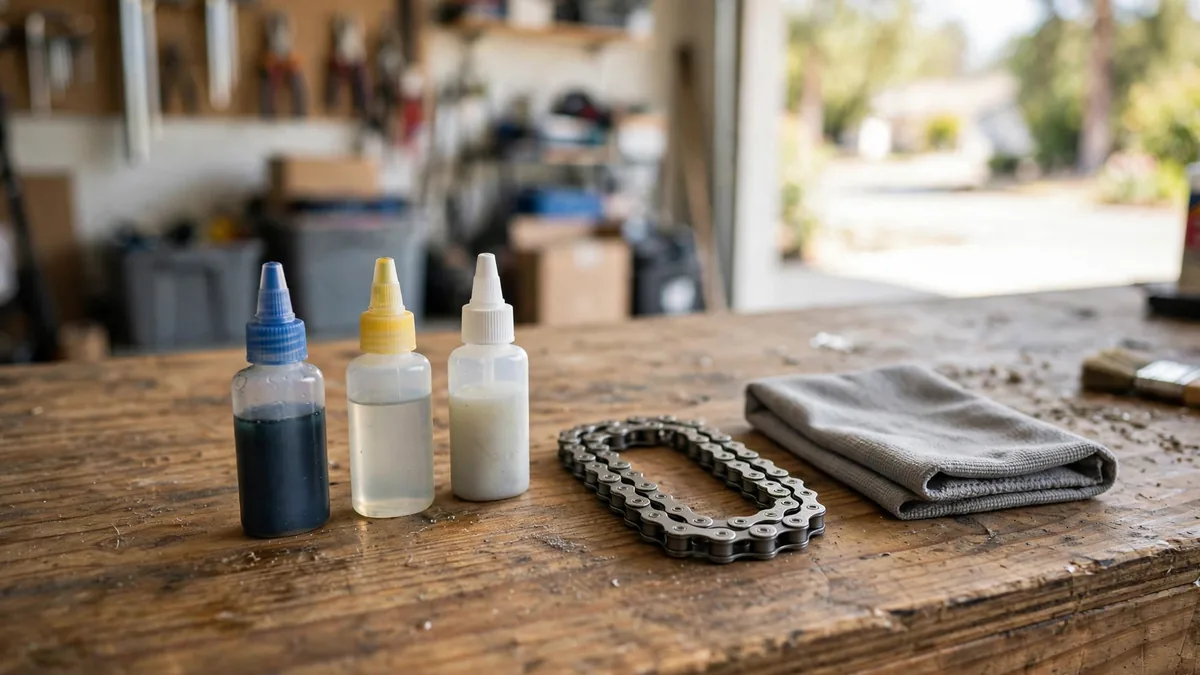
- Wet lube suits rain and mud, dry lube suits dry and dusty roads, and wax lube suits riders who want the cleanest drivetrain.
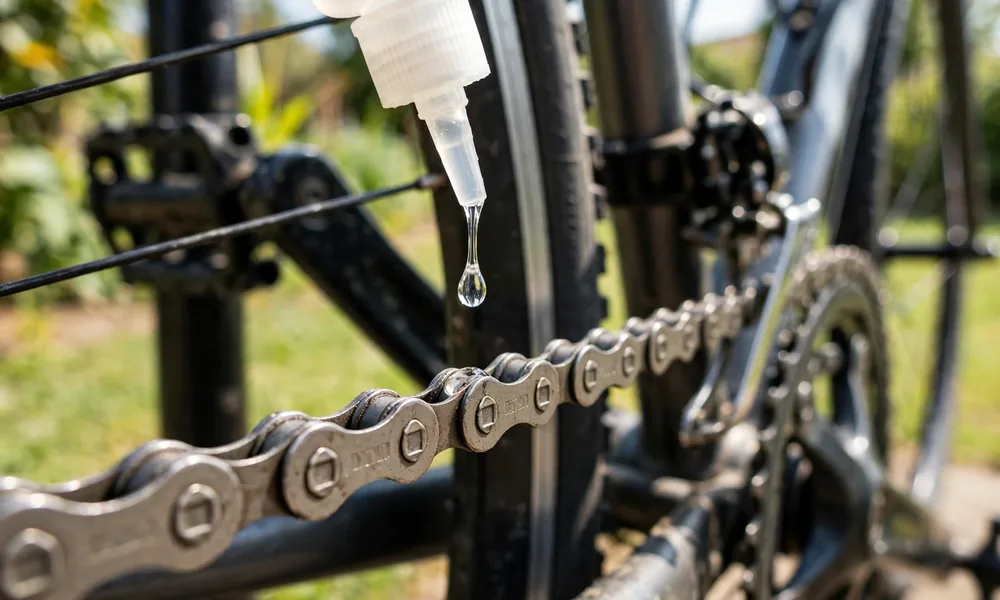
- Apply lube to the inside of the chain, one drop per link, then wipe off the excess: a chain should feel damp, never dripping.
- Clean the chain before you re-lube, or you will grind old grit into the links with the fresh oil.
- Re-lube after wet rides and roughly every 150 to 300 kilometres in dry conditions.
What chain lube actually does
A bicycle chain is a row of small metal parts moving against each other thousands of times per ride. Each link pivots on a pin, each roller turns on its bushing, and the whole chain wraps around the teeth of the chainring and cassette. Without lubrication, those metal surfaces rub directly together, and the friction wears them down.
Chain lube works by putting a thin film between those moving surfaces. It does not need to be thick, and more is not better: a light, even coating inside the links is what matters, because that is where the metal meets metal. The outside of the chain does almost no work, which is why a chain that looks oily on the outside but is dry inside will still squeak, skip and wear out early.
Lube versus cleaner: the distinction that matters
Chain lube and chain cleaner are often sold side by side, and they are easy to confuse, but they do opposite jobs. A cleaner, usually a degreaser or a chain wash, strips old oil, dirt and grit off the chain. A lube replaces the protection afterwards.
The order is always the same. Degrease and clean first, let the chain dry, then apply fresh lube and wipe off the excess.
The main types of chain lube, compared
| Type | Best for | Strength | Weakness |
|---|---|---|---|
| Wet lube | Rain, mud, winter riding | Stays on in the wet, long lasting | Attracts dirt, needs frequent cleaning |
| Dry lube | Dry roads, dusty trails | Stays clean, quiet in the dry | Washes off quickly in rain |
| Wax lube | Clean drivetrains, road riding | Cleanest chain, low friction | Needs a spotless chain to start |
| Ceramic lube | All-round riding, racing | Low friction, lasts well | Costs more, needs a clean chain |
| All-conditions lube | Mixed weather, commuters | One bottle for everything | Master of none, average everywhere |
Wet lube: built for rain and mud
Wet lube is the thick, sticky oil designed to survive water. It clings to the chain through rain, puddles and muddy trails, which makes it the default choice for winter riding, commuting in bad weather and mountain biking. A single application can last several wet rides, and it keeps the chain protected even when the bike comes home filthy.
The trade-off is dirt. Wet lube attracts dust and grit, and in dry conditions it turns into a black, sticky paste that wears the drivetrain faster than a clean dry lube would. Use it when the forecast is wet, wipe the chain down after muddy rides, and expect to clean the drivetrain more often.
Dry lube: clean and quiet in the dry
Dry lube is a light oil carried in a solvent that evaporates after application, leaving a thin, dry-feeling film behind. It is the right choice for dry roads and dusty trails, because it does not attract dirt the way wet lube does. A chain treated with dry lube stays visibly cleaner for longer, and it runs quietly in the conditions most riders actually ride in.
The weakness is water. Dry lube washes off quickly in rain, and a single wet ride can strip it from the chain entirely. If the weather turns, you will need to reapply, and if you forget, the chain will tell you with a squeak. Apply dry lube the night before a ride rather than just before you leave, because the solvent needs time to evaporate and the film needs time to set.
Wax lube: the cleanest option
Wax lube coats the chain in a thin layer of wax rather than oil. It is the cleanest option by a wide margin: a waxed chain barely marks your hands, your clothes or your car, and it sheds dirt instead of collecting it. For road riders who want a spotless drivetrain and the lowest possible friction, wax is hard to beat, and many racers have switched to it for exactly those reasons.
Wax demands preparation. It will not stick to a dirty or oily chain, so the chain must be completely degreased before the first application, and that first clean is a proper job, not a quick wipe. After that, reapplication is easy, but wax wears off faster than oil in wet conditions, so it suits dry riding best.
Ceramic and specialist lubes
Ceramic lubes add tiny ceramic particles to a synthetic oil, and they promise lower friction and longer life than ordinary oil. They suit riders who want one bottle that performs well in most conditions and are willing to pay a little more for it.
There are also specialist lubes for extreme conditions: extra-thick oils for downhill and e-bikes, where chains work harder and wear faster, and ultra-light racing lubes that prioritise low friction over longevity. A good wet lube, a good dry lube and a bottle of wax cover everything.
How to apply chain lube properly
Good application matters more than the brand on the bottle. Start with a clean, dry chain: wipe it down with a rag, and if it is filthy, degrease it and let it dry fully. Then backpedal slowly, placing one small drop on each link.
Then keep backpedalling for a minute so the lube works into the links, and wipe the outside of the chain thoroughly with a clean rag. This is the step most people skip, and it matters most: excess lube on the outside only attracts dirt. The chain should look almost dry and feel slightly damp to the touch.
How often should you re-lube
There is no single interval that suits every rider, because conditions matter more than distance. In dry weather, a chain lubed with dry lube or wax lasts roughly 150 to 300 kilometres before it starts to sound dry. In wet weather, a wet lube may last a similar distance, but a dry lube can be gone in a single rainy ride.
Build a habit around it rather than a schedule. Check the chain when you check the tyres, before a long ride, and after any ride in rain or mud. When in doubt, lube it: a few drops of oil cost almost nothing, while a worn chain can cost you a new cassette. E-bike riders should check more often, because the motor puts more force through the chain and wears it faster.
Mistakes that ruin a chain
The most damaging mistake is lubing a dirty chain, because the fresh oil carries grit into the links and grinds them from the inside. The second is over-lubing: drowning the chain in oil does not protect it better, it just collects dirt faster and makes a mess of everything the chain touches.
Another common error is lubing the outside of the chain only, spraying the visible plates while the rollers inside stay dry. The lube needs to reach the pins and rollers, which is why a drip bottle aimed at the links beats a spray aimed at the chain from a distance. A chain wear checker, part of any good home tool kit, tells you when the time has come; our guide to the best bike tools covers the kit in full.
Choosing by riding conditions
The right lube depends on where and how you ride. A commuter who rides in all weather wants a wet lube or an all-conditions lube, because reliability matters more than cleanliness. A road rider in a dry climate wants dry lube or wax, because a clean, quiet drivetrain is the priority. A mountain biker needs wet lube for mud and dust protection, and should re-lube after every filthy ride.
Season matters too. Many riders switch lubes twice a year: wet lube for winter, dry lube or wax for summer, with a thorough clean at each changeover. That clean matters, because mixing wax and oil leaves a gummy residue that neither product was designed for. If you ride in mixed conditions all year, an all-conditions lube is the honest compromise, and it will serve you well as long as you reapply it often.

Checklist: keeping your chain lubed
- Match the lube to the weather: wet for rain and mud, dry or wax for dry roads.
- Clean the chain before you re-lube, and let it dry fully first.
- Apply one drop per link on the inside run, then backpedal to work it in.
- Wipe the outside of the chain until it looks almost dry.
- Re-lube after wet rides and every 150 to 300 kilometres in the dry.
- Check chain wear regularly and replace the chain on time.
Frequently asked questions
What is the best chain lube for a beginner?
A dry lube if you ride mostly in dry weather, or a wet lube if you ride in rain. Both are cheap, easy to apply and forgiving.
Can I use WD-40 as chain lube?
No. It is a water dispersant and cleaner, not a lubricant, and it evaporates quickly, leaving the chain nearly dry.
How much chain lube should I use?
One small drop per link, applied to the inside run of the chain, is enough. Then wipe off the excess.
How often should I lube my bike chain?
Every 150 to 300 kilometres in dry conditions, and after every wet or muddy ride. Listen to the chain: if it squeaks or sounds dry, lube it regardless of distance.
Is wax lube better than oil?
Wax is cleaner and has slightly lower friction, but it needs a spotless chain to start and wears off faster in the wet. Oil is more forgiving and lasts longer in bad weather.
Do I need to clean my chain before lubing?
Yes, if it is visibly dirty or gritty. Lubing a dirty chain grinds old grit into the links.
The bottom line
The best chain lubes are the ones matched to your weather, applied sparingly to a clean chain, and reapplied before the chain starts to complain. Wet lube for rain, dry lube or wax for dry roads, and a wipe-down after every filthy ride will keep your drivetrain quiet, smooth and long-lived. Start with one bottle that matches your weather, learn the five-minute routine, and your chain will thank you with every quiet mile. A bottle of lube costs little and a new drivetrain costs a lot, so the five minutes it takes to lube a chain is the best-spent time in cycling maintenance. A well-lubed chain and properly inflated tyres are the two cheapest ways to make any bike feel faster, as our guide to the best bike pumps shows. Chain care starts with cleaning: our guide to the best bike cleaners explains how to degrease a chain before you lube it.