How to Choose the Best Bike Cleaners in 2026
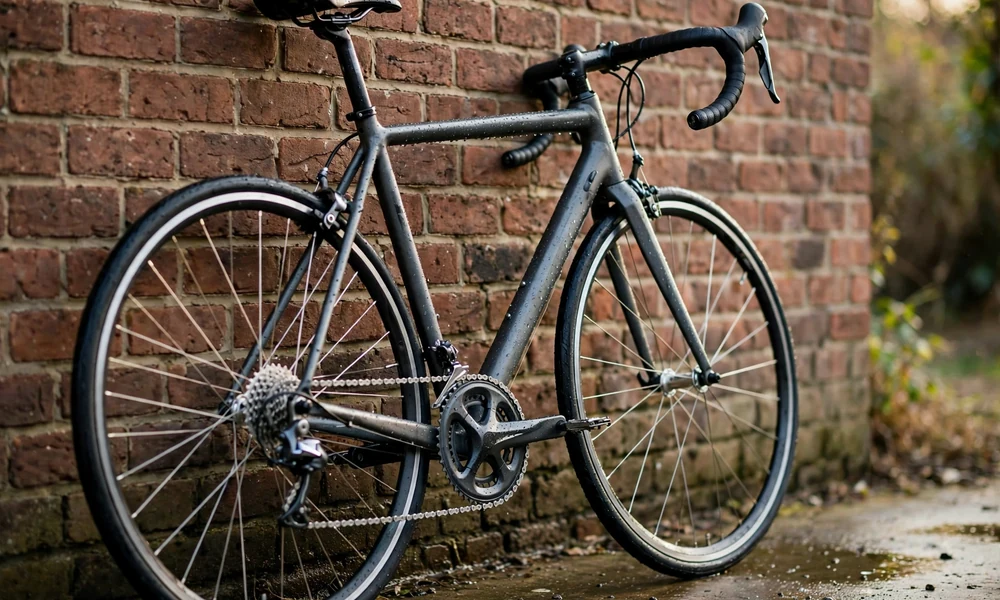
A clean bike is not just a pretty bike. Dirt, grit and road salt grind away at the chain, wear out the brake pads, and quietly corrode the parts you cannot see, and the best bike cleaners in 2026 make it easy to wash all of that away without damaging the frame, the paint, or the bearings. A good cleaner lifts grime fast, rinses off cleanly, and leaves nothing behind that attracts more dirt. A bad one strips grease from places that need it, dulls the finish, or leaves a sticky film that turns your next ride into a grinding session.
Most riders clean their bikes far less often than they should, usually because the job feels like a chore. The right cleaner changes that. With a decent spray and a brush, a full wash takes fifteen minutes. This guide explains the types of cleaner available, what to look for, what to avoid, and how to wash a bike properly.
Key Takeaways
- Use a bike-specific cleaner, not household detergent, which strips grease from bearings and can damage paint and seals.
- Degreaser is for the chain and drivetrain only; never spray it over the whole bike or near bearings.
- A spray-on, rinse-off cleaner plus a brush does most of the work; no special equipment is needed.
- Never use a pressure washer on a bike, because the jet forces water past seals and into bearings.
- Clean the drivetrain first, then the frame, and always dry the chain and re-lube it after washing.
Why a Clean Bike Lasts Longer
A bicycle is a machine with a lot of exposed moving parts, and every one of them suffers when dirt builds up. Grit on the chain acts like sandpaper, wearing the chain and the cassette together, and a worn chain wears the cassette faster, which turns a cheap part into an expensive repair. Mud packed around the brakes reduces stopping power, and road salt in winter attacks aluminium and steel alike, leaving corrosion that no amount of polishing will undo.
Cleaning is also the best inspection you will ever do. When you wash a bike, you notice the loose bolt, the cracked tyre, the frayed cable, and the spoke that has gone slack, all before they become a problem on the road. A bike that is cleaned regularly is a bike whose problems are caught early, and that is worth more than any single component upgrade.
The Main Types of Bike Cleaner
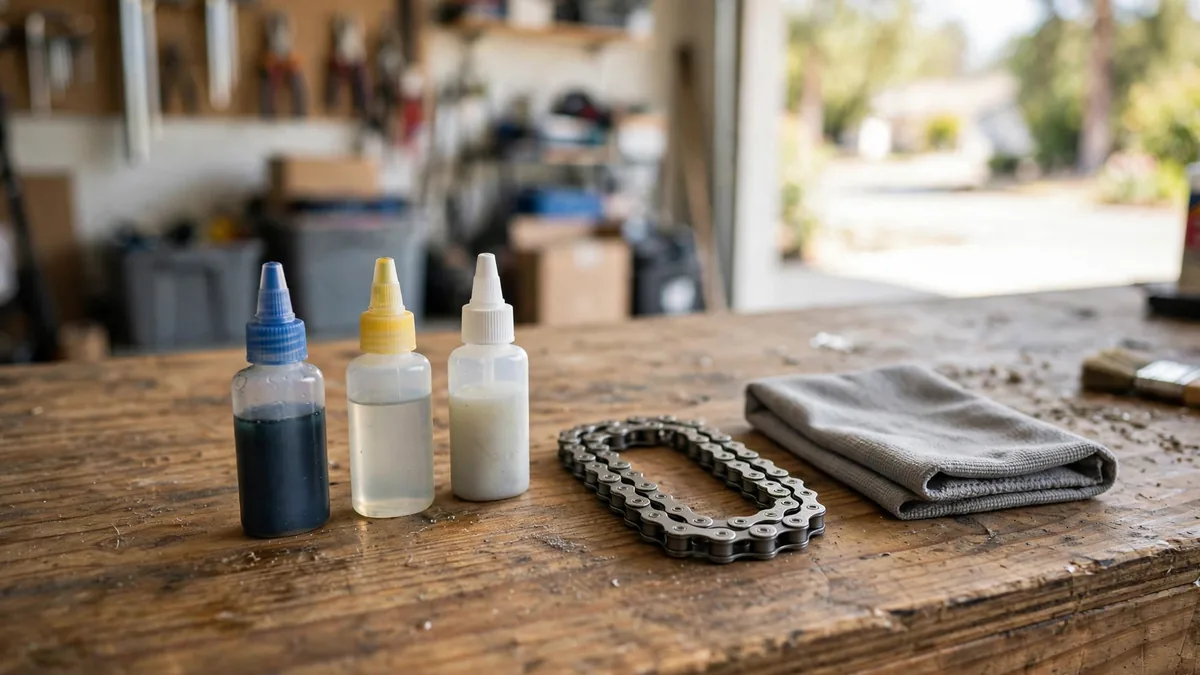
Bike cleaners come in several forms, and each suits a different job. Most riders need two products: a general frame cleaner and a degreaser for the drivetrain. Buying both is cheaper than replacing a worn cassette.
Spray-On Frame Cleaners
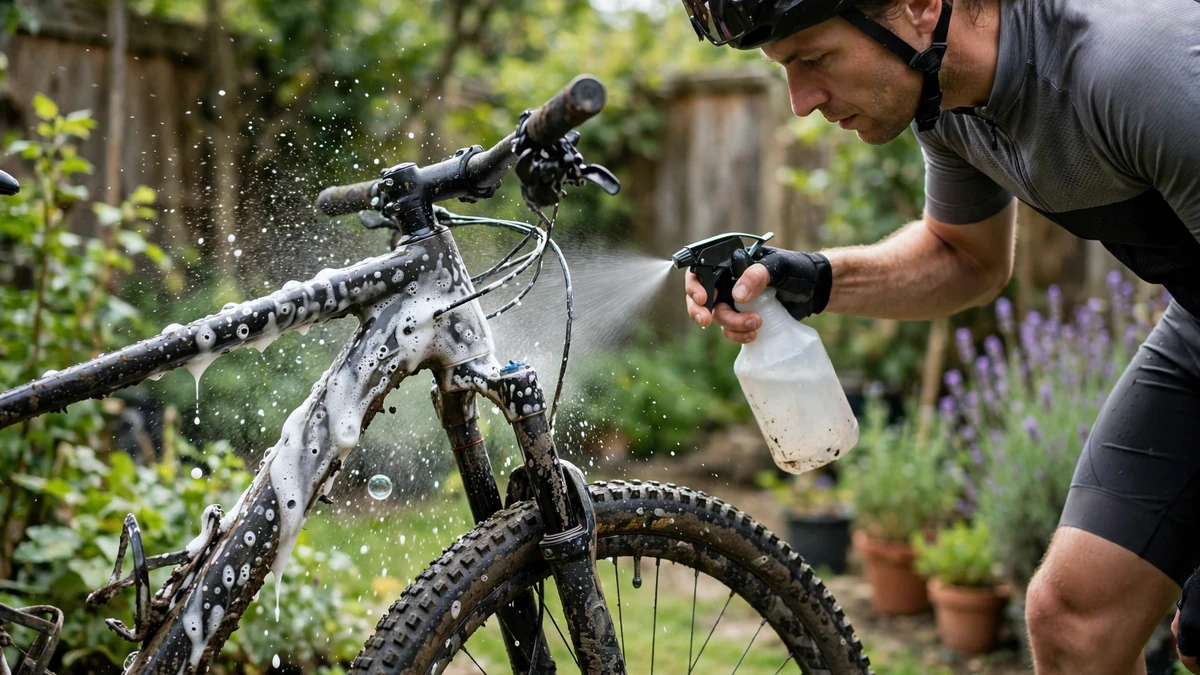
A spray-on frame cleaner is the workhorse of bike cleaning. You spray it over the frame, wheels and forks, leave it for a minute or two so it can loosen the dirt, agitate the stubborn spots with a brush, and rinse it off with a bucket or a gentle hose. The best ones are biodegradable, safe on paint, carbon and disc brakes, and they do not leave a residue. They are the right choice for a general wash after most rides, and a bottle lasts a long time because a little goes a long way. Avoid cleaners that promise a wax finish in the same step, because the wax can end up on brake rotors, where it does real harm.
Degreasers
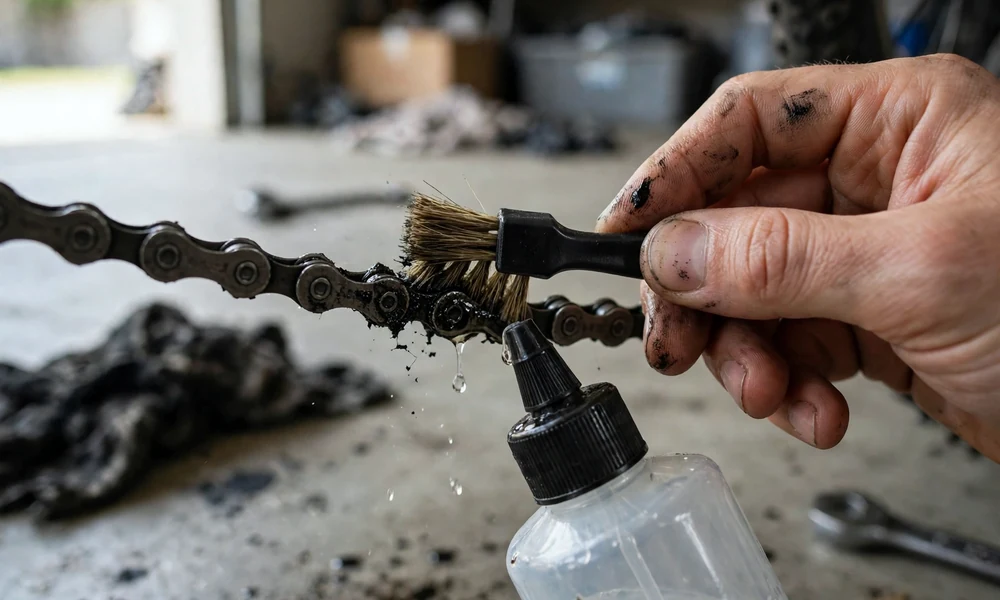
A degreaser is a much stronger product, made to dissolve the black, oily grime that builds up on the chain, cassette, chainrings and jockey wheels. Apply it to the drivetrain, let it work for a few minutes, scrub with a stiff brush, and rinse thoroughly. Degreaser is powerful stuff, so keep it away from bearings, hubs, bottom brackets and headsets, because it will strip the grease out of them just as happily as it strips grime off a chain. Never spray it over the whole bike, and always re-lube the chain after using it.
Foaming Cleaners and Wash Kits
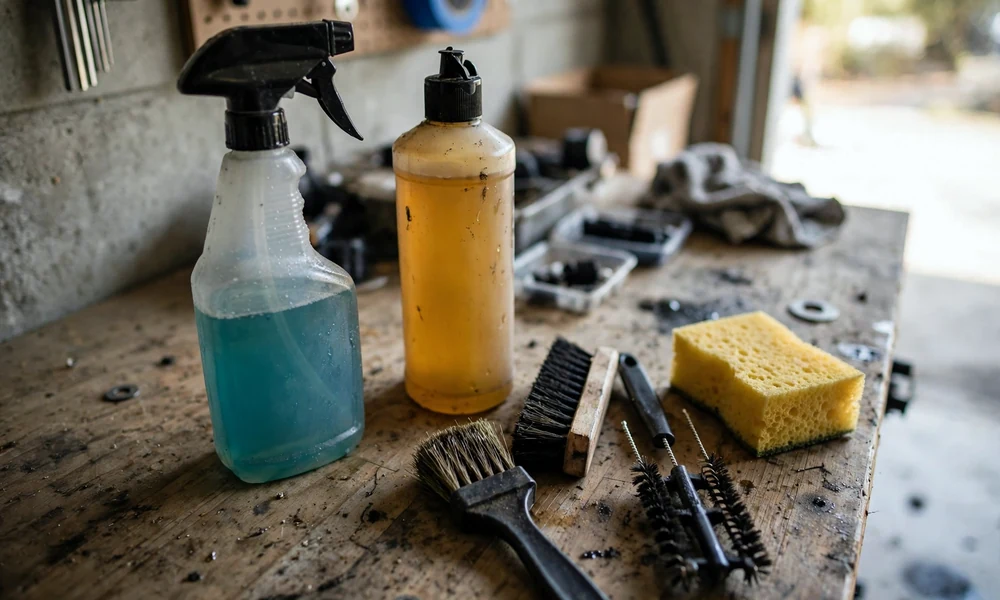
Foaming cleaners cling to the frame instead of running off, which gives them more time to work on dried mud and makes them useful for a bike that has been left dirty for a while. They are satisfying to use and genuinely effective on caked-on grime, but they are no substitute for a brush on the drivetrain. Wash kits bundle a cleaner with brushes, a sponge and sometimes a bucket, and they are a good buy for a new rider who owns nothing yet. The brushes matter more than the branding: a soft brush for the frame, a stiff one for the tyres, and a narrow one for the cassette will cover almost every job.
What to Look For Before You Buy
The best bike cleaner for you depends on what you ride and where you ride it, but a few things matter for everyone. First, it should be safe for your frame material. Carbon frames, anodised aluminium and painted steel all tolerate a good bike-specific cleaner, but a harsh solvent or an alkaline cleaner can dull paint and attack anodising. Check the label for the materials it is safe on, and if it does not say, do not use it.
Second, it should rinse off cleanly. A cleaner that leaves a film behind attracts dust and makes the bike dirtier faster, and a film on disc brake rotors reduces braking power, which is dangerous as well as annoying. Third, consider the environment. A biodegradable cleaner is kinder to the ground it runs off onto, and it matters if you wash the bike on a driveway that drains to a garden or a stream. Finally, think about value. A concentrated cleaner that you dilute yourself usually works out cheaper per wash than a ready-to-use spray, and a litre of concentrate can last a whole season of regular washing.
How to Wash a Bike Properly
A proper wash takes about fifteen minutes and follows a simple order: drivetrain first, then frame, then dry and lube. Start by shifting into the smallest chainring and cog, which gives you the best access to the drivetrain, and apply degreaser to the chain, cassette and chainrings. Let it sit for a few minutes, then scrub the chain with a brush, work the cassette with a narrow brush, and rinse the whole drivetrain with clean water.
Next, spray frame cleaner over the whole bike, from the top down, and leave it for a minute or two. Work a soft brush over the frame, forks and wheels, paying attention to the mudguards, the bottom bracket area and behind the seat tube, where grime collects. Rinse with a bucket or a gentle hose, never a pressure washer, and wipe the bike down with a clean cloth. Finally, dry the chain with a rag, spin the cranks to shake water out of the links, and apply a drop of chain lube to each link. Wipe off the excess, because too much lube attracts dirt.
What to Avoid
The single worst thing you can do to a bike while cleaning it is to use a pressure washer. The jet is strong enough to force water past the seals in the hubs, bottom bracket and headset, washing the grease out of bearings that are supposed to stay sealed for years. A pressure washer can also blast paint off a frame and force water into places it should never reach. A garden hose on a gentle setting, or a bucket and sponge, is all you need, and it is faster in the end because you are not repairing the damage afterwards.
Household cleaners are the other common mistake. Washing-up liquid strips grease from bearings and leaves a film that attracts dirt, and bathroom or kitchen cleaners often contain solvents or abrasives that damage paint and anodised finishes. Solvent-based degreasers meant for car parts are too harsh for a bicycle, and a wire brush will scratch a frame and a cassette alike. Stick to products made for bikes, soft brushes, and clean water, and the bike will thank you for it.
Bike Cleaners Compared
| Type | Best for | Safe on paint | Use on chain | Price |
|---|---|---|---|---|
| Spray-on frame cleaner | General washing | Yes | No | Mid-range |
| Degreaser | Chain and cassette | Careful | Yes | Mid-range |
| Foaming cleaner | Dried mud | Yes | No | Mid-range |
| Wash kit | New riders | Yes | With degreaser | Good value |
| Household detergent | Nothing on a bike | No | No | Cheap, avoid |
The table makes the trade-offs plain. A spray-on cleaner does the everyday work, a degreaser handles the drivetrain, and a foaming cleaner helps with dried mud. A wash kit is the easiest way to start if you own nothing yet. Household detergent is cheap and always in the cupboard, but it strips grease and leaves a film, so it costs more in the long run than any bike-specific cleaner.
Checklist: Buying Bike Cleaners
- A bike-specific frame cleaner, safe for your frame material, that rinses off without leaving a film.
- A drivetrain degreaser, used on the chain and cassette only, never sprayed over the whole bike.
- Biodegradable formula if you wash the bike outdoors on a driveway or near a garden.
- Three brushes: soft for the frame, stiff for tyres, and narrow for the cassette and chain.
- Chain lube to re-apply after every wash, because a clean, dry chain rusts quickly.
- No pressure washer, no household detergent, and no wire brushes anywhere near the bike.
Frequently Asked Questions
How often should I clean my bike?
After every muddy or wet ride, and at least once a month in dry conditions. A commuter bike in winter needs washing far more often than a summer road bike, because road salt and grit do the most damage.
Can I use washing-up liquid on my bike?
It is best not to. Washing-up liquid strips grease from bearings and leaves a film that attracts dirt. A bike-specific cleaner costs little more and is made for the job.
Do I need a degreaser as well as a cleaner?
Yes, if you ride regularly. A frame cleaner will not shift the black, oily grime on a chain and cassette. Use degreaser on the drivetrain only, and always re-lube afterwards.
Can I use a pressure washer on my bike?
No. The jet forces water past seals and into bearings, washing the grease out of parts that should stay sealed for years. A bucket or a gentle hose is all you need.
Should I clean my bike before or after a ride?
After. Cleaning before a ride wastes the effort, and a bike that is put away dirty stays dirty. Wash it when you get home, let it dry, and it is ready for the next ride.
What is the best way to dry a bike?
Wipe the frame with a clean cloth, dry the chain with a rag, and spin the cranks to shake water out of the links. Then apply chain lube and wipe off the excess before the bike goes away.
The Bottom Line
The best bike cleaners in 2026 are the ones that make a fifteen-minute wash easy enough to do after every muddy ride: a spray-on frame cleaner for the bike, a degreaser for the drivetrain, and three brushes. That is all it takes to keep a chain shifting smoothly, brakes working properly, and a frame free of corrosion. The expensive mistake is not buying the wrong cleaner; it is never cleaning the bike at all, and letting grit and salt do their slow, expensive work. Wash the bike, dry the chain, lube it, and put it away ready for the next ride. If you ride an electric bike, read our guide to the best electric bikes for city commuting to see what drivetrains need the most care, keep your wash kit in a tidy spot with a garage storage system, and never reach for a pressure washer, which belongs on the driveway, not on a bicycle.