
Lipsticks Worth Wearing Every Day in 2026
A lipstick you wear every day has a harder job than a lipstick you wear once to a party. It has to feel comfortable from the first coffee to the last meeting, look right in daylight and in office light, survive lunch without leaving a ring around your lips, and still be a colour you actually like when you catch yourself in a mirror at four in the afternoon.
This guide is about finding that one lipstick: the shades that flatter without demanding a full face of makeup, the finishes that feel good for hours, and the habits that make an ordinary lipstick look like it was chosen for you.
Key takeaways
- Comfort decides whether a lipstick becomes an everyday one: if it feels tight, dry or sticky after an hour, you will stop reaching for it.
- Your everyday shade should sit close to your natural lip colour, only a little deeper.
- Satin finishes are the easiest daily choice: comfortable, forgiving on dry patches, and they fade evenly.
- Test every new lipstick in daylight and wait ten minutes before judging it, because shop lighting flatters almost every shade.
- Prep is half the result: smooth, moisturised lips make an average lipstick look good.
What makes a lipstick worth wearing every day
An everyday lipstick is judged on three things, and they matter in this order: comfort, colour and wear. Comfort comes first because a lipstick you notice all day is a lipstick you will abandon. A good daily lipstick feels like nothing five minutes after you put it on. It does not pull, it does not dry your lips out by lunchtime, and it does not leave a sticky film when you press your lips together.
Colour comes second, and the rule for daily wear is simple: the shade should make you look like yourself on a good day, not like someone else. That usually means a colour close to your natural lips, deepened by one or two steps. Rose, soft berry, warm nude and muted plum all work this way, because they add life to the face without demanding eyeliner, blush and a finished base to balance them.
Wear is third, and for daily use it means something different from the sixteen-hour claims on the tube. What you need is a lipstick that fades gracefully: the colour softens evenly after eating and drinking, leaving a soft stain rather than a dark outline and a pale centre.
Finding your everyday shade
The fastest way to find your everyday shade is to start with your own lips. Look at them in daylight, with no product on: most people have lips that are naturally a soft rose, berry or brown, and the best daily shade is that colour, made a little richer. Hold a few tubes against your face in a mirror near a window and watch which one makes your skin look brighter and your teeth look whiter. The right one makes your skin look brighter and your teeth look whiter.
Undertone matters more than most people realise. If your skin has a warm undertone, with veins that look greenish at the wrist and gold jewellery that suits you, look for lipsticks with a hint of warmth: coral-rose, warm nude, brick or a red with an orange edge. If your skin is cool, with bluish veins and silver jewellery that flatters you, look for blue-based shades: cool rose, berry, plum or a classic blue-red.
Nudes deserve a warning, because they are the easiest everyday shade to get wrong. A nude paler than your natural lip colour washes the face out and makes you look tired. A nude slightly deeper than your lips, with a touch of rose or brown in it, looks like your lips, only better. Our comparison of the best and worst lipsticks of 2026 shows how the same shade family can look honest in one formula and wrong in another, so trust your own mirror over the name on the tube.
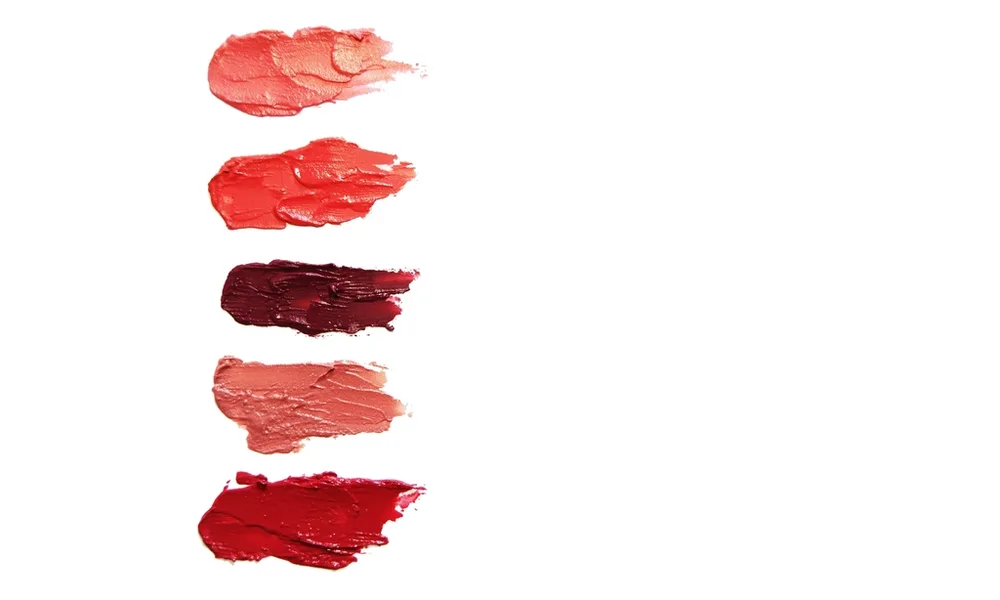
Finishes for daily wear, compared
Finish decides how a lipstick behaves on real lips through a working day, and each one has a place in a daily routine. Satin is the best all-rounder: a soft sheen, enough pigment to make a difference, and a fade that stays even. Sheer and balm-like lipsticks are the easiest of all to wear, because they are forgiving about application and about dry patches, though they need reapplying after eating. Matte lipsticks last longest, but the daily ones worth owning are the modern, creamy mattes that set to a soft velvet finish instead of drying out by noon.
| Finish | Best for | Comfort | Wear | Reapply |
|---|---|---|---|---|
| Satin | Everyday, all skin types | High, feels soft for hours | 4 to 5 hours | After lunch |
| Sheer or balm | Dry lips, no-makeup days | Very high, like a balm | 2 to 3 hours | After eating or drinking |
| Creamy matte | Long days, bold colour | Good if creamy, poor if dry | 5 to 7 hours | After a big meal |
| Gloss | Short outings, evenings | Light but sticky | 1 to 2 hours | Often |
| Stain | Hot days, minimal makeup | Light once set | 6 hours or more | Rarely, top up with balm |
The morning routine: applying it well in two minutes
A good everyday application takes two minutes and no special tools. Start with smooth lips: a gentle rub with a damp flannel takes off overnight dryness, and a thin layer of plain balm, left for a few minutes while you dress, gives the lipstick something soft to sit on. If your lips are dry or cracked before you start, our guide to lip balms that really heal dry lips is worth reading first, because no lipstick, however good, can rescue lips that have not been looked after.
Apply straight from the bullet, starting at the centre of the upper lip and working outwards, then fill in the lower lip in one smooth pass. Blot lightly on a tissue and add a second thin layer: two thin layers last far longer than one thick one.
Making it last through the day
Lunch is where most everyday lipsticks fail, and the fix is mostly about expectations. No lipstick survives a hot, oily meal intact, and the honest ones fade evenly while the dishonest ones break into patches. Eat, then blot and reapply one thin layer: that is the whole secret, and it takes less time than finding your phone.
Drinking is the other daily test. A straw helps, and so does blotting after coffee, because the ring a cup leaves on a lipstick is the same ring that ends up on your chin if you press your lips together hard. If your lipstick starts to feel dry in the afternoon, a dab of plain balm pressed over the top revives the colour without removing it.
Lipstick for dry or mature lips
Dry and mature lips need a different kind of everyday lipstick, and the best ones feel more like a balm with colour than a traditional stick. They contain more oils and butters, often shea or jojoba, and they glide over fine lines instead of settling into them. The finish is usually a soft sheen rather than a flat matte, which matters, because shine reflects light and makes lips look fuller and smoother, while a flat matte can make them look smaller and drier.
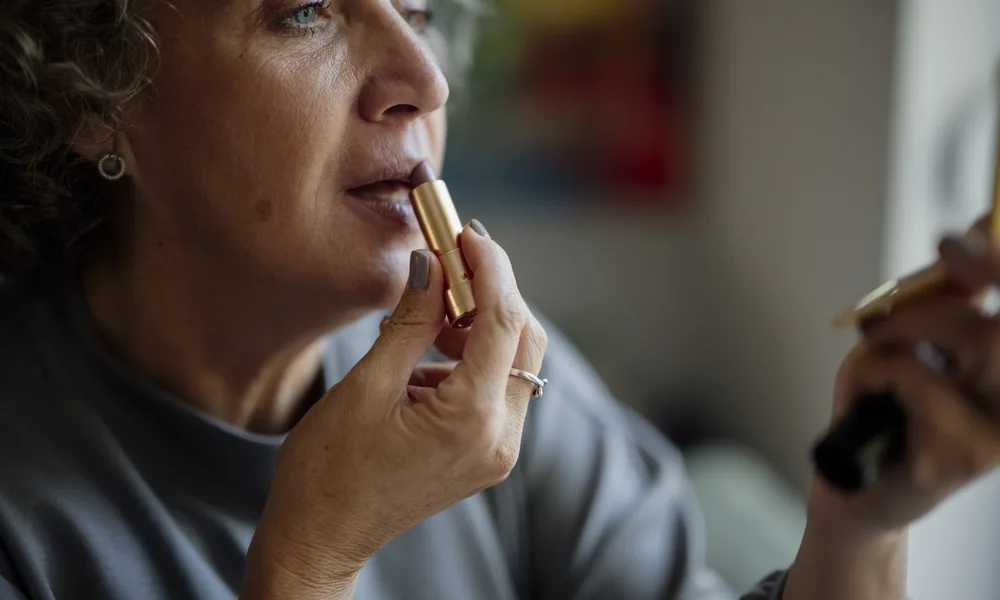
Avoid very pale nudes and very dark, flat colours on mature lips, because both draw attention to dryness and to the lines around the mouth. A rose, a soft plum or a warm nude with a little depth is kinder, and a creamy formula applied in two thin layers fills the lines far better than one heavy coat. Exfoliate gently once or twice a week and moisturise every night, and your everyday lipstick will sit better.
A red for every day, not just for evenings
A red lipstick can be an everyday lipstick, if it is the right red and the right finish. The trick is to choose a red that suits your skin in daylight and to wear it with almost nothing else: bare skin, a little mascara, and the red does the work. A warm skin tone suits a red with a hint of orange or coral; a cool skin tone suits a blue-based red, the kind that makes teeth look whiter.
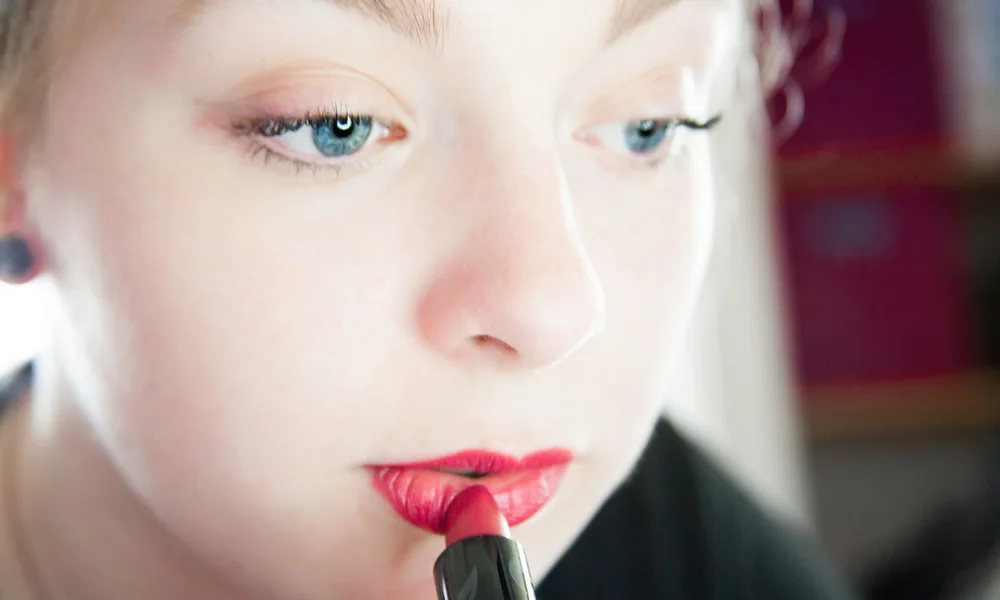
A satin or creamy matte red is easier to wear daily than a glossy one, because it stays where you put it and fades evenly. Apply it, blot it, and apply a second light layer, which fills the lines and makes the colour last far longer. Keep the rest of your makeup quiet: a red lip with a bare face looks like confidence. Our guide to the best and worst blushes of 2026 can help you find a blush that sits quietly beside a red lip instead of competing with it.
Everyday lipstick buying checklist
- Choose comfort first: wear a new lipstick for a full hour, and keep it only if you forget you are wearing it.
- Pick a shade close to your natural lip colour, only a little deeper, and test it on your lips in daylight, not on your hand under shop lights.
- Wait ten minutes after applying before judging the colour, because some shades deepen or turn orange as they settle.
- Match the finish to your day: satin for most days, sheer or balm for dry days, creamy matte for long days, gloss for short ones.
- Check the fade, not just the first impression: eat, drink and talk for an hour, then look for a soft stain rather than a hard outline.
- Buy one everyday shade and wear it for two weeks before buying another.
Frequently asked questions
How many everyday lipsticks do I actually need?
Two or three cover almost every day: a rose or soft berry for most days, a warm nude for quiet days, and a red for days when you want to look finished with very little effort.
Why does my lipstick look different at home than in the shop?
Shop lighting is warm and flattering, while daylight is honest, which is why testing in daylight matters more than the shade name.
Can I wear matte lipstick every day?
Yes, if it is a creamy modern matte that stays comfortable for hours. Ultra-dry mattes that crack and flake are not everyday lipsticks.
Should I use lip liner with an everyday lipstick?
Only if your lipstick feathers or your lip line is uneven. A liner the same colour as your lips holds the edge without showing, while a liner matched to a bold lipstick can look hard in daylight.
How do I stop lipstick from getting on my teeth?
After applying, put a clean finger in your mouth, close your lips around it and pull it out slowly: it takes off the excess colour from the inner lip, which is the part that transfers to teeth.
When should I throw a lipstick away?
When it smells different, feels gritty, or drags instead of gliding. Most lipsticks last about a year once opened if kept cool and capped.
The bottom line
The lipsticks worth wearing every day in 2026 are the comfortable ones: a satin rose or soft berry close to your natural lip colour, a creamy formula that fades evenly instead of cracking, and a shade you tested in daylight and still liked ten minutes later. Prep your lips, apply two thin layers, and buy fewer tubes but better ones. The right everyday lipstick should make you forget you are wearing it, and remember only that you look like yourself on a very good day.


