The best measuring cups are the quiet heroes of a good kitchen. A cake rises or sinks on the accuracy of a cup of flour, a sauce thickens or splits on the measure of stock, and a loaf holds together or crumbles on the amount of water in the dough. The best measuring cups of 2026 are accurate, easy to read, comfortable to hold, and built to survive years of daily use without warping, fading, or lying to you.
Most kitchens already own a set of measuring cups, and most of those sets are wrong. The markings have worn off, the cups are different depths, the handles wobble, or the set was bought for a pound and never checked against anything real. This guide fixes that: what makes a cup accurate, which materials last, how dry and liquid cups differ, and the six sets worth buying this year.
Key Takeaways
- Accuracy comes first, because a cup that holds ten percent too much flour will ruin a cake no matter how pretty the set looks.
- Use dry measuring cups for flour, sugar, and grains, and a glass jug with a spout for liquids, because the two jobs need different tools.
- Stainless steel is the safest all-round choice for dry cups, since it does not warp, stain, or absorb smells the way cheap plastic does.
- Look for engraved or stamped markings, because printed numbers wash off within months and leave you guessing.
- Choose a set that nests neatly and hangs or stacks well, so you actually reach for it instead of grabbing a mug.
Best Measuring Cups of 2026 at a Glance
| Pick | Best for | Material | Standout feature |
|---|---|---|---|
| Stainless Steel Nested Set | Everyday baking and cooking | Stainless steel | Most accurate and durable |
| Glass Liquid Measuring Jug | Soups, sauces, and batters | Borosilicate glass | Clearest markings, pours cleanly |
| Plastic Stackable Set | Families and busy kitchens | BPA-free plastic | Lightest and cheapest |
| Single-Cup Adjustable Measure | Small kitchens and sticky ingredients | Plastic with plunger | One cup replaces a whole set |
| Ceramic Measuring Cups | Stylish kitchens and gifting | Glazed ceramic | Prettiest on the shelf |
| Long-Handle Scoop Cups | Deep jars and bulk bins | Stainless steel | Reaches the bottom of any jar |
Dry Cups and Liquid Jugs Are Different Tools
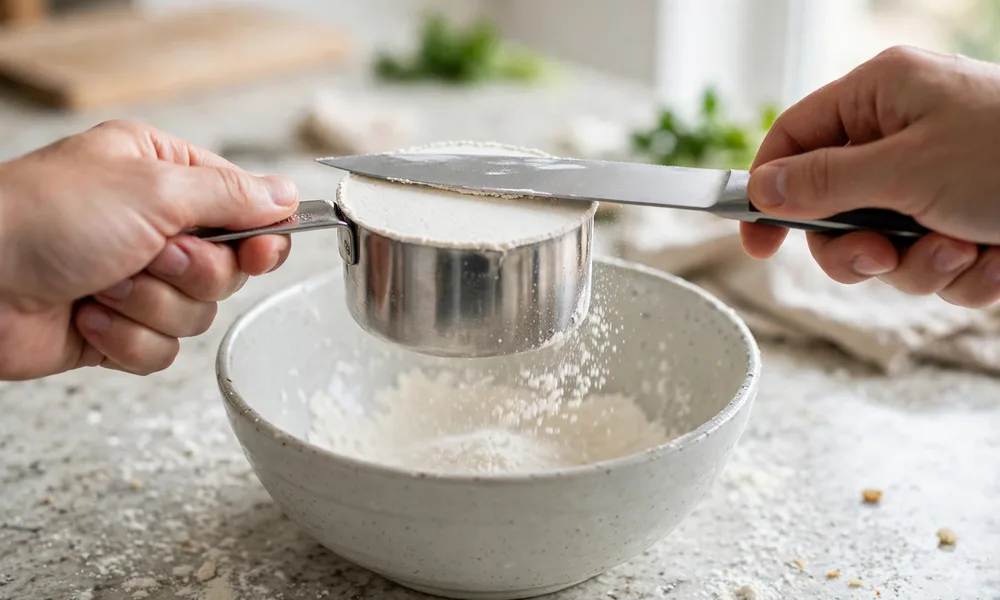
The first thing to understand about measuring cups is that there are two kinds, and they are not interchangeable. Dry measuring cups are meant to be filled to the brim and levelled off with a straight edge, so they give you an exact volume of flour, sugar, rice, or oats. They usually come in a nested set of quarter, third, half, and full cups, with flat rims and sturdy handles.
Liquid measuring jugs, by contrast, are meant to be filled to a line while sitting on a flat surface, with space above the line so the liquid can settle without spilling. They have a spout for pouring, a handle for control, and markings you can read at eye level. Pouring flour into a liquid jug and reading the line will give you a different amount than scooping it into a dry cup and levelling it, and that difference is enough to change a bake.
A good kitchen needs both. If you buy only one, make it a dry set first, because most recipes measure dry ingredients by the cup, and then add a one-litre glass jug for liquids. Together they cover almost every recipe you will ever cook, and they cost less than a single failed cake.
What Makes a Measuring Cup Accurate
Accuracy in a measuring cup comes down to manufacturing, not marketing. A cup is accurate when it holds exactly the volume it claims, with a level fill, and the honest truth is that many cheap cups do not. They are stamped from moulds that drift, or their markings are printed slightly off, or the rim is uneven so levelling is a guess.
The best way to check a set is with a kitchen scale and water. One cup of water weighs 236 grams, so fill a cup level, weigh it, and see how close you get. A good set will be within a few grams, while a bad one can be off by twenty or more, which is the difference between a moist cake and a dry one. Stainless steel sets tend to be the most accurate, because metal holds its shape, while thin plastic can warp in a hot dishwasher and change its volume over time.
Markings matter just as much. Engraved or stamped numbers survive years of washing, while printed markings fade within months, especially in the dishwasher. Look for markings on both the inside and the outside of the cup, and for a set that includes the awkward sizes, like two-thirds and three-quarters, so you are not guessing with a half cup and a prayer.
The Best Measuring Cups of 2026
1. Stainless Steel Nested Set: The Everyday Standard
A stainless steel nested set is the measuring cup most kitchens should own. The cups are heavy enough to feel solid, accurate enough to trust, and tough enough to survive being dropped, stacked, and run through the dishwasher for years without warping or staining. The set nests into a compact stack, so it takes up barely any drawer space, and the engraved markings never fade.
2. Glass Liquid Measuring Jug: The Pouring Essential
Every kitchen needs a glass jug for liquids, and a good one is a pleasure to use. Borosilicate glass handles hot liquids without cracking, the markings are clear and easy to read at eye level, and the spout pours in a clean stream instead of dribbling down the side. A one-litre jug covers most jobs, from measuring stock for a soup to mixing a batter.
Choose a jug with markings in both cups and millilitres, printed in a colour that stands out against the liquid, and a handle that stays cool and comfortable when the jug is full of hot stock. A wide base keeps it stable on the counter, and a lip that pours cleanly saves you from wiping the bench after every pour. It is a simple tool, but a good one makes cooking noticeably easier.
3. Plastic Stackable Set: The Family Workhorse
Plastic measuring cups have a bad reputation, and much of it is deserved, but a well-made BPA-free set earns its place in a busy family kitchen. It is light enough for children to use, cheap enough to replace, and safe to drop on a tiled floor without chipping. The best plastic sets are thick, rigid, and clearly marked, with handles that do not flex when the cup is full of sugar.
4. Single-Cup Adjustable Measure: The Space Saver
An adjustable measuring cup is a clever piece of design: a single cylinder with a plunger that slides to the volume you need, so one tool replaces a whole nested set. Set the plunger to a third of a cup, fill it, and push the plunger to empty it cleanly, which makes it brilliant for sticky ingredients like honey, peanut butter, and molasses that cling to ordinary cups.

5. Ceramic Measuring Cups: The Beautiful Set
Ceramic measuring cups are the prettiest option on this list, and they make a lovely gift for a cook who cares about how their kitchen looks. Glazed ceramic comes in beautiful colours and patterns, it feels substantial in the hand, and it sits happily on an open shelf as decoration when it is not in use.
6. Long-Handle Scoop Cups: The Bulk-Buy Friend
If you buy flour, rice, or coffee in bulk, a long-handle scoop cup is the tool you did not know you needed. The long handle reaches to the bottom of a deep jar or bin, so you can scoop the last of the flour without plunging your hand into the bag, and the cup itself is deep enough to hold a full measure without spilling.
How to Measure Properly
Even the best measuring cups give wrong results if you use them badly, and flour is the biggest culprit. Never scoop flour straight from the bag with the cup, because that packs it down and can add a third more than the recipe intended. Instead, spoon the flour loosely into the cup until it mounds above the rim, then sweep a straight knife across the top to level it. This spoon-and-level method is the single most important measuring skill a baker can learn.

Caring for Your Measuring Cups
Measuring cups last longer with a little care. Stainless steel sets can go in the dishwasher, but they will keep their shine longer if you wash them by hand and dry them straight away. Plastic sets should stay out of high heat, so keep them away from the stove and out of the microwave, and replace them if they warp or the markings fade.
Measuring Cups and Their Kitchen Neighbours
Measuring cups work as part of a team. They pair naturally with measuring spoons for the small amounts that cups cannot handle, and our guide to the best measuring spoons covers accuracy, markings, and materials for those smaller measures. Baking depends on both, and our guide to baking powder explains why a level teaspoon matters as much as a level cup. For keeping flour, sugar, and coffee fresh between bakes, our best canisters guide shows which containers protect your ingredients from air and moisture.
Checklist: Buying the Best Measuring Cups
- Check accuracy first: one cup of water should weigh 236 grams.
- Buy dry cups for dry ingredients and a glass jug for liquids.
- Choose stainless steel for the most durable, accurate dry set.
- Look for engraved or stamped markings that will not wash off.
- Pick a set that includes two-thirds and three-quarters cups.
- Make sure the set nests or hangs neatly in the space you have.
Frequently Asked Questions
Are metal or plastic measuring cups better?
Stainless steel is better for accuracy and durability, because it holds its shape and the markings never fade. Good quality plastic is lighter, cheaper, and safer for children, but it can warp over time. Choose steel for baking and plastic for busy family kitchens.
Can I use a liquid jug to measure flour?
You can, but you should not. Flour measured in a liquid jug is usually under-measured or unevenly packed, and the difference is enough to change a bake. Use dry cups for flour and a jug for liquids.
How do I know if my measuring cups are accurate?
Weigh water: one cup of water weighs 236 grams. Fill the cup level, weigh it, and compare. A good set is within a few grams, while a bad one can be off by twenty grams or more.
Should measuring cups go in the dishwasher?
Stainless steel and sturdy plastic can, but hand washing keeps markings clearer for longer. Glass jugs and ceramic cups are best washed by hand to avoid chips and fading.
What sizes should a measuring cup set include?
A good set includes one cup, half, third, and quarter cups, plus two-thirds and three-quarters if possible. Those extra sizes save you from awkward combinations when a recipe calls for them.
Do I need both metric and imperial markings?
It helps. Many recipes use one or the other, and a set marked in both cups and millilitres means you never have to convert in the middle of cooking. Glass jugs almost always show both.
Bottom Line
The best measuring cups of 2026 are accurate, clearly marked, and built to last: a stainless steel nested set for dry ingredients, a glass jug for liquids, and a plastic set for busy family kitchens. Check accuracy with a scale, use the spoon-and-level method for flour, and buy engraved markings that will not fade. Get those basics right, and every recipe you cook will start from a true measure.