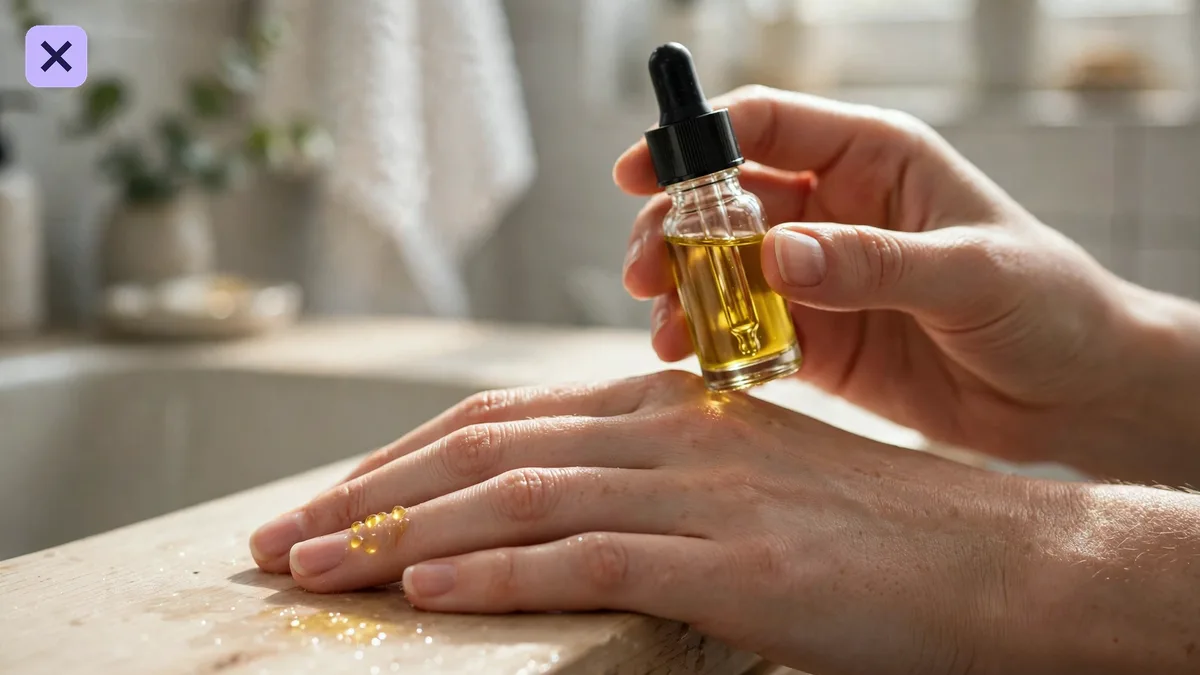
A Guide to Nail Oils That Repair and Shine in 2026
The best nail oils in 2026 are light, fast-absorbing oils applied directly to the nail plate itself, where they seal in moisture, calm peeling layers and bring back a healthy shine. A nail oil is not a cuticle oil and it is not a polish. It is a treatment for the hard plate you see when you look at your nails: the layers of keratin that split, peel and go dull when they dry out.
Nails look solid, but they behave more like a sponge than a stone. The plate absorbs water every time you wash your hands, swells slightly, then dries out again, and each cycle loosens the keratin layers a little more. That is why nails peel in thin sheets and break just as they reach a useful length. Oil slows that cycle down, sealing moisture in and water out.
Key Takeaways
- A nail oil treats the nail plate itself, the hard keratin surface. A cuticle oil treats the skin around the nail. They are different jobs.
- Jojoba oil is the best all-rounder: its molecules are small enough to sink into keratin instead of sitting on top.
- One drop per nail, massaged in for a few seconds, is enough. Nightly use beats a weekly flood.
- Oil repairs flexibility and shine, but it cannot glue a split back together or harden a nail like a polish strengthener.
- Apply oil to clean, bare nails after washing your hands, and give it a few minutes before you touch water again.
What a Nail Oil Actually Is
A nail oil is a blend of light carrier oils, sometimes with a little vitamin E, made to be massaged into the nail plate and left there. It has no colour and no hard finish. You put a drop on each nail, rub it in, and within a few minutes it has sunk in and the nail looks glossier.
The distinction that matters most is between the plate and the skin around it. The cuticle is the thin strip of skin sealing the base of the nail, and our guide to cuticle oils that actually work in 2026 covers it in detail. A nail oil is for the hard plate in the middle: the surface that peels, ridges and loses its shine. Cracked skin and hangnails mean you need a cuticle product. Peeling and dullness in the nail itself mean you need a nail oil.
How Oil Works on the Nail Plate
A natural nail is thin layers of keratin pressed together, a little like plywood. When those layers hold enough moisture, the nail bends instead of breaking. When the plate dries out, the layers separate at the free edge, and that is when peeling starts. Oil replaces the natural lipids that soap and hot water strip away, and forms a thin seal that slows water loss from the plate underneath.
The shine is not a trick of the light. A dry plate has a rough surface that scatters light, which is why it looks matte. An oiled plate is smoother, so light reflects evenly and the nail looks glossy with no polish on it. What oil cannot do matters too: it cannot repair a split, make nails grow faster, or harden a soft nail.
The Main Types of Nail Oil, Compared
Most nail oils fall into four formats. Dropper bottles give you a precise drop per nail and are the easiest at home. Brush-on bottles work like a polish brush and are tidier in a hurry. Pens are the most portable, though they hold less oil. Balms are solid oils in a tin, best for very dry nails, though they take longer to sink in.
| Format | How it feels | Best for | Watch out for |
|---|---|---|---|
| Dropper bottle | Light, precise | Nightly routine at home | Easy to use too much |
| Brush-on | Thin, even coat | Quick daytime top-ups | Brush can carry polish residue |
| Pen | Controlled, small dose | Travel and handbags | Runs out fast, costs more per drop |
| Balm | Rich, slow to absorb | Very dry, peeling nails | Can feel greasy for an hour |

The 7 Best Nail Oils for Repair and Shine in 2026
1. Best overall: a jojoba-based dropper oil
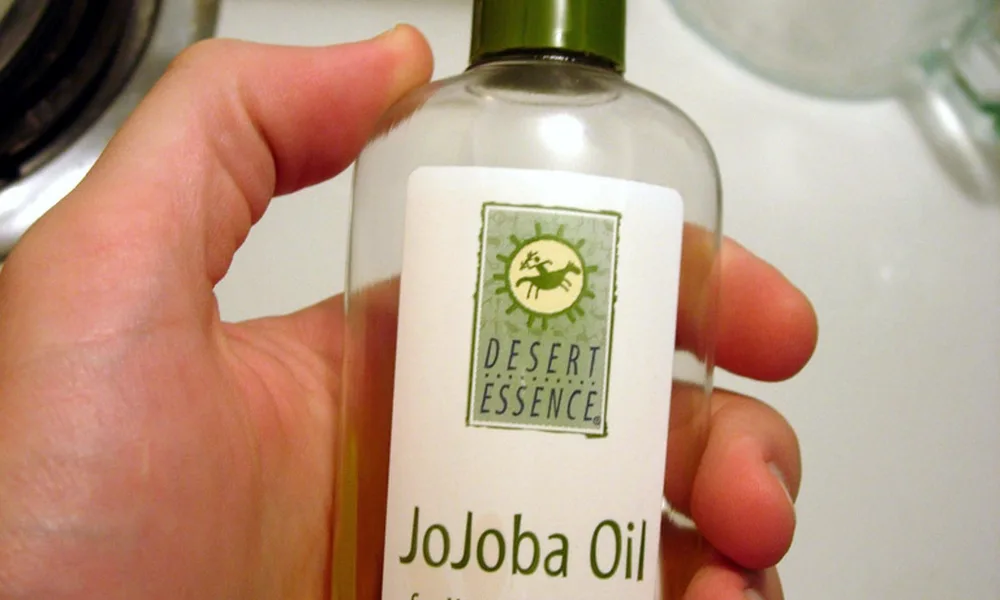
Jojoba is the oil most nail technicians reach for first: its structure is close to the skin’s own oils, and its molecules are small enough to sink into the upper layers of the plate. A plain jojoba dropper oil, used nightly, is the most reliable way to stop peeling and bring back shine.
2. Best for peeling nails: a squalane and vitamin E blend
Peeling nails need moisture held in place, and squalane is very good at that: it is light, sinks in fast and leaves a smooth seal over the plate. Paired with vitamin E, it is the best choice when the free edge keeps flaking into thin sheets.
3. Best for shine: a lightweight argan oil
If your nails are healthy but dull, argan oil is the quickest route to gloss. It is lighter than most oils and spreads into a thin, even film, so the plate catches the light without looking wet. It is also the best option under polish, because a thin layer absorbs fully.
4. Best for brittle nails: a sweet almond oil blend
Brittle nails snap rather than bend, and they need an oil that keeps the plate flexible. Sweet almond oil is a classic for this: rich without being heavy, it absorbs steadily and works well massaged into the whole nail. Give it three to four weeks of nightly use before judging it.
5. Best budget: plain sweet almond or grapeseed oil
You do not need a fancy bottle to get the benefit. A small bottle of food-grade sweet almond oil or grapeseed oil, decanted into a dropper bottle, does the same basic job as a branded nail oil for a fraction of the price.
6. Best for travel: a brush-on pen
A pen keeps the dose small and the mess at zero, which is exactly what you want on a plane or at your desk. The trade-off is capacity: a pen holds far less oil than a bottle, so it costs more per use.
7. Best fragrance-free: a plain squalane oil
Fragrance is the most common cause of irritation in nail products, and it does nothing for the plate. If your skin is sensitive, a single-ingredient squalane oil is the safest pick: no essential oils, no perfume, nothing to react to.
Ingredients That Earn Their Place
The label tells you almost everything, and the first ingredient matters most. Jojoba, squalane, sweet almond and argan oils are the four worth paying for, because they absorb well and do not leave a heavy film. Vitamin E is a useful supporting ingredient: it conditions the surface once it sinks in.
What to avoid is simpler. Skip oils built on mineral oil or petroleum jelly, because they coat the plate without sinking in, so the shine is temporary and the peeling continues underneath. And be wary of any nail oil that promises to harden your nails or make them grow faster: oil conditions the plate, it does not rebuild it.
How to Use Nail Oil Properly
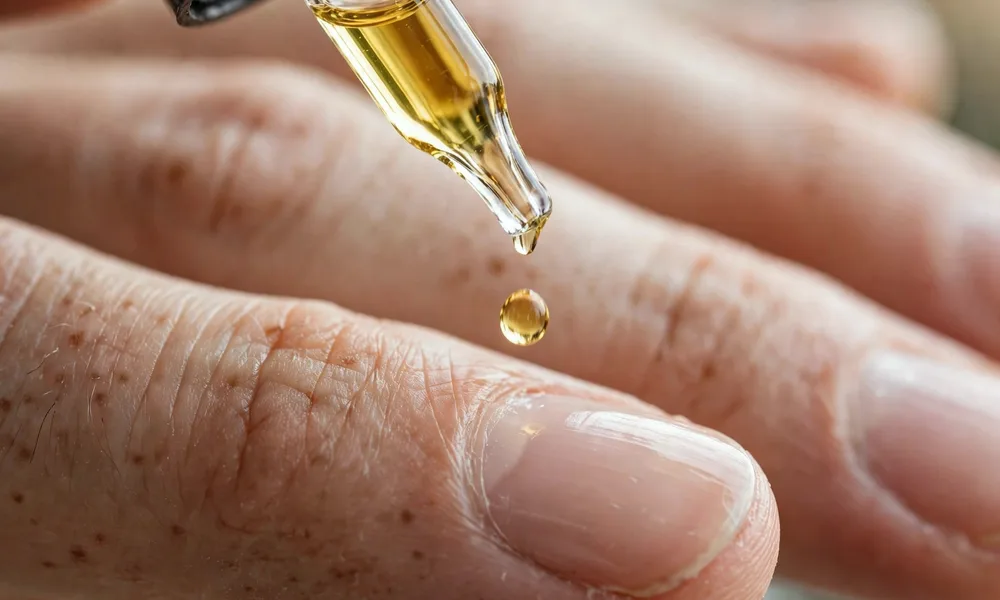
The routine is short, and consistency matters far more than quantity. Start with clean, bare nails: wash your hands, dry them, and remove any polish first, because oil cannot reach the plate through a coat of colour. Put one drop on each nail, then massage it in for a few seconds over the whole plate and along the free edge.
Night is the best time, because the oil then has hours to work undisturbed while you sleep. If your nails are badly peeled, add a second application in the morning after your shower, when the plate is slightly damp. And if your nails are weak as well as dry, oil alone may not be enough: our guide to nail strengtheners for stronger, healthier nails explains when a hardener is the better tool for the job.
The Mistakes That Waste a Good Nail Oil
The most common mistake is using too much. A puddle of oil does not sink in faster than a drop; it just sits on the surface and rubs off, leaving you convinced the product does not work. One drop per nail is the dose. The second mistake is applying oil over polish and expecting it to reach the plate: it cannot. The third is impatience. Nails grow about three millimetres a month, so a badly peeled nail needs four to six weeks of nightly oil before the new plate shows.
Two more habits undo the good work. Filing back and forth like a saw tears the edge open, which no oil can seal, so always file in one direction. And buffing too often thins the plate, which makes it more fragile, not shinier. A light buff once a week is plenty, and our guide to nail buffers for a natural shine explains the technique that gives you gloss without the damage.
Nail Oil, Cuticle Oil and Strengthener: What Does What
Each of these three works on a different part of the nail. Nail oil conditions the plate itself: the hard surface that peels, ridges and goes dull. Cuticle oil conditions the skin around the nail: the seal at the base that cracks when it dries out. A strengthener hardens the plate, protecting it while it grows. None replaces the others, and most people with troublesome nails benefit from two of the three.
The simplest way to decide is to look at where the damage is. Peeling layers, ridges and dullness across the plate itself point to nail oil. Cracked skin and hangnails point to a cuticle product. Nails that snap as soon as they grow point to a strengthener. If you are unsure, start with nail oil for a month: it is the gentlest of the three.
Your Nail Oil Checklist
- Start with clean, bare nails, and remove polish before you apply oil.
- Use one drop per nail, massaged in for a few seconds over the whole plate.
- Apply at night so the oil has hours to work while you sleep.
- Choose jojoba or squalane first, and skip heavy fragrance and mineral oil.
- File in one direction only, and buff lightly no more than once a week.
- Give it four to six weeks before judging the result, because nails grow slowly.
Frequently Asked Questions
How often should I use nail oil?
Once a day at night is enough. If your nails are badly peeled, add a second application in the morning for two or three weeks, then drop back to nightly.
Can I use nail oil over nail polish?
You can, but it will not reach the plate, so it will not repair peeling underneath. For real repair, apply oil to bare nails.
Will nail oil make my nails grow faster?
No. Oil cannot change how fast the nail grows. It stops the breakage and peeling that make growth look slow, so the length you grow survives.
Is nail oil the same as cuticle oil?
No. Nail oil is for the hard plate itself, while cuticle oil is for the skin around the nail. They solve different problems.
Can I use cooking oils on my nails?
Plain sweet almond oil and grapeseed oil work well and are cheap. Skip olive oil: it is heavy and leaves a greasy film.
How long before I see a difference?
Shine improves within a few days. Peeling takes four to six weeks, because the damaged plate must grow out and be replaced.
The Bottom Line
A good nail oil is the smallest, cheapest step in a nail routine and one of the most effective. One drop per nail at night, a jojoba or squalane formula, and four weeks of patience will leave the plate smoother, glossier and far less likely to peel.


