The best olive oils turn ordinary cooking into something worth sitting down for. A good bottle adds a green, peppery lift to a salad, a fruity depth to a soup, and a golden finish to grilled bread, while a tired or fake one adds nothing but grease. The best olive oils of 2026 are fresh, honestly labelled, and matched to the job, whether that job is a weekday dressing or a slow Sunday roast.
Shopping for olive oil is harder than it should be. Shelves are crowded with bottles that say extra virgin on the front and very little on the back, and the difference between a lively oil pressed from this season’s olives and a flat blend that has sat in a warehouse for two years is invisible until you taste it. This guide sorts the shelf for you: what the grades actually mean, how to read a label, which oils suit which cooking, and the six bottles worth your money this year.
Key Takeaways
- Extra virgin is the only grade worth buying for flavour, because it is pressed without heat or chemicals and keeps the fruity, peppery notes that make olive oil special.
- Check the harvest date, not just the best-before date, and buy oil pressed within the last twelve months for the freshest taste.
- Dark glass or a tin protects oil from light, so avoid clear bottles sitting under bright shop lights.
- Keep one everyday extra virgin for cooking and dressings, and one bolder bottle for finishing dishes where you will actually taste it.
- Store olive oil in a cool, dark cupboard away from the stove, with the cap on, and use an open bottle within two to three months.
Top Olive Oils of 2026 at a Glance
| Pick | Best for | Flavour | Standout feature |
|---|---|---|---|
| Everyday Spanish Extra Virgin | Daily cooking and dressings | Mild, fruity, smooth | Best value per litre |
| Robust Tuscan-Style Extra Virgin | Finishing and dipping | Bold, peppery, grassy | Strongest flavour punch |
| Single-Estate Greek Extra Virgin | Salads and grilled vegetables | Herbaceous, bright, clean | Traceable single origin |
| Mild Everyday Blend | Frying and roasting | Gentle, buttery, neutral | Highest everyday versatility |
| Early-Harvest Extra Virgin | Special occasions | Intense, green, spicy | Freshest, most complex |
| Organic Cold-Pressed Extra Virgin | Health-conscious kitchens | Fresh, balanced, smooth | Certified organic groves |
What Olive Oil Grades Actually Mean
Olive oil grades are legal definitions, not marketing words, and knowing them saves you from paying premium prices for ordinary oil. Extra virgin is the top grade: oil pressed mechanically from fresh olives, without heat or chemical refining, with free acidity below 0.8 percent. It is the only grade that must taste of olives, with no defects, and it is the grade to buy whenever flavour matters.
Virgin olive oil is a step down. It is also mechanically pressed, but it may have small flavour defects and higher acidity, up to 2 percent. You will rarely see it labelled on its own in supermarkets, because most producers blend it away. Pure olive oil, sometimes called simply olive oil, is refined oil blended with a little virgin oil for flavour. It is neutral, stable, and fine for frying, but it will not lift a salad the way extra virgin does. Light olive oil is not light in calories. The word refers to flavour and colour only, and it is the most refined, most neutral option on the shelf.
How to Read an Olive Oil Label
A good label tells a story, and a vague label is a warning. Start with the harvest date or the pressing date. Olive oil is a fresh product, and its bright, grassy notes fade over time, so an oil pressed within the last year will taste far better than one pressed two years ago. If there is no harvest date, look for a best-before date at least a year away, and treat a bottle with no date information at all with suspicion.
Next, look for origin. A bottle that names a country, region, or single estate is making a checkable claim, while one that says only “packed in” a country may contain oil from anywhere. Protected designations such as PDO and PGI guarantee the oil comes from the region named.
The Best Olive Oils of 2026
1. Everyday Spanish Extra Virgin: The Daily Workhorse
This is the bottle to reach for without thinking. A Spanish extra virgin blend, usually built on Picual and Hojiblanca olives, gives you a mild, fruity oil with a gentle peppery finish that works in a salad dressing, over roasted vegetables, and in a pan without fighting the other ingredients. It is the most versatile oil in this guide, and the one most kitchens will use fastest.
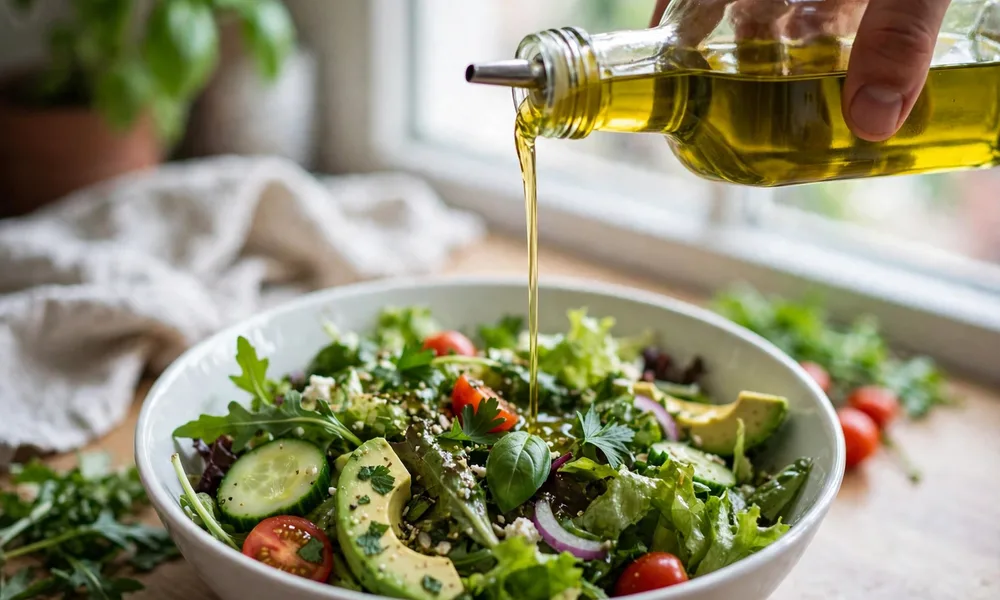
2. Robust Tuscan-Style Extra Virgin: The Finishing Oil
Some oils are made to be noticed, and this is one of them. A robust Tuscan-style extra virgin, pressed from olives like Frantoio and Leccino, is bold, grassy, and peppery, with a bite at the back of the throat that olive oil lovers recognise as a sign of freshness and high polyphenols. It is not an oil for frying. It is an oil for finishing.
3. Single-Estate Greek Extra Virgin: The Salad Oil
Greek extra virgin, often made from Koroneiki olives grown on a single estate, has a bright, herbaceous character that suits salads and grilled vegetables better than almost anything else. It tastes green and clean, with notes of fresh herbs and a gentle bitterness that wakes up lettuce, cucumber, and tomatoes without drowning them.
4. Mild Everyday Blend: The Cooking Oil
Not every job needs a bold oil. A mild everyday blend, usually a mix of refined and extra virgin olive oil, is the right tool for frying, roasting, and baking, where a strong flavour would get in the way and a high price would be wasted. It is buttery and neutral, with just enough olive character to remind you what it is.
5. Early-Harvest Extra Virgin: The Special Bottle
Early-harvest oil is pressed from olives picked while they are still green and unripe, and the result is the most intense oil you can buy: vividly green, grassy, bitter, and peppery, with a freshness that feels almost alive. Yields are lower, so it costs more, but the flavour is unlike anything else on the shelf.

6. Organic Cold-Pressed Extra Virgin: The Conscious Choice
An organic cold-pressed extra virgin comes from groves grown without synthetic pesticides or fertilisers, and pressed without heat, so the oil keeps its full flavour and its natural antioxidants. It tastes fresh and balanced, smooth rather than aggressive, and it suits cooks who care about how their food was grown as much as how it tastes.
How to Taste Olive Oil Properly
Tasting olive oil is simpler than wine tasting, and it tells you more in thirty seconds than any label can. Pour a tablespoon into a small glass, cup it in your hand to warm it slightly, and swirl it gently. Smell it first: fresh oil smells green and fruity, like cut grass, green apples, or fresh herbs, while stale oil smells flat, waxy, or like old nuts.
Then take a small sip and draw a little air across it, letting it coat your tongue. A good oil will taste fruity at first, then bitter, then peppery at the back of the throat, and that peppery cough is a good sign, not a flaw. It shows the oil is fresh and rich in polyphenols. An oil that tastes greasy, flavourless, or rancid has either gone stale or was never good to begin with, and no amount of clever labelling will fix it.
Cooking With Olive Oil: The Smoke Point Question
One of the most persistent myths about olive oil is that you cannot cook with it, because its smoke point is too low. The truth is more useful. A good extra virgin olive oil smokes at around 190 to 210 degrees Celsius, which is hot enough for sautéing, roasting, and most frying, and its antioxidants actually make it more stable under heat than many refined oils.
How to Store Olive Oil So It Stays Fresh
Olive oil has four enemies: light, heat, air, and time. Light breaks down its flavour compounds, heat speeds up rancidity, air oxidises it, and time fades it no matter what you do. The good news is that all four are easy to control with a little care.

What to Avoid When Buying Olive Oil
A few warning signs separate honest oil from disappointing oil. The first is a missing harvest date, which usually means the producer would rather you did not know how old the oil is. The second is a clear bottle displayed under bright lights, which guarantees the oil has already started to fade. The third is a price that seems too good for extra virgin, because genuine extra virgin is expensive to produce, and a suspiciously cheap bottle is often a blend dressed up in premium language.
Olive Oil and Your Cooking Neighbours
Olive oil rarely works alone. The same bottle that dresses your greens can finish a soup or grilled fish, and if you enjoy the pantry shelf, our guide to chili oil shows how a different finishing oil brings heat where olive oil brings fruit, while our guide to balsamic vinegar explains the other half of the classic dressing partnership. Our salad dressings guide puts it all together.
Checklist: Buying the Best Olive Oil
- Choose extra virgin for flavour, and check that the label says so clearly.
- Look for a harvest or pressing date within the last twelve months.
- Pick dark glass or a tin, and avoid clear bottles under bright lights.
- Buy a named origin or single estate when you want distinctive flavour.
- Match the oil to the job: bold for finishing, mild for cooking.
- Store it cool, dark, and capped, and finish an open bottle within three months.
Frequently Asked Questions
Is extra virgin olive oil worth the extra money?
Yes, when flavour matters. Extra virgin is the only grade pressed without heat or chemicals, so it keeps the fruity, peppery character that makes olive oil special. For dressings and finishing, the difference is obvious. For high-heat frying, a cheaper mild blend is fine.
How long does olive oil last once opened?
An open bottle is best used within two to three months. Unopened, it keeps for up to two years from pressing if stored cool and dark, but its flavour fades steadily, so fresher is always better.
Can you cook with extra virgin olive oil?
Yes. A good extra virgin handles sautéing, roasting, and most frying, with a smoke point around 190 to 210 degrees Celsius. Save your most expensive bottles for finishing, because heat dulls their delicate flavours.
What does a peppery taste in olive oil mean?
A peppery bite at the back of the throat is a sign of fresh oil rich in polyphenols, and it is considered a mark of quality. It should feel lively, not harsh, and it fades as the oil ages.
Should olive oil be stored in the fridge?
No. The fridge causes condensation and can cloud the oil. Keep it in a cool, dark cupboard away from the stove, with the cap on, and buy sizes you will finish within a few months.
How can you tell if olive oil has gone bad?
Smell it first. Rancid oil smells like crayons, putty, or old nuts, and tastes flat and greasy instead of fruity and peppery. If it smells off, do not use it, even if it is within its best-before date.
Bottom Line
The best olive oils of 2026 are fresh, honestly labelled extra virgins matched to the job: a mild Spanish bottle for everyday cooking, a bold Tuscan-style oil for finishing, and a single-estate Greek oil for salads. Check the harvest date, choose dark glass or a tin, store it cool and dark, and use it while it is fresh. Do that, and a good bottle will repay you in every meal it touches.