The best parmesan for pasta and snacking is the wedge you grate yourself, from a cheese that has had time to become itself. Real parmesan is deep, nutty and almost meaty, with a long, savoury finish and a texture that breaks into pleasing shards rather than powder. The pre-grated tub in the dairy aisle is a different product wearing the same name: pale, dusty, faintly woody, and gone from the pasta before you have tasted it. The difference is age, honesty in the labelling, and the format you buy, and this guide explains how to pick parmesan that earns its place in 2026, whether it is going over a bowl of pasta or straight from the board into your hand.
Key Takeaways
- Parmigiano-Reggiano is the protected original, aged at least twelve months in northern Italy; generic parmesan is made anywhere and varies far more in quality.
- Age is the honest signal: twelve months is fresh and milky, twenty-four is nutty and balanced, thirty-six is deep, crystalline and intense.
- A wedge you grate yourself always beats pre-grated, which is dried out, often bulked with cellulose, and tastes of very little.
- Buy the wedge with the rind stamp intact, because the stamped rind is the easiest way to tell real Parmigiano-Reggiano from an imitation.
- Keep the rind: it is not waste, and it will deepen a soup, a risotto or a pot of beans like nothing else in the kitchen.
Parmigiano-Reggiano vs Parmesan: The Name Matters
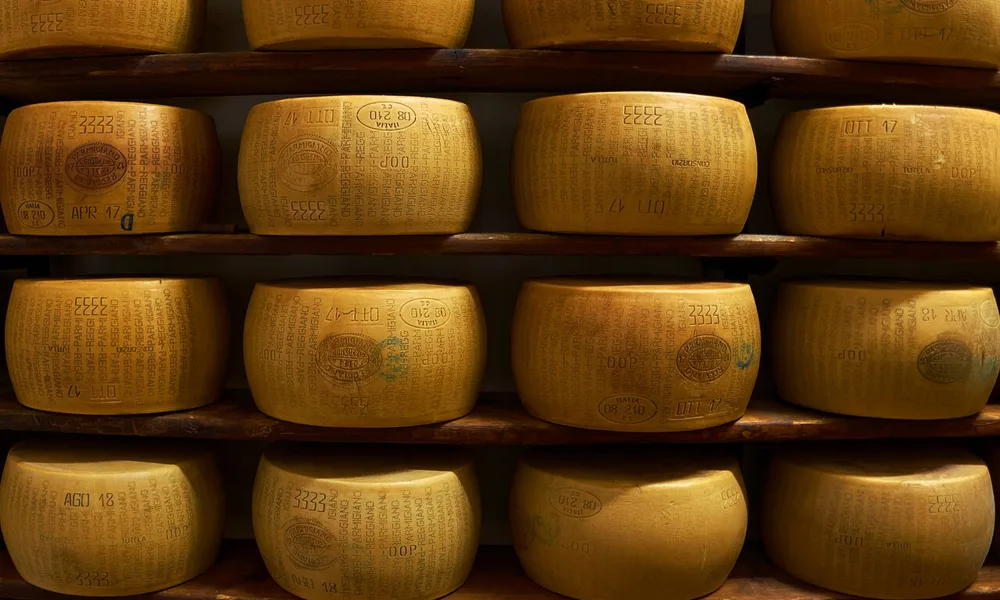
Parmigiano-Reggiano is a protected name, and the protection means something. It can only be made in the provinces of Parma, Reggio Emilia, Modena and parts of Bologna and Mantua, from raw cow’s milk, salt and rennet, with no additives at all. Every wheel is inspected, branded on the rind with the dotted Parmigiano-Reggiano stamp and a number, and graded before it can be sold. A wheel that fails the inspection is stripped of its markings and sold as a lesser cheese. The rules are the reason the cheese tastes the way it does: the same milk, the same method, the same patience, wheel after wheel, year after year.
How to Spot the Real Thing
The rind is the giveaway, and it is worth learning to read. Real Parmigiano-Reggiano carries the dotted stamp around the whole wheel, spelling out Parmigiano-Reggiano in pinpricks, along with the dairy number, the month and year of production, and the oval Consorzio stamp. When the wheel is cut into wedges, the rind on each wedge should still show part of that stamping. A wedge with a clean, blank rind and a printed label claiming to be Parmigiano-Reggiano is not what it claims to be. The paste matters too: the real cheese is straw-yellow, granular and flecked with tiny white crystals, and it breaks in rough shards when you cut it. A smooth, pale, waxy wedge that slices like plastic is an imitation, whatever the label says. Our comparison of the best and worst cheeses of 2026 puts parmesan alongside the other hard cheeses.
The Age Ladder: 12, 24 and 36 Months
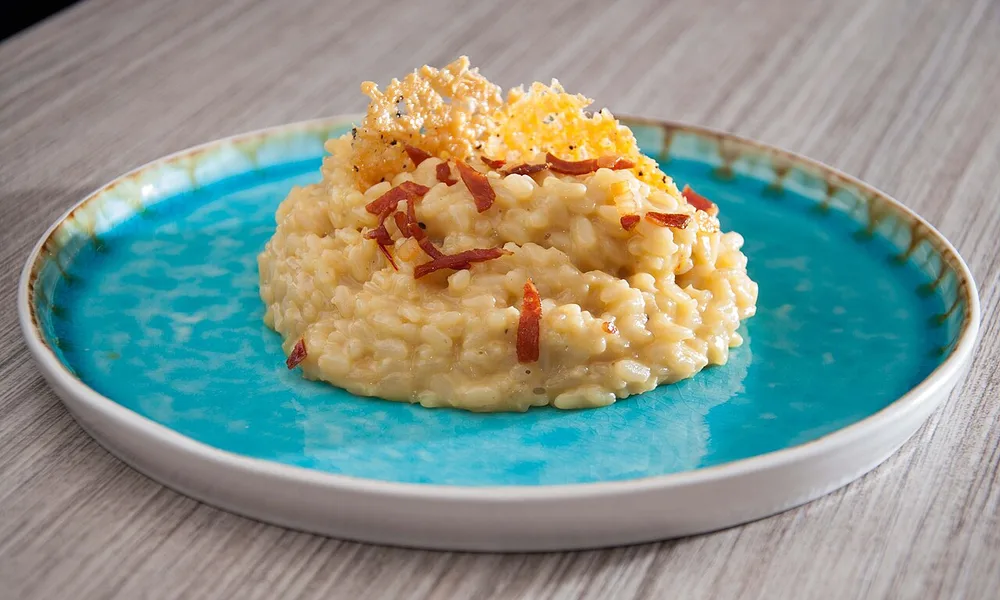
Age is the single most honest thing on a parmesan label, because time is what makes the cheese. At twelve months, the youngest Parmigiano-Reggiano allowed to carry the name, the cheese is pale, relatively soft and milky, with a gentle, almost sweet flavour and a texture that slices more than it crumbles. It is the best age for cooking into sauces and risottos, where it melts in smoothly and the flavour folds into the dish rather than standing apart. At eighteen months it starts to firm up and the flavour deepens, and it is a good all-rounder for grating and snacking alike.
At twenty-four months, the cheese hits the balance that most people mean when they say parmesan. The colour has deepened to straw gold, the texture is granular and breaks into shards, and the flavour is nutty, savoury and long, with a faint sweetness underneath. White crystals, tyrosine crystals formed as the proteins break down, crunch gently between the teeth, and they are a sign of a well-aged cheese rather than a fault. This is the wedge to buy if you are only buying one: it grates beautifully, it snacks beautifully, and a little goes a long way.
| Age | Texture | Flavour | Best for |
|---|---|---|---|
| 12 months | Pale, softer, sliceable | Milky, gentle, sweet | Sauces, risotto, cooking in |
| 18 months | Starting to firm up | Balanced, lightly nutty | All-round grating and snacking |
| 24 months | Granular, breaks in shards | Nutty, savoury, long | Pasta, boards, everyday best |
| 30 months | Dry, crumbly, crystalline | Deep, sharp, complex | Snacking, grating over dishes |
| 36+ months | Very dry, intensely crystalline | Intense, meaty, long finish | Tasting on its own |
| Generic parmesan | Varies, often waxy | Mild to bland | Everyday grating on a budget |
Wedge vs Pre-Grated: The Format Decides the Flavour
The format you buy changes the cheese more than most people realise, and the wedge is almost always the best starting point. A wedge is the cheese as it was made: uncoated, uncut, and free to taste the way parmesan should. Grate it yourself, on a fine grater for pasta or a coarse one for salads, and it falls in soft, fragrant flakes that melt on contact with hot food and smell of the cheese itself. A microplane grater turns a twenty-four-month wedge into a snowfall that dissolves into a sauce in seconds, and it is the single best tool for this cheese. The wedge keeps for weeks in the fridge when wrapped properly, so there is no convenience argument against it either. The same lesson applies to cheddar that melts like the good kind.
Parmesan on Pasta: How to Use It Properly
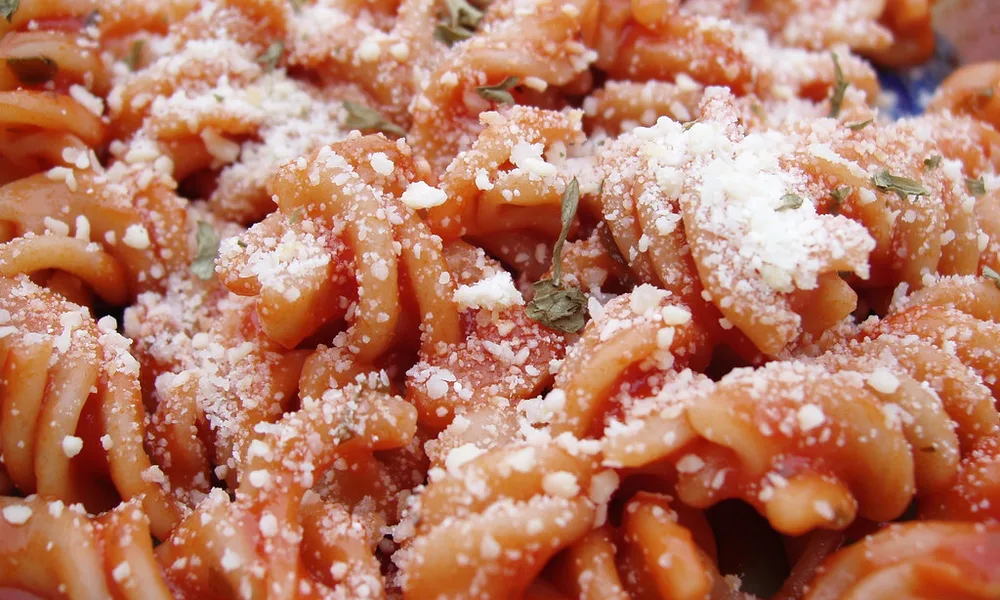
Parmesan on pasta is a technique, not a topping, and the technique is simple. Grate the cheese finely, add it off the heat or at the very end of cooking, and toss it through the pasta with a splash of the starchy pasta water so it melts into a glossy sauce rather than clumping into strings. The water is the key: the starch helps the cheese emulsify, and without it the cheese seizes and turns grainy. Never boil parmesan in a sauce, because boiling makes the proteins tighten and the fat separate, and the sauce turns oily and rough. Take the pan off the heat, add the cheese in handfuls, toss, and let the residual heat do the work. See also our guide to what makes a great pasta sauce.
The Rind Is Not Waste
The rind is also the authenticity check you already know: the stamped rind tells you the cheese is real, and a wedge sold without its rind has lost its proof. Buy the wedge with the rind on, use the rind in the pot, and the cheese pays for itself twice. One caution: the rind of generic parmesan is not always worth saving, because a young or waxy cheese has a rind with little flavour to give. Save the rinds from the good wedges, and do not feel guilty about binning the rest.
Snacking on Parmesan: The Board and Beyond
Parmesan is one of the best snacking cheeses there is, and it is also one of the most misunderstood, because people treat it as a seasoning and forget it is a cheese. A twenty-four or thirty-month wedge, broken into rough chunks rather than sliced, is a superb snack on its own: the crystals crunch, the flavour unfolds in waves, and a small piece satisfies in a way a large piece of a mild cheese never does. Serve it at room temperature, because cold parmesan tastes of little and its texture turns hard and closed. Break it with a short, stout cheese knife or an almond knife, which splits the paste along its natural grain instead of crushing it, and the pieces will look rough and generous rather than neat and mean.
How to Store Parmesan
Parmesan keeps better than almost any cheese, which is part of its charm, but it still needs wrapping. Wrap the wedge in wax paper or baking paper first, then in cling film or a sealed bag, and keep it in the fridge. The paper absorbs the moisture the cheese gives off, and the outer wrap stops it drying out, so the wedge stays in good condition for a month or more. Change the paper every week or so if it gets damp, and never store parmesan in an airtight plastic tub on its own, because it will sweat and taste of the plastic. A wedge that has dried out at the edges is not ruined: cut the dry edge away and the cheese underneath is fine.
Buying Checklist
- Buy a wedge, not a tub: freshly grated parmesan tastes of the cheese, pre-grated tastes of the tub.
- Check the rind for the dotted Parmigiano-Reggiano stamp and the dairy number before you pay the premium.
- Match the age to the job: twelve months for cooking in, twenty-four for pasta and snacking, thirty-six for tasting.
- Read the ingredients: real parmesan lists milk, salt, rennet and nothing else.
- Look for a straw-yellow, granular paste with white crystals, and avoid wedges that are pale, waxy or smooth.
- Keep the rind and freeze it for soups, risottos and beans, where it adds a depth no stock cube can match.
Frequently Asked Questions
Is Parmigiano-Reggiano the same as parmesan?
Parmigiano-Reggiano is the protected original, made under strict rules in a small region of Italy and aged at least twelve months. Parmesan is the generic name for similar hard cheeses made anywhere, and its quality varies far more. The real thing carries the dotted rind stamp; the generic version does not.
What age of parmesan should I buy?
For cooking into sauces and risotto, twelve months is best, because it melts smoothly. For pasta and snacking, twenty-four months is the sweet spot, nutty and balanced. For eating on its own, thirty-six months is the most intense and the most rewarding. If you are only buying one wedge, make it twenty-four months.
Why does pre-grated parmesan taste so different?
Once grated, the cheese dries out and loses its aroma, and manufacturers add cellulose or potato starch to stop it clumping, which dulls the flavour further. Some tubs are bulked with fillers and contain very little real cheese. Grating a wedge yourself takes seconds and tastes like a different product.
Can you eat the rind of parmesan?
Yes, the rind is edible, though tough. Its best use is in cooking: simmer a piece in soup, risotto, beans or tomato sauce for half an hour and it adds a deep, savoury richness. Save rinds from good wedges in the freezer, and fish them out before serving.
How long does a wedge of parmesan last?
Wrapped in wax paper and then cling film or a sealed bag, a wedge keeps for a month or more in the fridge. Change the paper if it gets damp, and cut away any dried-out edges. Grated parmesan freezes well; a whole wedge does not freeze well and is best used fresh.
Is Grana Padano a good substitute for parmesan?
Grana Padano is a genuine Italian hard cheese in its own right, milder, softer and cheaper than Parmigiano-Reggiano, and it is a fair substitute for everyday grating. It is not parmesan, though, and it lacks the depth of a well-aged Parmigiano-Reggiano. Use it for weeknight pasta and save the real thing for dishes where the cheese is the point.
The Bottom Line
The best parmesan is the wedge you buy whole, check by its rind, and grate yourself. Twelve months for the pot, twenty-four for the pasta and the board, thirty-six for the quiet moment when the cheese is the whole point. Pre-grated tubs, blank rinds and ingredient lists longer than the cheese itself are the signs to walk past. Buy the wedge, keep the rind, grate it fresh, and the cheese will do the rest: nutty, savoury, crystalline and long, over pasta, on a board, or straight from the hand.