Cheddar is the cheese most of us reach for first, and it is also the cheese most of us buy without thinking. It goes on sandwiches, into sauces, over pasta and onto crackers, and because it is everywhere, it is easy to assume that one block is much like another. It is not. A good cheddar tastes of something: nutty, buttery, a little sharp, with a crumbly bite that melts into a smooth, glossy sauce. A bad one tastes of salt and wax, stays rubbery in the pan, and leaves an oily slick on the plate. The difference is age, milk, and how the cheese was made, and this guide explains how to pick cheddar that melts like the good kind in 2026, from mild sandwich slices to the extra-sharp blocks worth grating over everything.
The first thing to understand is that cheddar is not one flavour but a range, and the range is the point. Mild cheddar is soft, creamy and gentle, made for melting and for eaters who want richness without a bite. Sharp cheddar is firmer and more assertive, with a tang that stands up to apples, pickles and dark bread. Extra-sharp, aged a year or more, is crystalline and almost savoury-sweet, and a little goes a long way. This guide walks through the ages, the formats, the melting and the storage, so the next block you buy is the right one for the job.
Key Takeaways
- Mild cheddar melts the smoothest and suits sandwiches and kids, while sharp and extra-sharp cheddar bring the flavour that mild cannot match.
- Block cheddar melts better than pre-shredded, because shredded cheese is coated in starch that stops it clumping in the bag and stops it melting smoothly in the pan.
- Age is the honest signal on the label: mild is aged two to three months, sharp six to twelve, and extra-sharp twelve months or more.
- Cheddar melts best low and slow, grated from a cold block, with a little moisture in the pan, and never boiled.
- Store cheddar wrapped in wax paper inside a sealed bag, and bring it to room temperature before serving so the flavour opens up.
Mild vs Sharp vs Extra-Sharp: The Age Ladder
Cheddar gets its character from time. After the curds are pressed into blocks, the cheese is left to age, and during those months enzymes break down proteins and fats into the compounds that give cheddar its flavour. A mild cheddar, aged for two to three months, is pale, smooth and supple, with a gentle buttery taste and a soft, almost springy bite. It slices cleanly, melts easily, and rarely offends anyone, which is why it dominates the sandwich aisle. A medium cheddar, aged for around four to six months, is the middle of the road: a little firmer, a little tangier, and a good all-rounder for cooking and snacking. Sharp cheddar, aged six to twelve months, is where the flavour turns serious. The texture firms up and starts to crumble, the colour deepens, and the taste develops a nutty, tangy edge that lingers on the tongue.
Block vs Shredded vs Sliced: The Format Matters
The format you buy changes how cheddar behaves, and the block is almost always the best starting point. A block is the cheese as it was made: uncoated, uncut, and free to melt the way cheddar should. Grate it yourself and it melts into a smooth, glossy sauce with no graininess, because nothing has been added to it. Pre-shredded cheddar, by contrast, is coated in cellulose or potato starch to stop the shreds sticking together in the bag, and that coating does not disappear in the pan. It makes sauces grainy, it stops the cheese flowing properly, and it dulls the flavour. It is convenient, and for a quick topping on nachos or a baked potato it is fine, but for a cheese sauce or a macaroni cheese it is the single easiest upgrade you can make: grate the block yourself and the sauce transforms.
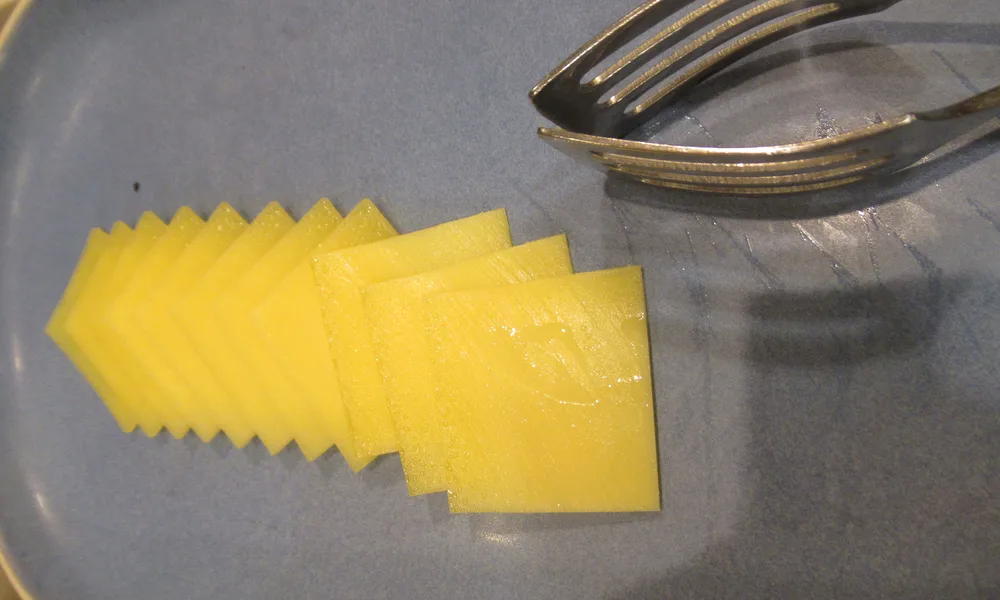
Sliced cheddar sits in the middle. Pre-sliced cheese is cut for sandwiches, and the best slices are simply thin cuts of real block cheddar, which melt well and stack neatly. The worst are processed cheese slices, which are not cheddar at all but a blend of cheese, emulsifiers and oil that melts into a uniform, plastic smoothness. They have their place in a fast-food-style burger, but they will never taste like cheddar, because they are not. Check the ingredients: real sliced cheddar lists milk, salt, cultures and rennet, while processed slices list a longer parade of emulsifiers and oils. For crackers and cheese boards, the block cut into cubes or wedges is the honest choice, and for sandwiches, slices cut from a block beat any packet, because you control the thickness and the cheese is at its best.
Cheddar Compared: Age, Texture and Best Use
The table puts the cheddar ages and formats side by side, so you can match the cheese to the meal instead of buying the same block for everything.
| Cheddar | Age | Texture | Flavour | Best for |
|---|---|---|---|---|
| Mild | 2–3 months | Soft, smooth, springy | Gentle, buttery | Sandwiches, kids, everyday melting |
| Medium | 4–6 months | Firm, sliceable | Balanced, lightly tangy | All-round cooking and snacking |
| Sharp | 6–12 months | Firm, lightly crumbly | Nutty, assertive | Macaroni cheese, sauces, cheese boards |
| Extra-sharp | 12+ months | Dry, crumbly, crystalline | Intense, savoury | Cheese boards, grating over dishes |
| Pre-shredded | Varies | Loose shreds, coated | Muted | Quick toppings, nachos, baked potatoes |
| White cheddar | Varies | Like its age | Same, no colouring | Anyone who prefers uncoloured cheese |
How Cheddar Melts: Low, Slow and Grated
Melting is where good cheddar earns its reputation and bad cheddar is exposed, and the rules are simple once you know them. First, grate the cheese cold, straight from the fridge, because cold shreds melt evenly while warm shreds clump. Second, keep the heat low: cheddar melts best between a gentle warmth and a simmer, and once the sauce boils, the proteins seize, the fat separates, and the sauce turns grainy and oily. Third, give the cheese something to melt into. A splash of milk, a spoonful of cream, or the starchy water from the pasta pot helps the cheese flow into a smooth sauce instead of tightening into a rubbery lump. A pinch of mustard, a dash of Worcestershire sauce, or a little white wine also helps, because the acid keeps the proteins relaxed and the sauce glossy.

Sandwiches and Mac-and-Cheese: Where Cheddar Shines
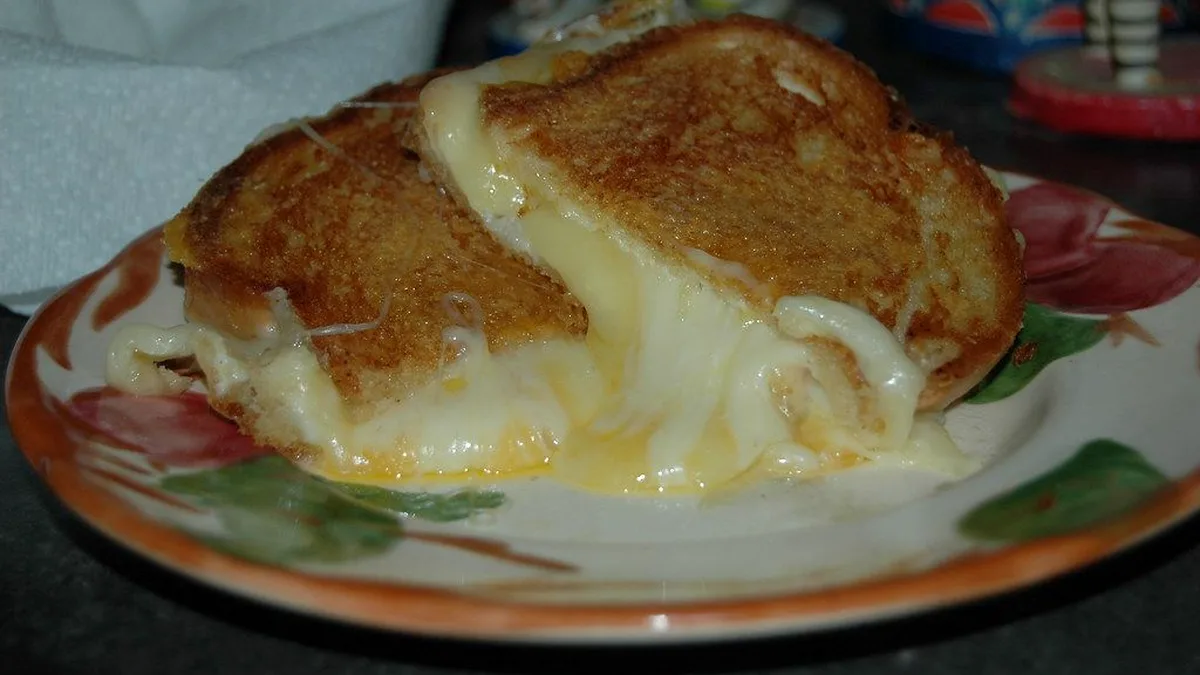
Cheddar was made for sandwiches, and the best ones respect the cheese. A grilled cheese needs a bread that can crisp without drying out, a generous layer of grated mild or medium cheddar, and a slow cook that lets the cheese melt all the way through. A cold sandwich needs sharp cheddar, because the cheese is eaten cold and its flavour has to carry the sandwich: sharp cheddar with apple, with pickle, or with ham and mustard is a combination that has lasted for a reason. The sandwiches that stand up best to a good cheddar are the simple ones, where the cheese is the star rather than one of ten fillings fighting for attention. Keep the bread sturdy, the cheese generous, and the extras few, and the sandwich will taste like cheddar rather than like a fridge clear-out.
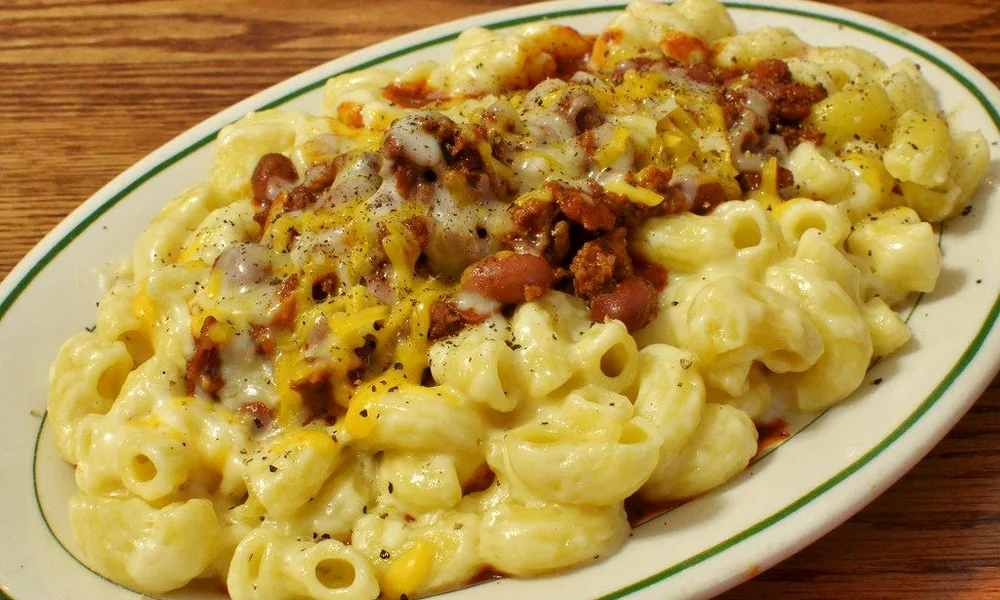
Macaroni cheese is cheddar’s greatest stage, and it rewards the same care. Use sharp cheddar for flavour and a little mild cheddar for melt, grate both from the block, and build the sauce on a proper roux with warm milk, stirring the cheese in off the heat. The pasta should be slightly undercooked when it meets the sauce, because it keeps cooking in the oven, and a topping of breadcrumbs mixed with extra grated cheddar gives the golden crust that makes the dish. Pasta shapes with ridges and tubes hold the sauce best, and a short bake at a moderate heat keeps the sauce creamy rather than drying it into a solid block. Cheddar also earns its keep beyond the obvious: grated over chilli, baked into scones and muffins, melted over a baked potato, or stirred into scrambled eggs at the last moment. In each case the rule is the same: real block cheddar, grated fresh, melted gently, and never boiled.
Cheddar Buying Checklist
- Choose the age for the job: mild or medium for melting, sharp for cooking with flavour, extra-sharp for eating.
- Buy the block and grate it yourself: pre-shredded cheese is coated in starch and melts into a grainy sauce.
- Check the colour: orange cheddar is coloured with annatto and tastes the same as white, so pick whichever you prefer.
- Read the ingredients: milk, salt, cultures and rennet means real cheddar, while a long list of emulsifiers means processed cheese.
- Smell the block before you buy when you can: good cheddar smells nutty and a little sharp, never of ammonia or old milk.
- Store cheddar wrapped in wax paper inside a sealed bag, bring it to room temperature before serving, and freeze only grated cheddar for cooking.
Frequently Asked Questions
Why does my cheddar go grainy when it melts?
Cheddar goes grainy when it is overheated or pre-shredded, because the starch coating and the seized proteins both stop the cheese flowing smoothly. Grate block cheddar yourself, keep the heat low, never let the sauce boil, and stir the cheese in off the heat in handfuls. A splash of milk or starchy pasta water helps the sauce stay glossy.
Is white cheddar different from orange cheddar?
No, the flavour is the same. Orange cheddar is coloured with annatto, a natural colouring from the seeds of the achiote tree, and it adds no flavour. The difference that matters is the age and the milk, not the colour, so judge the cheese by its age and texture.
How long does cheddar last in the fridge?
An unopened block keeps for several weeks, and an opened block wrapped well keeps for three to four weeks. Wrap it in wax paper inside a sealed bag, which lets the cheese breathe without drying out. Cut away a little surface mould with a generous margin, but throw the block out if it smells of ammonia.
Can you freeze cheddar?
Yes, but only for cooking. Grate the cheddar first, freeze it in a sealed bag, and use it straight from frozen in sauces, soups and baked dishes. Frozen cheddar turns crumbly when thawed, so it is a poor choice for a cheese board or a sandwich.
What is the best cheddar for a grilled cheese?
Mild or medium cheddar is the best choice, because it melts smoothly and evenly without going oily or grainy. Grate it rather than slicing it thick, butter the outside of the bread, and cook over medium-low heat with a lid on the pan so the cheese melts before the bread burns.
Is extra-sharp cheddar worth the price?
Extra-sharp cheddar costs more because it has been aged for a year or more, and the flavour is genuinely more intense and complex. It is worth the price when you eat the cheese on its own, where a little goes a long way, but poor value for melting, so save it for eating and use a younger cheese in the pan.
The Bottom Line
The best cheddar in 2026 is the block that matches the job: mild for melting, sharp for cooking, extra-sharp for eating, bought as a block, grated fresh, and melted low and slow. Skip the pre-shredded bag when the sauce matters, read the age before the brand, and let the cheese come to room temperature before serving. Buy it that way and the cheddar will melt like the good kind, because it is the good kind.


