A Guide to Reusable Bags That Last Years in 2026
A good reusable bag should feel like a small investment that pays you back every single week. The best reusable bags in 2026 are the ones you reach for without thinking: strong enough for a full grocery run, comfortable to carry, easy to wash, and still in one piece after hundreds of trips. The worst ones look fine on the shelf and then split at the seam, fray at the handles, or stain so badly you stop using them within a month.
We looked at what actually makes a bag last — fabric weight, stitching, handle construction, washability, and how the bag behaves when it is full and heavy. A bag that lasts years is rarely the cheapest one in the pile. It is the one built like a workhorse: thick fabric, reinforced seams, handles stitched through the body of the bag, and a shape that holds its form instead of collapsing at the bottom of your shopping trolley.
Key Takeaways
- Heavy canvas and thick recycled polyester last longest; thin non-woven polypropylene is the first to tear.
- Handles stitched down the full side of the bag carry far more weight than handles sewn only at the top edge.
- A flat, reinforced base keeps groceries upright and stops bottles from rolling and bruising softer food.
- Machine-washable bags stay hygienic and in use; bags you cannot wash tend to be abandoned after a spill.
- Two or three well-chosen bags beat a drawer full of flimsy freebies that rip on the first heavy shop.
What Makes a Reusable Bag Last for Years
Durability starts with fabric weight. Canvas measured around 12 to 16 ounces per square yard feels substantial in the hand and resists the small punctures and snags that kill lighter bags. Thick recycled polyester, often sold as rPET, is lighter than canvas but can be just as tough when it is tightly woven, and it has the advantage of shrugging off light rain. Cotton totes in the 8-ounce range are fine for books and light errands, but they stretch and sag under a load of tins and bottles. The flimsy non-woven bags handed out at checkouts are the weakest of all: their fibres are bonded rather than woven, so a single tear runs quickly and the handles pull out under weight.
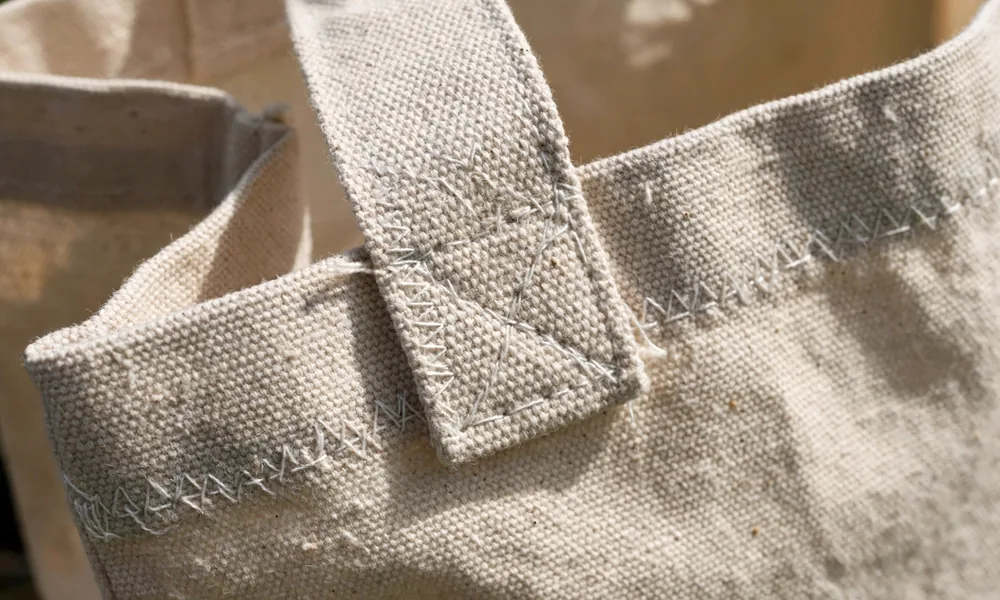
Stitching matters just as much as fabric. Turn a bag inside out before you buy it, if you can. Look for double-stitched seams, boxed corners, and an X-shaped reinforcement where each handle meets the body. That little cross of stitching spreads the load across the fabric instead of concentrating it on a few threads. A handle that is a continuous strap running down the side of the bag and under the base is the strongest design of all, because the weight hangs from the whole bag rather than from two small attachment points.
The base deserves the same attention. A bag with a flat, stitched-in base stands up on its own, which makes packing far easier: jars and bottles sit upright, bread stays on top, and nothing gets crushed. Without a proper base, a loaded bag sags, the contents shift with every step, and the seams at the bottom take a pounding. If you regularly carry wine, milk, or jars, a structured base is the difference between a bag that lasts and one that gives up within a season.
Reusable Bag Materials Compared
Canvas is the classic choice and still the benchmark for longevity. A well-made cotton canvas tote can survive years of weekly shopping, machine washing, and being stuffed into a car boot. It softens with age without weakening, and small stains wash out. Its drawbacks are weight and bulk: a heavy canvas bag takes up real space when folded, and it absorbs water, so it is not the best companion on a rainy day unless it has a waxed or treated finish.
Recycled polyester is the practical all-rounder. It is light, folds down small, dries quickly, and resists stains better than cotton. The best rPET bags feel like a sturdy woven fabric rather than a crinkly sheet, and they often include a pocket that the whole bag folds into. Watch out for very thin versions, which feel like tissue paper and tear at the corners.
Jute and hemp sit in the middle. Jute has a rustic look and a naturally stiff structure that holds its shape beautifully, and it is one of the most sustainable fibres available. But untreated jute sheds fibres, can feel rough on the hands, and does not love being washed. Hemp is softer, stronger, and more washable than jute, though it usually costs more. Nylon ripstop bags are the ultralight option: they pack down to the size of a plum and are surprisingly strong for their weight, but they are best kept as a backup bag in your pocket rather than your main weekly carrier.
| Material | Durability | Weight | Washability | Best For |
|---|---|---|---|---|
| Heavy cotton canvas | Excellent | Heavy | Machine wash | Weekly grocery shops |
| Recycled polyester (rPET) | Very good | Light | Machine wash | Everyday errands, rain |
| Jute | Good | Medium | Spot clean only | Farmers markets, storage |
| Hemp | Very good | Medium | Machine wash | Heavy loads, daily use |
| Nylon ripstop | Good | Very light | Hand wash | Backup bag, travel |
| Non-woven polypropylene | Poor | Very light | Wipe clean | Short-term use only |
Handles, Size and Shape: The Details That Decide Comfort
Handle length changes how a bag feels more than most people expect. Short handles are fine for carrying in your hand, but they dig in when the bag is heavy. Long shoulder handles free your hands and spread the weight, which matters on a long walk home. The most versatile bags offer both: a pair of short grab handles and a longer shoulder strap.
Size is a trade-off. A very large bag tempts you to overfill it, and an overfilled bag is a bag with stressed seams and a sore shoulder. For most households, a medium bag of around 20 to 25 litres is the sweet spot: big enough for a proper shop, small enough to carry comfortably when full. Keep one large bag for the big weekly shop and two medium ones for top-up trips.
Shape matters too. A wide, shallow bag is easier to pack and unpack than a tall, narrow one, because you can see everything inside and nothing gets buried. Gussets — the folded panels at the sides — let a bag expand when full and fold flat when empty. A bag with an internal pocket is useful for keeping your phone, keys, and shopping list separate from the groceries.
How to Wash and Care for Reusable Bags
A reusable bag that carries raw meat, loose vegetables, and the occasional leaking carton needs regular washing — and the bags that last are the ones that survive the wash. Cotton canvas and hemp can usually go in the machine on a cool cycle, then air-dry. Avoid tumble drying canvas, which can shrink it and stress the seams. Recycled polyester also washes well, though it dries faster and holds its shape better.
Jute and non-woven bags need gentler care: brush off dry dirt, spot-clean stains with a damp cloth and mild soap, and let them dry fully before storing. Never store a damp bag folded in a drawer, because mildew will set in and the smell is hard to remove. The simplest routine is to wash your grocery bags once a week, or immediately after any leak.
Choosing the Right Set for Your Routine
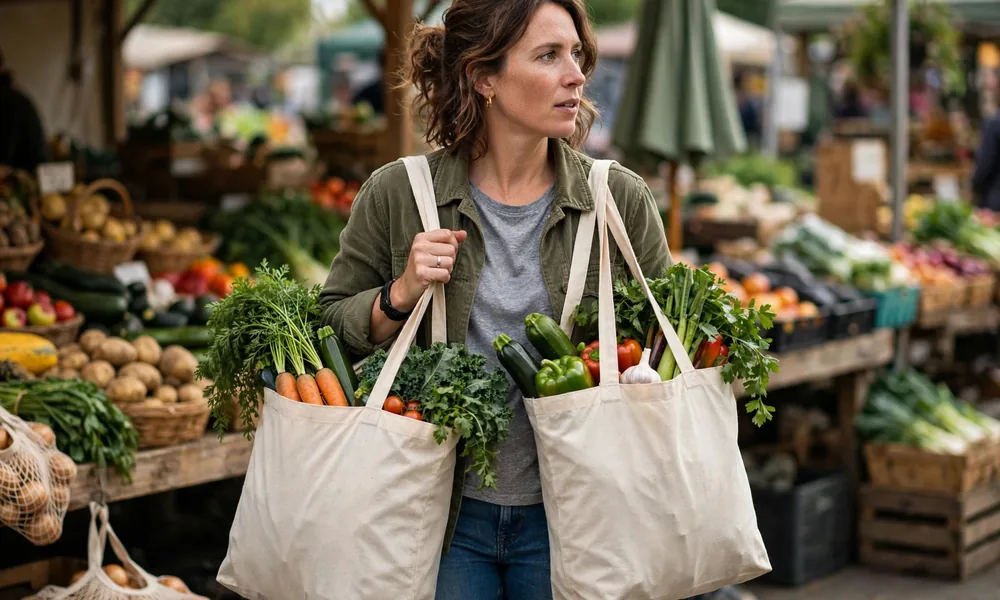
Start by thinking about how you actually shop. If you drive to a supermarket once a week, a set of three sturdy canvas or heavy rPET bags with flat bases will cover almost everything, and they can live in the car boot so you never forget them. If you walk to local shops, lighter bags with comfortable shoulder straps matter more than maximum capacity, because you will feel every extra gram.
Families need a different mix. Add a couple of insulated bags for chilled and frozen food, especially in summer, and keep a small foldable bag in every coat pocket and handbag for unplanned stops. The insulated option is worth a closer look if you regularly buy frozen goods: our guide to the cooler bags worth taking on a hot day explains which insulation actually keeps food cold on the journey home. For packed lunches, the same thinking applies on a smaller scale — see how to pick a lunch bag that keeps food cold till noon — and the containers inside matter too, which is why the best lunch boxes pair so well with a good shopping bag routine.
Do not be seduced by a bag just because it looks good on a shelf. The prettiest printed tote is often made from thin cotton with single-stitched handles, and it will not survive a month of real shopping. Judge every bag by the same four checks: fabric weight, handle attachment, base structure, and washability. A plain, well-built bag in a colour you like will serve you far longer than a fashionable one that fails at the first heavy load.
The 6-Point Checklist Before You Buy
- Feel the fabric: it should be thick, tightly woven, and resist being pulled apart at the weave.
- Check the handles: look for double stitching, X-shaped reinforcement, or straps that run down the sides.
- Test the base: it should be flat, firm, and stitched in, so the bag stands up on its own.
- Ask about washing: machine-washable bags stay hygienic and stay in use far longer.
- Try the size: it should fit a normal shop without tempting you to overfill it.
- Fold it: a good bag folds or rolls small enough to keep with you, so you actually use it.

FAQs About Reusable Bags
How many reusable bags do I actually need?
Most households do well with four or five: two large bags for the weekly shop, one medium bag for top-ups, one insulated bag for chilled food, and one foldable bag kept in a pocket or handbag for unplanned stops. More than that usually means bags sitting unused in a drawer.
How long should a good reusable bag last?
A heavy canvas or quality rPET bag used weekly and washed regularly should last three to five years, and often longer. Thin non-woven bags may last only a few months.
Are reusable bags hygienic?
Yes, as long as you wash them. Raw meat and leaking cartons can leave bacteria behind, so wash grocery bags weekly and immediately after any spill. Keep one bag aside for raw meat, or use a washable inner pouch for it.
Can I machine-wash a canvas tote?
Most cotton canvas and hemp totes can be machine-washed on a cool, gentle cycle and air-dried. Check the label first, avoid hot water and tumble drying, and turn the bag inside out so the dirtiest side gets cleaned properly.
What is the most sustainable reusable bag material?
It depends on how often you use it. A cotton bag needs to be reused many times to offset the resources used to grow and weave the cotton, while recycled polyester and jute have lower upfront impacts. The most sustainable bag is the one you already own and use hundreds of times.
Why do my reusable bags keep tearing at the handles?
Handles fail when they are sewn only to the top hem with a few stitches, or when the bag is regularly overfilled. Choose bags with handles stitched down the side or reinforced with an X-pattern, and spread heavy shopping across two bags instead of loading one to bursting.
The Bottom Line
The best reusable bags in 2026 are not the cheapest or the flashiest — they are the heavy canvas and thick recycled polyester bags with reinforced handles, a flat base, and a fabric that survives the washing machine. Buy a small set that fits your routine, keep them where you grab them, wash them weekly, and they will carry your shopping for years.