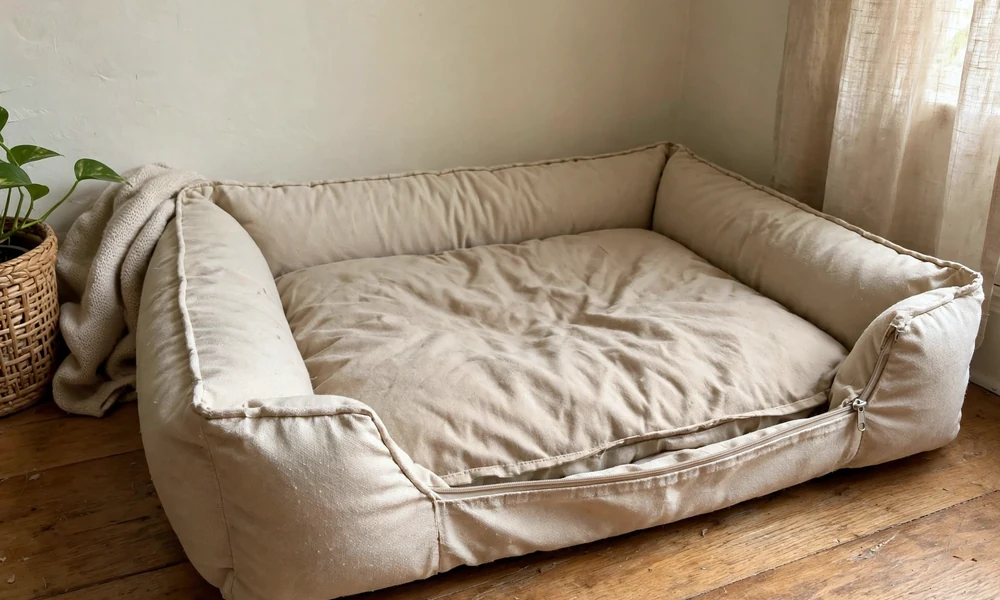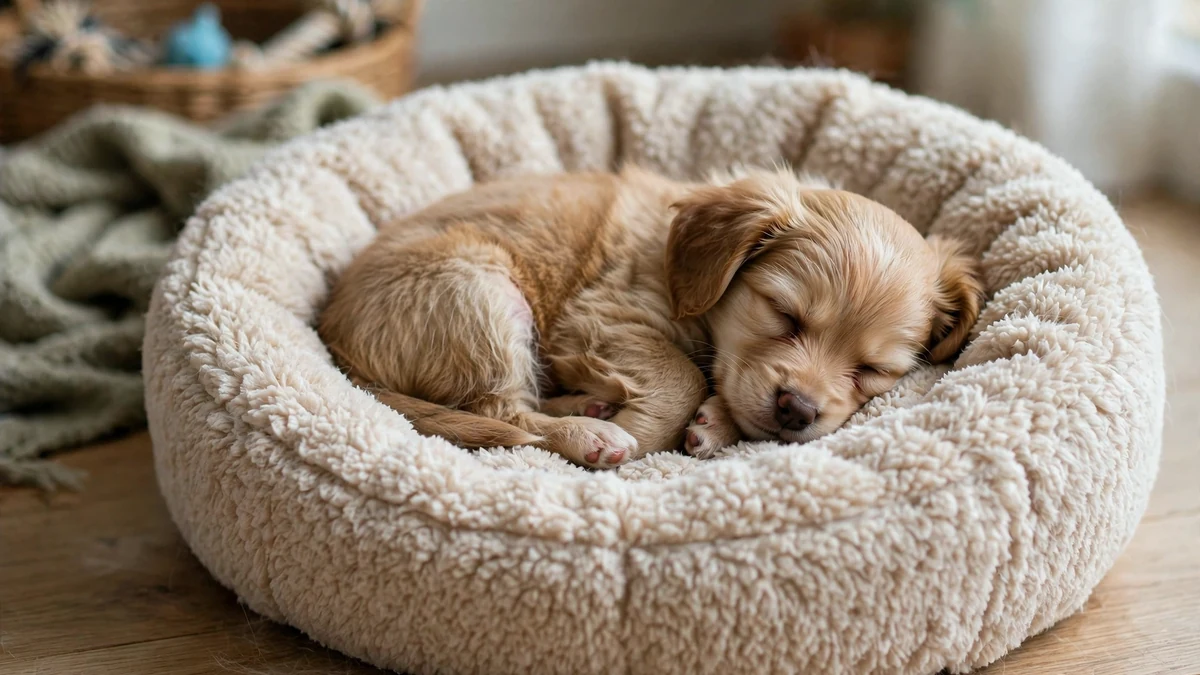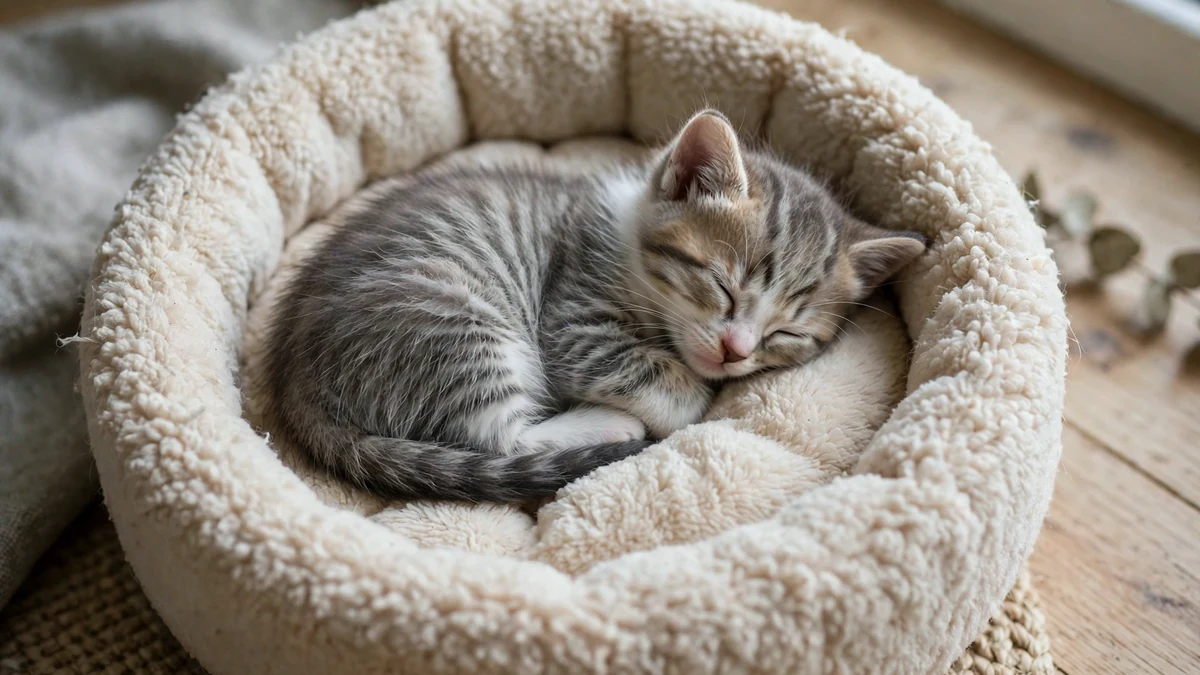
A kitten bed has one job: to give a tiny, growing cat a warm, safe place to sleep that survives kneading, scratching, and daily washing. The worst cat beds for kittens of 2026 fail at it in ways that leave a kitten sleeping in a cardboard box, a bed that is flat within weeks, and an owner washing a cover that cannot be removed. They are too big for a tiny kitten, too tempting to claw apart, or made from filling that clumps into lumps after the first wash. Owners buy them expecting a cosy, washable bed for a small, messy kitten, something that holds its shape and survives the scratching phase. What they get is a bed that goes flat, a cover that sheds, or a bed the kitten ignores entirely in favour of a laundry pile. A kitten sleeps most of the day, and a bed that ignores that is not a bargain. It is a waste of money and an empty bed.

What Makes a Kitten Bed Bad
A good bed for a kitten does three things: it fits a tiny body, it survives kneading and scratching, and it washes clean again and again. The worst ones fail all three. The most common failure is size. Beds sold for kittens are often just smaller versions of an adult cat bed, too large for a kitten that weighs less than a kilogram, so the kitten feels exposed and cold in a bed built for a cat three times its size. A kitten needs a bed it can curl against, with raised sides to lean on and a snug space that holds its warmth, and a bed that is too big leaves the kitten searching for a smaller, warmer spot, which is usually a drawer, a laundry basket, or the owner’s lap.
The second failure is the filling. A bed stuffed with loose fibre looks plump on the shelf, but after a few weeks of a kitten kneading and sleeping on it, the filling clumps into lumps and thin patches, and the kitten is effectively sleeping on the floor. The worst fillings are shredded foam offcuts and cheap polyester fibre, which flatten under a kitten’s weight and never recover. A good kitten bed uses dense filling that holds its shape, with a cover that unzips fully and goes in the washing machine, because a kitten bed needs washing more than any other bed in the house.
Beds Kittens Claw to Pieces
Scratching is the failure that destroys most kitten beds, because a kitten explores the world with its claws and a bed is the largest scratching surface in the house. A bed with loose seams, dangling tassels, or a zip that sticks out is a bed the kitten will pull apart, and once the kitten finds a loose thread it will work at it until the whole seam opens. The filling spills out, the kitten plays with it, and the bed becomes a hazard as well as a waste of money. A kitten that swallows filling can become seriously ill, and a bed that falls apart into swallowable pieces is a bed that should never have been sold for a kitten.
Materials decide whether a bed survives the scratching phase or not. Tough, tightly woven fabric with hidden seams resists a kitten’s claws far better than a soft, loose weave with decorative trim, and a bed with no buttons, tassels, or loose parts gives the kitten nothing to start on. The worst beds are made from the softest, fluffiest materials, which feel lovely in the shop and shred in a single afternoon with a kneading kitten. A kitten bed should be built like a piece of kit that will be attacked daily, because that is exactly what will happen to it, and a bed that cannot survive a kitten is a bed that was never meant for one.
The Donut Trap and Other Shapes
Donut beds are the most popular kitten beds on the shelf, and the worst ones are a trap. A donut bed with a raised rim sounds perfect for a kitten that likes to curl, but a cheap donut has a rim that goes flat within weeks, a centre that is too thin to support anything, and a cover that cannot be removed for washing. The kitten ends up sleeping on a flat disc with a deflated ring around it, which is no better than the floor, and the bed that looked so cosy in the shop becomes an expensive piece of floor decoration.
Other shapes have their own problems. A cave bed with a single small opening traps heat and makes a kitten miserable in summer, while a bed with no walls at all leaves a nervous kitten with nowhere to hide. An igloo bed that cannot be washed properly will smell within weeks, and a kitten that has to sleep in a smelly cave will choose the sofa instead. The shape should suit the kitten in front of you: a curler needs a round bed with a raised rim, a sprawler needs a flat bed with no walls, and a hider needs a cave with a washable cover. A bed that ignores the kitten’s habits is a bed the kitten will ignore.
Beds That Cannot Be Washed
Washing is where most kitten beds fail, because a kitten bed needs washing more than any other bed in the house. A bed that cannot be washed properly will smell within weeks, and a kitten that has to sleep on a smelly bed will choose the laundry pile, the sofa, or the owner’s bed instead. The worst beds have covers that shrink in the wash, filling that clumps when wet, and a shape that never recovers after drying. A bed that comes out of the machine lumpy, shrunken, and misshapen is a bed that will be thrown away, and the owner will have paid for a bed that lasted one wash.

Drying is the other half of washing, and the worst beds make it a chore. A bed that takes days to dry is a bed the kitten cannot use, and a bed that is put back damp grows smells and mould that no amount of washing will fix. A good kitten bed has a removable cover that dries quickly and a filling that can be aired and fluffed, so the bed is back in use within hours. Our guide to cat trees your cat will actually climb covers the perches and hideaways that pair well with a good bed, and the right combination gives a kitten a whole territory of its own, not just a single spot to sleep.
Heated Beds and Self-Warming Traps
Self-warming beds promise warmth for a tiny kitten, and the worst ones are a disappointment disguised as a comfort. A self-warming bed uses a reflective layer to bounce the kitten’s own heat back at it, but a cheap one has a reflective layer so thin it does nothing, and the kitten ends up sleeping on a cold bed that promised warmth. The reflective material also crinkles loudly every time the kitten moves, and a nervous kitten that is startled by its own bed will not sleep in it again. A kitten that needs warmth needs a small, snug bed in a warm corner with a blanket it can knead, not a crinkly layer that promises heat and delivers noise.
Electric heated beds are worse, because a kitten’s teeth and claws make them genuinely dangerous. A heated bed with a cable that runs across the floor is a chew toy, and a kitten that bites through a live cable can be seriously hurt. A heating element that a kitten can claw through is a burn waiting to happen. A kitten does not need an electric bed at all if the room is warm and the bed is snug, and a heated bed that cannot be chewed safely is a bed that should never be sold for a kitten. Keep the bed simple, warm, and safe, because a kitten’s bed should be the safest place in the house.
How to Spot a Bad Bed Before You Buy
The shelf test takes a minute and saves a season of regret. Press the middle of the bed hard with both hands: a good filling resists and springs back, while a bad one stays dented. Check that the cover unzips fully and comes off easily, and look for a size that fits the kitten rather than the room, with raised sides the kitten can lean against. Pull at the seams and check that they are hidden and strong, with no loose threads, tassels, or buttons for a kitten to start on. If the bed feels thin, flimsy, or already lumpy in the shop, it will be worse at home, not better.
Warmth matters more for a kitten than for an adult cat, and it is the one most owners underestimate. A kitten loses heat quickly, and a bed that is too large, too thin, or placed in a draughty spot will leave it cold. Put the bed in a warm, quiet corner, away from draughts and noisy appliances, and give the kitten a blanket it can knead. A treat in the bed helps a nervous kitten settle, but no treat can rescue a bed that is too big, too flat, or too smelly to sleep in.
What to Buy Instead
The beds worth buying share a short list of features, and none of them is expensive on its own. Dense filling that holds its shape, a removable, washable cover, tough fabric with hidden seams, and a size and shape that match the way the kitten actually sleeps. A bed with those four things will support a growing kitten, survive the scratching phase, and wash clean again and again, and a bed missing any one of them will fail at exactly that weak point. Pay for the filling and the cover first, because those are the parts that decide whether the bed lasts or ends up in the bin.
Routine matters as much as the bed, and a kitten bed needs more care than any other. Wash the cover every week or two, air the filling regularly, and check the seams for loose threads before the kitten finds them. Put the bed where the kitten already sleeps, because the best bed is the one the kitten chooses every single night, and a bed in the wrong spot will sit empty however good it is. A scratcher nearby gives the kitten somewhere to claw that is not the bed, and a kitten that has a good scratcher and a good bed is a kitten that sleeps well and grows fast.
The Bottom Line
The worst cat beds for kittens of 2026 share a pattern: too big for a tiny kitten, flat fillings, covers that cannot be removed, and fabric that shreds under tiny claws. None of those failures is hard to spot before buying, and none of them is worth the saving, because a bed is the one piece of kit a kitten uses for most of the day. Buy small, buy dense, buy washable, and check the seams and the cover before the kitten does. A kitten deserves a bed built for its body, and an owner deserves a kitten that sleeps soundly through the night instead of on the laundry.