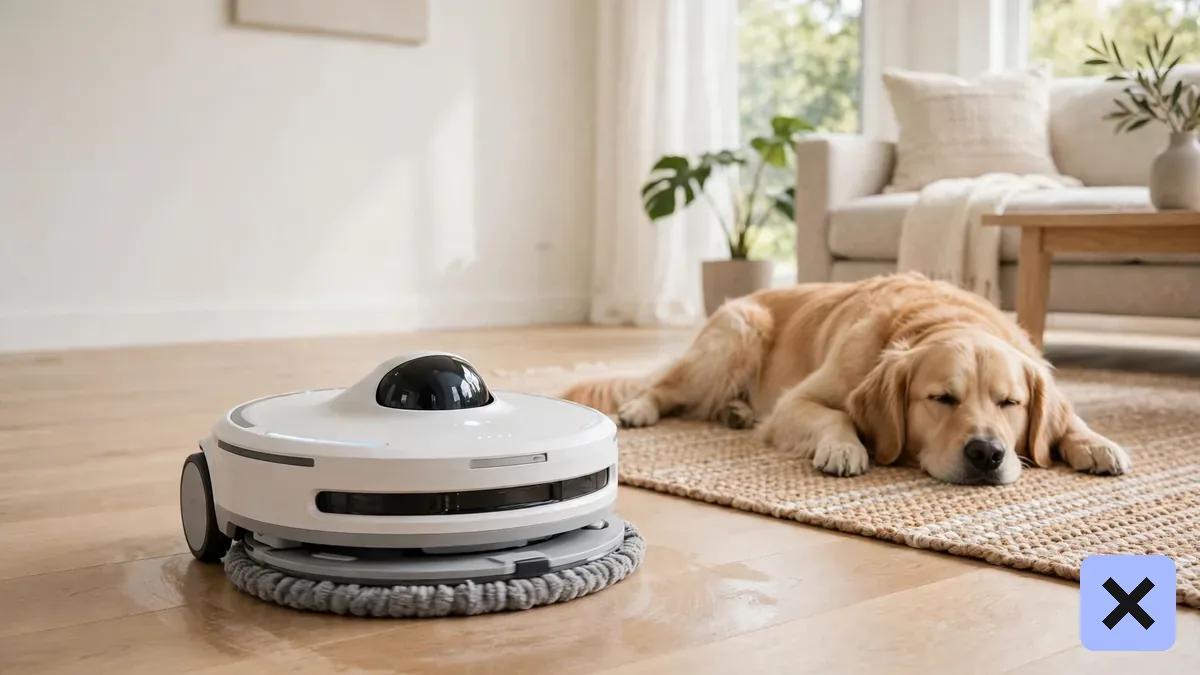
For anyone who sneezes through spring, wakes up congested, or lives with a pet that sheds, the floor underfoot is often the biggest allergy trigger in the home. Dust mites, pollen tracked in on shoes, and pet dander settle into carpets and hard floors every day, and a weekly vacuum cannot keep up. The best robot vacuums for allergies 2026 solve this by cleaning daily, automatically, with filtration designed to trap the particles that make you miserable.
A robot vacuum built for allergy sufferers is not the same as a basic budget model. The difference lies in the details: a true HEPA filter that captures 99.97 percent of particles as small as 0.3 microns, a sealed system that keeps dust from leaking back into the air, and a self-emptying base so you never breathe in a cloud of dust when you empty the bin.
This guide explains what to look for, compares the strongest allergy-friendly models of 2026, and shows how to run your robot vacuum for maximum relief.
Key Takeaways
- A true HEPA filter is the single most important feature, trapping 99.97 percent of particles down to 0.3 microns.
- A sealed system and a self-emptying base matter almost as much, stopping captured allergens from escaping back into your air.
- Daily scheduled cleaning beats occasional deep cleaning, since dust and dander accumulate every day.
- Strong suction and a tangle-free brush roll pull dust mites and pet hair out of carpets and rugs.
- Pairing a robot vacuum with an air purifier gives the best overall result.
Why Robot Vacuums Matter for Allergy Sufferers
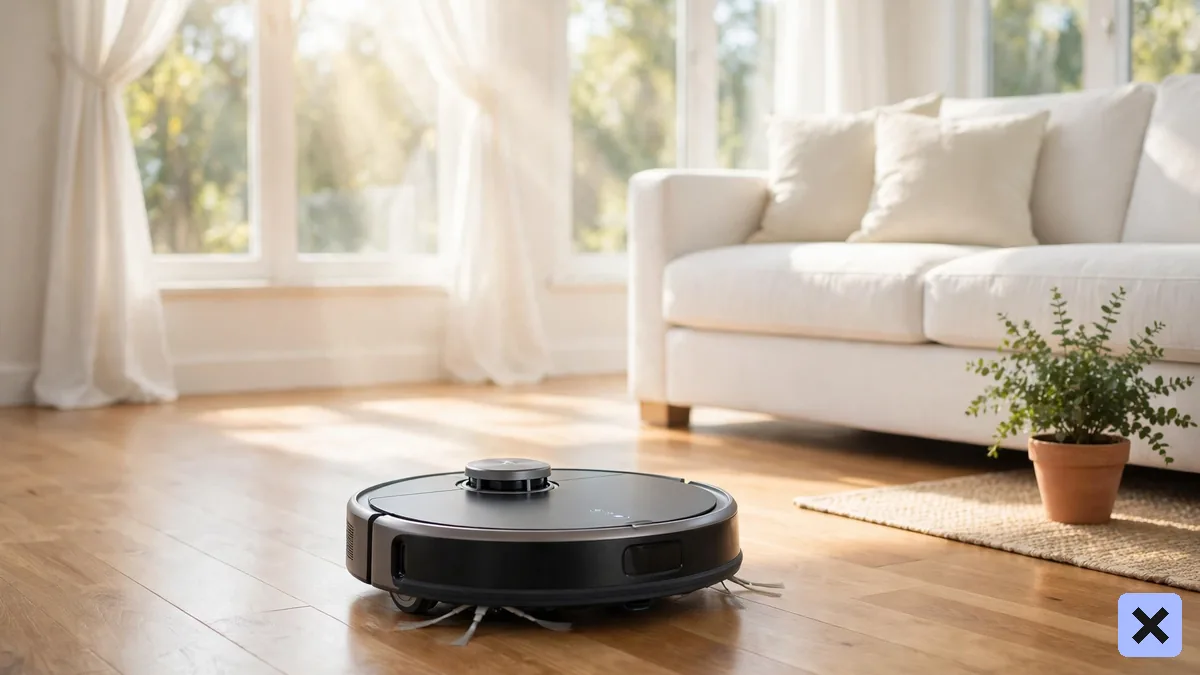
Allergy symptoms are driven by exposure, and exposure is driven by accumulation. Dust mites live in carpets, rugs, and upholstery, feeding on shed skin cells. Pollen drifts in through open windows and rides in on clothing and shoes. Pet dander, the microscopic skin flakes animals shed constantly, settles on every surface and stays airborne for hours. Left alone, these particles build up day after day.
Most people vacuum once a week, if that, and by then allergen levels have already peaked. A robot vacuum can run every day, keeping allergen loads low all the time instead of letting them spike between cleanings.
Vacuuming also stirs up dust, and the person pushing a traditional vacuum stands directly in the cloud it creates. A robot vacuum cleans while you are out of the room, at work, or asleep, so you are not breathing in the particles it disturbs.
What to Look for in an Allergy-Friendly Robot Vacuum
Not every robot vacuum helps allergies. Some models use basic mesh filters that let fine particles straight through, and some leak dust from poorly sealed bins. Here are the features that actually make a difference.
True HEPA Filtration
HEPA stands for high-efficiency particulate air, and a true HEPA filter captures at least 99.97 percent of particles 0.3 microns in size. That covers dust mite waste, most pollen grains, and the finest pet dander. Be wary of marketing terms like HEPA-style or HEPA-like, which are not the same standard. Look for the words true HEPA or HEPA 13 in the specifications.

A Sealed System and Dustbin Design
A great filter is useless if air leaks around it. The best allergy-friendly robot vacuums use a sealed airflow path, so every bit of air the vacuum exhausts has passed through the filter. A sealed dustbin with a tight lid matters too, especially when the vacuum bumps over thresholds. Some models also offer a bagged self-emptying base, which seals dust into a disposable bag you can throw away without ever seeing or breathing it.
A Self-Emptying Base
Emptying a robot vacuum dustbin is the moment most allergy sufferers dread, because tipping a bin into the trash releases a puff of everything it just collected. A self-emptying base solves this by transferring debris into a larger sealed bag automatically, usually holding 30 to 60 days of dirt. For allergy households, this is one of the most valuable upgrades you can buy.
Suction Power and Brush Design
Suction matters most on carpet, where dust mites and dander hide deep in the fibres. Look for at least 4,000 Pa of suction for mixed flooring, and more if your home is mostly carpeted. A rubber brush roll, rather than a bristle brush, is also better for allergy homes: it resists hair tangles, stays cleaner between runs, and is easier to wipe down.
Smart Mapping and Scheduling
LiDAR mapping lets a robot vacuum clean in neat, systematic rows instead of bouncing around randomly, so it covers the whole room. It also lets you set room-by-room schedules, so the bedroom can be cleaned every morning before you wake.
The Best Robot Vacuums for Allergies in 2026
The models below are the strongest allergy performers of 2026, chosen for filtration, dust containment, and suction. For the wider picture, our roundup of the best robot vacuums of 2026 covers the full range across every budget.
| Model | Filtration | Self-Emptying | Suction | Best For |
|---|---|---|---|---|
| iRobot Roomba j9+ | True HEPA, sealed system | Yes, bagged base | Strong | Pet owners and carpeted homes |
| Roborock S8 Pro Ultra | True HEPA, washable filter | Yes, bagged base | 6,000 Pa | Deep carpet cleaning |
| Ecovacs Deebot X2 Omni | True HEPA, sealed bin | Yes, bagged base | 8,000 Pa | Large homes, mixed floors |
| Shark AI Ultra | True HEPA, sealed system | Yes, bagless base | Strong | Best value allergy pick |
| Eufy X10 Pro Omni | True HEPA, washable filter | Yes, bagged base | 8,000 Pa | Hard floors and mopping |
iRobot Roomba j9+: Best for Pet Owners
The Roomba j9+ pairs a true HEPA filter with a fully sealed system and a bagged self-emptying base, the combination allergy sufferers should look for first. Its dual rubber brushes resist tangles from long hair and pet fur, and its obstacle avoidance steers around pet bowls and cables. For households where pet dander is the main trigger, this is the safest all-round choice. Our guide to robot vacuums built for pet hair goes deeper on the models that handle shedding best.

Roborock S8 Pro Ultra: Best for Deep Carpet Cleaning
With 6,000 Pa of suction and a vibrating mop pad that scrubs hard floors, the Roborock S8 Pro Ultra is built for homes with a lot of carpet. Its dual rubber brushes dig into pile to lift dust mites and embedded dander, while the bagged auto-empty dock keeps everything it collects sealed away. The washable HEPA filter cuts running costs, and the LiDAR mapping is among the most accurate available.
Ecovacs Deebot X2 Omni: Best for Large Homes
The Deebot X2 Omni delivers 8,000 Pa of suction, the strongest in this roundup, along with a square front design that reaches into corners where dust and pet hair collect. Its self-emptying station also washes and dries the mop pads, which matters for allergy homes because a damp mop pad can harbour mould. The sealed dustbin and true HEPA filter keep fine particles contained.
Shark AI Ultra: Best Value Allergy Pick
The Shark AI Ultra proves you do not need to spend a fortune for proper allergy protection. It has a true HEPA filter, a sealed system, and a self-emptying base that holds up to 60 days of debris. Its suction is strong on both carpet and hard floors, and the self-cleaning brush roll is genuinely good at avoiding hair wrap. The base is bagless, so empty it outside or into a sealed bag if your allergies are severe.
Eufy X10 Pro Omni: Best for Hard Floors
If your home is mostly hardwood, tile, or laminate, the Eufy X10 Pro Omni is the pick. Its 8,000 Pa of suction handles dust and pollen on hard floors with ease, and its rotating mop pads lift the fine layer of grime that sweeping misses. The true HEPA filter and bagged self-emptying base keep allergens sealed, and the mop pads lift automatically when the vacuum crosses carpet.
How to Get the Most Allergy Relief from Your Robot Vacuum
Buying the right robot vacuum is only half the job. How you run it and maintain it decides how much allergy relief you actually get.
- Run the vacuum daily in bedrooms and high-traffic rooms, and at least every other day everywhere else.
- Schedule cleaning for when you are out of the room, and wait 20 to 30 minutes before re-entering so any stirred particles settle.
- Replace or wash the HEPA filter on schedule, usually every two to three months, because a clogged filter leaks fine dust.
- Empty a bagless base outdoors or into a sealed bag, and wear a mask if your allergies are severe.
- Clean the brush roll and sensors weekly so the vacuum keeps full suction and does not drag hair and dust around.
- Wash bedding and vacuum under the bed regularly, since dust mites concentrate where you sleep.
Robot Vacuums vs Traditional Vacuums for Allergy Control
A traditional upright vacuum with a sealed HEPA system still has the edge for a single deep clean, with more suction and a wider path. But allergy control is about keeping allergen levels low every day, and that is where a robot vacuum wins. A robot vacuum that runs daily removes dust and dander before it builds up, while a weekly traditional vacuum lets allergens accumulate for days.
The smart approach is to use both. Let the robot vacuum handle daily maintenance, and use a traditional HEPA vacuum weekly for mattresses, upholstery, and stairs, which robots cannot reach.
One more pairing is worth considering. A robot vacuum cleans the floors, but allergens also float in the air, especially after cleaning or when pollen counts are high. Running one of the best air purifiers for the home alongside your robot vacuum tackles both surfaces and airborne particles.
Frequently Asked Questions
Do robot vacuums really help with allergies?
Yes, when they have a true HEPA filter and a sealed system. Daily cleaning keeps dust mites, pollen, and pet dander from building up, and a sealed HEPA system stops the vacuum from blowing fine particles back into the air.
Is a self-emptying base worth it for allergy sufferers?
Yes, it is one of the most useful features for allergy households. Emptying a small dustbin releases a visible puff of dust, which is exactly what allergy sufferers want to avoid. A bagged self-emptying base seals debris into a disposable bag, so you only handle dust once every month or two.
How often should a robot vacuum run in an allergy home?
Daily in bedrooms and rooms where pets spend time, and at least every other day elsewhere. During high pollen season or heavy shedding, twice a day in the worst-affected rooms is reasonable.
Can a robot vacuum replace a traditional vacuum?
Not entirely. Robot vacuums are excellent for daily floor maintenance, but they cannot clean stairs, mattresses, or upholstery. For the best allergy control, use a robot vacuum daily and a traditional HEPA vacuum weekly for the areas the robot cannot reach.
What is the difference between HEPA and HEPA-style filters?
A true HEPA filter is tested to capture 99.97 percent of particles 0.3 microns in size. HEPA-style or HEPA-like filters use similar-looking material but are not held to that standard, and they often let the finest allergens through. For allergy sufferers, only a true HEPA filter is worth paying for.
Do robot vacuums work on carpet for dust mites?
Yes, provided the model has strong suction and a brush roll that agitates carpet fibres. Look for at least 4,000 Pa of suction and a rubber brush roll. Daily carpet runs keep mite populations far lower than weekly vacuuming alone.
The Bottom Line
The best robot vacuums for allergies in 2026 combine a true HEPA filter, a sealed system, a self-emptying base, and strong suction. For most allergy households, the Roomba j9+ is the safest all-round pick, the Roborock S8 Pro Ultra is the strongest for carpet, and the Shark AI Ultra is the best value. Whichever you choose, run it daily and keep the filter fresh.