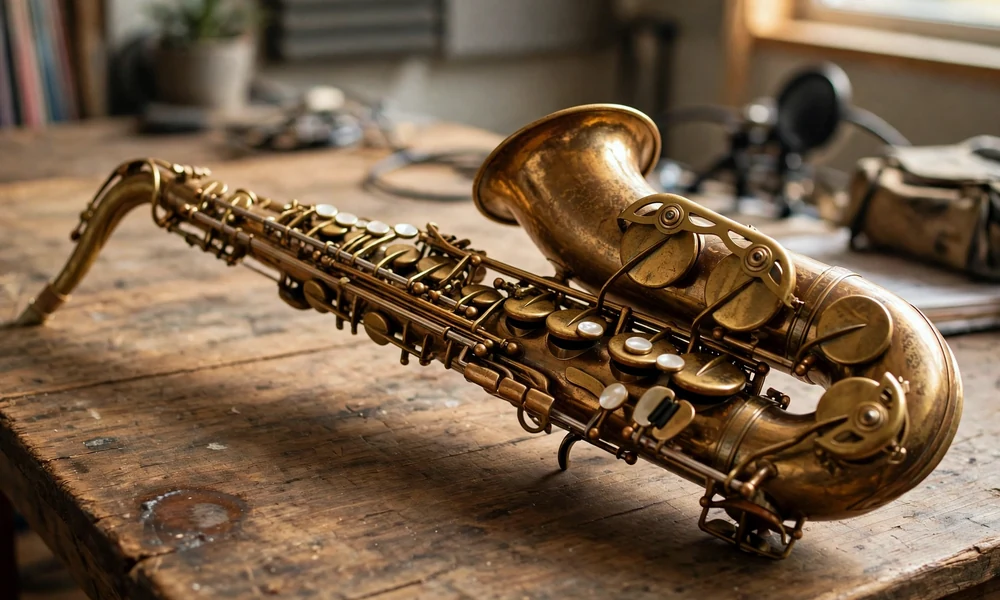
A saxophone is a brass wind instrument with a single reed, a curved body and a sound that can be warm, bright, mellow or loud, depending on who is playing it and how. It is the instrument of jazz clubs and school bands, of smooth ballads and loud solos, and it is one of the most expressive instruments a person can learn. A bad saxophone is hard to play, goes out of tune and leaks air, while a good one responds easily and rewards every hour of practice. The best saxophones of 2026 are the ones that make playing feel natural, whether the player is a beginner holding a horn for the first time or an experienced musician looking for a better sound.
What Makes a Saxophone Good
The first thing to judge is the sound. A saxophone should produce a warm, even tone from the lowest note to the highest, without notes that honk, squeak or disappear. The best saxophones have a consistent voice across the whole range, and they let the player shape the sound rather than fighting the instrument. A horn that sounds thin low down or shrill at the top will frustrate a player, however pretty it looks.
The second thing is the intonation. A saxophone must play in tune with itself and with other instruments, and the best horns do this without the player having to bend every note into place. A horn that is badly in tune will make ensemble playing miserable, and a beginner will blame their own playing when the instrument is the problem. A horn that plays in tune can be enjoyed from the first week.
The third thing is the mechanism. The keys should move smoothly and quietly, the pads should seal properly, and the action should feel light under the fingers. A saxophone with stiff keys or leaky pads will slow a player down and make fast passages impossible. The best saxophones have a mechanism that feels like an extension of the hands. Mechanism matters, because it is what the fingers live with every day.
The Main Types of Saxophone
The alto saxophone is the classic starting point. It is the most common saxophone in school bands, it is smaller and lighter than the tenor, and it has a bright, clear voice that suits jazz, classical music and pop. It is the best choice for most beginners, because it is easier to hold and to control. The trade-off is the range: the alto sits higher than the tenor, so it does not have the deep, rich voice some players want. For most people, the alto is the saxophone to buy first.
The tenor saxophone is the deep-voiced favourite. It is larger and heavier than the alto, and it has a warm, full sound that is the voice of jazz. It is the best choice for a player who loves that rich tenor sound, and it suits jazz, blues and rock. Many players move to tenor after starting on alto. The downside is the size: a tenor is harder for a small player to hold, and it costs more. For a player who wants the classic jazz sound, the tenor is the one that matters.
The soprano saxophone is the high, sweet-voiced member of the family. It is usually straight rather than curved, it plays an octave above the tenor, and it has a clear, penetrating sound that suits lyrical melodies. It is the best choice for a player who wants a second horn. The trade-off is the intonation: the soprano is famously hard to keep in tune, and it demands a steady embouchure. For a first saxophone it is not the one to buy, but for a second horn it is a joy.
The baritone saxophone is the big, bold bass of the family. It is large and heavy, it plays an octave below the alto, and it has a deep, powerful sound that anchors a saxophone section. It is the best choice for a player in a big band or a saxophone quartet, and it gives a section its weight. The downside is the size: a baritone needs a harness rather than a neck strap, and it costs much more than an alto.
Student saxophones are the affordable entry point. They are built to be sturdy, easy to play and cheap to repair, and they are the best choice for a beginner who is not yet sure the saxophone is for them. They suit a school band and a first year of lessons. The trade-off is the sound: a student horn will not have the richness of a professional instrument, and a serious player will outgrow it. For a beginner, though, it is the sensible place to start.

How to Choose the Right Saxophone
Start with the player, not the horn. A young beginner needs an alto that is light enough to hold, while an adult who loves jazz needs a tenor with a warm sound, and a player who already plays another wind instrument can choose by the music they want to make. A saxophone that does not match the player will sit in its case, however good it is. Match the horn to the player, and it will be played every day.
Then check the practical details. Try the horn before buying, because a saxophone that feels wrong in the hands will never feel right, however good it sounds. Check the weight: the horn should be comfortable to hold for a full practice session. Check the keywork: the keys should fall naturally under the fingers. And check the case: a good case protects the horn, and a horn that travels safely lasts longer. A saxophone that fails any of these tests will be a daily problem.
Think about the mouthpiece and the reeds as well. The mouthpiece that comes with a new saxophone is usually a basic one, and a better mouthpiece can transform the sound. A beginner should start with a soft reed and move up as the embouchure strengthens. Get the mouthpiece and the reeds right, and the horn will sound like itself.
The Best Saxophones of 2026
The best alto saxophone for most people this year is a student-friendly horn with a warm, even tone, smooth keywork and reliable intonation. It fits a beginner and a school band player, and it is the horn for a first year of lessons. It is the alto for most people, it stays in tune, and it is still playing well after a year of practice. For most people, this is the saxophone to buy.
The best tenor saxophone of 2026 is a horn with a rich, full voice, a solid mechanism and a sound that suits jazz and blues. It suits a player who loves the tenor sound and it makes a solo sing. It costs more than an alto, but the sound is worth it. For a player who wants the classic jazz voice, this is the saxophone that works.
The best soprano saxophone is a horn with a clear, sweet tone and a mechanism that helps keep it in tune. It costs more than a beginner expects, but for a second horn it is a delight. It is the saxophone for a lyrical player, it is the one that carries a melody beautifully, and it is the one that adds a new colour to a collection. For a player who wants a second horn, this is the saxophone to buy.
The best baritone saxophone of 2026 is a big horn with a deep, powerful voice and a mechanism that stays reliable under the weight of the instrument. It suits a big band player and anchors a section. It is heavy and it costs more, but for a section player it is essential. For a big band, this is the saxophone that matters.
The best budget saxophone of 2026 is a student alto, at a price that is less than a month of lessons. It is sturdy, it plays in tune, and it is genuinely useful. It will not have the refinement of a professional horn, and it will not have the richest sound, but for a first saxophone, or for a player who is not yet sure, it is all that is needed. Cheap does not have to mean unplayable, and this horn proves it.
What Else You Need
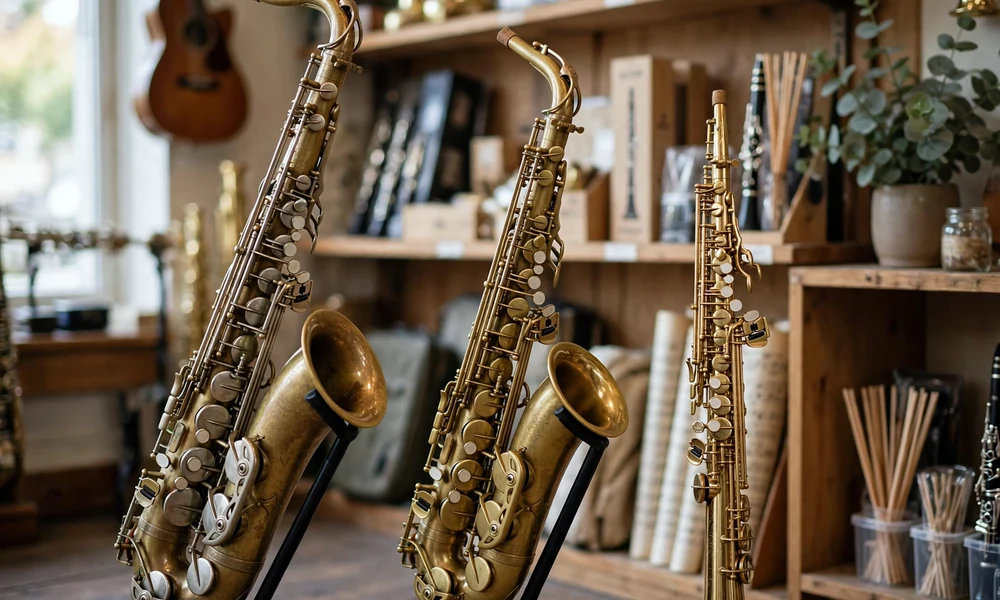
A saxophone sounds best with a little help from the rest of the band. A good trumpet beside it will give the section its brightness, and a clarinet will add a woody, mellow voice that blends beautifully with the saxophone. And a violin in the same ensemble will bring a singing line that lifts the whole group, so the saxophone is not carrying the melody alone. The horn is the voice; the trumpet, the clarinet and the violin are what make the ensemble complete.
Common Mistakes to Avoid
The biggest mistake is buying a saxophone that is too cheap. A very cheap horn will leak, go out of tune and frustrate the player, and a frustrated player stops playing. Spend enough to get a horn that plays in tune and seals properly, and the player will keep going. The second mistake is never having the horn serviced: pads wear out and corks dry up, and a horn that is never serviced slowly gets worse. A yearly service keeps it playing like new. The third mistake is using reeds that are too hard: a reed that is too hard makes the horn difficult to blow, and a beginner will think the horn is the problem. Start soft, and move up gradually.
Another common mistake is choosing a saxophone for its looks rather than its sound. A shiny horn that plays out of tune is a bad horn, however nice it looks. Choose the horn for its tone and its intonation first, and let the finish follow. And do not forget the case: a horn carried without a proper case will be dented, and a dented horn leaks. Keep the saxophone in its case, and it will last for years.
How Saxophones Fit a Musical Life
A saxophone is the simplest way to join a band. It gives a player a voice in a jazz group, a school band and a saxophone quartet. The horn is not just an instrument; it is a way into a community of players, and a good horn is the kind of thing that is only noticed when it is missing.
The habit also pairs naturally with a little routine. A quick swab of the inside after each session, a wipe of the outside once a week, and a check of the pads once a year will keep the horn playing and the sound sweet. It is a small amount of work for a large amount of pleasure, and it is the kind of routine that, once started, is hard to give up.
The Verdict
The best saxophone of 2026 is the one that matches the player. For most people that means a student-friendly alto with a warm tone and reliable intonation. For a jazz lover, a tenor with a rich voice is the better choice. For a second horn, a soprano with a sweet tone is the one that matters. Whatever the choice, try the horn first, check the intonation, and test the keywork before buying. A horn chosen this way will not just sit in its case; it will be played every day and grow with the player. And that is worth more than any horn on a shelf.