
A water heater is the quiet workhorse of a home. It sits in a corner, a cupboard or a garage, and it is only noticed when it fails, when the shower runs cold halfway through, or when the hot water runs out just as the washing up begins. A good water heater is steady, efficient and silent, giving hot water whenever it is needed without fuss, waste or worry. A bad one is noisy, slow, expensive to run, or too small for the household it serves. The best water heaters of 2026 are the ones that match the home they serve, heat water quickly, hold their temperature, and keep running costs down year after year.
What Makes a Water Heater Good
The first thing to judge is the recovery rate, which is how quickly a heater can heat a fresh tank of cold water after the hot water has been used. A heater with a slow recovery rate leaves the household waiting between showers, while a fast one is ready again in a short time. For a family that showers in the morning, one after another, recovery matters more than almost anything else. A good heater recovers quickly, holds its temperature well, and does not leave the last person in the queue standing under a cold shower.
The second thing is efficiency. A water heater runs every day of the year, so a small difference in efficiency becomes a large difference in running costs over time. The best heaters of 2026 are well insulated, so they lose very little heat while the water waits, and they heat only the water that is needed. A heater that wastes heat is a heater that wastes money, month after month, and the cheapest heater to buy is often the most expensive heater to own. Efficiency is worth checking before price, because it is the cost that keeps coming back.
The third thing is size, and it is the thing people get wrong most often. A heater that is too small runs out of hot water at the worst moment, while a heater that is far too large heats water nobody uses and wastes energy doing it. The right size depends on the number of people in the home, the number of bathrooms, and how hot water is used at the busiest time of day. A household with one bathroom and two people needs far less hot water than a household with three bathrooms and five people, and the heater should be chosen for the busy hour, not the quiet one.
The Main Types of Water Heater
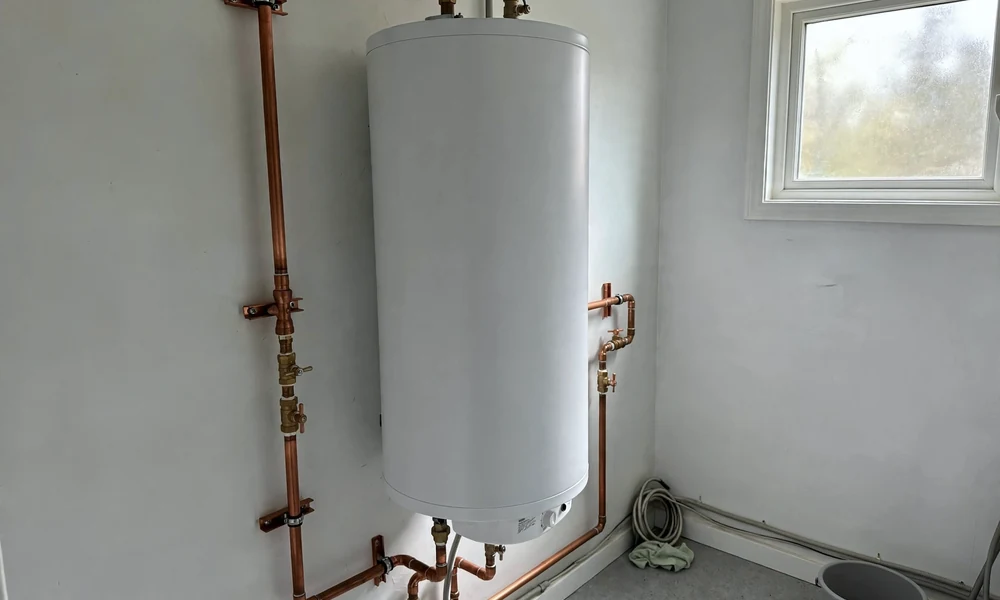
Storage tank heaters are the classic choice, and they are still the most common type in homes. They keep a large tank of water hot and ready, so hot water is available the moment a tap is turned on. They are simple, reliable and cheap to buy, and any plumber can fit and repair them. They suit most homes, and they are the easiest choice to live with. The trade-off is the size: a tank heater needs space, and once the tank is empty, the household must wait for it to heat again. For a home with steady, predictable hot water use, a storage tank heater is hard to beat.
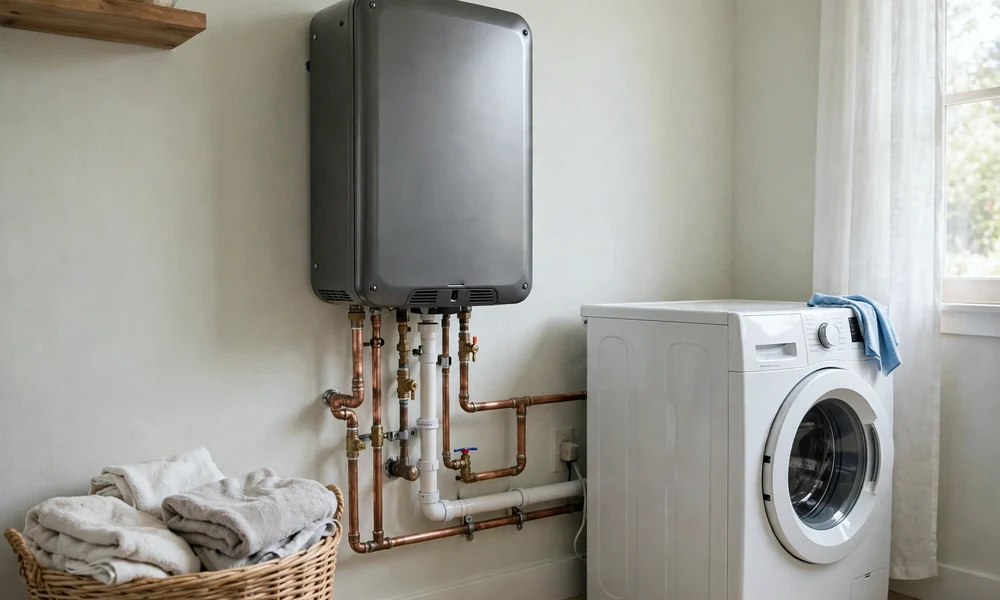
Tankless heaters, also called on-demand heaters, heat water only when a tap is opened, so there is no tank to keep hot and no hot water to run out. They are compact, they hang on a wall, and they can supply hot water for as long as it is needed. They suit a home where several people shower one after another, and they are the best choice for a household that often runs out of hot water. The downside is the cost: a tankless heater costs more to buy and fit, and it needs a strong gas supply or a large electrical supply to work well. For endless hot water in a smaller space, a tankless heater is the one to buy.
Heat pump water heaters are the efficient option. They move heat from the surrounding air into the water, rather than making heat from scratch, so they use far less electricity than a standard electric heater. They suit a home in a warm climate, or a garage or utility room that stays warm, and they are the best choice for a household that wants low running costs. The trade-off is the speed: a heat pump heater heats water more slowly, and it needs space and air around it to work. For low bills and a home that can give it room, a heat pump heater is the smartest choice.
Point-of-use heaters are the small, local option. They sit close to a single tap or shower, often under a sink or in a small bathroom, and they heat water just for that one place. They suit a distant bathroom, a garden room, or a kitchen that is far from the main heater, where hot water would otherwise take a long time to arrive. They are cheap, compact and quick, and they stop the waste of running a tap while waiting for hot water to travel through long pipes. The limit is the scale: a point-of-use heater serves one tap, not a whole home, so it is a helper rather than a main heater.
How to Size a Water Heater for Your Home
Sizing starts with the busiest hour, which is usually the morning. Count the showers, the baths, the washing machine and the dishwasher that run at the same time, and add up the hot water they need. A shower uses a good deal of hot water, a bath uses more, and a washing machine adds to the load. A heater that covers the busiest hour with a little to spare is the right size, while a heater that only just covers a quiet hour will fail on a busy morning. It is better to be a little generous than a little short, because running out of hot water is a daily annoyance.
Flow rate matters as much as tank size, especially for a tankless heater. A tankless heater is rated by how much hot water it can supply each minute, and that rating must cover the taps that run together. Two showers at once need twice the flow of one shower, and a heater that cannot keep up will deliver water that is warm rather than hot. The flow rate should be checked against the real household, not the brochure, and the coldest incoming water of winter should be used for the calculation, because a heater works hardest when the water coming in is coldest. A shower head also shapes how much hot water is used, and a good shower head can cut the flow without making the shower feel weak, which eases the load on any heater.
Energy, Fuel and Running Costs
The fuel a heater uses shapes its running costs more than its price tag. Gas heaters usually cost less to run than electric heaters in many homes, and they recover quickly, so they suit a busy household. Electric heaters are simpler to fit, they need no flue, and they suit a home without a gas supply. Heat pump heaters use the least electricity of all, but they cost more to buy. The right fuel is the one that is already in the home, or the one that is cheapest where the home stands, and switching fuels for the sake of a heater is rarely worth the cost of the change.
Water Quality and the Life of a Heater
Water quality shapes how long a heater lasts. Hard water leaves scale inside a tank and on the heating parts, and scale makes a heater work harder, heat more slowly, and fail sooner. A home with hard water should think about the water before blaming the heater, because the same heater lasts far longer in soft water than in hard water. Flushing a tank once a year clears the sediment that settles at the bottom, and that simple job keeps the heater efficient and extends its life by years.
A water filter can help, because it catches the sediment and particles that would otherwise settle in the tank and wear the parts. A good water filter protects the heater as well as the taps, and it keeps the water clearer for drinking and washing. In a home with very hard water, a softener goes further, removing the minerals that cause scale in the first place. A good water softener is a real investment in the heater, because a heater that never scales up heats faster, uses less energy, and lasts longer than one that is slowly choked by scale.
Installation and Safety
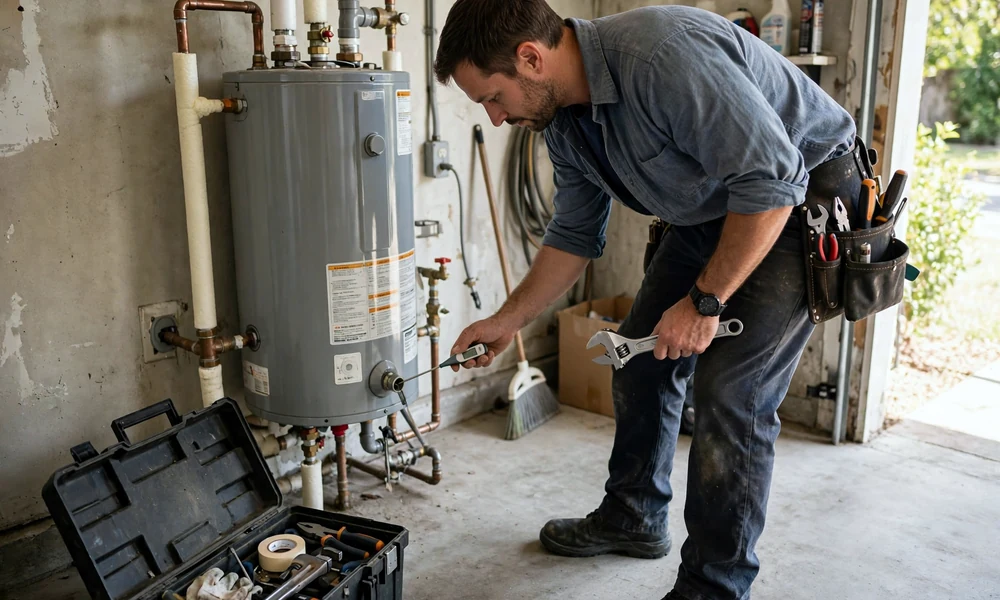
Installation is not a job to rush. A water heater deals with hot water, gas or high-power electricity, and pressure, so it should be fitted by a qualified person who knows the rules for the home. A badly fitted heater can leak, waste energy, or be unsafe, and a good fitting is worth paying for. The heater should stand level, with room around it for servicing, and with a drain nearby in case of a leak. A heater squeezed into a corner with no access is a heater that will not be serviced, and a heater that is not serviced is a heater that fails early.
Safety features matter, and they should be checked rather than assumed. A temperature and pressure relief valve is essential, and it should be tested now and then to make sure it still works. The thermostat should be set to a safe temperature, hot enough for a comfortable shower and for washing, but not so hot that it scalds. A thermostatic mixing valve at the shower or bath adds a further layer of safety, especially in a home with children or older people. Safety is not a feature to save money on, because the cost of getting it wrong is far higher than the cost of getting it right.
Maintenance That Keeps a Heater Going
A water heater needs little care, but it needs some. The anode rod, a small metal rod inside a tank heater, protects the tank from rust, and it wears away over time. Checking it every few years and replacing it when it is worn is the cheapest way to make a tank last, because a tank that rusts through cannot be repaired. The relief valve should be tested, the tank should be flushed, and the area around the heater should be kept clear. A heater that is looked after lasts years longer than one that is ignored, and the care it needs is simple and cheap.
The Best Water Heaters of 2026
The best water heater for a home is the one that fits the household, the fuel, the space and the water it will serve. For most homes, a well-sized storage tank heater is the safe, simple choice, reliable and easy to live with. For a household that often runs out of hot water, a tankless heater is the answer, giving endless hot water in a small space. For low running costs, a heat pump heater is the smartest buy, and for a distant tap, a point-of-use heater is the neat fix. Choose for the busiest hour, check the efficiency, think about the water, and have it fitted well. A water heater chosen that way will give hot water every day, quietly and cheaply, for many years.


