The best shower heads for small bathrooms 2026 are the ones that make a tight space feel generous instead of cramped. A compact fixed head, a slim handheld on a slide bar, or a low-profile rain head can turn a shower stall barely wider than your shoulders into the best part of your morning, while the wrong head leaves you ducking, splashing water over the curtain, and wondering why the room feels smaller every day.
Small bathrooms punish bad choices fast. A head that sticks out too far eats into elbow room, a wide rain head needs ceiling height you may not have, and a weak spray pattern feels worse when you cannot step back from it. Manufacturers now design specifically for compact spaces, with shorter arms, slimmer profiles, and spray patterns that cover well without flooding the floor.
This guide rounds up the shower heads that work best when square footage is short. Every pick below was chosen for its footprint, its spray quality, and how easily it fits a standard small-bathroom setup, so you can upgrade your shower without rebuilding your bathroom.
Key takeaways
- Compact fixed heads and slim handhelds are the safest choices for small bathrooms because they keep the spray close to the wall.
- Measure your ceiling height and the distance from the wall before buying, since a head that is too tall or too deep will crowd the stall.
- A handheld on a slide bar is the most flexible option, letting every household member adjust the height in seconds.
- Low-flow models with air-infusion technology feel stronger than their water use suggests, which matters in homes with modest pressure.
- Stick to standard half-inch fittings and check your existing arm before ordering, so installation stays a ten-minute job.
Why Size Matters More Than Spray Settings in a Small Bathroom
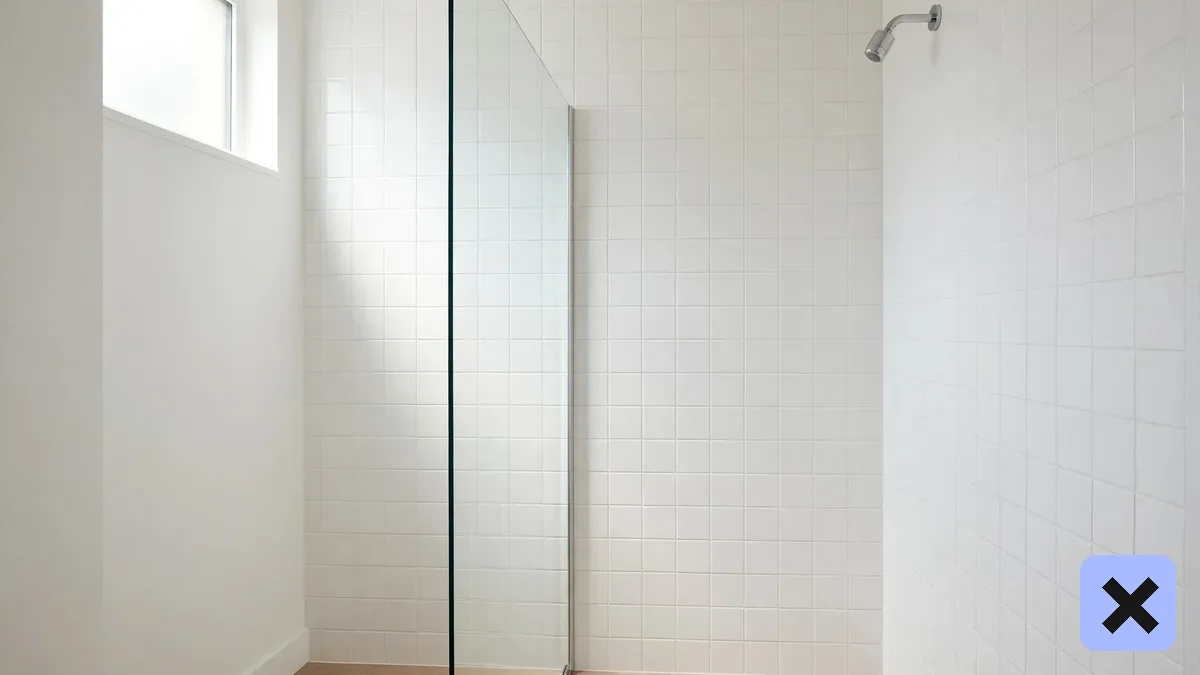
In a large bathroom, a shower head is mostly about spray. In a small one, it is about geometry first and spray second. The head, the arm, and the distance to the opposite wall decide whether you can turn around comfortably, whether water stays inside the stall, and whether the room still feels open when you step in.
A head that projects eight or ten inches from the wall can steal a surprising share of a thirty-inch stall, and shorter arms give that space back. Height matters too: a ceiling-mounted rain head needs clearance many small bathrooms do not have, while a wall-mounted head on a short arm usually sits at the right height without forcing anyone to duck.
The Best Shower Heads for Small Bathrooms in 2026
The picks below cover the main styles that suit compact spaces. Each one earns its place through a small footprint, reliable spray, and easy installation, and together they cover most budgets and bathroom layouts.
Best Overall: Compact Fixed Shower Head
A compact fixed head is the simplest upgrade for a small bathroom, and for most people it is the right one. It screws onto the existing arm in minutes, sits close to the wall, and delivers a steady, even spray without throwing water across the room.
Look for a face between three and five inches across, with silicone nozzles that let mineral deposits rub off with a fingertip. The best models use air-infusion chambers to make a modest flow feel full. If your home already struggles with weak flow, our guide to shower heads for low water pressure covers models built specifically for that problem.
Best Handheld: Slim Handheld on a Slide Bar
A slim handheld on a slide bar is the most flexible shower head a small bathroom can have. It works as a fixed head when docked, and it lifts off for rinsing hair, washing children or pets, and cleaning the stall itself.
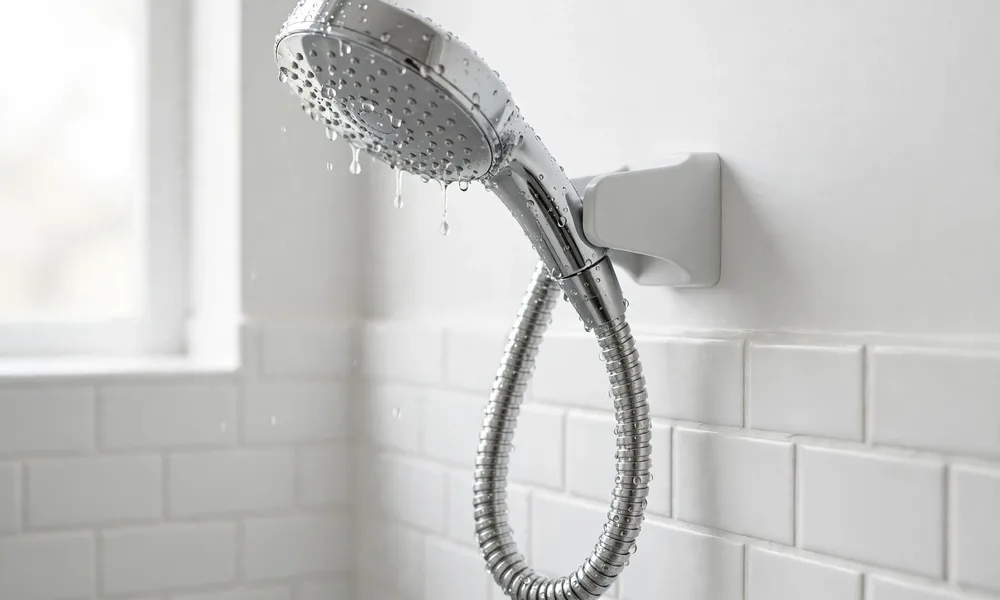
The slide bar lets each person set the height in seconds. Handhelds also keep water where it belongs, because you can aim the spray instead of letting it escape over the curtain.
Best Rain Head: Low-Profile Ceiling Rain Head
A low-profile rain head brings the spa feeling to a small bathroom without the bulk of a traditional rain shower. The thinnest models sit almost flush with the ceiling, so they do not steal headroom.
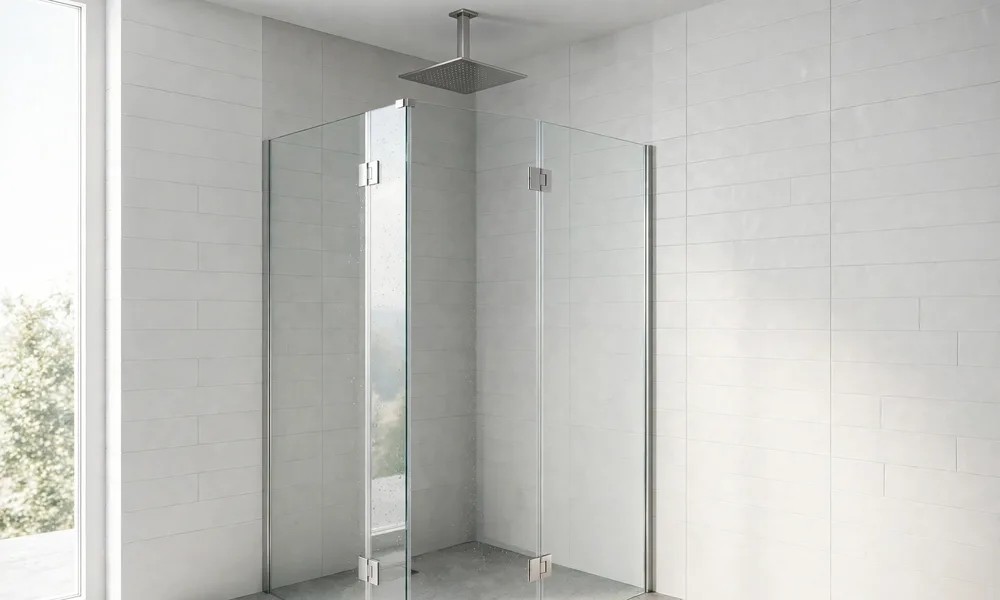
Ceiling height is the deciding factor: if your ceiling is under eight feet, a slim wall-mounted rain head on a short arm is usually safer. Rain heads also pair best with a good glass screen or a weighted curtain, because their wide spray can drift.
Best Budget Pick: Compact Multi-Spray Head
A compact multi-spray head gives you several spray patterns for the price of a basic fixed head, which makes it the best budget pick. Massage, rain, and mist settings let you switch between a brisk morning wake-up and a slow evening rinse.
Keep the face small: a four-inch face with three clear settings beats a six-inch face with six you will never use. Check the dial turns smoothly with wet hands, and favour stainless steel or solid brass over thin chrome-plated plastic.
Best for Low Ceilings: Short-Arm Wall-Mounted Head
Low ceilings are common in small bathrooms, especially in flats, lofts, and converted spaces. A short-arm wall-mounted head keeps the spray at a comfortable height without demanding vertical space the room does not have.
Mount the head so the spray starts a few inches above the tallest user, angled slightly downward.
Best Space Saver: Corner-Mounted Shower Head
A corner-mounted head is the cleverest space saver for a genuinely tiny shower. Sitting in the corner instead of the middle of a wall, it frees the centre of the stall for movement and keeps the spray tight and predictable.
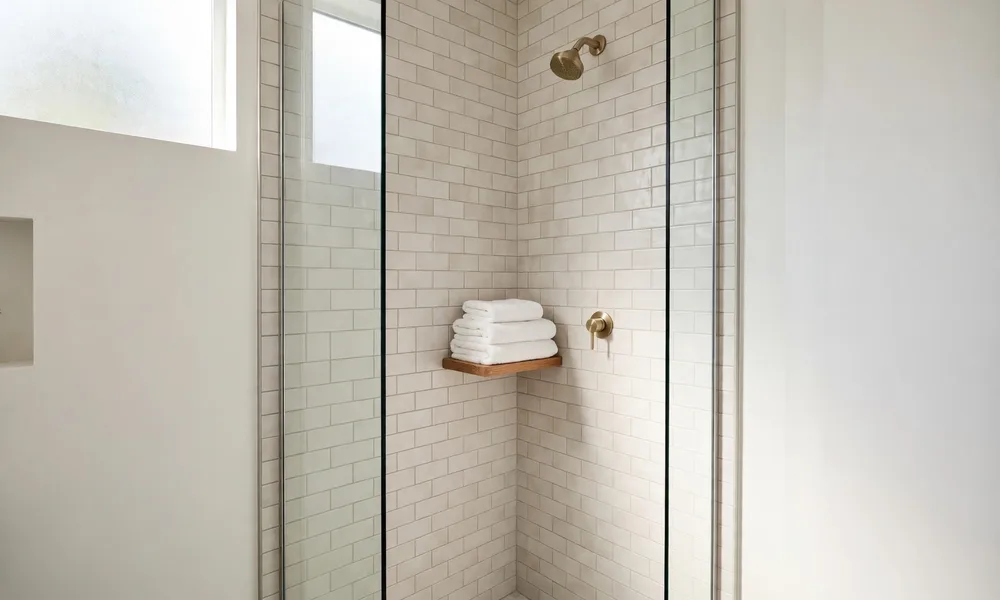
Corner heads work best in square stalls, where the diagonal spray reaches the bather evenly. Installation is slightly more involved than a straight swap, but most models use standard fittings. If you are planning a wider refresh, this is also the moment to think about the rest of the room, from shower curtains for small bathrooms to the floor beneath your feet.
Best Shower Heads for Small Bathrooms: Comparison Table
| Style | Best For | Footprint | Price Range |
|---|---|---|---|
| Compact fixed head | Most small bathrooms | Small | Low to mid |
| Handheld on slide bar | Families and flexibility | Small | Mid |
| Low-profile rain head | Spa feel, tall ceilings | Medium | Mid to high |
| Compact multi-spray | Budget buyers | Small | Low |
| Short-arm wall head | Low ceilings | Small | Low to mid |
| Corner-mounted head | Tiny square stalls | Smallest | Mid |
There is no single winner: a compact fixed head suits most rooms, a handheld wins for households with different heights, and a corner head is the answer when the stall itself is the constraint. Match the style to your room first.
How to Choose the Right Shower Head for a Small Bathroom
Measure the Stall and the Ceiling
Measure the width and depth of the shower area, the ceiling height, and the distance from the arm to the opposite wall or screen. Keep the numbers on your phone while you shop, and allow a few inches of clearance between the head and the screen when the water is running.
Match the Spray to Your Water Pressure
A wide rain head on weak pressure produces a sad drizzle, while a compact head with a pressure-boosting design can feel strong on the same supply. Low-flow heads rated around 1.5 to 1.8 gallons per minute are a smart default: they save water and use air mixing to keep the spray full.
Pick a Finish That Fits the Room
Chrome is the safe default because it matches almost any tap and is easy to clean. Brushed nickel hides water spots better, a real advantage where every mark is visible. Whatever finish you choose, match it to the taps and screen hardware, since a small room shows mismatched metals instantly.
Check the Fitting Before You Order
Almost all shower heads use a standard half-inch thread, but older homes and some imported fittings can differ. Check the thread on your existing arm, and confirm the new head includes an adapter, a washer, and thread tape. A bent or corroded arm should be replaced at the same time.
Small Bathroom Shower Checklist
- Measure the stall width, depth, and ceiling height, and keep the numbers with you while shopping.
- Confirm the existing arm uses a standard half-inch thread and is solid, not loose or corroded.
- Choose a head face between three and five inches across for a compact stall.
- Check your water pressure and pick a spray design that suits it, not one that fights it.
- Make sure the screen or curtain can contain the spray pattern you are buying.
- Keep the hose, if you choose a handheld, long enough to reach every corner but short enough to stay off the floor.
Installation Tips That Save Space
Most shower heads for small bathrooms install in under fifteen minutes with an adjustable spanner and some thread tape. Wrap the tape clockwise around the arm thread, screw the head on by hand until snug, then give it a quarter turn with the spanner and check for drips.
If you are fitting a slide bar, position the dock at shoulder height for the shortest regular user, and drill into tile with a proper tile bit to avoid cracks. A small corner caddy keeps bottles off the floor and out of the spray.
Mistakes to Avoid in a Small Bathroom
The most common mistake is buying the biggest head you can afford. A wide rain head in a narrow stall wastes water, soaks the room, and leaves you standing in a puddle. Smaller is not a compromise here; it is the right choice for the space.
The second mistake is ignoring the enclosure. A powerful head with a short curtain or a half-width screen will spray water onto the floor every morning. The same thinking applies to the rest of the room, including the bath mats for small bathrooms that catch the water your shower head inevitably lets escape. Finally, run the extractor fan during and after every shower, and wipe the screen down weekly to keep mould at bay.
Frequently Asked Questions
What size shower head is best for a small bathroom?
A face between three and five inches across suits most small bathrooms. It covers the body comfortably without throwing spray onto the walls or floor.
Are rain shower heads good for small bathrooms?
They can be, if the ceiling is high enough and the head is low-profile. In rooms with ceilings under eight feet, a slim wall-mounted head usually works better.
Is a handheld shower head better than a fixed head in a small bathroom?
For most households, yes. A handheld on a slide bar adjusts to every height, aims the spray where you want it, and makes cleaning the stall easier. A fixed head is simpler and cheaper, but it cannot match that flexibility.
What flow rate should I look for?
A flow rate of 1.5 to 1.8 gallons per minute is a good default. It saves water, keeps the floor drier, and still feels strong when the head uses air-infusion technology.
Can I install a new shower head myself?
Yes, in most cases. A straight swap takes about ten minutes with an adjustable spanner and thread tape. Fitting a slide bar or a corner head takes longer and needs a drill, but it is still straightforward.
How do I stop water spraying out of a small shower?
Choose a head with a focused spray pattern, keep the head close to the wall, and make sure your screen or curtain fully contains the stall. A weighted curtain hem stops water escaping underneath.
The Bottom Line
The best shower heads for small bathrooms 2026 prove that a tight space is no excuse for a poor shower. Measure your stall, pick a compact head that suits your pressure and ceiling height, and let the right spray pattern do the work. Get those three decisions right and your small bathroom will feel bigger, drier, and far more enjoyable every morning.