The best sleep masks for side sleepers in 2026 are built differently from the flat masks most people know. A side sleeper presses one cheek into the pillow all night, and a standard mask slides, bunches, or digs into the eye the moment the head turns. A mask made for side sleeping solves this with a contoured eye cup, a low-profile strap, and a shape that stays flat against the face even when half of it is pressed into a pillow.
Side sleeping is the most common sleep position. It can ease snoring, reduce acid reflux, and keep the spine in a more natural line than sleeping on the stomach. It also creates a specific challenge: the pillow pushes against the mask from one side, so the seal has to hold without hard edges. The best designs use a raised, cupped eye area, a wide strap, and a nose bridge that blocks light without pinching.
This guide compares the best sleep masks for side sleepers in 2026, from contoured memory foam masks to light silk styles and 3D cupped designs. Every pick is judged on light blocking while lying on one side, whether the eye cups press on the eyelids, strap comfort against a pillow, breathability, washability, and how well the mask travels. You will also find a comparison table, a buying checklist, and answers to the questions side sleepers ask most.
Key takeaways
- Contoured and 3D cupped masks are best for side sleepers because they keep pressure off the eyes when the pillow pushes against the mask.
- A wide, flat, adjustable strap stays in place far better than a thin elastic band when you turn over at night.
- Look for a flexible nose bridge and soft side wings that seal out light without digging into the cheek.
- Breathable fabrics such as silk, bamboo, and lightweight cotton prevent heat and sweat under the mask.
- Choose a washable mask with a secure fit, and test it lying on your side before taking it on a trip.

Why Side Sleepers Need a Different Sleep Mask
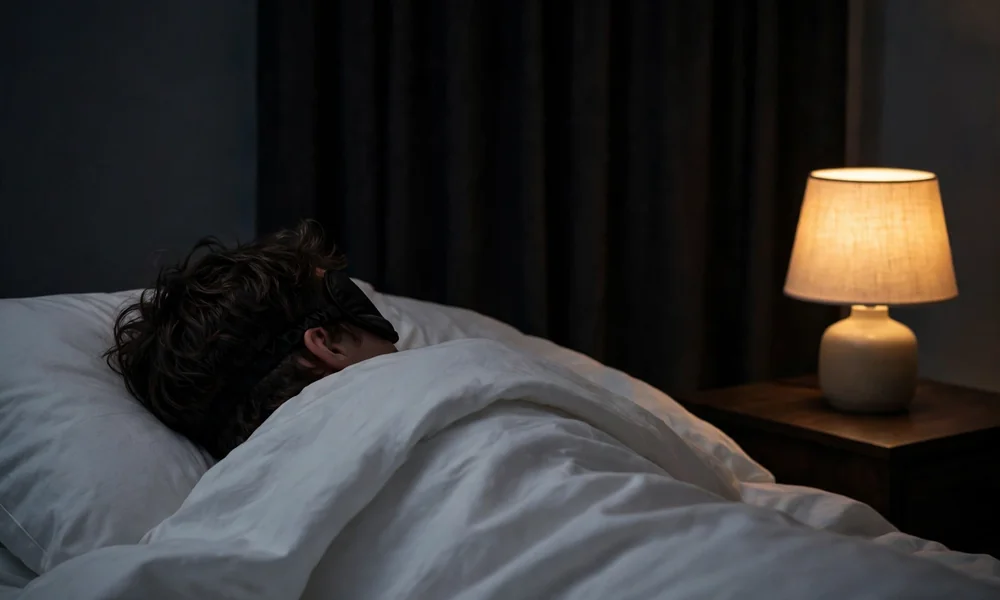
Most sleep masks are designed for someone lying on their back. The mask sits evenly, the strap rests flat, and nothing presses against it from the side. Turn onto your side and the picture changes: the pillow pushes against the mask, and a flat mask can fold, lift away from the nose, or press straight onto a closed eyelid.
Pressure is the biggest problem. A flat mask squeezed between face and pillow transfers that pressure to the eye, causing discomfort and dryness by morning. Contoured masks raise the fabric in a shallow dome that holds its shape, so the pillow pushes on the mask rather than on the eye. A wide strap also helps, while a thin elastic band digs in or slides upward. Finally, soft side wings and a mouldable nose bridge close the gaps that open when the face is pressed sideways.
What to Look for in a Sleep Mask for Side Sleeping
Start with shape. A contoured or 3D cupped design is almost always the right call, because it is the only shape that reliably keeps fabric off the eyes under sideways pressure. Flat silk masks can work for back sleepers and short naps, but for a full night on your side, the cupped design wins.
Eye Cup Depth and Shape
Eye cup depth is the distance between the fabric and your closed eyelid. The sweet spot for most side sleepers is around ten to fifteen millimetres, with a smooth, rounded interior. If you can blink freely without your lashes brushing the fabric, the depth is right.
Strap Comfort and Adjustability
The strap is the part you feel most when you sleep on your side. A wide strap of at least two centimetres spreads pressure and resists rolling, while a narrow elastic cord is most likely to slip or dig in. Adjustable straps are worth the extra cost. A buckle at the back of the head can press into the pillow, so choose a mask with the adjustment at the side or a smooth low-profile slider.
Fabric and Breathability
Fabric decides whether the mask stays comfortable for eight hours or becomes hot and damp by midnight. Silk feels smooth and is gentle on the skin around the eyes; mulberry silk is the highest grade. Bamboo breathes well and wicks moisture, which helps if you sleep warm. Memory foam moulds to the face and blocks light very well, but it can trap heat, so look for ventilation channels or a breathable cover.
Light Blocking and the Nose Bridge
A sleep mask only works if it blocks light completely, and the nose is where most masks fail. The best masks use a padded, flexible nose bridge that can be pressed gently to match your nose. Side wings help too: soft extensions that lie flat against the temples and cheeks, closing the gaps that open when the face is pressed sideways.
Best Sleep Masks for Side Sleepers 2026: Comparison Table
The table below compares the main types of sleep mask a side sleeper will meet in 2026. Use it to narrow the choice to one or two types, then pick a specific mask within that type based on fit, fabric, and price.
| Mask type | Best for | Light blocking | Side-sleep comfort | Breathability | Price range |
|---|---|---|---|---|---|
| Contoured memory foam | Full nights, light sleepers | Excellent | Excellent | Moderate | Mid to high |
| 3D cupped silk | Comfort, sensitive skin | Very good | Excellent | Good | Mid to high |
| Flat silk | Naps, back sleepers | Good | Fair | Excellent | Low to mid |
| Lightweight cotton | Hot sleepers, easy washing | Good | Good | Excellent | Low to mid |
| Bamboo cupped | Warm rooms, sensitive skin | Very good | Very good | Excellent | Mid |
| Travel contoured | Flights, hotels, naps | Very good | Very good | Good | Low to mid |
Contoured memory foam and 3D cupped silk sit at the top for side sleepers. Both keep fabric away from the eyes and seal well at the nose. Foam feels plush and secure but warmer, while silk feels cool and smooth. Bamboo cupped masks split the difference and are a strong pick if you sleep warm.

Contoured Memory Foam Masks: The Side Sleeper Favourite
Contoured memory foam masks are the most popular choice for side sleepers in 2026. The foam holds a cupped shape that does not collapse under the pillow, the wide strap stays put, and the light blocking is usually total. The pillow presses on the shell, not on the face.
3D Cupped Silk and Bamboo Masks
Silk and bamboo masks with a 3D cupped design offer the comfort of a natural fabric with the eye protection of a contoured shape. The mask stays light and breathable while holding the fabric away from the lashes. Silk glides against the pillow instead of gripping it, which helps the mask stay in place when you turn over.
Sleep Masks for Travel and Flights
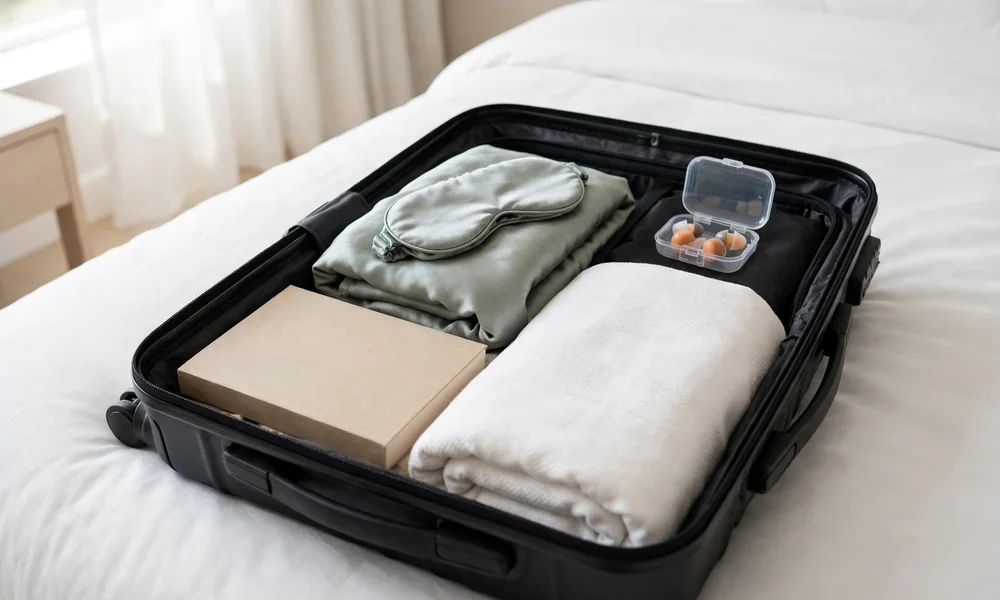
Side sleepers who travel need a mask that works in a plane seat, a hotel room, and a car. A travel mask should be light, packable, and quick to put on in the dark. The best contoured travel masks fold flat or roll up without losing their cupped shape, and they come with a small pouch that keeps them clean in a bag.
On a flight, a side sleeper usually leans against the window or a travel pillow, which pushes the mask from one side just as a pillow does at home. For a complete travel sleep kit, pair your mask with a supportive neck pillow, and our guide to the best neck pillows for flights explains which shapes work best for side leaners. A soft travel blanket helps too, and the best travel blankets for airplanes are light enough to pack. If you are choosing a mask mainly for travel, look at the best sleep masks for travel to compare packable designs with the side-sleeper styles in this guide.
How to Fit a Sleep Mask for Side Sleeping
Put the mask on while sitting up and adjust the strap until it feels snug but not tight. You should be able to slide one fingertip under the strap without forcing it. If the strap leaves a deep mark within a few minutes, it is too tight, and loosening it slightly will usually improve both comfort and light blocking, because an over-tight mask distorts and gaps at the edges.
Care, Washing, and When to Replace Your Mask
A sleep mask sits against the skin around your eyes for hours every night, so keeping it clean matters. Most silk and cotton masks can be hand washed in cool water with a mild detergent, then rinsed well and dried flat out of direct sunlight. Avoid hot water and harsh detergents, which can damage silk and fade colours. Foam masks should usually be spot cleaned, with the removable cover washed separately according to its label.
Side Sleeper Sleep Mask Checklist
Use this checklist when you shop, so you can compare masks quickly and avoid buying one that looks good but fails on the side.
- Contoured or 3D cupped eye area that keeps fabric off the eyelids and lashes.
- Wide, flat, adjustable strap with no hard buckle at the back of the head.
- Flexible nose bridge or padded nose panel that seals out light at the nose.
- Soft side wings that close gaps at the temples and cheeks when you lie sideways.
- Breathable fabric such as silk, bamboo, or lightweight cotton that stays cool all night.
- Washable design with a removable cover or gentle hand-wash care, plus a carry case for travel.
Frequently Asked Questions
Are contoured sleep masks really better for side sleepers?
Yes. A contoured or 3D cupped mask holds its shape when the pillow presses against it, so the fabric stays off the eyes and the light seal holds. A flat mask is more likely to fold, gap, or press on the eyelid.
Will a sleep mask press on my eyes and cause problems?
A well-fitted contoured mask should not press on your eyes at all, because the cups leave a gap over the eyelids. A flat mask pressed between face and pillow can cause discomfort or dryness. If a mask leaves your eyes sore, try a deeper cupped design.
What is the best fabric for a side sleeper sleep mask?
Silk is the best all-round fabric for comfort, especially mulberry silk. Bamboo is best if you sleep warm, because it breathes and wicks moisture. Memory foam gives the best structure and light blocking but can feel warmer.
How do I stop my sleep mask slipping off at night?
Slipping is usually caused by a strap that is too loose, too narrow, or too slippery. Switch to a wide, adjustable strap, set it snug but not tight, and make sure the adjustment sits at the side. A contoured shape also grips the face better than a flat one.
Can I wear a sleep mask with eyelash extensions?
Yes, and a contoured mask is the best type for it. The deep eye cups keep the fabric away from the lashes, so extensions are not bent or rubbed. Look for cups at least ten millimetres deep.
How often should I replace my sleep mask?
Replace a fabric mask every six to twelve months with nightly use, and a foam mask every twelve to eighteen months. Replace it sooner if the strap has stretched, the cups have flattened, or light starts leaking in at the edges.
The Bottom Line
The best sleep masks for side sleepers in 2026 are contoured, cupped designs with a wide adjustable strap, a flexible nose bridge, and a breathable fabric. Memory foam leads for structure and light blocking, 3D cupped silk leads for comfort, and bamboo is the best pick if you sleep warm. Test any mask lying on your side, keep the strap snug rather than tight, and wash it regularly.