Top Smart Rings for Sleep, Fitness and Everyday Health in 2026
The best smart rings in 2026 do something no watch can quite match: they disappear. A smart ring is a small band of sensors that sits on your finger all day and all night, quietly tracking your sleep, heart rate, temperature and activity, without a screen demanding your attention.
Choosing the right ring is trickier than it looks. Some need a monthly subscription before they show your own data properly, some work fully without one, and some are built for sleep while others suit training better. Sizing is another trap: a loose ring gives patchy readings, and a tight one annoys you by the second night. This guide compares the best smart rings of 2026 by sleep accuracy, comfort, battery life, subscription costs and how honest the daily scores are.
Key Takeaways
- The best smart ring for most people fits well, lasts at least four days on a charge, and shows sleep and recovery clearly.
- Always use the free sizing kit first: fingers swell in heat and shrink in cold, so a size that feels right at noon can feel wrong at night.
- Sleep tracking is where smart rings beat watches, because a ring is light enough to wear every night without waking you.
- Check the subscription cost before you buy, because some rings cost little up front and then charge every month for the scores that matter most.
- A smart ring is a trend tracker, not a medical device: it shows patterns over weeks well.
What a Smart Ring Actually Does
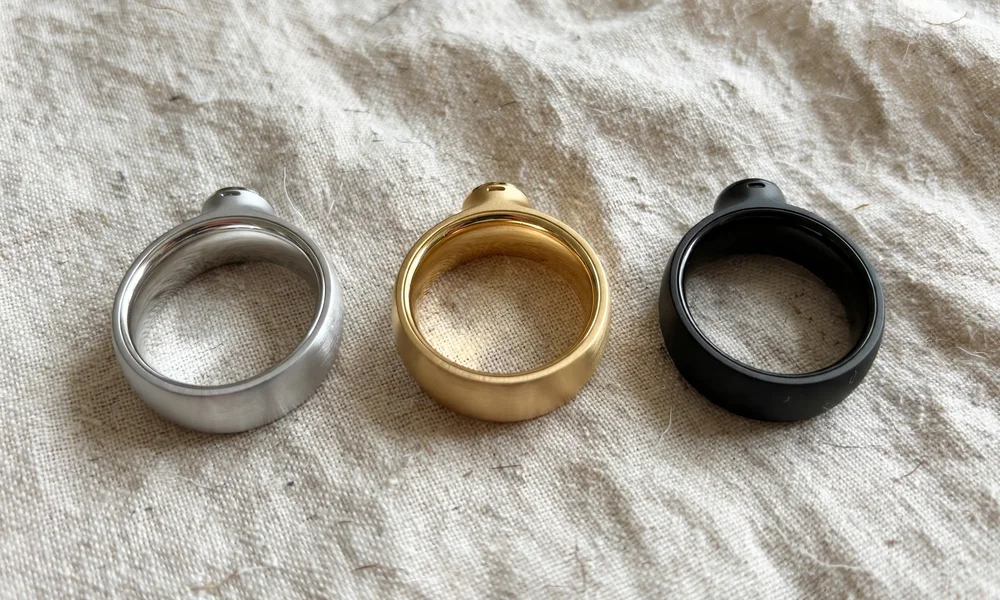
A smart ring packs tiny sensors into its inner surface: light sensors that watch blood flow through your finger, a temperature sensor, and a motion sensor that notices when you move, walk or sleep. These sensors pick up heart rate, heart rate variability, blood oxygen trends, temperature changes and sleep stages. The ring has no screen, so everything it learns goes to an app on your phone, where it becomes a sleep score, a readiness score and a set of gentle trends.
That screen-free design shapes the whole experience. There are no notifications buzzing on your finger and nothing to charge every night. Most rings last four to seven days on a charge and take about an hour to top up. The trade-off is that a ring cannot show the time, take a call or pay for coffee. If you want a device that does everything, a watch is still the better tool, and our guide to the best smartwatches of 2026 covers that side of the choice.
How We Judged the Best Smart Rings
We judged every ring on the things that decide whether you still wear it in month three. Sleep tracking came first: how consistently it recorded the night and whether its stages lined up with how rested you felt. Battery life, charging time and water resistance followed, and we counted the full two-year cost, subscription included, rather than just the price on the box.
Smart Rings Compared at a Glance
| Ring type | Best for | Battery life | Subscription | Standout strength |
|---|---|---|---|---|
| Premium subscription ring | Deep sleep and recovery insight | 4–7 days | Monthly fee | Most polished app and scores |
| No-subscription ring | Simple tracking, no ongoing cost | 5–7 days | None | Best long-term value |
| Sport-focused ring | Training and workout recovery | 4–6 days | Optional | Strongest activity and strain scores |
| Budget ring | Trying the category cheaply | 3–5 days | Usually none | Lowest price, solid basics |
| Slim everyday ring | All-day comfort and discreet wear | 5–8 days | None or optional | Lightest feel, longest battery |
The Best Smart Rings of 2026
The Premium Subscription Ring: Best for Deep Sleep Insight
The premium subscription ring offers the most refined app, the clearest sleep staging and the most thoughtful readiness score in the category. Each morning it gives you a sleep score and a readiness score, then explains them in plain sentences — what dragged your sleep down, whether your temperature or heart rate was unusual, and whether today is a day to push or to ease off. The catch is the subscription: the ring is already one of the priciest, and the monthly fee unlocks the detailed trends that make it worth owning. Over two years, that fee can add up to more than half the ring’s price again.
The No-Subscription Ring: Best Overall Value
The no-subscription ring is our pick for most buyers, because it removes the one thing that quietly ruins the smart ring experience: the feeling of renting your own data. You pay once, and every score, trend and report in the app is yours — sleep stages, readiness, heart rate variability and temperature trends, with no monthly bill and no locked features. The hardware is strong too, with a tough titanium shell, a comfortable rounded inner profile, and a battery that usually stretches to six or seven days. The app is plainer than the premium option’s, but the gap is small.
The Sport-Focused Ring: Best for Training and Recovery
The sport-focused ring is built for people who train hard and want to know how their body is coping. Where other rings lead with sleep, this one leads with strain: it weighs your workouts, your heart rate during exercise and your recovery signals, then tells you whether today is a day for intervals, an easy session or full rest. If your main question each morning is “how hard can I train today?” this is the ring to buy, and our roundup of the best fitness trackers of 2026 is worth a look if you want workout detail a ring cannot give.
The Budget Ring: Best for Trying Smart Rings Cheaply
The budget ring exists for one honest reason: plenty of people are curious about smart rings but do not want to spend several hundred pounds on a category they have never tried. A good budget ring covers the basics well — nightly sleep duration, resting heart rate, step counts and a simple readiness hint — in a plain, lightweight band that charges in about an hour. It answers the core question: do you actually enjoy wearing a tracker on your finger? Check that the app has no hidden subscription, that the ring is properly water resistant, and that replacement chargers are easy to buy.
The Slim Everyday Ring: Best for Comfort and Discreet Wear
The slim everyday ring is the thinnest and lightest of the group, and that matters more than any spec sheet suggests. It is the ring for people with smaller fingers, people who type all day, people who wear gloves at work, and anyone who tried a chunkier ring and found it catching on pockets and sleeves. The compromise is small: expect around five days of battery rather than seven, and broader temperature and oxygen trends than the premium rings’ readings.

Getting the Size Right
Sizing is the single most important step in buying a smart ring, and it is the one most people rush. A ring that is too loose slides around, lets light leak into the sensors, and produces patchy heart rate data. A ring that is too tight feels fine at your desk but becomes uncomfortable overnight, when fingers swell slightly, and discomfort is the fastest route to taking the ring off. Use the free plastic sizing kit, and wear the dummy for at least 24 hours, including overnight, before you order.
Subscriptions: The Hidden Cost to Check First
The smart ring market splits cleanly into two camps, and the split matters more than any feature list. In one camp, the ring is the whole purchase: you pay once and the app shows you everything. In the other, the ring is only the entry ticket, and a monthly subscription unlocks the detailed scores, the long-term trends and the personalised advice. A ring that keeps your history readable even without a subscription is a far safer buy than one that holds your own health data hostage to a monthly fee.
Smart Ring vs Smartwatch: Which Should You Choose?
The honest answer is that they solve different problems. A watch is a small computer: it shows notifications, runs apps, tracks workouts with GPS, and takes calls from your wrist. A ring is a quiet observer: it tracks sleep and recovery better, because it is lighter and less distracting in bed, but it shows you nothing and does almost nothing in the moment.
Before You Buy: A Quick Checklist
- Order the free sizing kit first and wear the dummy ring for a full day and night before choosing a size.
- Add up the two-year cost, including any subscription, and compare rings on that total, not the box price.
- Check the battery life in real reviews, not just the maker’s claim, and make sure a full week is realistic.
- Confirm the ring is water resistant enough for swimming and showering, not just hand washing.
- Read the app reviews for your phone type, since some rings work far better on one platform than the other.
- Check the returns policy: you need at least two weeks of nightly wear to know if the size and the scores suit you.
Frequently Asked Questions
Are smart rings accurate for sleep tracking?
For total sleep time, sleep timing and resting heart rate, good smart rings are consistent and useful. Sleep stage breakdowns — light, deep and REM — are estimates based on heart rate, movement and temperature, and they are less precise than a clinical sleep study. Treat the stages as a helpful pattern over weeks, not an exact nightly record.
Do I need a subscription to use a smart ring?
It depends on the ring. Some rings include everything in the purchase price, while others charge monthly for detailed scores and trends.
Can I wear a smart ring while swimming or showering?
Most good smart rings are water resistant to at least 50 metres and are fine for swimming, showering and washing up. Check the maker’s rating before you buy.
Will a smart ring replace my fitness watch?
Not for detailed workouts. A ring cannot track GPS routes, show live pace, or display your heart rate mid-run. It is better at sleep and recovery, and many people wear both. If you only run occasionally, a ring plus your phone may be enough.
How long does a smart ring battery last?
Most smart rings last four to seven days on a charge, depending on how often the sensors sample and how many features you use. Charging usually takes about an hour, so a quick top-up while you shower once or twice a week is enough to keep most rings going.
Is a smart ring worth it if I already sleep well?
Even good sleepers get value from the trends: a ring shows how late meals, alcohol, illness or a stressful week change your sleep and recovery before you feel it yourself. If you never look at the data, though, any tracker is wasted money — the value is in the habit of checking, not the hardware alone. For a gentler start, a sleep app on the phone you already own can be a useful trial, and our guide to the best sleep apps of 2026 covers the strongest options.
The Bottom Line
The best smart rings in 2026 are the ones you forget you are wearing. For most people, that means a no-subscription ring with a comfortable fit, a week of battery and clear sleep and readiness scores — insight without the ongoing bill. If you want the most polished sleep analysis and you will read it every morning, the premium subscription ring is worth its fee. Whichever you choose, get the size right first, count the true two-year cost, and give it a full month of nightly wear before you judge it. The ring that stays on your finger is the one that works.