
A good steam iron is the difference between a shirt that looks pressed and one that only looks as if it has been near an iron. The best steam irons for crisp clothes in 2026 do not rely on force. They use heat and steam to relax the fibres, so a single slow pass leaves cotton smooth, linen flat and wool neat, without scorching, shine or damp patches. When the iron works well, ironing takes minutes and the result lasts all day. When it does not, you press the same crease three times and the collar still will not sit flat.
This guide explains how to choose a steam iron that suits the clothes you actually wear: the types on sale, how much steam you need, which soleplate glides best, how temperature settings protect delicate fabric, and how to look after the iron so it still steams well in its third year. There is no single best iron for everyone. Someone who irons a basket of school uniforms every Sunday needs something different from someone who presses one work shirt before breakfast.
Key Takeaways
- Steam does the work, not pressure: a strong, steady flow relaxes creases so one slow pass is enough.
- A smooth soleplate saves time and protects clothes: ceramic glides well on most fabrics, while stainless steel holds heat for heavy linen and cotton.
- Match the iron to your load: a standard steam iron suits most homes, a steam generator suits large baskets.
- Accurate temperature control matters more than extra features: the wrong heat scorches synthetics and leaves shine on dark wool.
- Look after the iron and it looks after your clothes: use the right water, empty the tank after use, and clean the soleplate regularly.
What a Steam Iron Actually Does
A steam iron is a heated plate with holes that release steam into the fabric as you press. The heat softens the fibres, the steam relaxes them, and the weight and glide of the plate smooth them flat as they cool. That is what separates it from a dry iron, which relies on heat and pressure alone, and from a garment steamer, which relaxes wrinkles but never presses a sharp crease. If you want a crisp collar or a pleat that stays put, you need the plate as well as the steam.
The parts that matter are the soleplate, the steam system, the temperature control and the water tank. The soleplate is the face that touches the cloth. The steam system turns water into a steady flow, plus a burst for stubborn folds. The temperature control sets the heat, from cool for synthetics to hot for linen, and the tank size decides how much you can iron before refilling.
The Main Types of Steam Iron
Most homes need a standard steam iron. It holds its water in a tank built into the body, heats in about a minute, and is light enough for a full basket without aching wrists. Standard irons suit cotton shirts, school uniforms, linen dresses and everyday trousers, and store easily on a shelf. They suit anyone who irons once or twice a week.
A steam generator iron has its boiler in a separate base unit connected by a hose, and it produces far more steam for far longer than a standard iron. It suits families, heavy linen and large baskets, though the whole unit is bulkier to store and costs more. A cordless iron heats on a charging base and lifts free for each pass, which suits people who hate the cord catching on buttons, though it needs regular reheating. A travel iron is small and light, useful for holidays, but it holds little water and suits one or two garments rather than a basket.
| Type | Best for | Steam | Drawback |
|---|---|---|---|
| Standard steam iron | Most homes, weekly ironing | Strong, steady | Tank needs refilling on big loads |
| Steam generator | Large baskets, heavy linen | Very strong, long lasting | Bulky to store, higher price |
| Cordless iron | People who dislike cords | Good in short bursts | Needs reheating between passes |
| Travel iron | Holidays, small flats | Light, occasional | Small tank, less power |

Steam Power: How Much Do You Need?
Steam output is given in grams per minute, and it is the number worth reading before you buy. An iron that delivers around forty grams a minute will handle a cotton shirt in one pass. Below about twenty-five grams a minute, you will press the same crease twice and the iron will feel slow on linen. The steam burst should relax a crease in a cuff or pleat without soaking the fabric.
Just as important is whether the steam stays steady. Cheap irons often start strong and fade as the tank empties, so the first shirt irons well and the fifth does not. A good iron keeps the steam even from the first garment to the last. When you test one, listen for an even hiss: the steam should flow smoothly, not spit droplets onto clean fabric.
Soleplates: What Glides Best
The soleplate is the part your clothes actually touch, and its material decides how easily the iron moves. Ceramic soleplates are the safest all-round choice. They glide smoothly over cotton, linen and synthetics, spread heat evenly, and resist scratches from zips and buttons. A ceramic plate is the best pick if you iron a mix of fabrics.
Polished stainless steel soleplates hold their heat better and power through thick fabric without cooling down mid-pass, which suits heavy cotton and linen. Non-stick coated plates feel slick when new, but the cheapest coatings scratch and peel within a year, and a scratched soleplate drags on fabric and leaves marks. Whatever the material, look for a pointed tip that reaches into pleats and around buttons, and steam holes spread evenly across the whole plate.
Temperature Settings and Fabric Care
Different fabrics need different heat, and the iron must hold the temperature you choose. Cotton and linen take high heat and plenty of steam. Wool needs medium heat and a pressing cloth to prevent shine. Silk and synthetics need low heat, because too much will melt or scorch them in seconds. An iron with clear, accurate settings protects your clothes far better than one with a vague dial that drifts hotter than it claims.
The practical rule is simple: sort the ironing by temperature, start with the coolest fabrics and work up to the hottest, and test a new setting on an inside seam first. Iron dark clothes inside out to avoid shine, and use a pressing cloth on wool and silk. A good iron heats up fast, holds its temperature, and stands safely on its heel between passes.
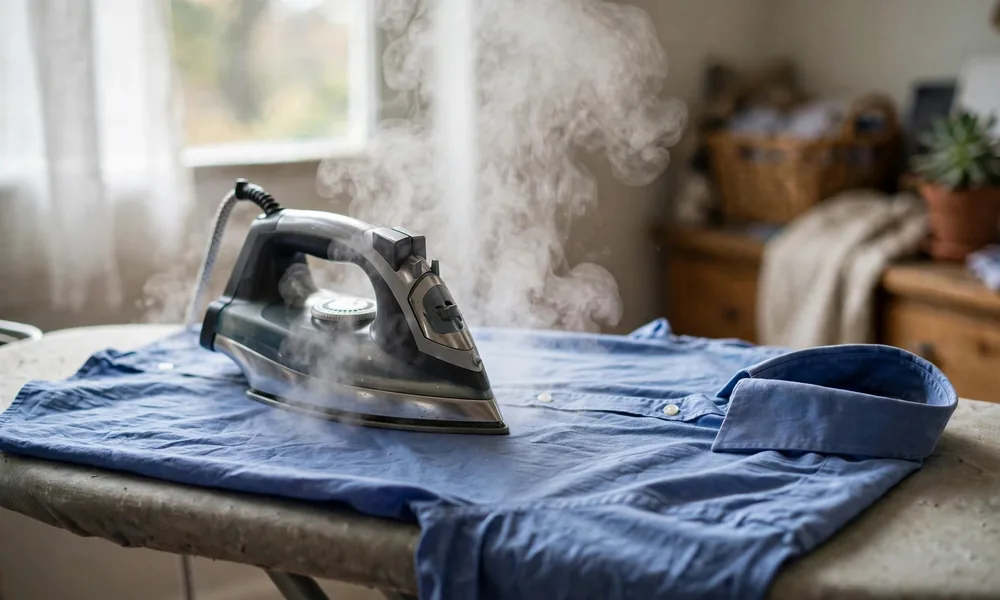
Weight, Tank and Comfort
Weight is a trade-off. A heavier iron presses better, because its own weight does the work. A lighter iron is kinder on your wrist over a full basket. Most people are happiest with an iron around one to one and a half kilograms: heavy enough to press well, light enough to use for half an hour without strain. If you iron a lot, hold the iron before you buy it and check that the handle fits your hand.
The water tank decides how often you stop to refill. A tank of about three hundred millilitres will iron several shirts before it needs topping up, while a smaller tank suits one or two garments. Look for a wide filling opening and a clear level window, and a long, flexible cord if the socket is not beside the board. An iron that leaks when stored, or leaves limescale flakes on dark fabric, is telling you its seals or boiler are failing.
Limescale, Water and Looking After Your Iron
Limescale is the quiet enemy of every steam iron, especially in hard-water areas. It builds up inside the boiler, blocks the steam holes, and eventually leaves white flakes on dark clothes. The simplest defence is to use the water the maker recommends, usually tap water in soft-water areas and a mix of tap and distilled water where the water is hard. Never add scented water or starch to the tank, because both leave deposits that damage the boiler.
Empty the tank after each session and let the iron cool on its heel. Run the self-clean function every month or two, and wipe the soleplate with a damp cloth while it is warm enough to loosen marks but cool enough to touch. A well-kept iron steams as strongly in its third year as it did on the first day. For more on the surface the iron works on, our guide to the best and worst ironing boards of 2026 explains what makes a board steady and steam-friendly, while the best and worst clothes steamers of 2026 covers the tool for garments you would rather not press at all.
How to Iron Well: A Simple Routine
Good ironing is mostly preparation. Start with a stable board, a clean soleplate and a full tank. Sort the clothes by temperature, coolest first, and hang each garment as soon as it is pressed. Press collars and cuffs first, then the body of the shirt, then the sleeves, using the pointed tip around buttons and pleats. Let the steam do the work: move slowly, press once, and lift rather than dragging the iron back and forth. A crisp shirt is also the reason to keep the rest of the outfit in order, and what makes the best dress shirt for work and weddings is a useful companion read when the shirt itself needs replacing.
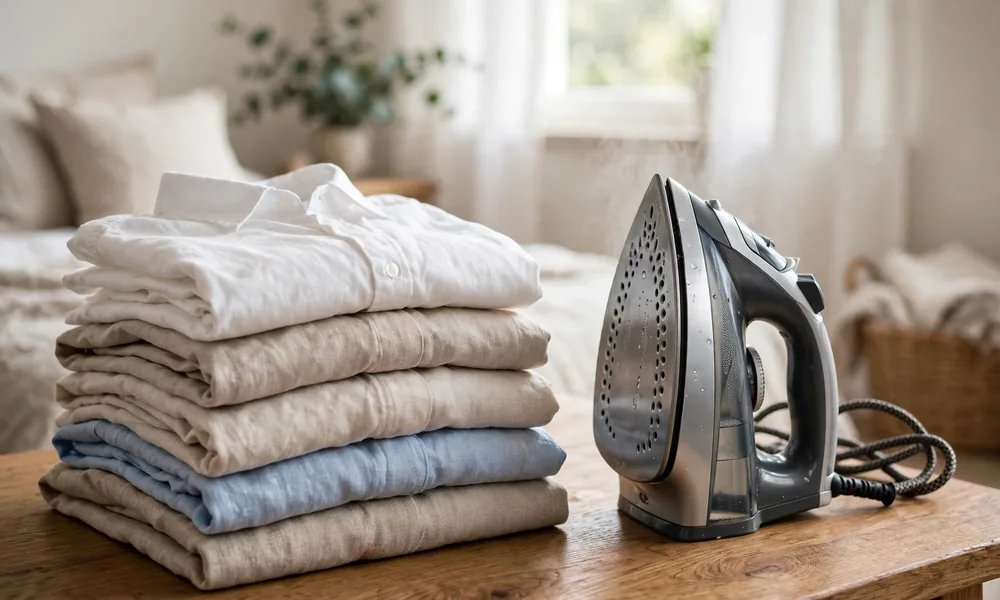
Checklist: Before You Buy a Steam Iron
- Steam output of at least forty grams a minute, with a strong burst for stubborn creases.
- A smooth soleplate, ceramic for all-round use or polished stainless steel for heavy cotton and linen.
- Clear, accurate temperature settings for synthetics, wool, cotton and linen.
- A tank big enough for your usual load, with a wide filling opening and a clear level window.
- A weight and handle that feel comfortable for a full basket, not just for one shirt.
- Anti-drip and anti-scale features, plus a self-clean function you will actually use.
Frequently Asked Questions
What is the best type of steam iron for most homes?
A standard steam iron suits most homes. It heats quickly, steams strongly enough for cotton and linen, and stores easily. Choose a steam generator only if you iron large baskets regularly.
How much steam output should a good iron have?
Look for around forty grams of steam a minute or more, with a strong burst for stubborn folds. Below twenty-five grams a minute, the iron will feel slow on cotton and linen.
Which soleplate material is best?
Ceramic is the best all-round choice because it glides smoothly and spreads heat evenly. Polished stainless steel suits heavy cotton and linen, while cheap non-stick coatings can scratch and peel.
Can a steam iron damage delicate fabrics?
Yes, if the temperature is too high or the iron sits still. Use the lowest setting for silk and synthetics, test on an inside seam first, and use a pressing cloth on wool and silk.
Should I use tap water or distilled water in my iron?
Tap water is fine in soft-water areas, while a mix of tap and distilled water suits hard-water areas. Never use scented water, starch or dryer water in the tank.
How do I stop my iron from spitting water on clothes?
Let the iron reach full temperature before you start, keep the steam steady rather than pressing the burst constantly, and run the self-clean function regularly to clear limescale.
Bottom Line
The best steam iron for crisp clothes in 2026 is the one that matches your ironing load: strong, steady steam, a smooth soleplate, accurate temperature control and a tank that lasts the session. Choose a standard iron for weekly ironing and a steam generator for large baskets. Look after it with the right water and regular cleaning, and it will keep your clothes crisp for years.


