
Sun Hats That Actually Protect Your Face in 2026
The best sun hats in 2026 are the ones that shade your whole face, not just the top of your head. A real sun hat throws a wide shadow over your forehead, cheeks, ears and the back of your neck, and it stays on when the wind picks up at the beach or on a walk. Most hats sold as sun hats do that job badly: a narrow brim, a floppy crown, or a weave so open that sunlight pours straight through it.
Key takeaways
- A brim of at least 3 inches (about 7.5 cm) is the minimum for real face protection; 4 inches or more shades the ears and neck too.
- Look for UPF 50+ fabric or a tight, dense weave. If you can see daylight through the material, the sun gets through as well.
- Wide-brim straw hats are best for holidays and the garden, while technical polyester hats with UPF 50+ win for hiking, sport and windy days.
- A chin strap or an adjustable drawcord keeps the hat on your head instead of in the sea.
- Fit matters as much as fabric. Too tight gives you a headache; too loose blows off at the first gust.
How we judged the best sun hats
Every sun hat here was judged on the same five points: shade coverage at midday, sun protection from the UPF rating or weave density, comfort in heat, staying power in wind, and packability for travel.
The best sun hats at a glance
| Sun hat | Best for | Brim | Protection | Approx. price |
|---|---|---|---|---|
| Classic wide-brim straw hat | Holidays and the beach | 4 in | Dense weave | $30–$60 |
| UPF 50+ bucket hat | Everyday sun, travel | 3 in | UPF 50+ | $25–$45 |
| Technical hiking sun hat | Hiking and long walks | 3.5 in | UPF 50+ | $35–$65 |
| Packable crushable straw hat | Packing light | 3.5 in | Dense weave | $30–$55 |
| Wide-brim garden hat | Gardening, all-day wear | 4.5 in | UPF 50+ | $25–$50 |
| Sport visor hat | Running and tennis | 3 in | UPF 50+ | $20–$40 |
| Stylish fedora sun hat | Smart summer days | 3 in | Dense weave | $40–$80 |
The 7 best sun hats for 2026
1. Best overall: the classic wide-brim straw hat
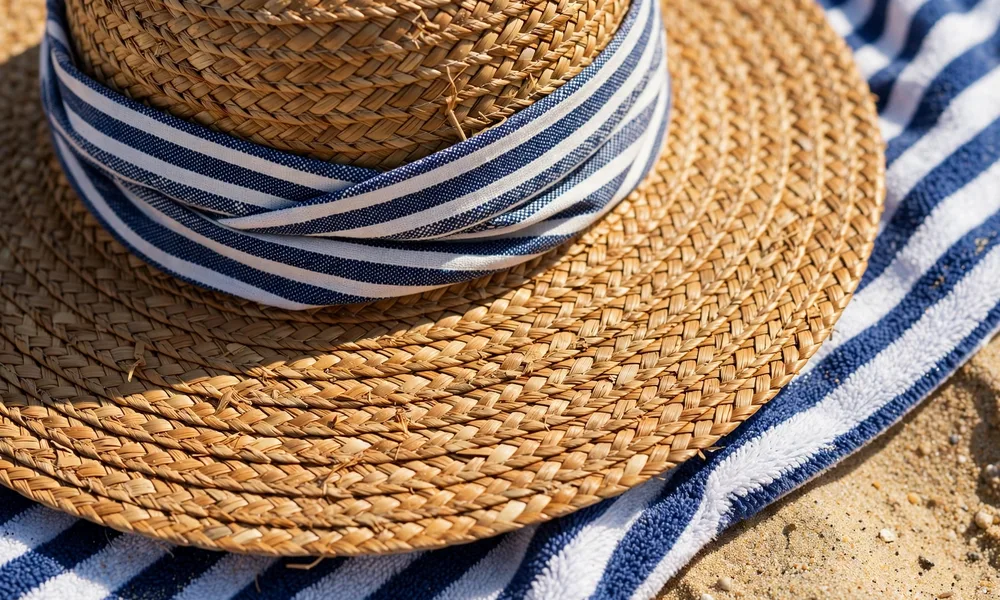
The classic wide-brim straw hat is the one to buy first if you only buy one. A 4-inch brim shades the face, ears and the top of the neck, and a tightly woven straw blocks far more sun than the loose, airy weaves that look pretty in a shop window but let light straight through. Natural straw breathes well, so your head stays cooler than it would under a synthetic hat. Choose one with an adjustable inner drawcord, which lets you tighten the fit on a windy day and loosen it when the heat rises. The weakness of straw is water and crushing: a soaked straw hat can warp, and one that is sat on rarely recovers.
2. Best for everyday sun: the UPF 50+ bucket hat
The bucket hat is the easiest sun hat to live with. Its 3-inch brim runs all the way round, so the back of your neck gets the same shade as your forehead, and the soft crown packs flat into a bag or a jacket pocket. Modern bucket hats in UPF 50+ fabric block 98 percent of ultraviolet light, and the rating is printed on the label rather than guessed from the weave. The brim sits low enough to shade the eyes, and the lightweight fabric dries quickly if you get caught in a shower. Many have a chin cord and a mesh ventilation panel, both worth having. The trade-off is coverage: a 3-inch brim leaves the lower neck to sunscreen, so wear it with sunscreen and a good pair of sunglasses.
3. Best for hiking: the technical hiking sun hat
A technical hiking hat is built for days when you are out in the sun for hours. The fabric is a lightweight, quick-drying polyester or nylon with a certified UPF 50+ rating, the brim is around 3.5 inches with a slightly longer back panel to cover the neck, and the crown is vented with mesh so air flows through as you walk. A chin strap with a toggle keeps it on in wind on a ridge. A moisture-wicking sweatband stops sweat running into your eyes on a climb, and a dark underside to the brim cuts glare bouncing up from rock, sand or water.
4. Best for packing light: the packable crushable straw hat
The packable straw hat solves the oldest problem with straw hats: they do not travel well. Crushable straw, usually paper straw or a flexible woven fibre, can be rolled or folded into a suitcase and springs back to shape when you unpack it. The brim is a generous 3.5 inches, the weave is tight enough to block the sun, and the hat weighs almost nothing. Roll the hat from the brim, tuck it into a corner of the case, and shake it out on arrival. Look for a hat with a chin cord: packable hats are light, and light hats are the first to blow away on a breezy beach.

5. Best for the garden: the wide-brim garden hat
Gardeners spend more time in direct sun than almost anyone, and the wide-brim garden hat is built for it. A brim of 4.5 inches or more shades the face, ears, neck and even the tops of the shoulders, the fabric carries a UPF 50+ rating, and the crown is tall enough to sit comfortably over a ponytail or a bun. Many have a mesh ventilation panel and a chin strap, both essential when you are bending, digging and reaching all afternoon. Comfort matters because the hat stays on for hours, so look for a soft, adjustable inner band and a sweatband that wicks moisture away from the forehead. Garden hats take a beating: soil, sweat, rain and being tossed on a potting bench.
6. Best for sport: the sport visor hat
A sport visor is the sun hat for people who hate wearing hats. It shades the eyes and forehead with a 3-inch brim while leaving the top of the head open, so heat escapes and sweat evaporates instead of pooling under a crown. For running, tennis and other fast-moving sports in the sun, that airflow makes a real difference to comfort. The best sport visors have a UPF 50+ brim, a sweat-wicking band, and an adjustable strap at the back that fits snugly without slipping as you move. The limitation is that a visor does not protect the top of your head, your ears or your neck.
7. Best smart pick: the stylish fedora sun hat
The fedora sun hat is for summer days when you want sun protection and a smart look at the same time: a wedding outdoors, a long lunch, a city walk. A 3-inch brim shades the face, the pinched crown looks sharp, and a tightly woven straw or paper straw keeps the sun out while still breathing. It is the hat that works with a linen suit or a summer dress. Fit is everything with a fedora: the crown should sit comfortably without squeezing, the brim should sit level rather than tipping forward over your eyes, and the hat should stay put in a light breeze.

Materials: straw, cotton, polyester and paper straw
The material of a sun hat decides how much sun it blocks, how hot it feels, and how long it lasts. Straw is the classic choice: natural, breathable and cool, with a dense weave that blocks most direct sun. Cotton and canvas hats are soft, washable and easy to live with, and a tightly woven cotton twill blocks a good amount of sun. Polyester and nylon technical hats are the lightest and fastest drying, and they are the only ones that carry a certified UPF rating, usually UPF 50+. Paper straw sits between straw and fabric: it looks like straw, packs like fabric, and is lighter than either.
Fit: how a sun hat should sit
A sun hat should sit level on your head, covering the forehead down to just above the eyebrows, with the brim shading the eyes without blocking your view. The crown should feel snug enough to stay put in a breeze but not so tight that it leaves a red line on your forehead after an hour. A chin strap is worth having on any hat you will wear near water or on windy days. Try the hat on with your beach towel and sunglasses, the way you will actually wear it, and shake your head gently: if the hat stays put, the fit is right.
Looking after your sun hats so they last
Sun hats last for years when they are stored properly and for one summer when they are not. Store straw hats on a hook, on a hat stand, or upside down on a flat surface, never crushed under other things in a cupboard. Fabric hats can be hand-washed in cool water with a mild soap and air-dried away from direct sun, which keeps the UPF treatment and the colour intact. Never put a straw hat in the washing machine, and never dry any hat on a radiator: heat warps straw and shrinks cotton. At the end of the summer, clean each hat, let it dry fully, and store it somewhere dry and out of direct sunlight.
Before you buy checklist
- Brim at least 3 inches wide, 4 inches or more for neck and ear coverage too.
- UPF 50+ rating on fabric hats, or a tight dense weave you cannot see daylight through.
- Chin strap or adjustable drawcord so the hat stays on in wind and near water.
- Ventilation in the crown, such as mesh panels or eyelets, for comfort in heat.
- Fit checked by measuring your head: snug enough to stay put, loose enough for comfort.
- Packability and care: can it fold or roll for travel, and can you wash it?
Frequently asked questions
Do sun hats really protect your face from the sun?
Yes. A wide brim blocks direct sunlight from the forehead, cheeks, nose and ears, and a UPF 50+ fabric blocks 98 percent of ultraviolet light.
What is the best sun hat material for hot weather?
Straw is the coolest in hot, dry weather because the natural fibre breathes and lets air through. In humid weather, a lightweight polyester hat with mesh ventilation often feels cooler, because it wicks sweat and dries fast.
How wide should a sun hat brim be?
Three inches is the minimum for useful face protection. Four inches shades the ears and the back of the neck as well, and is the right choice if you spend long hours outdoors.
Can I wear a sun hat in the water?
Most sun hats are not made for swimming. If you want a hat for the water, choose a quick-drying polyester hat with a chin strap.
How do I keep a sun hat from blowing away?
Use the chin strap, and tighten the inner drawcord so the hat fits snugly. In strong wind, a bucket hat or a technical hat with a strap is a better choice than a very wide straw hat.
What sun hat goes best with summer outfits?
A straw fedora or a wide-brim straw hat pairs naturally with linen, cotton dresses and light summer tailoring, and it is the smartest-looking option for lunches and weddings. Pair it with comfortable sandals and you are set for a long day in the sun.
The bottom line
The best sun hat is the one that shades your whole face, stays on in the wind, and feels comfortable enough to wear all day. For most people that means a wide-brim straw hat for holidays and the garden, and a UPF 50+ bucket hat for everyday sun and travel.


