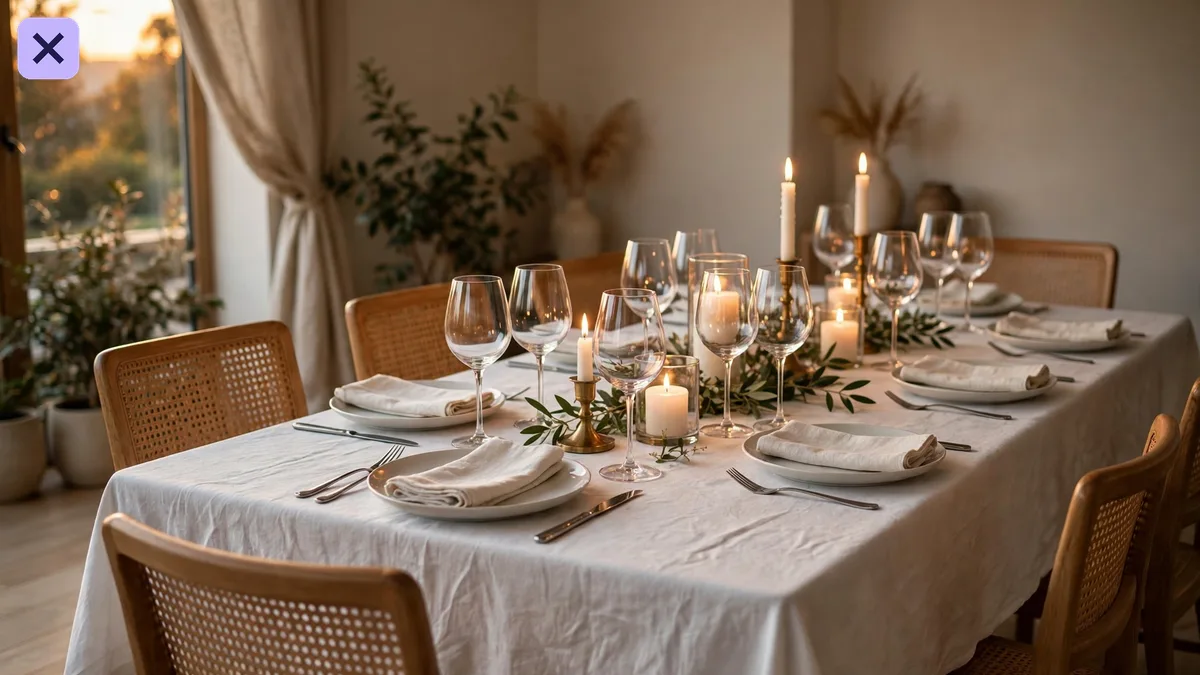
A Guide to Tablecloths That Make Everyday Dinners Feel Special in 2026
Tablecloths are the fastest way to make an ordinary Tuesday dinner feel like an occasion. A good tablecloth softens a hard tabletop, hides scratches and water rings, muffles the clatter of plates, and gives the whole meal a finished look before a single dish arrives. The best tablecloths of 2026 do all of that while surviving real life: tomato sauce, red wine, sticky fingers, and a weekly wash. This guide covers the fabrics, sizes, and finishes that matter, so you can choose one that looks beautiful on day one and still looks good on day one hundred.
Key Takeaways
- Linen and cotton blends look the most elegant and soften with every wash, while vinyl and polyester wipe clean in seconds and suit families with young children.
- Measure your table first and allow a drop of 8 to 12 inches on each side for everyday use, or 15 inches for a formal dinner.
- A stain-resistant finish is worth paying for if you serve red wine, tomato sauce, or curry at the table more than once a week.
- Round tables need round cloths and rectangular tables need rectangular ones, because a mismatched shape bunches at the corners and never hangs straight.
- Buy two cloths in the same size so one can be in the wash while the other is on the table, especially if you eat at the table every day.
Why a Tablecloth Changes the Whole Meal
A bare table is practical, but it is also loud, cold, and unforgiving. Every plate lands with a clink, every glass leaves a ring, and every scratch is on show. A tablecloth changes the sound and the feel of dinner at once: plates settle quietly, glasses sit steady, and the table looks dressed rather than bare.
The Main Types of Tablecloths
Tablecloths fall into a few clear families, and each suits a different kind of household. The right choice depends on how often you eat at the table, who is eating, and how much washing you are willing to do.
Linen Tablecloths
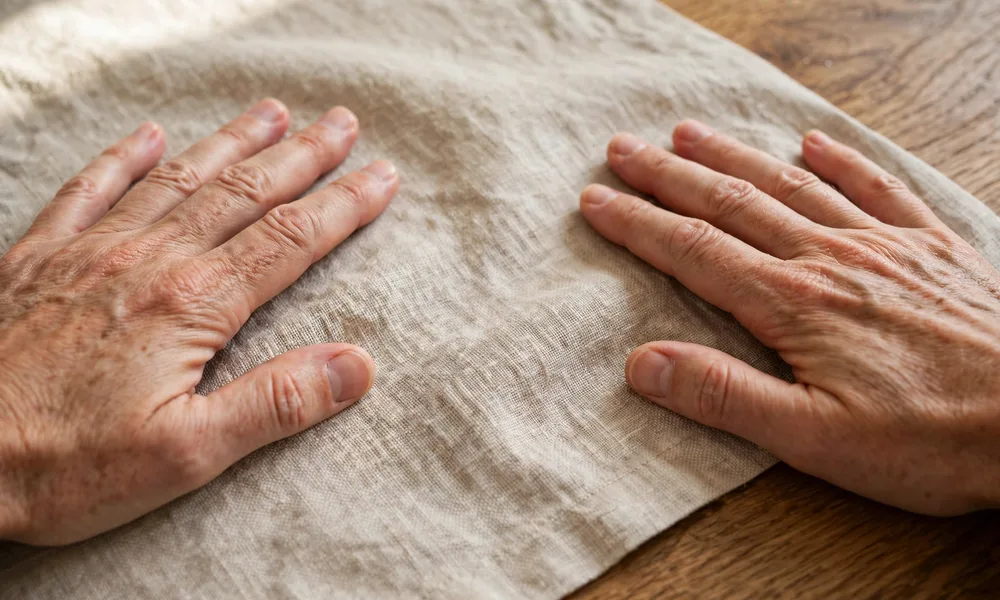
Linen is the classic choice and still the most beautiful. It has a natural texture, a soft drape, and a slightly rumpled look that reads as relaxed rather than messy. Linen absorbs moisture, breathes in summer, and gets softer with every wash. The drawback is price and care: good linen costs more, wrinkles easily, and usually needs a warm iron or a steamer after washing.
Cotton and Cotton-Blend Tablecloths
Cotton is the everyday workhorse. It is softer than linen when new, washes easily, and comes in every colour and pattern imaginable. Cotton-blend cloths, usually cotton mixed with polyester, wrinkle less and dry faster, which makes them the best choice for a table that is used daily. Pure cotton absorbs spills quickly, so look for a stain-resistant treatment if you serve messy food.
Polyester Tablecloths
Polyester is the practical choice for busy households and anyone who hates ironing. It resists wrinkles, dries quickly, and holds its colour through dozens of washes. Modern polyester is far softer than the shiny fabric of a decade ago, and many good ones are hard to tell from cotton at a glance. The trade-off is that it feels less breathable in hot weather, so always use a trivet under very hot dishes.
Vinyl and Oilcloth Tablecloths
Vinyl and oilcloth cloths are the easiest to clean of all: a spill wipes off with a damp cloth and nothing soaks in. They suit families with small children, outdoor tables, and anyone who serves spaghetti, curry, or beetroot regularly. The best ones have a flannel or fabric backing so they grip the table instead of sliding. They are not the choice for a formal dinner, but for everyday life they are hard to beat.
Damask and Jacquard Tablecloths
Damask and jacquard cloths have woven patterns rather than printed ones, which gives them a subtle sheen that changes as the light moves across the table. They are the traditional choice for holidays, weddings, and formal dinners. They are usually cotton or linen, need careful washing, and cost more than plain cloths, but one good damask cloth can serve a family for decades.
The Best Tablecloths of 2026
The tablecloths below cover the full range of everyday use, from a washable family cloth to a linen showpiece. Each one is chosen for fabric quality, drape, washability, and value, and each is available in the common table sizes.
| Tablecloth | Fabric | Best for | Care |
|---|---|---|---|
| Natural Linen Classic | 100% linen | Formal and special dinners | Machine wash, iron warm |
| Everyday Cotton Blend | Cotton-polyester | Daily family meals | Machine wash, tumble dry low |
| Wipe-Clean Vinyl | Vinyl with flannel backing | Children and messy meals | Wipe with damp cloth |
| Damask Holiday Cloth | Cotton damask | Holidays and celebrations | Machine wash, iron warm |
| Outdoor Cotton Canvas | Heavy cotton | Garden and patio tables | Machine wash, line dry |
| Wrinkle-Free Polyester | 100% polyester | Busy households | Machine wash, no iron |
Natural Linen Classic: Best Overall
The linen classic is the best overall tablecloth because nothing else drapes quite like it. The fabric falls in soft folds, the texture catches the light, and the cloth looks better after a year of washing than it did when new.
Everyday Cotton Blend: Best Value
The cotton blend is the best value pick of 2026. It looks and feels close to pure cotton, wrinkles far less, and survives a hot wash without shrinking, and at its price you can afford two, which solves the washing problem completely.
Wipe-Clean Vinyl: Easiest to Clean
The vinyl cloth solves the biggest annoyance of tablecloth ownership: the wash. Spaghetti sauce, juice, and coffee wipe straight off, and the flannel backing keeps it from sliding when someone leans on the table.
Damask Holiday Cloth: Best for Celebrations
The damask cloth is the pick for holidays and celebrations. Its woven pattern gives the table a quiet richness that a printed cloth cannot match, and it photographs beautifully, which matters at family gatherings.
Outdoor Cotton Canvas: Best for the Garden
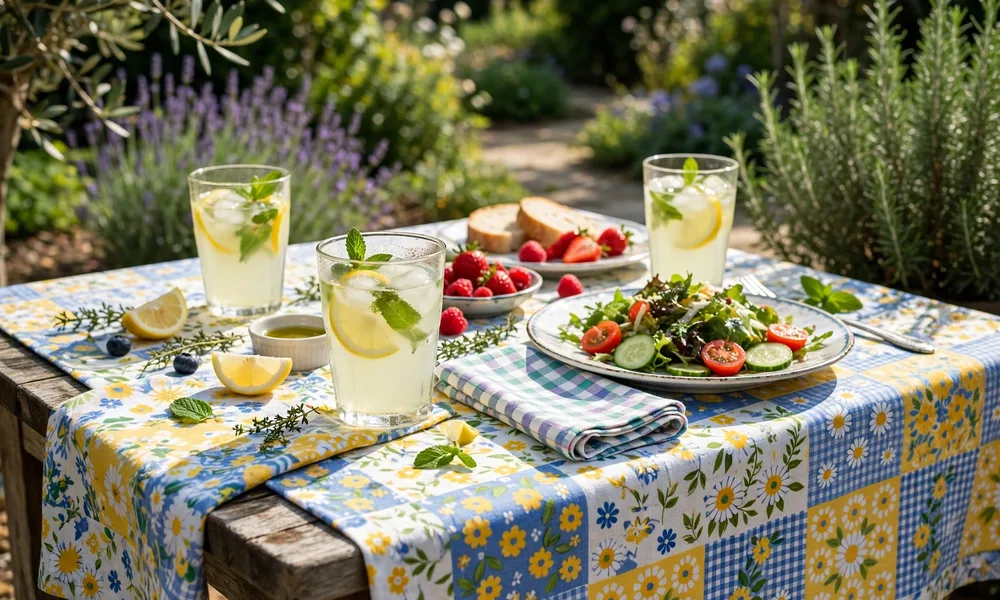
The heavy cotton canvas cloth is the pick for garden and patio tables. It is thick enough not to blow around in a breeze, especially with tablecloth weights clipped to the corners, and it handles sun and the occasional shower far better than thin fabric.
Wrinkle-Free Polyester: Best for Busy Households
The polyester cloth is the pick for anyone who wants a tidy table with no ironing. It comes out of the dryer smooth, resists stains better than untreated cotton, and holds bright colours through many washes.
How to Measure for the Perfect Fit
Measuring takes five minutes and saves the most common tablecloth mistake: a cloth that is too short or too long. Measure the length and width of your tabletop, then add twice the drop you want to each measurement. For everyday use, a drop of 8 to 12 inches on each side looks right and keeps the cloth clear of chair seats. For a formal dinner, a drop of 15 inches looks grander.
Round tables need a round cloth, and the same rule applies: measure the diameter and add twice the drop. A rectangular cloth on a round table bunches at the edges and looks wrong from every angle.
Always check the stated size against the actual cloth when it arrives, because sizes vary between makers by an inch or two. Wash a cotton or linen cloth before the first use, because both shrink slightly.
Choosing the Right Colour and Pattern
Colour and pattern set the mood of the table more than any other choice. White and natural linen look clean, bright, and formal, and they suit any dishes you already own. They also show every stain, so they are best for special occasions.
Mid-tones such as sage, slate blue, warm grey, and terracotta hide stains well and still look calm and elegant. They pair with white plates and with patterned plates, which makes them the most flexible choice if you only buy one cloth.
Caring for Your Tablecloth
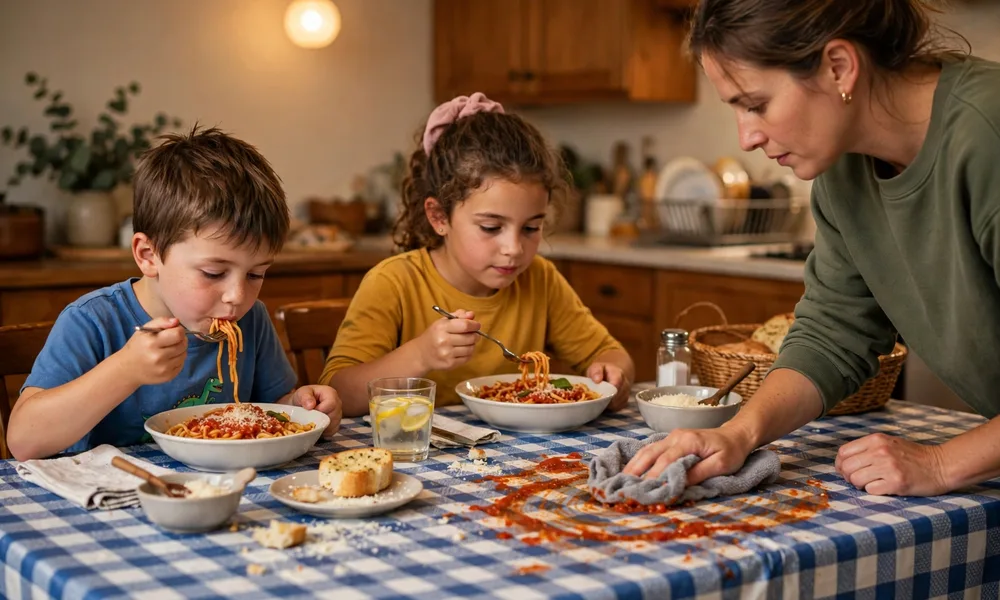
Good care is simple, but a few habits make a big difference. Shake crumbs off the cloth outside after every meal instead of brushing them onto the floor. Treat stains straight away with cold water and a little dish soap, because a stain that dries is far harder to remove. Never use hot water on a protein stain such as milk or egg, because heat sets it.
Wash cotton and linen cloths in warm water with a mild detergent, and avoid fabric softener, which coats the fibres and reduces absorbency. Line dry when you can, because the sun is a gentle whitener and the breeze keeps the fabric soft.
Setting the Table Around Your Cloth
A tablecloth is the foundation of the table setting, so build the rest of the table around it. Plain cloths suit patterned plates, and patterned cloths suit plain plates. Placemats that protect the table add another layer of protection and a pop of contrast.
Match your cloth to your dishes rather than to your chairs or curtains, because the dishes sit on the cloth and the eye reads them together. A good dinnerware set in white or cream works with almost any cloth. For evening meals, wine glasses that suit the occasion complete the setting.
Tablecloth Buying Checklist
- Measure the table length, width, and height before ordering, and add twice your chosen drop to each side.
- Choose the fabric for your real life: linen for beauty, cotton blend for daily use, vinyl for children and messy meals.
- Check the care label and be honest about whether you will iron, because a cloth you will not iron is a cloth you will not use.
- Look for a stain-resistant finish if you serve red wine, tomato sauce, or curry at the table regularly.
- Buy a second cloth in the same size so one can be in the wash while the other is on the table.
- Check the actual size when it arrives and wash it once before the first use, because cotton and linen shrink slightly.
Frequently Asked Questions
What size tablecloth do I need for a table that seats six?
A standard six-seat rectangular table is usually about 72 inches long and 36 inches wide. With a 10-inch drop on each side, you need a cloth about 92 by 56 inches. Measure your own table, because sizes vary.
Are linen tablecloths worth the extra money?
Yes, if you enjoy setting a beautiful table and do not mind ironing. Linen lasts for years and softens with washing. For daily family meals, a cotton blend is better value and far less work.
How do I remove red wine from a tablecloth?
Blot the stain immediately with a clean cloth, never rub it, then cover it with salt or baking soda to absorb the wine. Rinse with cold water, treat with dish soap, and wash in warm water as soon as you can.
Can I use a tablecloth outdoors?
Yes, but choose a heavy cotton or vinyl cloth, and clip tablecloth weights to the corners so it does not blow around. Bring a fabric cloth indoors after the meal, because overnight damp can cause mildew.
Should a tablecloth touch the floor?
For a formal dinner, a floor-length drop looks elegant, but for everyday use it is impractical: it catches on chair legs and collects dirt. A drop of 8 to 12 inches is right for daily meals, and 15 inches suits a formal occasion.
How often should I wash a tablecloth?
Shake it out and spot-clean it after every meal, and wash it fully about once a week, or sooner if it is stained. Vinyl cloths only need a wipe after each meal.
The Bottom Line
The best tablecloth is the one that matches your table, your meals, and your willingness to wash and iron. A linen cloth makes special dinners feel special, a cotton blend handles everyday meals with the least fuss, and a wipe-clean vinyl cloth keeps family dinners stress-free. Measure carefully, pick a fabric for your real life, and buy two so one is always ready.


