
Tonic water spent a century as an afterthought, the anonymous fizz behind the gin, and that is a shame, because a good tonic is a drink in its own right. The best tonic water in 2026 is clear, sharply carbonated, and bitter in a way that wakes the palate up: quinine gives it a dry edge, citrus lifts it, and the sweetness stays quietly in the background.
Most of us meet tonic only in a gin and tonic, where the gin does the talking and the tonic does the lifting. But the bottle matters more than the glass admits: a flat, syrupy tonic turns a good gin into a sweet, dull drink, while a crisp, bitter one makes the same gin taste brighter. This guide covers what makes tonic water good, and which styles suit gin and which suit drinking on their own.
Key Takeaways
- Quinine is the point: a good tonic is bitter first, sweet second, with the bitterness clean and dry rather than harsh.
- Fine, persistent carbonation matters more than flavour: flat tonic makes a dull gin and tonic, however good the gin.
- Classic tonic suits gin; light tonic suits longer, lighter drinks; flavoured tonics suit vodka and mocktails.
- Small bottles stay fizzy to the last drop; large bottles go flat fast once opened.
- Chill the tonic and the glass, pour gently, and add the garnish last so the bubbles survive.
What Tonic Water Actually Is
Tonic water is carbonated water flavoured with quinine, the bitter compound from the bark of the cinchona tree, plus sugar and usually a little citrus. It was first made for British officers in India, who drank quinine against malaria and sweetened it to make it bearable; gin was added later, and the gin and tonic was born. The quinine in a modern bottle is far too little to be medicine — it is there for flavour, and it gives a clean, dry bitterness unlike anything else on the shelf.
That bitterness is what sets tonic apart from every other mixer. Soda water is neutral, lemonade is sweet, ginger ale is warm and gentle, but tonic is bitter by design, and that is the whole reason it works with gin: it cuts through the spirit, sharpens the botanicals, and leaves the palate clean.
Tonic Water vs Soda Water: What Is the Difference?
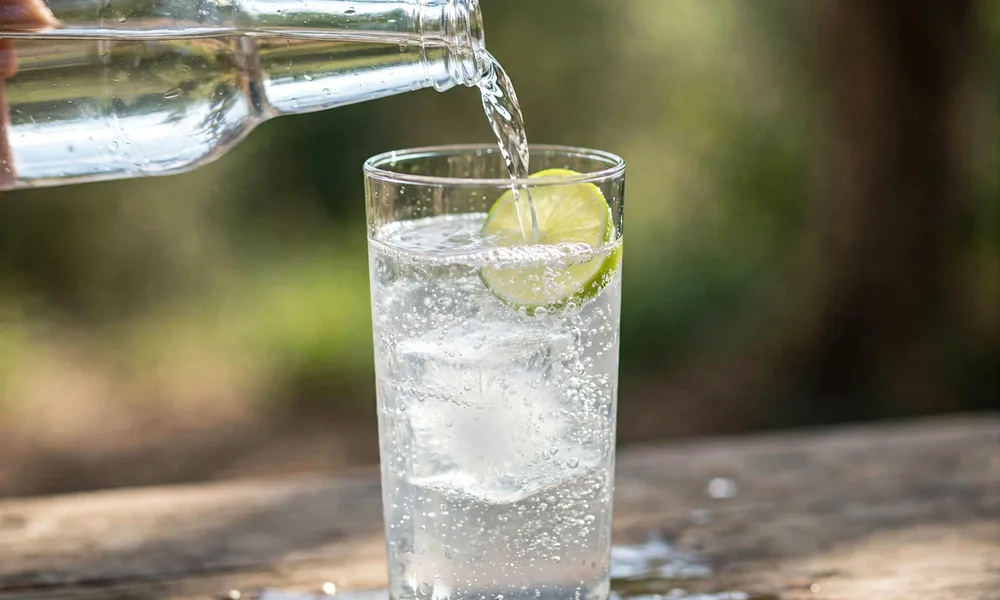
Tonic water and soda water look identical in the glass, but they taste nothing alike. Soda water is simply carbonated water, sometimes with a pinch of salt: neutral, clean, and made to lengthen a drink without changing its flavour. Tonic water is carbonated water with quinine and sugar, adding bitterness, sweetness and a faint citrus note of its own.
The rule is simple. If you want to lengthen a whisky or a wine spritzer without adding flavour, reach for soda water. If you want to build a gin and tonic, or a vodka tonic, or any drink that needs a bitter edge, reach for tonic. Swapping one for the other is the most common mistake in home mixing, and it is the easiest to fix.
Classic, Light and Flavoured: The Three Styles
Classic tonic is the original: full sugar, full quinine, clean and bitter, with a faint citrus lift. It is the best partner for a proper gin, and the best tonic to drink on its own over ice with lime, because it has enough character to hold the glass alone.
Light tonic cuts the sugar, usually by half or more, and lets the quinine and the botanicals come forward. It suits lighter gins and longer drinks. Flavoured tonics add elderflower, cucumber, pink grapefruit or Mediterranean herbs, and are at their best with vodka or in a mocktail, where the flavour can lead. They can crowd a delicate gin, so use them where the tonic is meant to be noticed.
The Best Tonic Waters of 2026 at a Glance
| Bottle | Style | Best for | Bitterness |
|---|---|---|---|
| Fever-Tree Premium Indian Tonic Water | Classic | Gin and tonics | Balanced |
| Q Mixers Spectacular Tonic Water | Classic | Bold gins | Firm |
| Schweppes Tonic Water | Classic | Everyday mixing | Gentle |
| Fever-Tree Refreshingly Light Tonic Water | Light | Lighter drinks | Balanced |
| Fever-Tree Elderflower Tonic Water | Flavoured | Vodka and mocktails | Soft |
Best Tonic Water Overall: Fever-Tree Premium Indian Tonic Water
Fever-Tree is the bottle that changed tonic from an afterthought into an ingredient, and it is still the one to beat. Made with quinine from the Democratic Republic of Congo and botanical oils, it is bitter, bright and clean, with fine, persistent bubbles and a dry finish. The bitterness arrives first, the citrus follows, and the sweetness stays in the background.
It is the most versatile bottle here too: the classic gin and tonic with a London dry gin and lime, and a proper drink on its own over ice. The small bottles are a real advantage — a 200-millilitre bottle stays fizzy to the last drop, while a litre bottle opened two days ago rarely does.
Best for Bold Gins: Q Mixers Spectacular Tonic Water
Q Mixers makes its tonic with less sugar than most rivals and a firmer quinine bite, and the difference shows the moment you pour it: sharp bubbles, confident bitterness, and a finish dry enough that a bold, juniper-heavy gin stays in charge.
On its own it is a little severe, but that severity is what makes it the best partner for a strong gin: pour it over a large cube with a navy-strength gin and a twist of grapefruit, and the drink stays bright to the bottom.
Best Everyday Tonic: Schweppes Tonic Water
Schweppes has been making tonic water since the eighteenth century, and its bottle is still the best value buy on the shelf: a gentle classic, clear and well carbonated, mildly bitter, with a little more sweetness than the craft bottles. It lacks their depth, but not their price, and it is available in almost every shop.
It is the bottle to keep on hand for parties and for a well-stocked home bar. Buy it in small bottles or cans, because the fizz fades fast once a big bottle is opened. For everyday gin and tonics, it is hard to beat.
Best Light Tonic: Fever-Tree Refreshingly Light Tonic Water
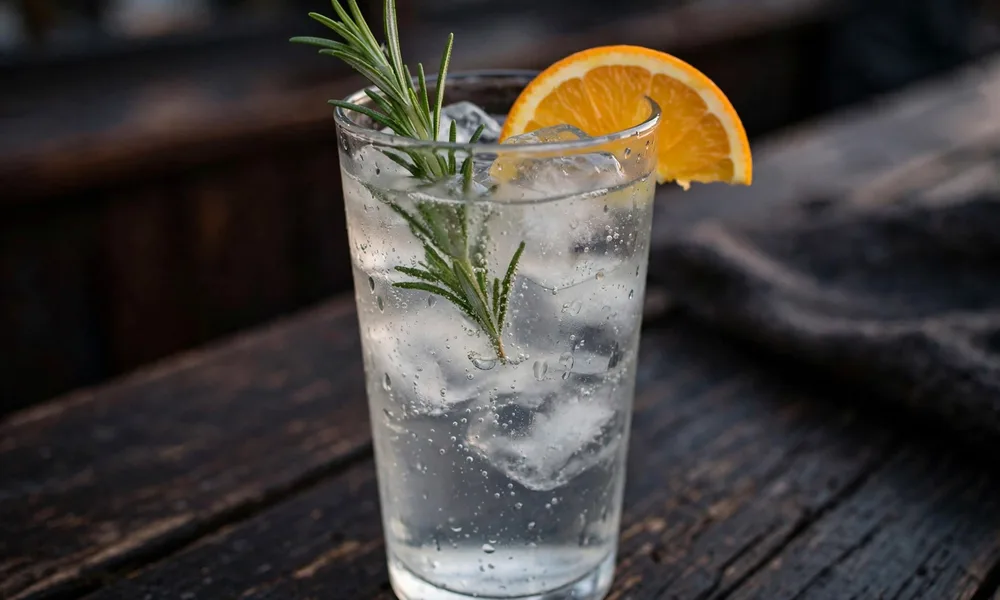
Fever-Tree’s light tonic keeps the same quinine and botanical character as the classic, with roughly half the sugar, and it is the best light tonic here. The bitterness is still there, clean and dry, and the lower sweetness lets the gin come forward. It suits lighter, more floral gins, and longer drinks where a full-sugar tonic would turn syrupy.
It is also the best choice for a second gin and tonic in an evening, and for mocktails, where the tonic itself is the drink. If you find classic tonic too sweet, start here rather than reaching for a diet bottle from a lesser maker.
Best Flavoured Tonic: Fever-Tree Elderflower Tonic Water
Fever-Tree’s elderflower tonic is the best flavoured bottle here. The elderflower is gentle and floral, never soapy, and sits on top of the same clean quinine bitterness as the classic bottle. With vodka and cucumber, it makes a light, fragrant drink that needs nothing else.
It is not the best partner for a delicate gin, which it can crowd, but with vodka, or in a non-alcoholic drink with ice and lemon, it is excellent. Keep one bottle for the guests who do not drink gin, and one of the classic for everyone else.
Building a Better Gin and Tonic
The classic build is simple, and the details are what make it. Chill the glass, add a large cube of clear ice, pour one part gin, then pour three parts cold tonic gently down the side, so the bubbles survive. Stir once, gently, and add the garnish last: lime for a London dry gin, grapefruit for a bolder one, rosemary for a Mediterranean-style gin.
Our round-up of the best vs worst cocktails of 2026 shows the same pattern across the whole cocktail shelf: the drinks that respect their ingredients are the ones worth making twice. For the gin and tonic, that means fresh tonic, a cold glass, and a light hand.
Tonic Water Beyond the Gin Glass
Tonic is not only for gin. With vodka, it makes a clean, bitter highball that suits cucumber or lemon. Our guide to gin vs vodka cocktails explains how the two spirits behave differently in the glass. With a non-alcoholic spirit, or on its own with ice and a good garnish, it makes a mocktail with real character. It also works in a spritz with white wine, and as a long drink with a dash of bitters.
The garnish matters more than most people think: lime is the classic, orange suits a flavoured tonic, grapefruit a bold gin, and rosemary a Mediterranean-style bottle. Use one garnish, not three. For the ice, our guide to the best ice molds for clear cocktail cubes explains why a large, clear cube keeps a tonic drink lively longer.
Checklist: Buying Good Tonic Water
- Check the label for quinine or cinchona bark, not just flavouring.
- Choose classic for gin, light for longer drinks, flavoured for vodka and mocktails.
- Prefer a shorter ingredient list and sugar balanced by bitterness, not buried under it.
- Buy small glass bottles or cans so every pour is fresh and fizzy.
- Chill the tonic and the glass, pour gently, and add the garnish last.
- Use one garnish, and match it to the gin or the tonic, not to the occasion.
Frequently Asked Questions
Is tonic water the same as soda water?
No. Soda water is simply carbonated water, neutral and made to lengthen a drink without changing its flavour. Tonic water is carbonated water with quinine and sugar, adding bitterness, sweetness and a faint citrus note. Use soda water to lengthen whisky; use tonic to build a gin and tonic.
Does tonic water contain quinine?
Yes, quinine is what makes tonic water bitter, and a good bottle names it on the label. The amount in a modern bottle is far too small to be medicine — it is there for flavour. If a bottle lists only flavouring and no quinine, the bitterness is usually imitation.
Can you drink tonic water on its own?
Yes, and the best bottles are worth drinking that way. Pour a classic tonic over ice with a wedge of lime, and the bitterness, citrus and fine bubbles make a complete drink. Light and flavoured tonics make excellent mocktails too.
What is the best tonic water for gin?
A classic tonic with firm quinine and balanced sweetness, such as Fever-Tree Premium Indian, suits most gins. A bold, juniper-heavy gin pairs better with a drier tonic like Q Mixers, while a floral gin suits a light one.
How long does tonic water stay fizzy after opening?
Not long. A large plastic bottle is noticeably flatter by the next day, and an open can goes flat within hours. Small glass bottles are the best answer: open one, drink it, and nothing is left to go flat.
Is tonic water very sugary?
A classic tonic carries around 30 grams of sugar per 330 millilitres, similar to a soft drink. Light tonics cut that roughly in half without cutting the quinine. If you drink a lot of tonic, a light bottle from a good maker is worth the switch.
Bottom Line
The best tonic water is the one that tastes like tonic: clear, sharply carbonated, bitter first and sweet second, with a clean, dry finish. Fever-Tree Premium Indian is the best all-rounder, Q Mixers the best for bold gins, Schweppes the everyday value buy, Fever-Tree Refreshingly Light the best light bottle, and Fever-Tree Elderflower the best flavoured one. Pick the style that matches your drink, buy small bottles, chill it hard, and pour it gently. Do that, and the mixer stops being an afterthought.


