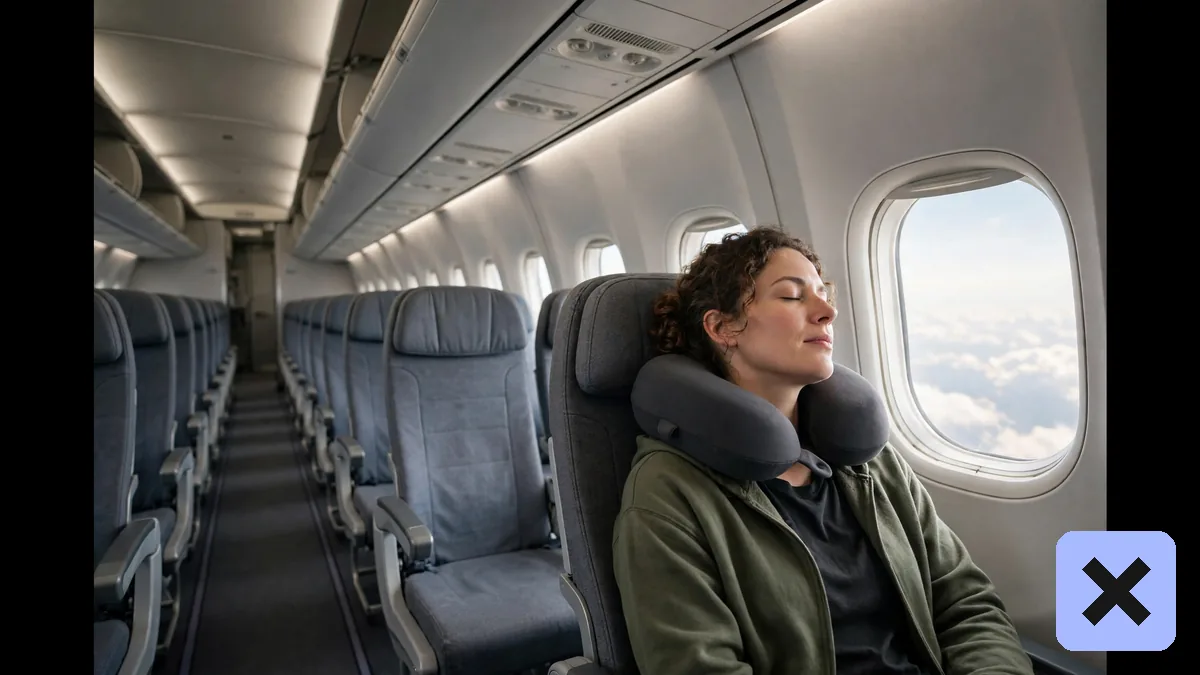
The best travel pillows for kids 2026 can turn a miserable long journey into a trip your child actually enjoys. Any parent who has watched a small head flop forward on a plane, a train or in the back of a car knows the problem: adult pillows are too big, too stiff and too wide for a child’s neck. A pillow made for a child fits their smaller frame, holds their head upright and lets them fall asleep instead of fighting to stay comfortable.
Children sleep differently from adults when they travel. They wriggle, lean on windows and slide sideways, waking the moment their neck aches. A good kids travel pillow is light enough to carry, soft enough that they want to wear it, and supportive enough to hold the head in a healthy position for hours. The wrong one ends up stuffed in a bag within twenty minutes.
This guide compares the best travel pillows for kids in 2026: memory foam U-pillows, plush animal designs, inflatable pillows, wrap styles and hybrid sets. Every pick is judged on fit, neck support, comfort, washability, packed size and whether children like wearing it.
Key takeaways
- Memory foam U-pillows give the best all-round neck support for most children aged four and up.
- Animal and plush designs win for younger children: a pillow they love is one they will actually wear.
- Inflatable pillows are the lightest option, folding down small enough to fit in a jacket pocket.
- Choose a washable cover: a kids pillow will meet juice, snacks, sun cream and mystery stains.
- Let your child try the pillow at home first, so the first flight is not also the first fitting.
Why Kids Need Their Own Travel Pillow
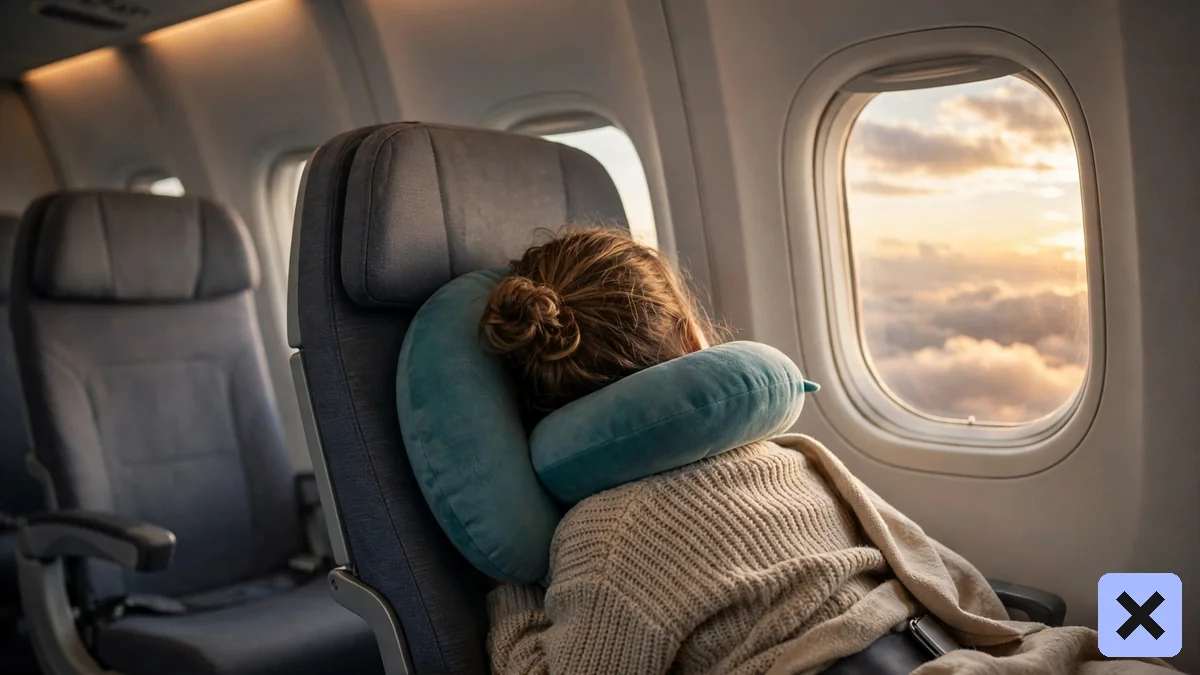
An adult travel pillow is made for an adult neck, shoulders and head. On a five-year-old the sides sit too high, the back pushes the head forward and the whole thing slides around. Children need a smaller U-shape with a shorter back and softer filling.
Fit also matters for safety and comfort. A pillow that holds the head upright keeps the airway open and stops the slow forward slump that leaves children waking with a stiff neck. On a long flight or a five-hour drive, it is the gap between arriving rested and arriving grumpy, tired and sore.
What age can use a travel pillow
Most travel pillows suit children from around three, when they can move the pillow themselves and say if it feels wrong. Under three, skip the pillow and use a rolled blanket. Between three and six, choose the softest, lightest designs with no hard parts. From seven up, firmer memory foam gives real support on overnight journeys.
The 9 Best Travel Pillows for Kids in 2026
These nine picks cover every kind of young traveller, from toddlers on their first flight to twelve-year-olds on overnight trains. Each is sized for children, made from soft washable materials and light enough to clip to a backpack.
| Pillow | Best for | Style | Ages | Washable |
|---|---|---|---|---|
| Memory Foam U-Pillow | Overall | Memory foam | 4–12 | Cover |
| Animal Plush Pillow | Toddlers | Plush animal | 3–7 | Cover |
| Inflatable Pillow | Packing light | Inflatable | 5–12 | Yes |
| Wrap Scarf Pillow | Side sleepers | Wrap | 6–12 | Cover |
| Unicorn Hooded Pillow | Fun design | Hooded plush | 3–9 | Cover |
| Memory Foam Set | Value set | Memory foam set | 4–12 | Cover |
| Microbead Pillow | Fidgeters | Microbead | 4–10 | Yes |
| Dinosaur Plush Pillow | Reluctant sleepers | Plush animal | 3–8 | Cover |
| Roll-Up Pillow | Hand luggage | Roll-up foam | 5–12 | Cover |
1. Memory Foam U-Pillow
The classic U-shape, shrunk to child size and filled with soft memory foam, is the safest all-round choice. It moulds gently to the neck, holds the head from both sides and keeps its shape for the whole journey. The cover is removable and washable, and a small snap stops it slipping off. The only drawback is bulk: it needs a bag clip or pocket.
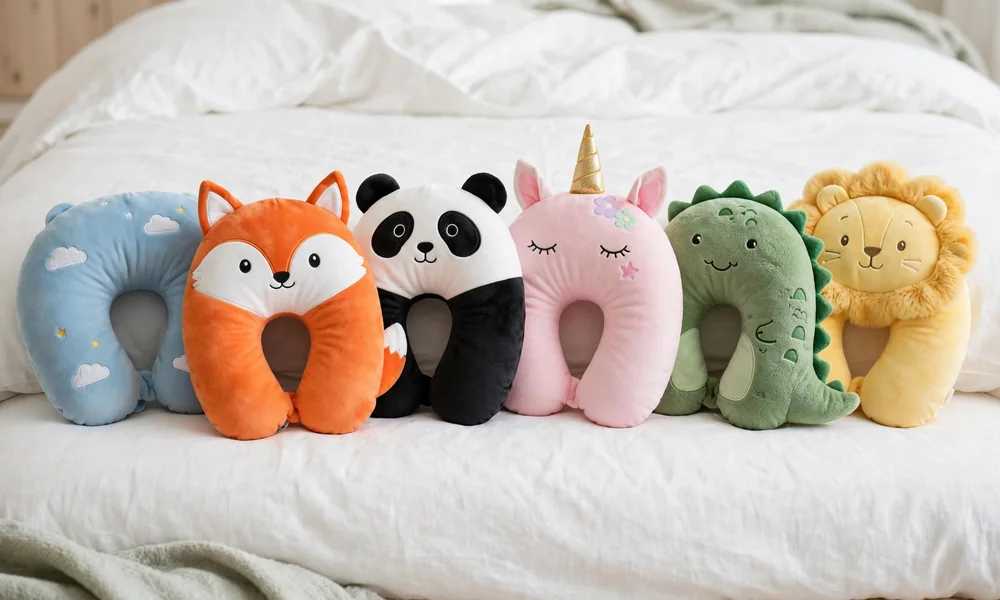
2. Animal Plush Pillow
A soft animal face turns a boring travel accessory into a favourite toy, and that is why this design works for three- to seven-year-olds. The plush filling is gentle and springy, the shape is small and light, and children carry it themselves without complaint. Support is lighter than memory foam, so it suits shorter journeys best.
3. Inflatable Pillow
When every gram counts, an inflatable pillow is hard to beat. Deflated, it folds to the size of a phone and weighs almost nothing; inflated, it gives firm, even support. Older children can blow it up themselves, and the wipe-clean surface handles spills easily. It feels less soft than foam, but for hand-luggage-only trips the space saving is worth it.
4. Wrap Scarf Pillow
Some children never sleep upright: they lean sideways against the window or the seat, and a U-pillow leaves their chin unsupported. A wrap pillow loops around the neck and supports the chin from the front, so the head stays upright even when the body tilts. The soft scarf shape feels like a cosy jumper, and older children like the grown-up look. Try it at home first.
5. Unicorn Hooded Pillow
A hooded pillow combines soft neck support with a small hood that blocks light and muffles cabin noise, and the unicorn design makes it the pillow children ask for by name. The hood folds back when not needed, the plush is very soft, and the whole thing washes well. It is warmer than other designs, so it suits air-conditioned cabins and night journeys best.
6. Memory Foam Set
A matching set pairs a child-size memory foam pillow with an eye mask and a small blanket, costing less than buying each piece separately. The extras build a sleep routine on the move: mask on, blanket up, pillow in place. If your child already owns a good sleep mask for travel, the pillow alone is the better buy.
7. Microbead Pillow
Microbeads flow and shift inside the pillow, so children who constantly adjust their position always find a comfortable shape. The pillow is light, flexible and cool to the touch, and it squashes into bag corners that foam pillows cannot reach. It gives gentler support than memory foam, suiting shorter journeys and children who dislike firm pillows. Check the stitching: well-made beads stay inside.
8. Dinosaur Plush Pillow
Like the animal designs, a dinosaur pillow wins by being fun first and functional second. The friendly plush shape is a toy, a cushion and a neck pillow in one, and children who refuse ordinary pillows often accept this one without argument. It is soft rather than supportive, so it suits younger children and shorter trips, and the cover washes easily.
9. Roll-Up Pillow
A roll-up foam pillow compresses into a small cylinder that clips to the outside of a bag, then springs back to shape in seconds. It gives firmer support than an inflatable pillow and feels more like a real pillow, without the bulk of a standard memory foam U-shape. The elastic strap keeps it rolled tight, and the cover is removable for washing. It is the best choice when bag space is tight but you still want proper neck support.
How to Choose the Right Size
Size is the most important factor, and the one parents get wrong most often. A pillow that is too big pushes the head forward; one that is too small gives no support. Measure the gap between chin and shoulder and compare it with the pillow’s thickness. The U-shape should sit snugly around the neck without squeezing, and the front ends should meet under the chin without pressing the throat.
Age guides help, but children vary widely. A tall seven-year-old may need a pillow labelled for eight to twelve, while a small ten-year-old may prefer a younger size. Buying online, check the listed dimensions rather than the age range alone. A quick test at home settles it: put the pillow on, let them lean each way, and ask whether anything digs in or pushes the head forward.
Materials that matter
Memory foam gives the best support but traps heat, so look for ventilated foam or a breathable cotton-blend cover for warm journeys. Microbeads and hollowfibre fillings stay cooler and suit children who get hot. Whatever the filling, a removable washable cover is essential. Avoid hard plastic valves near the neck on inflatable designs, and skip small detachable parts for children under five.
Travel Pillows for Planes, Cars and Trains
The best pillow depends on the journey. On planes, a memory foam U-pillow or a wrap style gives the strongest support, and a hooded design helps with cabin light. The best travel pillows for long flights share the same principles as the kids versions, but child-size versions are essential for smaller necks. In cars, a soft plush pillow suits shorter trips, and the seat belt must sit over the pillow.
On trains, children have more room to lean, so a wrap pillow or a microbead design works well for side sleepers. For road trips, pack the pillow where your child can reach it without unbuckling. Let your child carry their own pillow: ownership makes them far more likely to use it.

Packing and Cleaning Checklist
A travel pillow only helps if it is clean, packed and within reach. Work through this checklist before every trip.
- Try the pillow at home for a nap before the trip.
- Wash the cover the day before travel; pack a spare for journeys over a week.
- Clip the pillow to the outside of the bag or pack it on top, never at the bottom.
- Pack a small bag for the pillow on the return journey, when it may be dusty.
- Check straps, snaps and valves before leaving.
- Pair the pillow with an eye mask and a light blanket for overnight journeys.
Packing light matters as much as comfort: a pillow that needs its own bag gets left behind. The best travel packing cubes keep a child’s clothes organised in the same bag as their pillow, so everything they need is in one place. Roll-up and inflatable designs earn their place here.

Frequently Asked Questions
What age is a travel pillow suitable for?
Most travel pillows suit children from three, when they can adjust the pillow themselves. From three to six, choose soft plush designs; from seven up, firmer memory foam gives better support.
Can a child use an adult travel pillow?
They can, but it rarely works well. Adult pillows are too wide and too tall for a child’s neck, so the head gets pushed forward and the pillow slides around.
Are travel pillows safe in cars?
Yes, as long as the seat belt fits correctly. It should lie flat across the lap and shoulder as usual, and the pillow must not push the belt away from the body. Never place a pillow where it changes how the belt sits.
How do I wash a kids travel pillow?
Remove the cover and machine wash it gently, then air dry. Most foam inserts should be spot cleaned only, while inflatable and microbead pillows can usually be wiped or washed whole. Always check the care label first.
Which pillow is best for a long flight with a child?
A child-size memory foam U-pillow is best for long flights, giving steady support for hours. Add a hooded design if your child is sensitive to light.
What if my child refuses to wear one?
Let them choose the design, and try a fun animal or character pillow first. Practise with short naps at home. A pillow they pick themselves is far more likely to be worn.
The Bottom Line
The best travel pillows for kids in 2026 are the ones children actually wear: a child-size memory foam U-pillow for the strongest support, a plush animal design for younger children, and an inflatable or roll-up pillow when bag space is tight. Buy the right size, wash the cover before you go, and let your child try it at home first.