
A ukulele is a small instrument with a large personality. It fits in a tote bag, it can be learned in an afternoon, and it turns a quiet evening into music without needing an amplifier, a stand, or a room full of equipment. The best ukuleles of 2026 keep that promise: they stay in tune, they feel comfortable in the hands, and they sound warm and clear rather than thin and buzzy. The worst ones look charming on a shelf and then fight you at every chord, with sharp frets, a neck that will not hold its tuning, and a sound that makes practising feel like a chore.
What Makes a Ukulele Good
The first test is tuning stability. A ukulele that slips out of tune every few minutes will teach you frustration, not music. Look for geared tuners that turn smoothly and hold their position, a nut and saddle that let the strings move freely without catching, and strings that settle after a day or two of playing. New strings always stretch at first, so give a new ukulele a little time, but after that it should hold its tuning through a whole practice session.
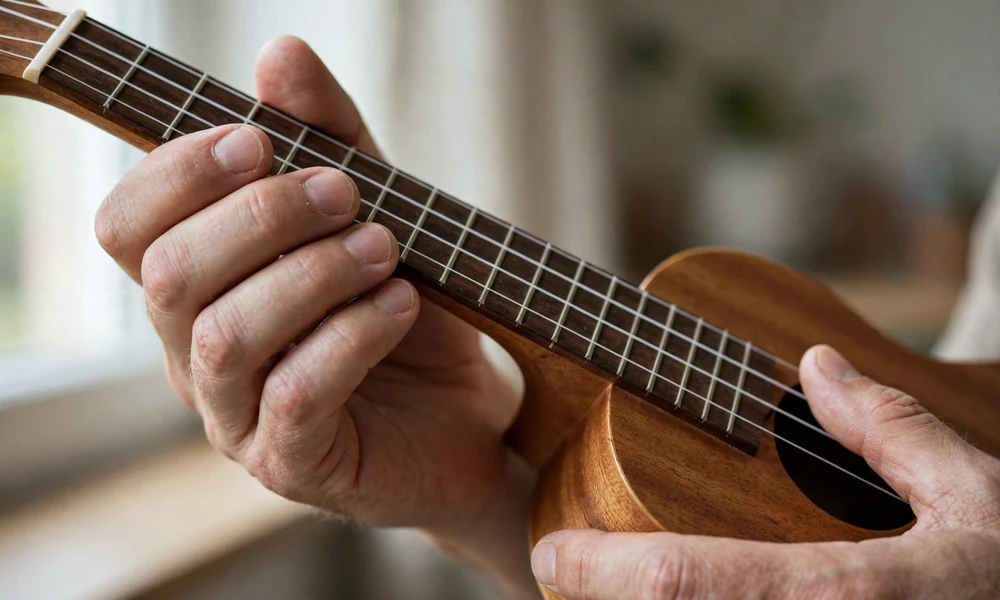
The second test is how it feels. The neck should be smooth, with frets that are level and have no sharp ends to catch your fingers. The action, the height of the strings above the frets, should be low enough that chords are easy to press, but not so low that the strings buzz against the frets. A ukulele that is comfortable to hold will be played every day. One that hurts your hand will be left in a corner, no matter how pretty it looks.
The Four Sizes, Explained Simply
The soprano is the smallest and the most traditional ukulele, about twenty-one inches long, with the bright, cheerful sound most people picture when they think of the instrument. It is light, easy to carry and wonderful for strumming simple songs, but its small frets can feel cramped for larger hands. For a child, or for someone who wants the classic sound in the smallest package, the soprano is a natural first choice.
The concert is a little larger, about twenty-three inches, and it is the size most adults should start with. It keeps the bright ukulele character but gives your fingers more room, and it has a fuller, slightly louder voice than the soprano. If you are buying one ukulele and you are not sure which size to choose, choose a concert. It is the most forgiving size, and it suits strumming and fingerpicking equally well.
The tenor is about twenty-six inches long, with a deeper, richer voice and more room on the fretboard for complex chords and melodies. It is the favourite size of many experienced players, and it is a good choice if you have larger hands, if you want to play melodies as well as chords, or if you plan to play with other musicians and need a little more volume. A tenor can also be tuned lower, which gives it a warm, almost mellow character.
The baritone is the largest ukulele, about thirty inches, and it is tuned differently from the other three, like the top four strings of a standard tuning, which gives it a deep, warm sound. It suits players who want a mellow voice, who sing in a lower range, or who enjoy fingerstyle playing. A baritone is a wonderful second ukulele, and for some players it becomes their main instrument, but a beginner who wants the classic bright ukulele sound should usually start with a concert or a tenor.
How to Choose Your First Ukulele
Start with your hands and your voice. If your fingers are small, a soprano or concert will feel natural. If your hands are large, a tenor will be more comfortable. If you sing along, think about your voice: a soprano or concert suits a higher voice, while a tenor or baritone supports a lower one. The best way to choose is to hold the sizes if you can, and to notice which one disappears in your hands and lets you think about the music instead of the instrument.
Then think about where you will play. A ukulele for the living room can be a beautiful solid-wood instrument that you handle with care. A ukulele for the beach, the park, or a backpack needs to be tougher, and a laminate or composite body will shrug off changes in temperature and humidity that would worry a solid-wood instrument. Many players end up with two ukuleles for exactly this reason: one beautiful instrument for home, and one sturdy traveller for everywhere else.
Beginner Ukuleles: What to Look For
A beginner ukulele should make the first month easy. That means geared tuners that are simple to use, a neck that is comfortable, strings that are gentle on the fingertips, and a clear, forgiving sound. Nylon and fluorocarbon strings are both good for beginners; fluorocarbon strings are a little brighter and hold their tuning well, while nylon strings are softer and warmer. Either is fine, and changing strings later is easy and cheap.
Do not worry about playing perfectly at first. The ukulele is forgiving: three or four chords are enough to play dozens of songs, and most beginners can strum their first song within a week. Practise in short sessions, five or ten minutes a day, rather than one long session at the weekend. Your fingers will learn the chord shapes faster with regular, gentle practice, and your strumming hand will find its rhythm sooner than you expect.
Travel Ukuleles and Playing on the Move
A travel ukulele is a small, sturdy instrument that you can take anywhere without worrying about it. It might be a soprano with a slim body, a concert with a tough laminate shell, or a specially designed compact ukulele that fits in a small bag. The best travel ukuleles still sound like real instruments, not like toys, and they stay in tune after a journey in a car boot or an overhead locker.
Pack it well and it will reward you. Keep it in a padded bag, loosen the strings very slightly if it will be in a hot car, and let it settle to room temperature before you tune it after a cold journey. A travel ukulele turns waiting time into playing time: a park bench, a train platform, a campsite at dusk. It is also a lovely companion on a long drive, for the evenings after the driving is done, when a few songs around a fire or in a holiday cottage make the trip feel complete. For those journeys, our guide to the best road trip playlists of 2026 is a good companion for the driving hours, and the ukulele takes over when you arrive.
Sound, Tonewoods and Strings
The wood of a ukulele shapes its voice more than any other single feature. Mahogany is warm and balanced, and it suits strumming and singing. Koa is bright and clear, with a lively sparkle that suits fingerpicking. Spruce is loud and crisp, and it cuts through when you play with other people. Cedar is soft, warm and responsive, and it suits a gentle touch. Mango and acacia offer a sweet middle ground, with warmth and clarity together. None of these is better than the others in every situation; the right wood is the one whose voice you enjoy listening to.
Listening helps your ear as much as playing helps your hands. Spend time listening to good players, notice how they shape a melody, and let your own playing borrow what you like. Reading about the lives of the musicians you admire can be surprisingly motivating, and our guide to the best biographies of musicians in 2026 is a good place to start if you want to know how great players learned, practised and found their own sound.
Practice, Tuning and Everyday Care
Tune before every session, even if the ukulele sounds fine. A clip-on tuner makes this a ten-second job, and playing in tune trains your ear and makes everything you play sound better. Learn the standard tuning for your size, and check each string against the tuner rather than trusting your ear alone at first. As your ear improves, you will start to hear when a string is slightly off, and tuning will become second nature.
Playing Quietly: Practice Without Disturbing Anyone
Not every practice session can be loud. If you live with other people, or you practise late at night, a few simple habits help. A soft pick or a lighter strum keeps the volume down without changing your technique. Stuffing a small cloth inside the sound hole, or resting your palm lightly on the strings, softens the sound for quiet practice. Some players keep a second, quieter ukulele for late-night practice, with softer strings and a gentle touch.
Listening is part of practice too, and good headphones let you study recordings closely without filling the house with sound. If you want to hear the detail in a recording, the phrasing, the rhythm and the tone, our guide to the best headphones of 2026 will help you choose a pair that suits long listening sessions. Listening with care is one of the fastest ways to improve: you start to hear what good playing sounds like, and your own hands begin to follow.
What to Avoid When Buying a Ukulele
Avoid ukuleles with friction tuners that slip, with sharp fret ends, or with a bridge that is lifting away from the body. These are signs of poor building, and they will make the instrument hard to play and hard to keep in tune. Avoid a ukulele that buzzes on every fret, or one where the strings sit so high that pressing them hurts. Both problems can sometimes be fixed by a proper setup, but a badly built ukulele is rarely worth the cost of fixing.
Setting It Up on Day One
Then learn three chords and one strumming pattern, and play a song you know. That first song is the moment the ukulele stops being an object and becomes an instrument. From there, add one new chord at a time, learn a simple melody, and try playing along with a recording. Keep the ukulele where you can see it, not hidden in a cupboard, because an instrument that is easy to reach is an instrument that gets played.

Frequently Asked Questions
Which size should a complete beginner choose? A concert ukulele is the safest first choice for most adults, because it is comfortable, forgiving and full sounding. A soprano suits smaller hands and the classic bright sound, a tenor suits larger hands and a deeper voice, and a baritone suits players who want a mellow, low sound.
How long does it take to learn the ukulele? Most people can play their first song within a week, with a few minutes of practice each day. Playing confidently, with smooth chord changes and a steady rhythm, usually takes a few months. The ukulele rewards regular, short practice more than occasional long sessions.
The best ukulele is the one you reach for every day. Choose a size that fits your hands, a sound you love listening to, and an instrument that stays in tune and feels comfortable, and you will play it for years. Choose on price or looks alone, and you will be choosing again far sooner than you planned.


