An action camera is supposed to be the toughest little camera you own. The best ones get strapped to a helmet, dunked in the sea, frozen on a ski slope, and dropped on a rocky trail, and they keep recording smooth, sharp video as if nothing happened. The worst ones look almost identical in the shop, with the same boxy shape and the same bold claims on the packaging, yet they fog up in the rain, overheat on a warm day, and produce shaky footage that makes you feel seasick just watching it back. That gap between the best and the worst action cameras of 2026 is wider than most buyers expect, and it only shows up once you are already out on the trail.
This comparison puts the best action cameras of 2026 head to head against the worst, judging them the way you would actually use them: how steady the footage is when you are moving fast, how the camera copes with water, dust, and cold, how long the battery lasts in real conditions, how easy the camera is to mount and operate with gloves on, and how much it costs to keep running. A good action camera records clean 4K video, keeps the horizon level when you lean into a turn, and survives the crash that would end a normal camera. A bad one looks fine on a shelf and fails on the basics, usually in the wet, usually when the moment you wanted to capture is already gone.
Key Takeaways
- The best action cameras of 2026 record smooth, level 4K video with strong stabilisation and a lens that stays clear in rain and spray.
- Battery life in cold weather separates the best from the worst, because a camera that dies after twenty minutes on a ski slope is no use at all.
- Mounts matter as much as the camera, since a weak mount turns even a good camera into a rattling, crooked mess.
- Waterproofing without a case is worth paying for, because a separate housing fogs up and hides the screen when you need it most.
- The worst action cameras overheat, drain their batteries fast, and produce soft, shaky footage that no editing app can rescue.
How Action Cameras Actually Work
An action camera is a tiny, rugged video camera built around a wide-angle lens, a small sensor, and a powerful processor that steadies the picture as you move. Unlike a phone or a normal camera, it has no zoom and almost no moving parts, which is exactly why it can be dropped, soaked, and shaken without breaking. The processor reads the movement of the camera hundreds of times a second and crops the edges of the frame to cancel out the shake, so a bumpy mountain bike ride comes out looking like a smooth glide down the trail.
The sensor and the lens decide how good the picture looks. A larger sensor gathers more light, which means cleaner footage at dawn, at dusk, and under forest cover, while a wider lens captures more of the scene around you. The best cameras of 2026 also use smarter software to keep colours natural and to hold the horizon level even when the camera tilts, so a leaning rider still gets a straight, watchable picture. Cheap cameras skip much of this processing, and the result is footage that wobbles, blows out the sky, and turns shadows into solid black.
The Best Action Cameras of 2026
The best action cameras of 2026 share the same few strengths: steady footage, honest waterproofing, a battery that lasts a full session, and controls you can use without looking. They are not the cheapest cameras on the shelf, but they earn their price on the first day you take them somewhere rough, when a cheaper camera would already be fogging up or flashing a low-battery warning.
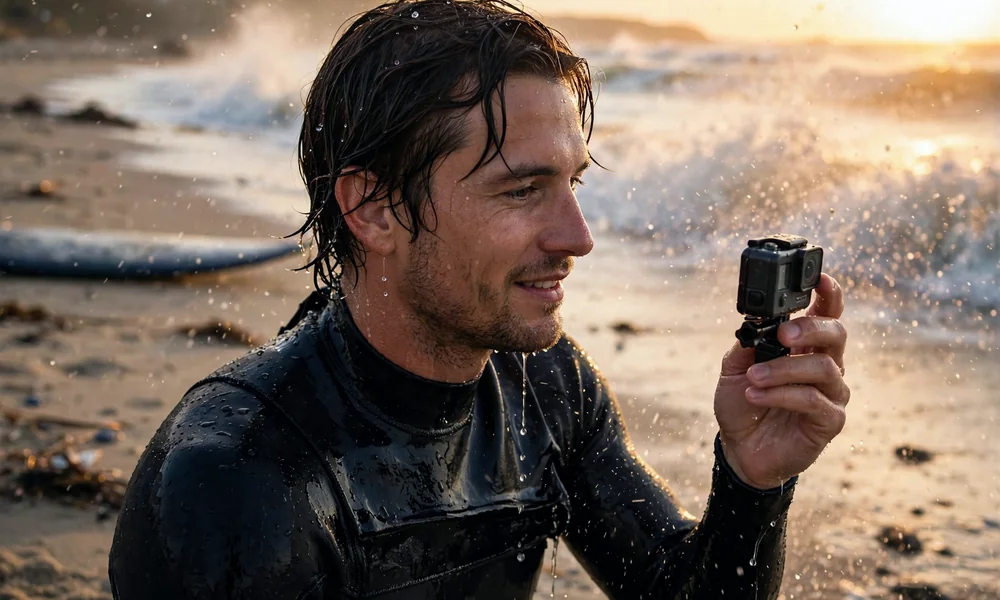
Best for most people: a tough all-rounder with great stabilisation
For most buyers, the sweet spot is a compact camera that records sharp 4K video at sixty frames a second, with stabilisation strong enough to smooth out a trail run and a horizon lock that keeps the picture level when you lean. It should be waterproof to ten metres without a case, so you can take it surfing or swimming without fumbling with a housing, and the touchscreen should respond even with wet fingers. Voice control is a genuine help here too, since you can start recording while your hands are on the handlebars.
If you already own a larger camera, an action camera makes a natural second body for the moments a big camera cannot survive. Our guide to the best cameras covers the full-size options that pair well with a rugged little camera for trips where you want both careful photography and rough-and-ready video.
Best for water sports: a camera that loves getting wet
Surfers, kayakers, and swimmers need a camera that treats water as its natural home rather than a threat. The best water cameras seal properly without a case, drain quickly when they come out of the sea, and keep their microphones working after a dunk, so your clips have the sound of the waves instead of a muffled gurgle. A floaty grip or a brightly coloured mount is worth having, because a small black camera sinks fast and disappears in murky water.
The worst action cameras of 2026 fail in ways that are easy to miss in the shop and impossible to ignore on the trail. They promise 4K video and deliver soft, smeary footage, they claim to be waterproof and leak at the first splash, and they advertise long battery life that only exists when the camera is sitting idle on a table. The price looks tempting, but a cheap camera that misses the moment costs you far more than the money you saved.
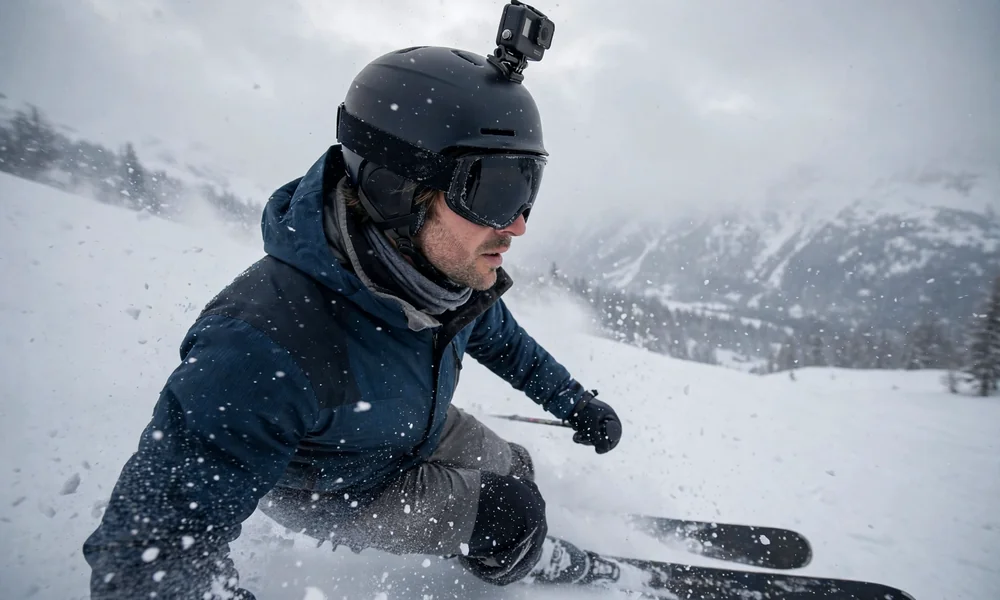
Worst for stabilisation: shaky footage you cannot watch
The most common failure is stabilisation that exists on the box and barely works in real life. These cameras record footage that bounces with every step, tilts wildly on every turn, and makes the viewer feel queasy within seconds. Some of them offer an electronic stabilisation mode that only works at a lower resolution, so you have to choose between a steady picture and a sharp one, and neither option looks good.
Worst for durability: cameras that break on the first fall
Some action cameras are rugged in name only. Their mounts are thin plastic that snaps on the first crash, their lens covers scratch the first time they touch gravel, and their bodies crack where a good camera would only pick up a scuff. The worst offenders need a separate waterproof case for even a light shower, and the case fogs up, hides the screen, and muffles the sound, so the camera is worse with the case than without it.
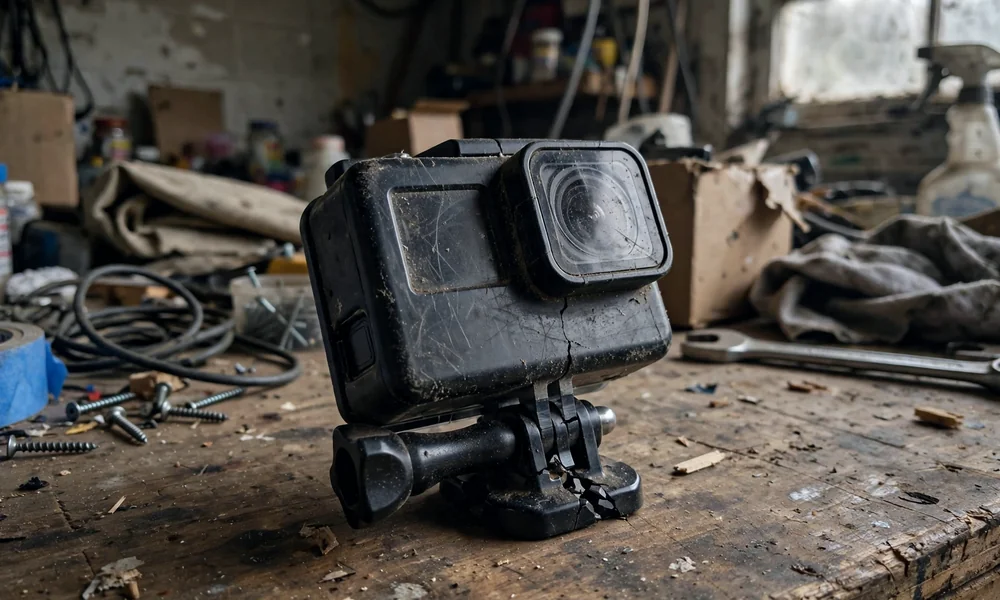
Image quality and stabilisation
The best cameras produce clean 4K footage with natural colours, good detail in shadows, and a steady frame even when you are moving fast over rough ground. The worst produce soft, noisy video with blown-out skies, crushed shadows, and a wobble that no software can fully remove. The difference is obvious on any screen, and it grows larger the more you watch, because shaky footage is tiring in a way that sharp footage never is.
Battery life and overheating
The best cameras record for forty minutes or more per battery in real use, and they keep recording in warm weather without shutting down. The worst manage half that in ideal conditions and far less in the cold or the sun, and they overheat just when the light is at its best. A spare battery is a cheap fix for a good camera, but it cannot fix a camera that overheats, because the problem is the design, not the power.
Durability and waterproofing
The best cameras are waterproof without a case, survive drops onto rock and concrete, and have replaceable lens covers and mounts. The worst leak, crack, and scratch, and their mounts fail at the worst possible moment, sending the camera tumbling down a slope or into the sea. Durability is the one feature you cannot test in the shop, which is why it pays to read reports from people who have actually used the camera hard for months rather than days.
Who Each Side Is For
The best action cameras suit anyone who plans to use the camera hard: mountain bikers, surfers, skiers, trail runners, and travellers who want a camera they can hand to a child without worrying. They also suit anyone who has been burned by a cheap camera before and now wants footage they can actually watch back without wincing. The extra money buys reliability, and reliability is the whole point of an action camera.
The worst action cameras suit almost nobody, but they do have one narrow use. If you only want a camera for a single gentle holiday, you never plan to get it wet, and you will watch the clips once on a phone screen, a cheap camera might just about do the job. Even then, a second-hand model from a good brand is usually a better buy than a new camera from a bad one, because the good camera was built to last and the cheap one was built to a price.
What to Check Before You Buy
Start with the real battery life, measured by independent reviewers in the conditions you will actually use the camera in, not the figure on the box. Then check the waterproof rating, the availability of spare batteries and lens covers, and whether the camera needs a case to survive a swim. If any of those answers is unclear, that is a reason to look at a different model.
Finally, think about editing. The best footage in the world is no use if it sits on a memory card forever, so check that the camera’s app lets you trim and share clips quickly, and that the files work with the editing tools you already use. If you edit on your phone, our guide to the best video editing apps for phones will help you turn raw clips into something worth sharing, while the camera itself should stay out of your way and simply record.
Travel adds one more consideration, because an action camera is often the second camera in a travel bag rather than the only one. If you want a camera for stills and video together on a trip, our guide to the best travel cameras for beginners covers the larger cameras that pair well with a rugged action camera, so you can cover both careful photography and rough, wet, fast-moving days.
Frequently Asked Questions
Do I really need 4K, or is 1080p enough?
For most people, 4K is worth having, because it gives you room to crop and stabilise the footage without losing sharpness, and it looks better on a modern television. That said, a good 1080p camera with strong stabilisation will beat a bad 4K camera every time, so resolution should never be the first thing you compare.
The Verdict
The best action cameras of 2026 earn their keep by doing the hard things well: steady footage, honest waterproofing, a battery that lasts the session, and a body that survives the fall. They are not cheap, but they are the cameras that come home with the footage you actually wanted, which is the only measure that matters. The worst action cameras look like a bargain and behave like one, failing on stabilisation, battery, and durability exactly when the day gets interesting.
If you buy one thing, buy reliability. Choose a camera with strong stabilisation, waterproofing without a case, replaceable lens covers, and spare batteries you can actually afford, and you will have a camera that lasts for years of adventures. Choose on price alone, and you will have a camera that teaches you, expensively, why the best cameras cost what they do.