Brownie Mixes vs From Scratch: Which Wins in 2026
A good brownie mix should do one simple thing: turn a box, some oil and an egg into brownies that taste like you meant them. The best brownie mix in 2026 does exactly that, giving you a crackly top, a dense fudgy centre and a deep chocolate flavour with almost no effort. The worst gives you dry, pale squares that taste of the box, and the difference is bigger than the price suggests. We baked the leading boxed brownie mixes of 2026 at home, then baked the same brownies from scratch, to see whether the box is really a compromise or just a smarter shortcut. The answer depends on what kind of brownie you actually want.
Key Takeaways
- Fudgy brownie mixes win on texture, because the best boxes are built around more fat and less flour, which is exactly what a fudgy crumb needs.
- Do not overmix the batter: stir a brownie mix just until the dry streaks disappear, because extra stirring builds structure and turns fudgy into cakey.
- Swap the water for milk and add an extra egg yolk, and most box mixes taste noticeably richer for almost no extra work.
- Underbake by two minutes and check with a skewer: it should come out with moist crumbs, not wet batter and not clean.
- A box mix beats scratch on weeknights for speed and consistency, while scratch wins on control over chocolate and sweetness.
What a Brownie Mix Actually Is
A brownie mix is not a mystery. Open the box and you will find flour, sugar, cocoa powder, a little salt and a raising agent, already measured and mixed. The expensive part of scratch baking is the cupboard: good cocoa, chocolate, butter, vanilla and sugar all have to be in the house at once. A mix removes all of that. The trade is control. A mix fixes the ratio of flour to sugar to cocoa, so you cannot make it less sweet or more intensely chocolate without adding things yourself. What you can do is choose between the styles the boxes offer, and that choice matters more than the brand on the front. Some mixes are built fudgy, with more fat and less flour, and they bake dense and moist. Others are built cakey, with more flour and more raising agent, and they bake taller and lighter. Read the box before you buy: a mix that promises a tall, fluffy brownie is a cakey mix, and no baking trick will make it fudgy.
The other thing a mix fixes is the chocolate. Most boxes use cocoa powder rather than melted chocolate, which gives a direct, intense chocolate flavour and a lighter crumb. But cocoa quality varies, and a stale or weak cocoa is the main reason a cheap mix tastes flat. The best boxes use a darker, more generous dose of cocoa, and you can taste it in the finished brownie: the chocolate flavour arrives first and lingers, instead of fading into sweetness. Our guide to cocoa powder explains why freshness and depth matter as much in baking as in a mug of hot chocolate.
The Brownie Mixes, Ranked
We ranked the brownie mixes of 2026 by how they actually baked and tasted, not by what the box promised. The table below gives the short version. The sections after it explain what each style does well and where it falls short, so you can pick the mix that fits your oven and your evenings rather than the one with the loudest packaging.
| Mix style | Texture | Chocolate flavour | Ease of use | Verdict |
|---|---|---|---|---|
| Fudgy classic | Dense, moist, crackly top | Deep and dark | Just add oil, water, egg | Best overall |
| Dark chocolate | Dense with a bitter edge | Intense, least sweet | Needs careful timing | Best for chocoholics |
| Cakey classic | Tall, light, soft | Mild and sweet | Very forgiving | Best for kids |
| Gluten-free | Moist but crumbly | Good, slightly earthy | Needs a rest before baking | Best gluten-free option |
| Budget | Thin, sometimes dry | Plain, sometimes stale | Very easy | Only in a pinch |
The Fudgy Style Leads the Field
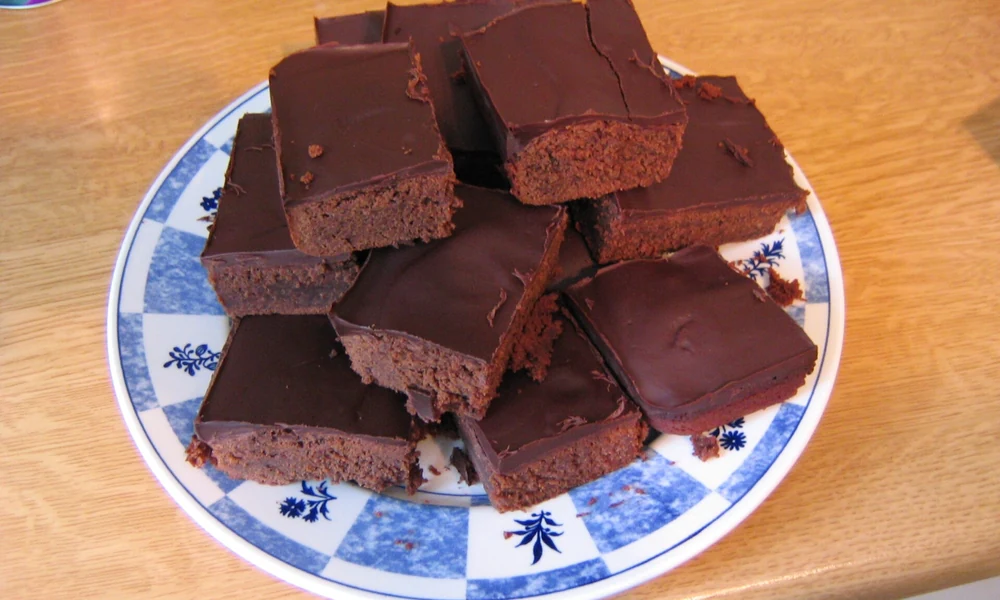
The fudgy brownie mix is the clear winner for 2026, and the reason is the brownie itself. A fudgy brownie is dense, moist and almost truffle-like in the centre, with a thin crackly crust on top, and that is the texture most people picture when they say the word brownie. The mix behind it is built the right way round: more fat relative to flour, a modest amount of raising agent, and enough cocoa to carry the flavour. The brownies come out dark and glossy, with a top that shatters lightly under the knife and a centre that stays soft for days. The trick is the bake time. A fudgy brownie is done while the centre still looks slightly underbaked, and the skewer test is the only honest guide: push it into the middle and it should come out with moist crumbs clinging to it, not wet batter and not clean. Check five minutes before the box says to, because the window between perfect and overdone is narrow. Pull the pan out, let it cool in the pan for at least twenty minutes, and the centre will finish setting without drying out.
The Cakey Style Has Its Place
Not everyone wants a fudgy brownie, and the cakey style earns its place honestly. A cakey brownie is lighter, taller and softer, closer to a chocolate sponge, and it is the brownie children tend to ask for again. The mix behind it uses more flour and more raising agent, and the eggs are beaten longer to trap air, which lifts the crumb and lightens the texture. It bakes more evenly than a fudgy mix, it is harder to underbake into a gooey middle, and it slices into neat squares without crumbling. Where it falls short is depth: the extra flour dilutes the chocolate, so a cakey brownie tastes sweeter and less intensely chocolate. Match the mix to the brownie you want before you open the box.
What the Box Never Tells You
Every brownie mix hides the same three decisions, and knowing them makes you a better baker with any box. The first is the fat. Most boxes ask for vegetable oil, which is neutral and reliable, but melted butter gives a richer flavour and a slightly chewier edge, at the cost of a brownie that firms up more as it cools. The second is the egg. One egg gives structure, two eggs give lift, and an extra yolk gives chew without lift, which is why the yolk trick works so well for fudgy mixes. The third is the pan, which changes the result more than most recipes admit. An 8-inch square metal pan is the most forgiving choice for a standard box; a 9-inch pan bakes thinner brownies faster, so shorten the time by three to five minutes, and glass holds heat longer.

Line the pan with parchment with overhanging edges so the whole slab lifts out cleanly for neat, even squares, and let the brownies cool before you cut them, however tempting a warm corner looks. A cooled brownie cut with a hot, dry knife gives you clean edges. Our guide to cake pans makes the same point: the pan matters as much as the mix.
Brownie Mix vs From Scratch, Head to Head
So which wins, the box or the bowl? On flavour, a good from-scratch brownie still wins, but by less than you would think. Scratch gives you control over the chocolate: melted dark chocolate with at least 60 percent cocoa solids brings a depth that cocoa powder alone rarely reaches, and you can dial the sugar down to suit your taste. But scratch demands good ingredients and a recipe you trust, and a mediocre scratch brownie is worse than a good box mix. On time, the box wins by a mile: five minutes of stirring against measuring, melting and washing up, which matters on a weeknight. On price the box usually wins too, and on consistency it wins again: the ratio is fixed, so the only variables are your oven and your timer.
The fair verdict is that the box wins most nights and scratch wins special occasions. If you bake brownies once a month, a good fudgy mix with milk instead of water and an extra yolk will make everyone happy. If you bake for a birthday, scratch is worth the effort, and our guide to the best brownies to bake at home walks through the fudgy-versus-cakey choice and the pan sizes that matter.
How to Make a Box Mix Taste Homemade
The gap between a box mix and a homemade brownie is smaller than the box admits, and five small moves close most of it. First, replace the water with milk, or strong cooled coffee for a darker chocolate taste. Second, use melted butter instead of oil for half the fat. Third, add an extra egg yolk for chew. Fourth, stir in chocolate chips, nuts or a swirl of peanut butter. Fifth, underbake slightly and cool completely before cutting. A box mix baked two minutes short and cooled properly tastes richer and moister than the same mix baked to the minute on the box, because the centre keeps setting as it cools. None of these moves needs skill, and together they are the difference between a brownie that tastes like a box and one that tastes like a recipe.
Checklist: Before You Buy a Brownie Mix
- Decide fudgy or cakey first, and buy a mix that promises the texture you actually want.
- Check the cocoa: a darker mix with cocoa high on the ingredients list will taste more chocolatey.
- Make sure you have oil or butter, eggs and milk at home before you open the box.
- Use an 8-inch square metal pan, lined with parchment with overhanging edges.
- Set a timer for five minutes before the box time, and test with a skewer.
- Let the slab cool completely in the pan before lifting it out and cutting neat squares.
Frequently Asked Questions
Is a brownie mix as good as from scratch?
A good fudgy mix comes close, especially with milk instead of water and an extra egg yolk, but scratch still wins on depth of flavour with good dark chocolate. The box wins on speed, price and consistency.
Why did my brownie mix turn out dry?
Almost always overbaking. Check five minutes early, pull the pan when a skewer comes out with moist crumbs, and remember the centre keeps cooking as it cools in the hot pan.
Why did my brownies turn out cakey when I wanted fudgy?
Overmixing builds structure and lift. Stir just until the dry streaks disappear, and check you bought a fudgy-style mix.
Can I use butter instead of oil in a brownie mix?
Yes, use the same amount of melted butter. It adds flavour and a slightly chewier edge, though the brownies will firm up more as they cool than an oil-based batch.
How long do box-mix brownies keep?
Three to four days in an airtight tin at room temperature, or up to three months frozen in wrapped portions. Warm a square briefly before serving to bring back the fresh-baked feel.
What is the best pan for a brownie mix?
An 8-inch square metal pan, lined with parchment. A 9-inch pan bakes thinner brownies faster, so shorten the time, and a glass pan needs watching because it holds heat longer.
The Bottom Line
For most nights, the box wins. A good fudgy brownie mix, baked two minutes short, cooled properly and lifted out on parchment, tastes close enough to scratch that nobody at the table will care, and it costs less time, less money and less washing up. Save scratch for the occasions when the chocolate itself is the point. The rest of the time, buy the fudgy box, swap in milk, add a yolk, and let the oven do the work.