An air conditioner is the difference between a summer you enjoy and a summer you endure. The best air conditioners of 2026 cool a room fast, hold it at a steady temperature, and run so quietly you forget they are there. The worst air conditioners do the opposite. They rattle, they drip, they freeze up on the hottest day of the year, and they leave you sweating in a room that never quite gets cool.
This comparison puts the best air conditioners of 2026 head to head against the worst, judging them the way you would actually use them: in a bedroom on a sticky night, in a living room full of people on a hot afternoon, and in a home office where you need to think clearly. We look at cooling power, running costs, noise, reliability, and whether the unit is still pleasant to live with after a whole summer. The same honest approach sits behind our comparison of the best and worst fans of 2026, because on a mild day a good fan can do the job an air conditioner does for ten times the cost.
Key Takeaways
- Judge an air conditioner by what it costs to run for a whole summer, not by what it costs to buy on the first day.
- Steady, even cooling beats a blast of icy air, because a room that cools evenly stays comfortable for longer.
- A quiet unit is worth paying for, since a noisy one will be switched off long before the room is cool.
- Clean filters matter more than extra power, and a neglected filter ruins even a good machine.
- Buy the unit for the room you actually have, not the one you wish you had.
What Makes an Air Conditioner Good or Bad
A good air conditioner starts with even cooling. The best units of 2026 spread cool air across the whole room rather than dumping it in one corner, so you can sit anywhere and feel comfortable. Split systems do this with wide, swinging louvers that sweep the air around the room, good window units with a fan that actually moves air, and the best portables with a hose and a vent that genuinely exhaust the heat outside. The worst units cool one small patch of floor and leave the rest of the room warm, which means you end up sitting directly in front of them just to feel anything at all.
The second thing that separates good from bad is how the unit behaves over a long, hot afternoon. A good air conditioner holds a steady temperature, easing its compressor up and down quietly as the room warms and cools, and it keeps doing so without any fuss. A bad unit overshoots, making the room icy cold, then lets it warm up again, so you are always reaching for the remote. Many of the worst units also smell when they run: a musty, damp smell from a dirty filter or a drain that never quite empties.
The Best Air Conditioners of 2026
The best air conditioners of 2026 are mostly the quiet, unglamorous ones, and that is exactly the point. They are the split systems that cool a living room in ten minutes and then settle into a near-silent hum, the window units that fit neatly and keep a bedroom cool all night, and the well-designed portables that actually vent their heat outside. They are not the most powerful units you can buy, but they are the ones their owners would buy again tomorrow.
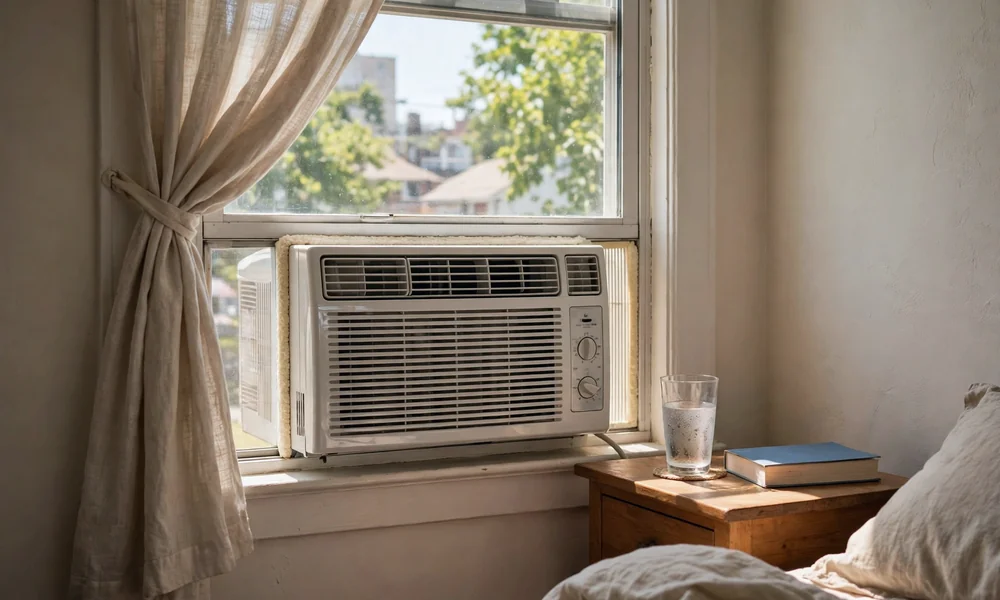
What the best units share is a feeling of calm competence. Their thermostats are accurate, so the room stays at the temperature you asked for instead of drifting hot and cold. Their filters slide out easily and wash clean in the sink, so they actually get cleaned instead of being left to clog up. And they are efficient: an inverter compressor that sips electricity once the room is cool, rather than a fixed-speed one that slams on and off all day.
The Worst Air Conditioners of 2026
The worst air conditioners of 2026 are not always the cheapest, and that is what makes them so frustrating. Some look smart in the shop and come with a long list of features, but within a few weeks the problems start: a compressor that rattles, a remote that only works from a metre away, and a drip of water down the wall every time they run. Owners find themselves turning them off and opening the windows instead.
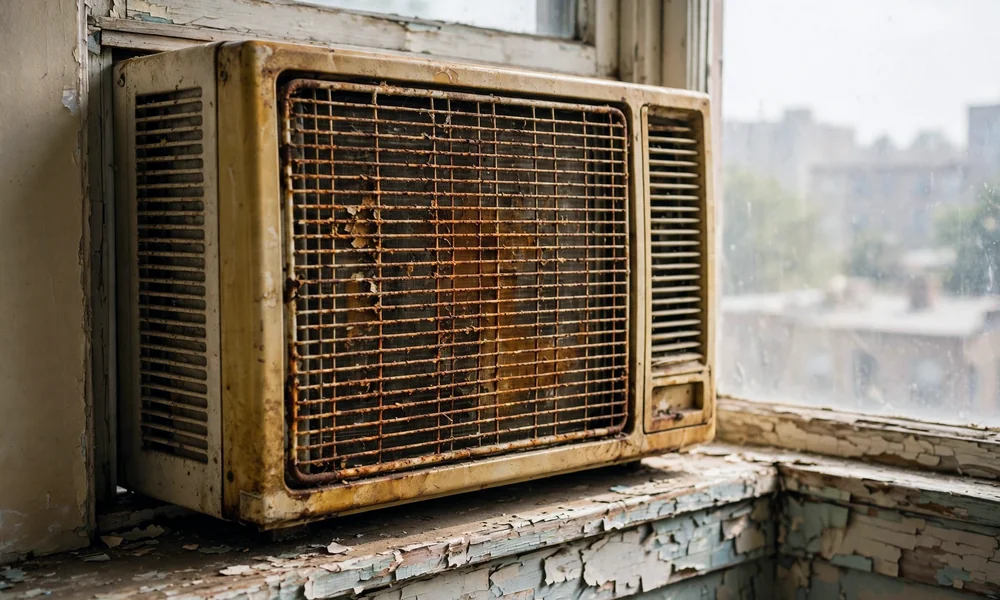
Reliability is where many of the worst units fall down hardest. They are often built around a cheap compressor that struggles on the hottest days, exactly when you need it most, and they freeze up when the nights turn cool, blowing warm air or nothing at all. A unit that fails in a heatwave is worse than no unit at all, because you have already spent the money and closed the windows. Spare parts can be hard to find too, and a repair bill can cost almost as much as the unit did.
Then there are the running costs. The worst air conditioners are often thirsty, with fixed-speed compressors that draw full power every time they start and stop, and crude thermostats that keep them running when nobody needs them. Because they never cool the room properly, they stay on longer, and the electricity bill arrives like a punch. A damp room makes the waste worse, and our comparison of the best and worst dehumidifiers of 2026 shows how much difference dry air makes to how cool a room feels.
Split, Window, or Portable: Which Type Wins
Split systems win for a room you cool every day, and it is not close. A split cools quickly, runs quietly, and sips electricity once the room is at temperature, which makes it ideal for a living room or a bedroom you use all summer. Its weakness is cost and installation: you need a professional to fit it, and it stays where it is put. For a home you own and a room you cool daily, though, a good split system is often all the air conditioning anyone needs.
Window units are the sweet spot for most renters and most budgets. A good window unit cools a bedroom well, it costs a fraction of a split system, and you can take it with you when you move. Its weakness is noise and the window it blocks, and a badly fitted one can let in draughts and rain. Portable units suit a room you cool only occasionally, but the best of them are still a compromise: they are noisier, less efficient, and they need a window vent that actually seals, or they simply pump the heat back into the room.
Running Costs and the Numbers That Actually Matter
Room size is the number most buyers get wrong. A small unit in a large, sunny room will run forever and never cool it, while a large unit in a small, shaded room will overshoot and waste energy, switching on and off so often that it never dehumidifies properly. As a rough guide, a small bedroom needs around two and a half kilowatts of cooling, a living room needs three and a half to five, and a large open-plan space needs either a much bigger unit or a different approach altogether. Check the size of your room before you check the price of the unit.
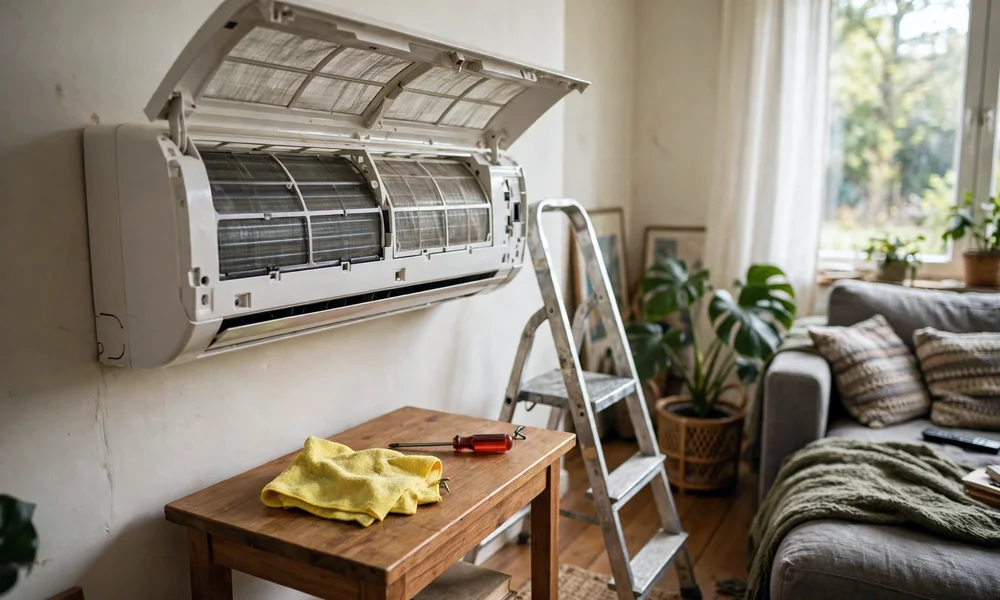
Filters deserve the same attention as the price. A clogged filter makes the unit work harder, cool worse, and smell musty, and it can freeze the coils solid on a humid day. The best units make filter cleaning easy, with a panel that lifts open and a filter that slides out and washes clean. If the filter is hard to reach, it will not get cleaned, and the unit will slowly get worse until it barely cools at all. Clean air matters for health too, and our comparison of the best and worst air purifiers of 2026 shows which ones actually clean the air you breathe.
Best vs Worst Air Conditioners at a Glance
| Feature | Best air conditioners | Worst air conditioners |
|---|---|---|
| Cooling | Even across the whole room | Cold in one spot, warm elsewhere |
| Noise | Near silent, easy to sleep through | Rattling compressor or constant buzz |
| Thermostat | Accurate, holds a steady temperature | Crude control, overshoots and warms |
| Running cost | Low, inverter sips electricity | High, fixed-speed runs at full power |
| Reliability | Steady all summer, easy filter care | Freezes up, drips, fails in heatwaves |
How to Buy an Air Conditioner Without Regret
The single most useful thing you can do before buying an air conditioner is to measure the room it will cool. A tape measure and five minutes will tell you more than any review: the size of the room, the height of the ceiling, and how much sun the windows get in the afternoon. Buy the unit for that room, not for a bigger one you might have one day, and remember that a unit that is too big for a small room is just as wasteful as one that is too small for a large room.
Check the installation before you pay anything. A split system needs a professional fitter and a place for the outdoor unit where its noise will not bother you or your neighbours. A window unit needs a window that fits it properly, with a good seal and a slight tilt so condensation drains outside, not down your wall. If you are buying a portable, check the vent kit first: if it does not seal the window, the unit will pump heat straight back into the room it is trying to cool.
Finally, do not be rushed by a heatwave. A good air conditioner bought in spring will usually still be a good one in July, and a shop that pressures you to decide on the spot is telling you something about how it does business. Check the unit in the shop if you can: switch it on, listen to it, and look at how the filter comes out. A quiet, well-built unit that is easy to clean will serve you for years.
The Verdict
The best air conditioners of 2026 are the ones that make a hot home comfortable without asking for much in return. They are quiet, efficient, reliable, and steady, and they cool the whole room rather than one small patch of it. They do not need to be the most powerful units on the shelf: they simply work, day after day, all summer long, with very little fuss.
The worst air conditioners of 2026 are the ones that demand too much and give too little back: too much electricity, too much noise, and too much of your patience spent fiddling with a remote that does nothing. An air conditioner is a machine you rely on every hot day, and when it fails in a heatwave, everything else in your home feels hotter and harder.
So buy with your head as well as your sweat. Choose the type that fits your real room and the way you actually live in it. Check the inverter, the filter, and the noise level before you check the price, and walk away from anything that rattles, drips, or smells wrong in the shop.