Avocado oil looks like the quietest bottle in the kitchen, and that is exactly why the one you pick matters so much. It is, at its best, just avocados pressed until they give up their oil, with nothing else added at all. When that fruit is handled well, the result is a grassy-green oil that smells fresh and buttery, pours smoothly over a salad, and holds its nerve in a hot pan where other oils smoke and turn bitter. When it is handled badly, the same bottle gives you a pale, flat oil that tastes of nothing, or a stale oil that smells of an old cupboard, or a bottle so heavily blended that the avocado has disappeared entirely.
The gap between the best avocado oils of 2026 and the worst is wide, and it usually shows up in four places: the fruit itself, the flavour, the freshness, and the way the bottle behaves over time. A great avocado oil tastes fresh and green when you pour it, keeps its colour from the first drizzle to the last, and stays steady at high heat. A bad one is so mild it could be any oil at all, or so far past its best that it smells rancid before it ever reaches the pan. This comparison puts them head to head the way you would actually use them: a drizzle over salads, whisked into dressings, brushed over roast vegetables, and poured into a hot pan for searing. We look at flavour, colour, freshness, what is actually in the bottle, and whether it earns its place in the cupboard or only its place on the shelf.
Key Takeaways
- A good avocado oil is grassy-green and smells fresh and buttery the moment you open the bottle, with no stale or flat note.
- Check the label: the best bottles list avocado oil as the only ingredient, with no blends, no added flavourings, and nothing else.
- Extra-virgin, cold-pressed avocado oil is the safest all-rounder for flavour, while refined oil suits cooks who want a neutral oil for high-heat searing.
- The worst avocado oils are pale and stale, smell of rancid fat, or are so mild that the avocado has disappeared entirely.
- The same honest approach sits behind our comparison of the best and worst olive oils of 2026, because avocado oil is judged by many of the same rules as its better-known cousin in the oil aisle.
How We Judged the Avocado Oils
We judged every avocado oil on five things that matter at the stove rather than on the bottle. First, flavour: whether the oil tastes gently of real fresh avocado, with a green, buttery finish, or of stale fat and flatness that takes over the dish. Second, colour: whether the oil is a clear, grassy green that shows it was pressed from ripe fruit, or pale yellow, which usually means heavy refining or blending. Third, freshness: whether the oil tastes bright and clean, or tired and heavy, because avocado oil turns faster than most oils once the bottle is open. Fourth, behaviour in cooking: whether it stays steady in a hot pan, or smokes early, or leaves a greasy coating on the food. Fifth, the label itself: how much avocado oil is actually in the bottle, what has been blended in to stretch it, and whether the price matches what is inside.

The Best Avocado Oils of 2026
The best avocado oils start with more avocado and less noise. A good bottle lists avocado oil as the only ingredient, because avocado is the whole point, and uses a short list of additions, ideally none at all. The best extra-virgin versions are the quiet heroes of the shelf. They pour with a deep green colour, they do not go stale quickly in the bottle, and they finish a salad in one easy drizzle, because their makers have pressed ripe fruit carefully enough for the natural flavour to do the work instead of adding flavourings to fake a fresh taste. They are rich enough to use by the spoonful, yet they still taste like something real, which is more than most bottles manage.
The Best Avocado Oil Styles at a Glance
| Avocado oil style | Avocado content | Flavour | Best for |
|---|---|---|---|
| Extra-virgin, cold-pressed | Nearly all avocado | Grassy and buttery | Salads, dressings, finishing |
| Extra-virgin, expeller-pressed | Nearly all avocado | Warm and mild | Roasting, sautéing, marinades |
| Refined avocado oil | Nearly all avocado | Neutral | Searing, high-heat cooking |
| Unrefined raw avocado oil | Nearly all avocado | Delicate | Light dressings, gentle heat |
| Blended avocado oil | Lower | Faint | A cheap everyday oil, bulk cooking |
Reading the Bottle: What the Label Really Tells You
The label is the most honest part of an avocado oil bottle, and it is worth reading before you buy. Most good avocado oil contains nearly one hundred per cent avocado oil, and the rest is nothing at all, so a bottle that lists avocado oil first and stops there is already a step ahead. Look at what else is in there: a single ingredient is normal, but a long list of soybean oil, sunflower oil, and added flavourings means the avocado is doing less of the work than the bottle suggests. Blending is the usual giveaway, put in to stretch the avocado oil and cut the price, and while it keeps the bottle looking like a bargain, it dulls the flavour and leaves a flat, greasy taste that pure avocado oil never does.
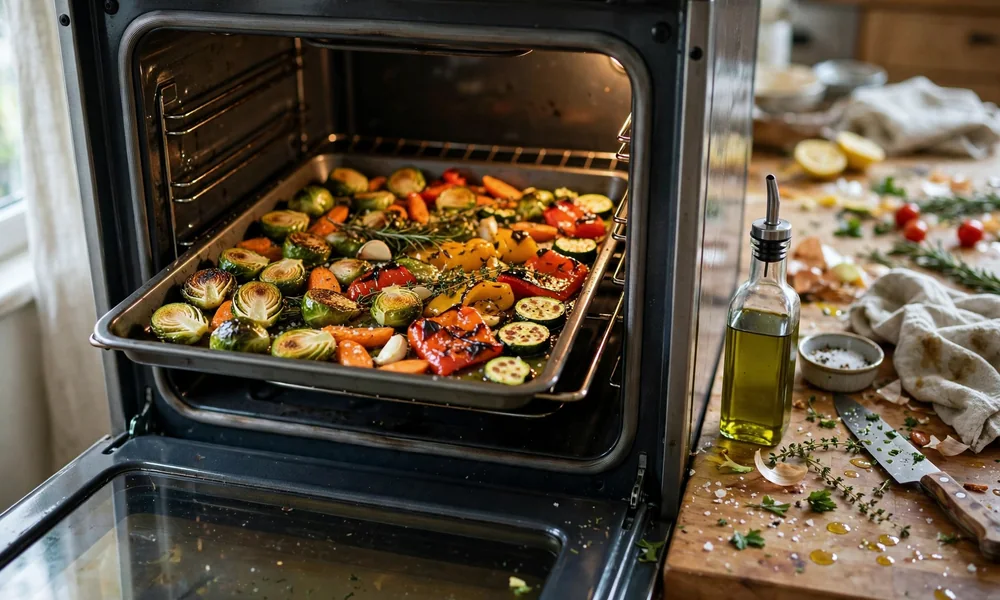
Extra-virgin on the label should mean the oil was pressed from fresh avocados without high heat or chemicals, and cold-pressed should mean the temperature stayed low enough to keep the fresh flavour. Refined should mean the oil was cleaned up for a neutral taste and a higher smoke point, which is a fair trade when you want it, but not when you wanted avocado flavour. Check whether the bottle is dark glass, because light speeds up staleness, and a maker who protects the oil from light is usually a maker who cares about the fruit. The same care applies to the dish itself, and our comparison of the best and worst coconut oils of 2026 shows how a very different cooking oil is judged, because a roast made with poor oil can never taste better than the oil that went into it.
The Worst Avocado Oils of 2026
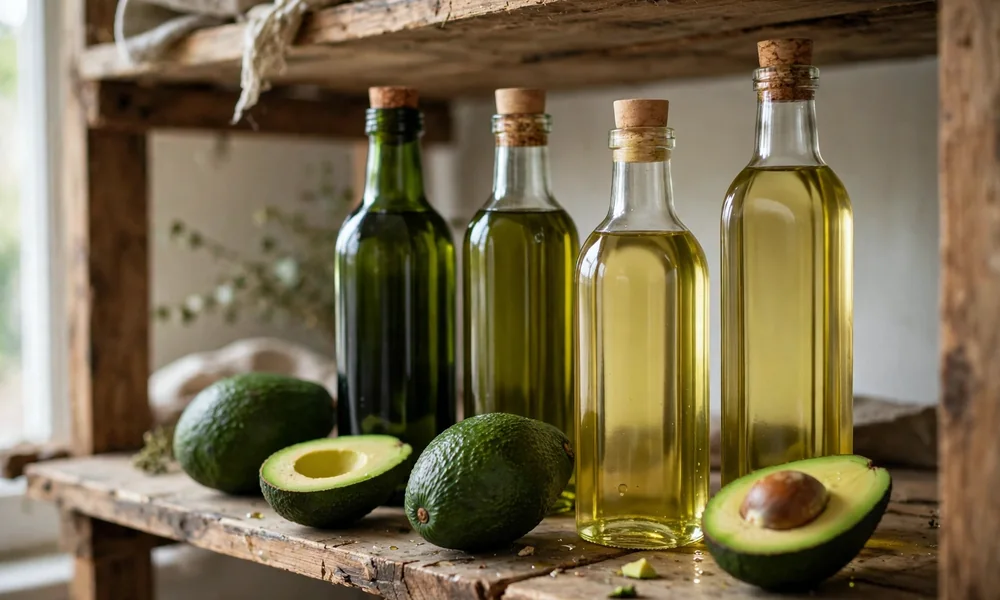
The worst avocado oils fail in predictable ways, and the bottle usually gives them away before you open it. The first warning sign is an oil that looks pale yellow instead of grassy green, or a bottle that smells of nothing at all when you hold it to your nose. The second is a bottle with a wide opening and no pourer, so you pour out far more than you need and the rest sits exposed to warm air. The third is a price so low it cannot possibly be pure avocado oil, because real avocados are not cheap fruit. Here are the types to leave on the shelf.
Stale and rancid bottles are the most common failure. Avocado oil kept too long, or kept in a clear bottle on a sunny shelf, turns tired and heavy, and the flavour follows: a flat, bitter edge that no amount of lemon juice can hide. The oil may still look green, but the smell gives it away the moment the cap comes off. Then there are the blended oils, built mostly on soybean or sunflower oil with a little avocado oil added for the label. They pour pale, they taste of nothing, and they make salads feel greasy instead of fresh, and the bottle empties slowly because nobody reaches for it twice.
Best vs Worst Head to Head
How to Choose an Avocado Oil Without Regret
The single most useful thing you can do is to read the label before you buy, and to buy the bottle with the shortest list. Avocado oil first, nothing else after it, is the gold standard, and any bottle that meets it is already ahead of most of the shelf. While you read, check whether the oil is extra-virgin or refined, because a bottle that hides its style behind a plain label is usually hiding quite a lot of it. Then pick your style and stick with it: extra-virgin and cold-pressed if you dress salads and finish dishes, refined if you sear at high heat, and blended only if you are buying a cheap everyday oil and you know it.
Once the bottle is home, keep it in a cool, dark cupboard, not beside the stove, and close the cap properly every time, because air and light speed up staleness. A good bottle needs no special care beyond that; a bad bottle will turn stale no matter what you do, and that is the bottle telling you not to buy it again. Taste it on its own before you judge it in a salad, because an oil that tastes flat or bitter by the spoonful will taste flat or bitter everywhere else too. And if you are still deciding between single oils, our guide to the best avocado oil of 2026 covers the single-bottle winners in detail, while the comparison above will help you choose between the avocado oils themselves.
Avocado Oil Buying Checklist
- Check the colour first: a clear grassy green is a good sign, and pale yellow is a warning.
- Smell the bottle when you can: a fresh, buttery scent is right, and no scent at all is a warning.
- Choose extra-virgin for flavour and dressings, and refined for high-heat searing and roasting.
- Read the ingredient list: avocado oil alone beats a long list led by soybean or sunflower oil.
- Start with a small bottle, because a good oil lasts for months and a bad one is hard to finish.
- Store the bottle away from heat and sunlight, and use it within a few months of opening.
Frequently Asked Questions
Is avocado oil good for high-heat cooking?
Yes, if you pick the right kind. Refined avocado oil has a very high smoke point and suits searing, roasting, and frying. Extra-virgin avocado oil is better at medium heat, for dressings, finishing, and gentle roasting, where its flavour is a pleasure rather than a risk.
Why is some avocado oil green and some yellow?
Colour is a useful clue. Extra-virgin oil pressed from ripe avocados is usually grassy green, while refined oil is paler, often yellow, because refining strips out colour along with flavour. A pale oil is not always bad, but a green oil is usually the fresher, more flavourful choice.
The Verdict
The verdict is clear: buy an extra-virgin, cold-pressed avocado oil made from ripe avocados, with avocado oil as the only ingredient, and use it in salads, in dressings, or brushed over roast vegetables. Choose refined when you want a neutral oil for high-heat searing, and leave blended oils on the shelf unless you know exactly what you are buying. Do not buy avocado oil that lists added oil near the top of the label, a bottle that smells stale, or an oil so mild that the avocado is an afterthought. Buy a short label, keep it cool and dark, and let the avocado do the talking, because those three things are what you actually taste.